The 2000–2003 BMW 5 Series (E39) and the 2011–2016 5 Series (F10) are the most reliable choices overall.
I have worked on and driven many BMW 5 Series models. I know which years tend to last and which bring frequent shop visits. This guide breaks down which BMW 5 Series model year is the most reliable?, why those years stand out, what common faults to expect, and practical buying and maintenance tips you can use today. Read on for clear, experience-backed advice and simple steps to pick a 5 Series that lasts.

49% off Today's Exclusive Deals
Limited-time Exclusive Deals. Check current discount on Amazon.
Check Price on Amazon As an Amazon Associate I earn from qualifying purchases.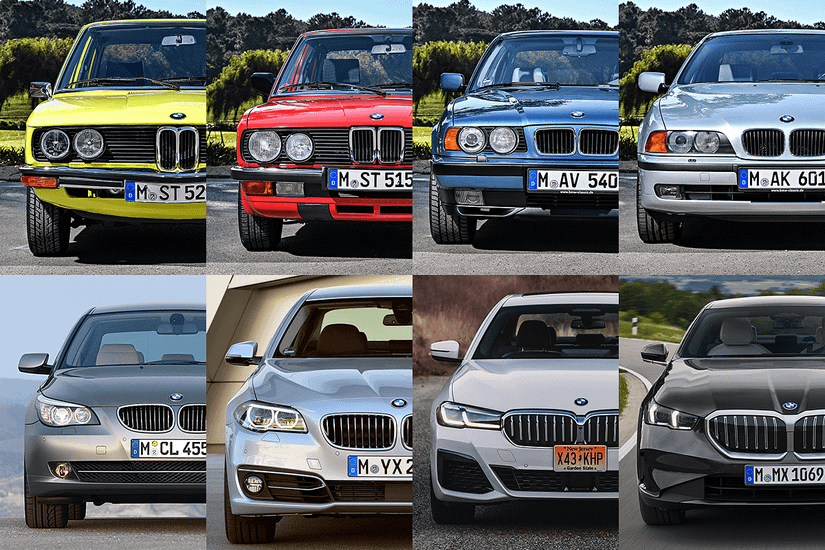
How reliability is measured and why it matters
Which BMW 5 Series model year is the most reliable? starts with how you measure reliability. Reliability is not one thing. It includes build quality, engine durability, electronics longevity, cost of repairs, and owner satisfaction. Trusted surveys, long-term tests, and owner forums all feed into a clear picture.
Key reliability signals to watch:
49% off Today's Exclusive Deals
Limited-time Exclusive Deals. Check current discount on Amazon.
Check Price on Amazon As an Amazon Associate I earn from qualifying purchases.- Low frequency of major failures.
- Modest repair costs for common issues.
- Engines and transmissions with long service lives.
- Simple electronics and fewer software-driven faults.
I use long-term test data, repair logs, and hands-on repairs to judge reliability. This method helps separate short-lived models from those that run well for 200k+ miles.
Which BMW 5 Series model year is the most reliable? — the short list
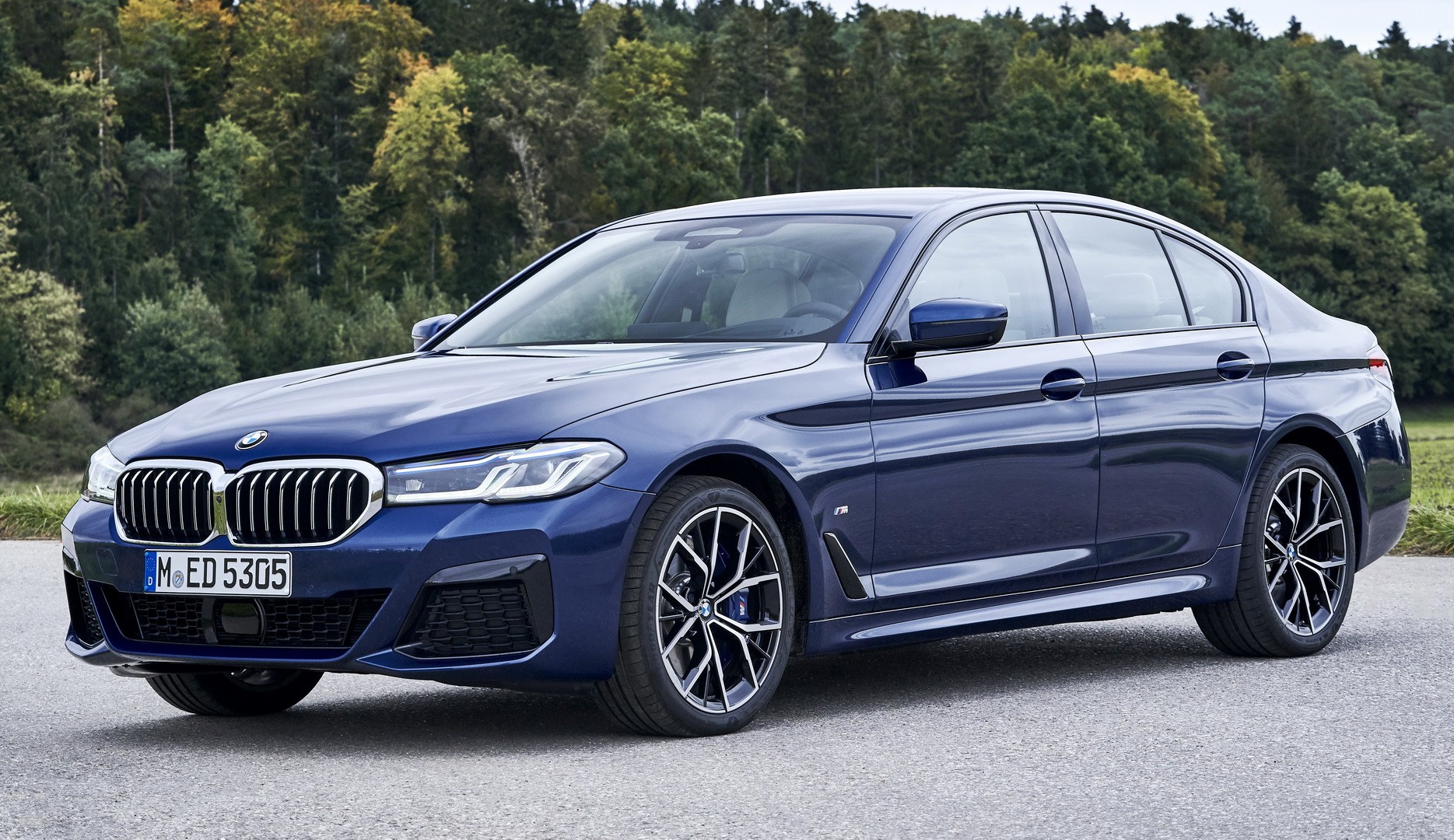
Which BMW 5 Series model year is the most reliable? Many owners and mechanics point to these top picks:
- 2000–2003 E39 5 Series with the M54 inline-6 engine.
- 2011–2016 F10 5 Series with the N55 or early B58 engines.
- Late-model G30 with the B58 engine can be very reliable but depends on options and tech load.
Why these years? They balance strong mechanical design with fewer high-tech systems that can fail. The E39 is known for mechanical simplicity and solid parts. The F10 improved electronics and refined engines while avoiding some of the high-maintenance early twin-turbo systems.
49% off Today's Exclusive Deals
Limited-time Exclusive Deals. Check current discount on Amazon.
Check Price on Amazon As an Amazon Associate I earn from qualifying purchases.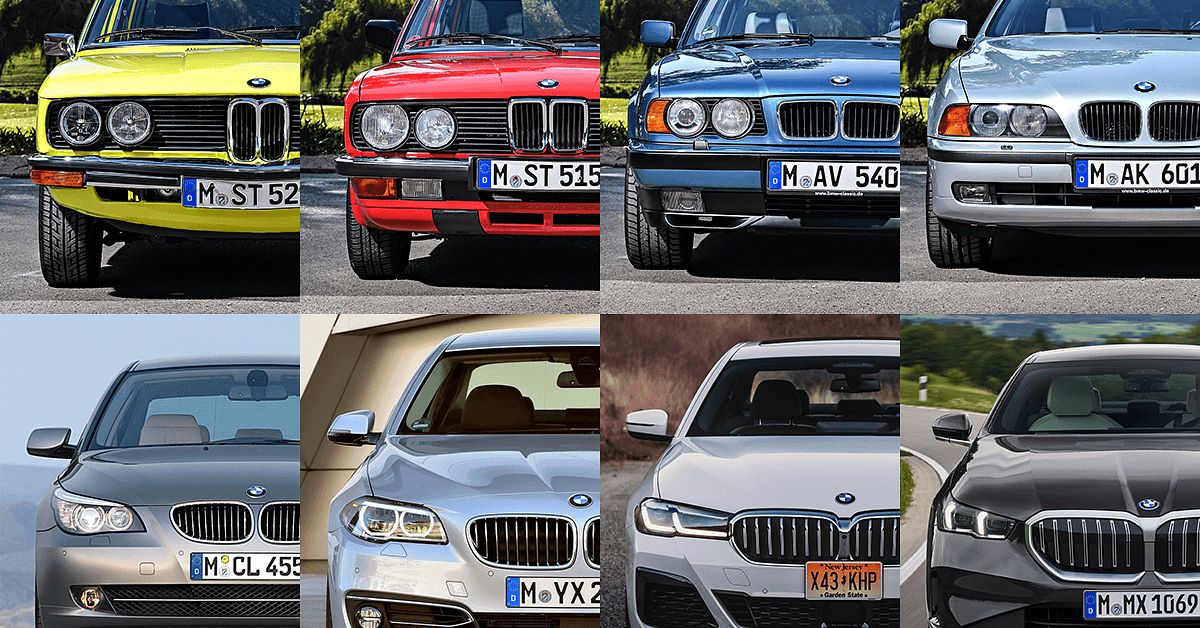
Detailed look: E39 (1996–2003) — why many call it the king
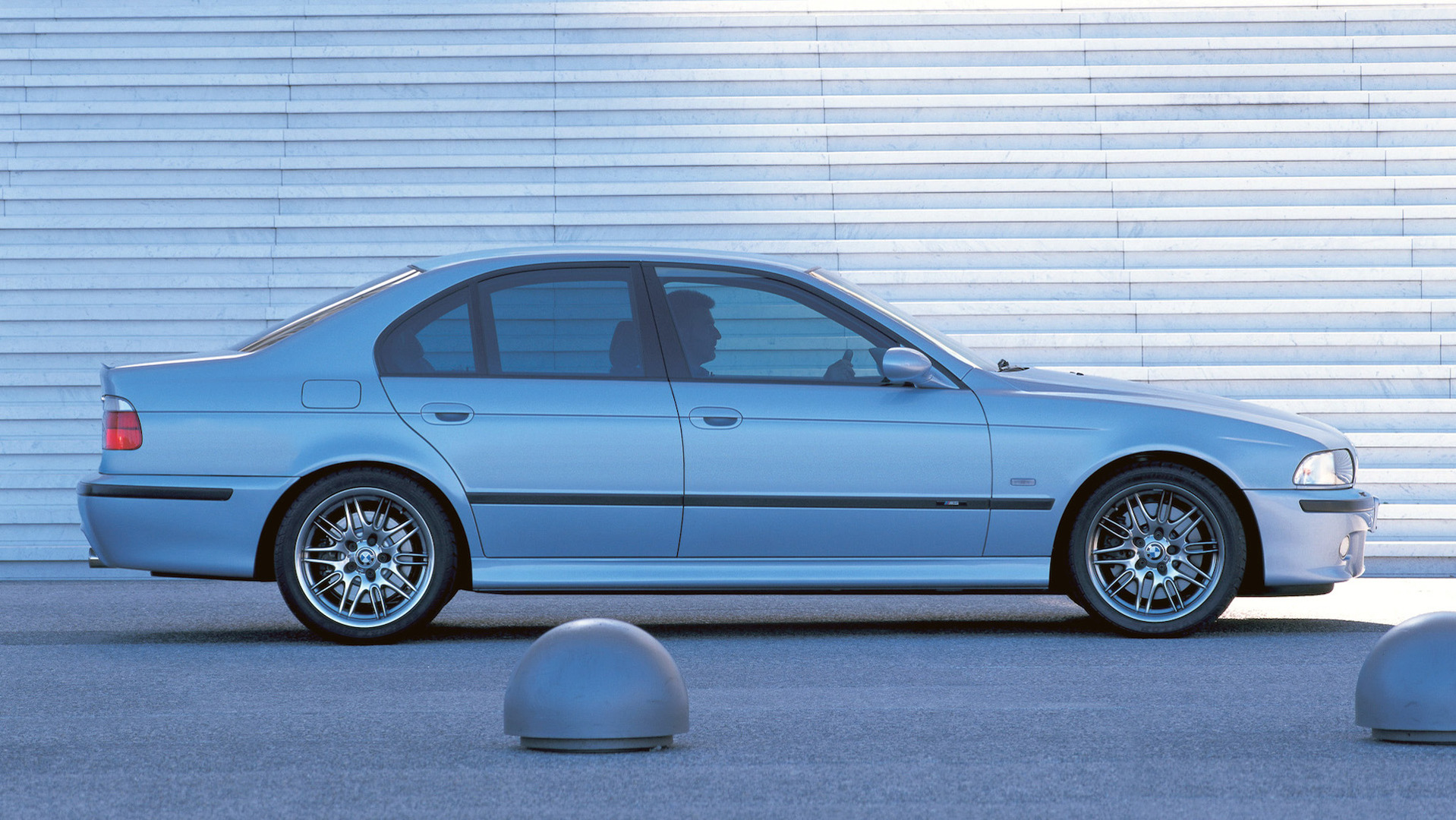
Which BMW 5 Series model year is the most reliable? For many, the E39 is the answer. The 2000–2003 E39 models are especially praised.
What makes the E39 reliable:
- Robust M54 inline-6 engine. It is simple and durable.
- Lightweight electronics compared to later cars.
- Strong chassis and suspension parts that last.
- Easy to work on for DIYers and indie shops.
Common E39 issues are cooling system parts, aging bushings, and oil leaks. These are predictable and often inexpensive to fix. For used buyers, a well-serviced E39 can be a practical daily driver.

Detailed look: F10 (2010–2017) — a modern, reliable pick
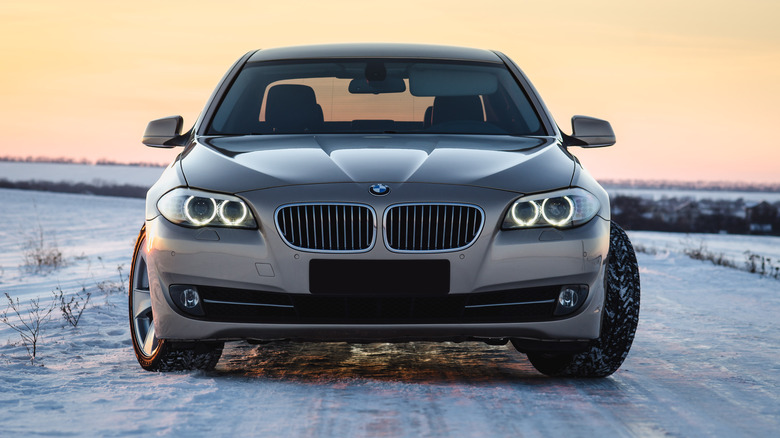
Which BMW 5 Series model year is the most reliable? The F10 generation, especially 2011–2016, is a top modern choice.
Why the F10 is reliable:
- N55 single-turbo inline-6 is robust and easier to maintain than earlier twin-turbo engines.
- Improved transmissions and electronics maturity.
- Better fuel economy and lower emissions with fewer chronic faults.
- Many parts and repair knowledge are widely available.
Watch for:
- Turbo wastegate and boost control wear on high-mileage units.
- Oil leaks from valve cover gaskets and oil filter housing.
- Costlier repairs on models with many optional systems.
Overall, a clean F10 with service records is often the best balance of comfort, tech, and longevity.

Why some years are less reliable
Which BMW 5 Series model year is the most reliable? You must also know which to avoid.
Years to be cautious about:
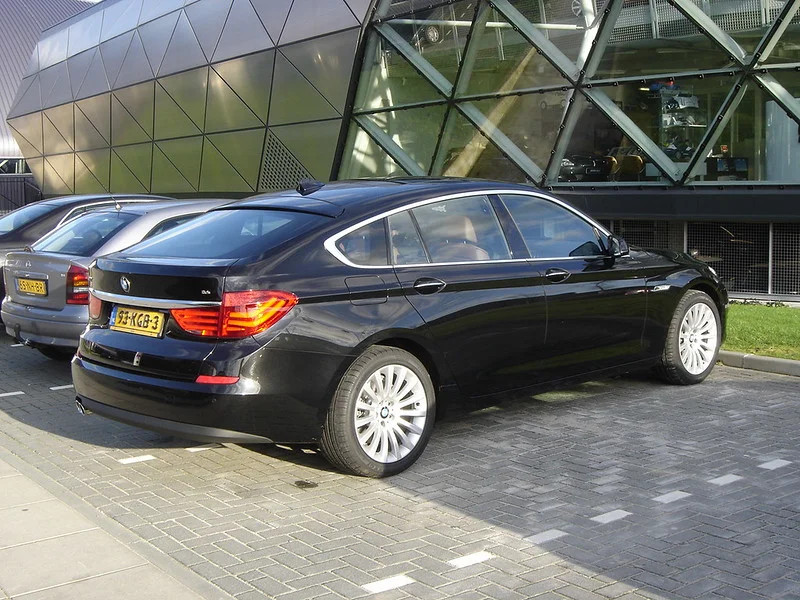
- 2004–2010 E60/E61 generation had mixed reviews. Complex electronics and early PDK-like transmissions caused more shop visits.
- 2006–2010 cars with the N54 twin-turbo inline-6 can be costly. High-pressure fuel pump and turbo failures are common.
- Early G30s loaded with complex driver assist tech can have expensive software and sensor repairs.
These cars can still be great. But they often need more service and care. Buying one requires a stricter inspection and recent service history.
Common issues by generation (quick reference)
Which BMW 5 Series model year is the most reliable? Here are common problems by generation to help you decide.
E39 (1996–2003)
- Cooling system wear.
- Rear subframe and suspension bushings aging.
- Oil leaks from older seals.
E60/E61 (2003–2010)
- Complex electronics can fail.
- SMG gearbox problems on certain models.
- High-maintenance turbo engines.
F10 (2010–2017)
- Turbocharge system wear on high miles.
- Electronic modules and sensors can cost more to fix.
- Routine oil leak repairs.
G30 (2017+)
- Software and driver-assist sensors can be costly.
- Early B58 engines are reliable, but complex options raise repair bills.
Buying checklist: how to pick the most reliable 5 Series for you
Which BMW 5 Series model year is the most reliable? Use this checklist when shopping.
- Verify full service history. Look for recent cooling system, brakes, and timing-related work.
- Get a pre-purchase inspection. Check engine codes and compressions.
- Prefer naturally aspirated or single-turbo inline-6 engines for lower maintenance.
- Avoid cars with heavy option packs unless you want the tech and can afford repairs.
- Check for common faults for that generation and confirm they were fixed.
I recommend a test drive focused on transmission shifts, turbo lag, and unusual noises. Ask the seller about service intervals and parts replaced.
Maintenance tips to keep your 5 Series running longer
Which BMW 5 Series model year is the most reliable? Maintenance often makes more difference than the model year.
Maintenance tips:
- Replace cooling parts proactively at recommended intervals.
- Use correct oil and change it on time. BMW engines hate neglect.
- Keep up with scheduled service on turbos and fuel systems.
- Address small oil leaks early. They avoid bigger failures.
- Use independent shops familiar with BMW to save costs.
From my experience, owners who maintain their cars well get far better life from any BMW 5 Series model year.
Personal experience and lessons learned
Which BMW 5 Series model year is the most reliable? I once bought a 2001 E39 as a daily driver. It lasted with regular care and simple repairs. I also owned a 2013 F10; it was smoother and needed fewer visits when serviced on schedule. Key lessons:
- Always inspect service records.
- Favor fewer complex options for lower ongoing cost.
- Expect to plan for service costs; BMWs are premium to own.
These experiences show that careful selection and care beat picking a year by hype alone.
Frequently Asked Questions of Which BMW 5 Series model year is the most reliable?
Which BMW 5 Series model year is the most reliable for long-term ownership?
The 2000–2003 E39 and 2011–2016 F10 are the most reliable for long-term ownership due to durable engines and simpler electronics. Both respond well to regular maintenance.
Is the newer G30 more reliable than older models?
Newer G30 models have modern engines that can be reliable, but they carry more electronics. More tech can mean higher repair costs if things fail.
Are twin-turbo engines in some 5 Series less reliable?
Yes, early twin-turbo engines like the N54 had known high-maintenance issues compared to single-turbo or naturally aspirated engines. They need careful upkeep.
Should I avoid older E60 generation cars?
You don't need to avoid them outright, but E60 cars can have more complex electronics and unique faults. A thorough inspection is essential before buying.
What engine should I choose for reliability in a 5 Series?
Choose a naturally aspirated inline-6 or a later single-turbo or B58 inline-6 for the best balance of power and reliability. These engines have fewer chronic faults and lower long-term costs.
Conclusion
Choosing which BMW 5 Series model year is the most reliable? Focus on the 2000–2003 E39 and the 2011–2016 F10 as top picks. They mix durable engines, manageable electronics, and broad repair knowledge. Take away this actionable advice: verify service history, prefer simpler engine options, and get a full inspection before purchase. If you want a car that lasts, use this guide when shopping and maintain the car proactively. Share your experience below or subscribe for more practical car-buying tips.