Electrical faults, air suspension failures, oil leaks, and costly electronics repairs are most common.
I have spent years inspecting and repairing luxury cars, and I know the Mercedes-Benz S-Class inside out. This article answers the question What are the most common problems with the Mercedes-Benz S-Class? and walks you through causes, signs, fixes, costs, and buying tips. Read on for clear, practical advice based on hands-on experience and industry data.

49% off Today's Exclusive Deals
Limited-time Exclusive Deals. Check current discount on Amazon.
Check Price on Amazon As an Amazon Associate I earn from qualifying purchases.
Common problem categories at a glance
When you ask What are the most common problems with the Mercedes-Benz S-Class? you get a clear pattern. Older and newer S-Classes share recurring issues. These include electrical faults, air suspension problems, engine and transmission concerns, and high maintenance costs. Knowing the categories helps you spot trouble early and decide whether to buy, keep, or sell.

49% off Today's Exclusive Deals
Limited-time Exclusive Deals. Check current discount on Amazon.
Check Price on Amazon As an Amazon Associate I earn from qualifying purchases.Electrical and electronics failures
What are the most common problems with the Mercedes-Benz S-Class? Electrical gremlins top many owners’ lists. Complex networks of sensors, modules, and luxury features increase failure points. Symptoms include warning lights, malfunctioning infotainment, dead door modules, and intermittent lighting.
Common causes
- Water intrusion into door or trunk modules causing corrosion.
- Aging wiring harness insulation that cracks over time.
- Software glitches or failed control units after updates or battery changes.
Signs to watch for
- Repeated warning lights after a battery disconnect.
- Doors or windows that refuse to work.
- Screen freezes or loss of navigation and audio functions.
Typical fixes and costs
49% off Today's Exclusive Deals
Limited-time Exclusive Deals. Check current discount on Amazon.
Check Price on Amazon As an Amazon Associate I earn from qualifying purchases.- Module reprogramming or replacement. Costs range from moderate for software updates to high for control units.
- Wiring repairs for corrosion or chafing. Expect labor-heavy bills.
- Preventive sealing of known leak points to avoid repeat failures.
Personal note: I once diagnosed an S-Class where water in a rear door caused intermittent central locking faults. A careful dry and targeted wiring repair cured it for far less than a full module swap.
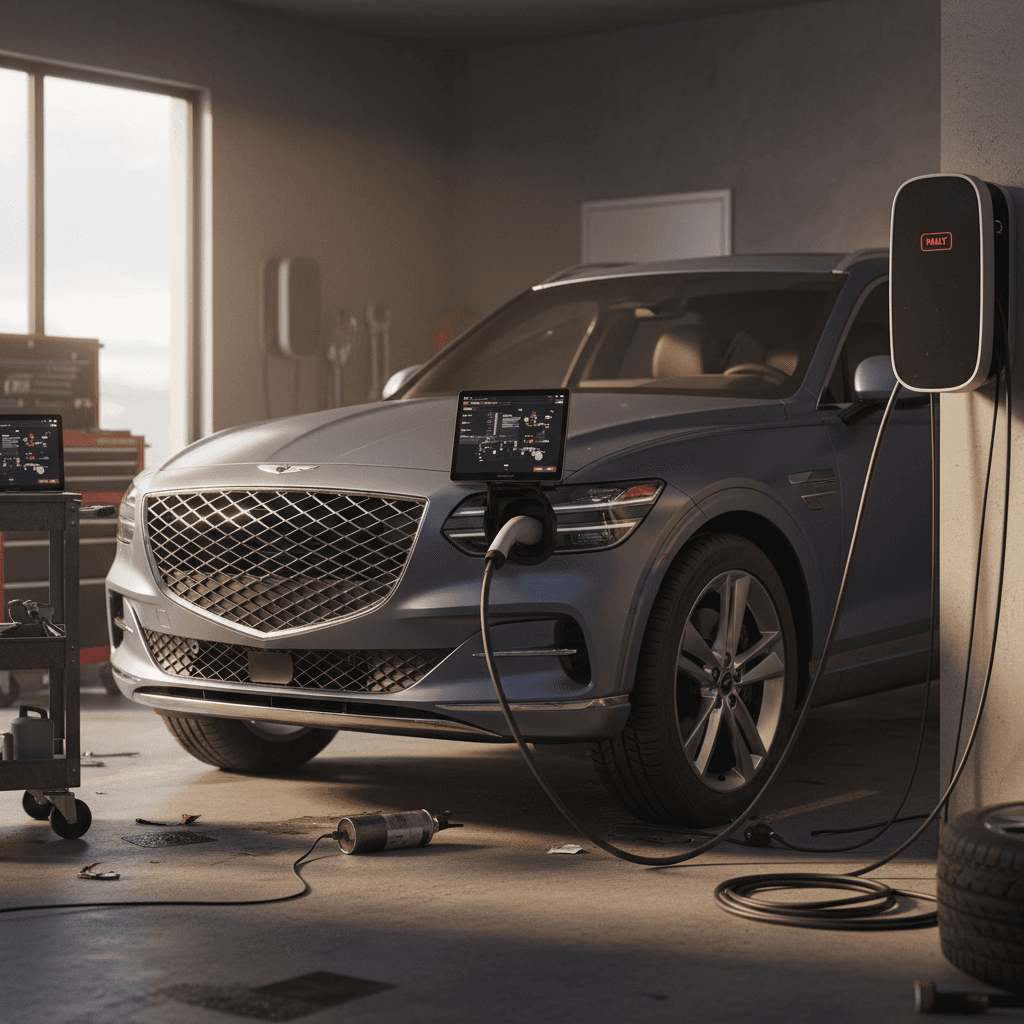
Why does my S-Class have so many electrical issues?
Electrical complexity and many feature modules raise failure risk. Moisture, age, and faulty updates often trigger errors. Proper diagnosis with OEM scanners prevents unnecessary part swaps.
Air suspension and ride-control problems
What are the most common problems with the Mercedes-Benz S-Class? Air suspension complaints are frequent, especially on older models. The system gives a smooth ride but uses air springs, compressors, and valves that wear out.
Common symptoms
- Vehicle sits low at one corner or sags over time.
- Compressor runs constantly or loudly.
- Harsh ride when the system can’t adjust.
Root causes
- Brittle air springs develop leaks with age and road debris.
- Failed compressors from moisture contamination or high duty cycles.
- Valve block malfunctions or faulty height sensors.
Maintenance and repair
- Replacing air springs one corner at a time is common. Costs vary by model year.
- Compressors often need replacement every 80k–150k miles depending on use.
- Rebuild kits and preventive moisture drainage can extend life.
Practical tip: If you buy an S-Class with air suspension, budget for at least one major service during ownership. Many owners replace the compressor and springs together to avoid repeat labor.

How long do S-Class air suspensions last?
Properly maintained air suspensions can last 8–12 years, but life varies with climate and mileage. Frequent short trips and wet climates reduce longevity. Regular inspections catch wear before sudden failures.
Engine, transmission, and drivetrain concerns
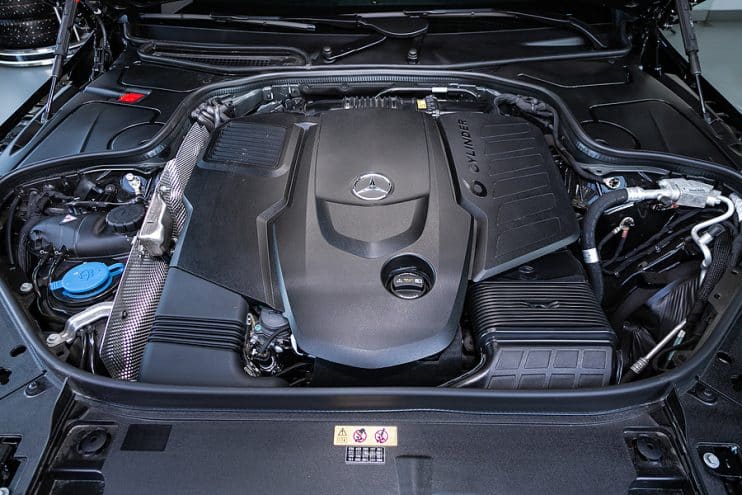
What are the most common problems with the Mercedes-Benz S-Class? While engines are refined, owners report oil leaks, timing-chain or balance-shaft issues on some engines, and transmission mechatronic faults on high-mileage cars. These concerns can be costly if left unchecked.
Frequent issues
- Valve cover, oil cooler, and rear main seal leaks on older V8 and V6 engines.
- Timing chain tensioner wear on particular engine families.
- Transmission rough shifts or limp mode due to worn mechatronics or software.
Causes and detection
- High turbo boost and complex oil pathways put strain on seals.
- Contaminated or neglected fluid accelerates wear in transmissions.
- Overheating and deferred service increase failure risk.
Repair and prevention
- Use recommended oil and service intervals. That reduces sludge and seal stress.
- Address small leaks early. Replacing gaskets is cheaper than major engine work.
- Flush and replace transmission fluid on schedule. Rebuilds are expensive.
My experience: a low-mileage S-Class with a small oil leak became a much larger repair after months of ignoring a seep. Catching leaks early saves both money and stress.
Interior, tech, and comfort feature failures
What are the most common problems with the Mercedes-Benz S-Class? The S-Class packs advanced comfort tech. Seat motors, massagers, climate control vents, and ambient-lighting systems can fail or behave erratically. These issues are often electrical but deserve a separate look due to cost and user impact.
Typical problems
- Seat memory and motor failures from worn switches or motors.
- Climate control actuator failures causing stuck vents or incorrect zones.
- Malfunctioning rear-seat entertainment or massage systems.
Why these fail
- Frequent use and small motors increase wear.
- Moisture and spilled liquids damage controls.
- Software mismatches after module replacements.
Fix approach
- Source OEM parts and proper programming. Third-party parts often fail sooner.
- Inspect and clean connectors before replacing major components.
- Consider prioritized fixes: safety and comfort features first, luxury extras later.

Can software updates help with interior bugs?
Yes. Many usability glitches stem from software. Authorized updates and correct coding often resolve odd behaviors. Always get updates from a dealer or a trusted independent specialist.
Ownership costs, reliability, and longevity
What are the most common problems with the Mercedes-Benz S-Class? High maintenance and repair costs are a major theme. The car is engineered for luxury, not for low-cost upkeep. Parts, labor, and diagnostics add up.
Key ownership realities
- Parts are premium-priced and often model-specific.
- Labor is intensive due to complex assemblies and module programming.
- Some repairs require dealer-level diagnostic tools.
Ways to manage costs
- Buy an extended warranty or certified pre-owned car with coverage.
- Build a relationship with a specialized independent shop to save on labor.
- Keep up strict maintenance to avoid compounding issues.
Personal advice: I recommend a factory service history and a pre-purchase inspection by a specialist. A clear record often predicts fewer surprises down the road.
Preventive maintenance and buying tips
What are the most common problems with the Mercedes-Benz S-Class? Many issues can be reduced with careful maintenance and smart buying. Predicting likely failures helps you avoid costly surprises.
Pre-purchase checklist
- Check for service records showing regular oil, transmission, and suspension care.
- Inspect for sagging, leaked fluids, and damp carpets that indicate water leaks.
- Run a full diagnostic scan for stored codes.
Routine preventive steps
- Replace wear items on schedule: fluids, filters, and belts.
- Inspect air suspension components and compressors every year.
- Keep electrical connectors clean and dry and update software when recommended.
Buying advice
- Prefer cars with full service history and fewer owners.
- Avoid S-Classes with chronic electrical histories or uncorrected suspension fixes.
- Negotiate price to account for upcoming major services.

Frequently Asked Questions of What are the most common problems with the Mercedes-Benz S-Class?
What are the typical electrical problems in the S-Class?
Typical electrical problems include failing control modules, malfunctioning infotainment systems, and door or window module faults. Water intrusion and aging wiring often cause these issues.
How expensive is it to fix air suspension on an S-Class?
Fixing air suspension can range from a few hundred dollars for a single spring to several thousand for compressor and valve block replacement. Prices depend on model year and parts quality.
Are S-Class engines generally reliable?
S-Class engines are generally well engineered but can show oil leaks and timing-related wear on certain models. Regular maintenance improves reliability significantly.
Should I avoid buying an older S-Class?
Not necessarily. Older S-Classes can be great buys if they have full service history and recent suspension work. Expect higher maintenance needs and budget accordingly.
How can I reduce repair costs on an S-Class?
Reduce costs by using a trusted independent specialist, staying current with maintenance, and buying genuine parts when reliability matters. Warranties and pre-purchase inspections also help.
Conclusion
The S-Class is a technological marvel that delivers comfort and prestige. The answer to What are the most common problems with the Mercedes-Benz S-Class? shows repeated themes: complex electronics, air suspension wear, oil leaks, and higher ownership costs. With careful maintenance, informed buying, and early repairs, you can enjoy the S-Class experience while minimizing surprises. Take action: get a specialist inspection before purchase, follow a strict service schedule, and consider extended coverage to protect your investment. If you found this helpful, leave a comment, share your S-Class story, or subscribe for more practical auto guides.