Have you ever noticed your engine oil temperature rising higher than usual? Understanding what causes high engine oil temperature is crucial for keeping your vehicle running smoothly.
When your engine oil gets too hot, it can lead to serious problems that may cost you time and money. But don’t worry—by learning the key reasons behind this issue, you can spot trouble early and protect your car’s performance.

49% off Today's Exclusive Deals
Limited-time Exclusive Deals. Check current discount on Amazon.
Check Price on Amazon As an Amazon Associate I earn from qualifying purchases.Keep reading to discover the common causes and simple steps you can take to keep your engine cool and healthy.
Common Causes Of High Engine Oil Temperature
High engine oil temperature can harm your vehicle’s engine. It causes faster oil breakdown and poor lubrication. Recognizing common causes helps prevent damage and costly repairs. Here are some frequent reasons for high engine oil temperature.
Low Engine Oil Level
Low oil level reduces the oil’s ability to cool and lubricate. Without enough oil, engine parts rub more and create heat. Check the oil level regularly to keep it within the recommended range.
49% off Today's Exclusive Deals
Limited-time Exclusive Deals. Check current discount on Amazon.
Check Price on Amazon As an Amazon Associate I earn from qualifying purchases.Oil Quality And Viscosity Issues
Using poor quality or wrong viscosity oil affects temperature control. Thin oil may not protect well at high heat. Thick oil can cause poor flow and overheating. Always use the oil type suggested by the vehicle maker.
Cooling System Malfunctions
The cooling system keeps the engine and oil temperature stable. Faulty radiators, water pumps, or thermostats reduce cooling efficiency. This causes the oil temperature to rise quickly during operation.
Blocked Oil Passages
Dirt or sludge can block oil passages inside the engine. Blockages stop oil flow and cause hot spots. Regular oil changes help prevent sludge buildup and keep passages clear.
Excessive Engine Load
Heavy loads or towing increase engine strain and heat. More engine work means more heat generated, raising oil temperature. Avoid overloading the vehicle to keep oil temperature safe.
49% off Today's Exclusive Deals
Limited-time Exclusive Deals. Check current discount on Amazon.
Check Price on Amazon As an Amazon Associate I earn from qualifying purchases.Faulty Oil Temperature Sensor
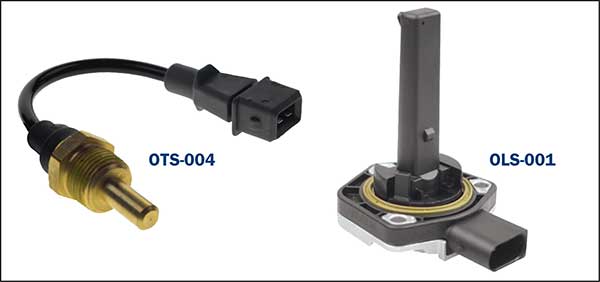
A broken sensor may send wrong temperature readings. This can cause the engine control unit to mismanage cooling. Testing and replacing a faulty sensor ensures accurate temperature monitoring.

Effects Of High Engine Oil Temperature
High engine oil temperature can harm your engine in many ways. It affects the oil’s ability to protect and cool the engine parts. The damage may start small but can grow over time. Understanding these effects helps in taking steps to avoid costly repairs.
Reduced Lubrication Efficiency
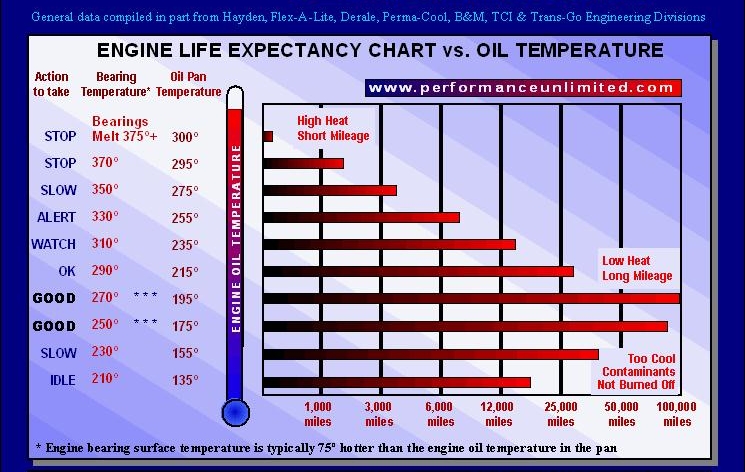
High oil temperature makes the oil thinner. Thin oil cannot form a strong layer between moving parts. This reduces lubrication and increases friction. Parts rub against each other more often. This wear lowers engine performance and can cause early damage.
Increased Engine Wear
Hot oil loses its protective qualities quickly. Without good oil, metal parts grind and wear out faster. This leads to scratches and damage inside the engine. Over time, this wear can cause engine failure or costly repairs.
Potential Engine Overheating
Oil helps cool the engine by carrying heat away. Hot oil cannot cool parts well. This causes the engine to run hotter than normal. Overheating can damage many engine components. It also increases the risk of engine breakdown.
Oil Breakdown And Sludge Formation
High temperatures break down oil chemicals. This causes the oil to lose its strength and protection. Broken oil forms thick sludge inside the engine. Sludge blocks oil passages and reduces flow. This makes lubrication worse and speeds up engine damage.
Preventive Measures
High engine oil temperature can damage your engine. Taking steps to prevent this issue helps keep your engine safe. Simple actions can stop oil from getting too hot. These measures protect your car and save money on repairs.
Regular Oil Checks And Changes
Check your engine oil often. Look for low levels or dirty oil. Change oil as the car manual says. Clean oil cools and lubricates the engine better. Old oil thickens and raises temperature.
Maintaining The Cooling System
Keep the cooling system working well. Check coolant levels and top up if low. Fix leaks or broken hoses fast. Clean the radiator and fans to help air flow. A strong cooling system lowers engine heat.
Using Correct Oil Grade
Use the oil grade recommended by the car maker. The right oil flows well at engine temperatures. Wrong oil can cause extra friction and heat. Read the manual or ask a mechanic for the correct type.
Monitoring Engine Load
Avoid heavy loads for long times. Towing or driving uphill heats the engine. Take breaks on long trips to cool down the engine. Watch the temperature gauge to spot problems early.
Replacing Faulty Sensors
Faulty sensors can give wrong temperature readings. Replace bad sensors quickly to avoid engine damage. Sensors help control cooling fans and alerts. Good sensors keep the engine running at safe temperatures.
Frequently Asked Questions
What Are Common Reasons For High Engine Oil Temperature?
High engine oil temperature often results from low oil levels, poor oil quality, or cooling system failures. Overworking the engine or clogged oil passages can also cause excessive heat. Regular maintenance helps prevent these issues.
How Does Engine Oil Temperature Affect Vehicle Performance?
Excessive oil temperature reduces lubrication efficiency, causing increased engine wear. It can lead to oil breakdown and engine damage. Maintaining optimal oil temperature ensures smooth engine operation and prolongs engine life.
Can Low Oil Levels Cause High Engine Oil Temperature?
Yes, low oil levels reduce oil circulation and cooling ability. This causes the engine oil temperature to rise quickly, risking engine damage. Regularly checking and topping off oil helps maintain proper temperature.
How To Prevent High Engine Oil Temperature?
Regular oil changes with quality oil, maintaining proper oil levels, and ensuring a functioning cooling system prevent high oil temperature. Avoid excessive engine load and monitor temperature gauges to catch issues early.
Conclusion
High engine oil temperature can cause serious car problems. It often means the engine is working too hard or lacks proper cooling. Old or low oil can also raise the temperature. Keep an eye on your oil level and quality.
Regular oil changes help your engine stay cool and run smoothly. Fix issues early to avoid costly repairs. Stay alert to signs like warning lights or strange smells. Proper care protects your engine and saves money in the long run.
Simple checks make a big difference.