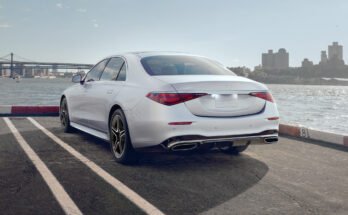
Trim levels differ mainly by engine power, luxury features, and available technology.
I have driven and compared S-Class models for years. Here I explain What are the differences between Mercedes-Benz S-Class trim levels? in clear, practical detail to help you choose the right S-Class.
49% off Today's Exclusive Deals
Limited-time Exclusive Deals. Check current discount on Amazon.
Check Price on Amazon As an Amazon Associate I earn from qualifying purchases.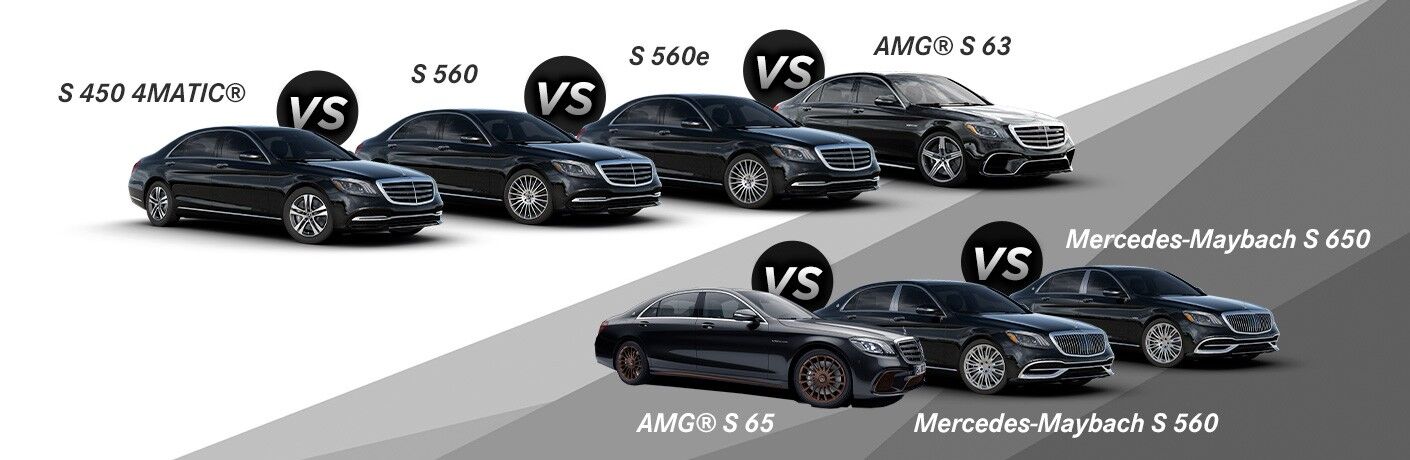
Overview of S-Class trim structure
The S-Class is Mercedes-Benz’s flagship sedan line. Trim levels set the tone for power, luxury, and tech. Knowing What are the differences between Mercedes-Benz S-Class trim levels? helps you match needs and budget.
Trim names vary by market and year. Common trims include:
49% off Today's Exclusive Deals
Limited-time Exclusive Deals. Check current discount on Amazon.
Check Price on Amazon As an Amazon Associate I earn from qualifying purchases.- S 450 or S 500 — entry to mid-level luxury with refined engines.
- S 580 — higher power and more features as standard.
- S 580e or S-Class hybrid — plug-in hybrid for better economy.
- Maybach S-Class — ultra-luxury with extended rear comfort and bespoke options.
- AMG S 63 / S 65 or AMG variants — performance-focused with sport tuning.
Each step up adds power or luxury. Each also raises price and running costs. When you ask What are the differences between Mercedes-Benz S-Class trim levels? think of three axes: engine, interior, and tech.
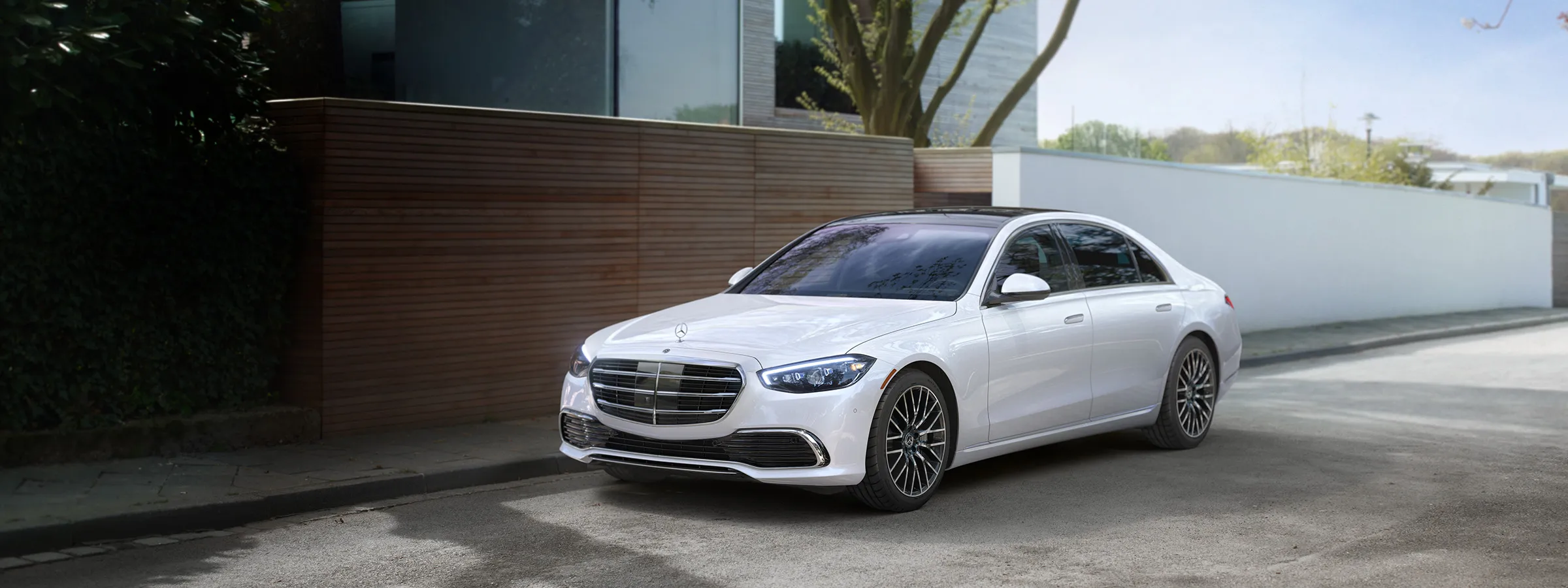
Engines and performance differences
Engines separate trims the most. Lower trims use smooth V6 or inline-six engines. Higher trims use V8s or hybrid-assisted V8s.
Key differences to expect:
49% off Today's Exclusive Deals
Limited-time Exclusive Deals. Check current discount on Amazon.
Check Price on Amazon As an Amazon Associate I earn from qualifying purchases.- Power and torque — higher trims produce much more horsepower and torque.
- Drive feel — AMG and higher trims tune suspension and steering for sport or comfort.
- Hybrid options — plug-in hybrids add electric range and better fuel economy.
When you consider What are the differences between Mercedes-Benz S-Class trim levels? focus on daily driving needs. If you want quiet, efficient driving, a mid trim or hybrid is ideal. If you seek sporty response, look to AMG or top V8 trims.

Interior, comfort, and technology differences
Interior changes are obvious as you move up trims. Materials, seat functions, and space grow richer.
What to compare:
- Seat type and massage functions — higher trims add more massage modes and air-adjust features.
- Trim materials — wood, aluminum, and open-pore finishes differ by level, with Maybach using bespoke leather and veneers.
- Infotainment — higher trims often bundle the largest screens, premium sound systems, and rear entertainment.
- Rear comfort — long-wheelbase or Maybach trims add rear legroom, recline, and executive controls.
Ask What are the differences between Mercedes-Benz S-Class trim levels? to see how much comfort matters to you. For long trips, rear-seat luxury is a big differentiator.

Safety, driver assistance, and convenience features
Mercedes packs advanced safety tech into the S-Class. But not every feature is standard on every trim.
Typical differences:
- Standard vs optional packages — many advanced driver assists are optional on lower trims.
- Sensors and extras — top trims may include extra cameras, LIDAR-ready systems, or enhanced night vision.
- Autonomous driving features — higher trims often enable more robust hands-free drive modes where legal.
Think about what you need now and later. If safety pack options matter, read trim spec sheets closely to learn What are the differences between Mercedes-Benz S-Class trim levels? and what is included versus optional.
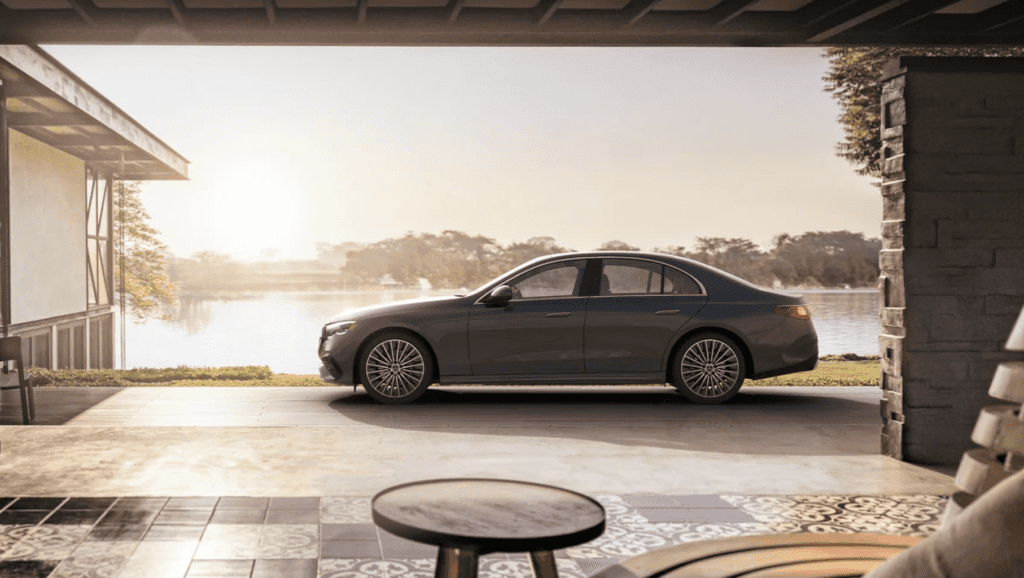 ownership costs, and resale”
style=”max-width: 100%; height: auto; border: 2px solid black; border-radius: 10px; display: block; margin: 0 auto;”
loading=”lazy”
/>
Pricing, ownership costs, and resale
Trim level has a big impact on price and running costs. A small option bundle can shift value significantly.
Cost factors to weigh:
- Base price gap — higher trims can cost tens of thousands more at purchase.
- Options and packages — adding luxury packages raises both sticker and resale.
- Fuel, maintenance, and insurance — powerful engines and AMG tuning increase costs.
- Depreciation — some trims hold value better, like well-equipped non-extreme AMG models and limited Maybach editions.
When someone asks What are the differences between Mercedes-Benz S-Class trim levels? include long-term cost thinking. The initial joy can turn into heavy bills if you pick a high-power trim without planning.
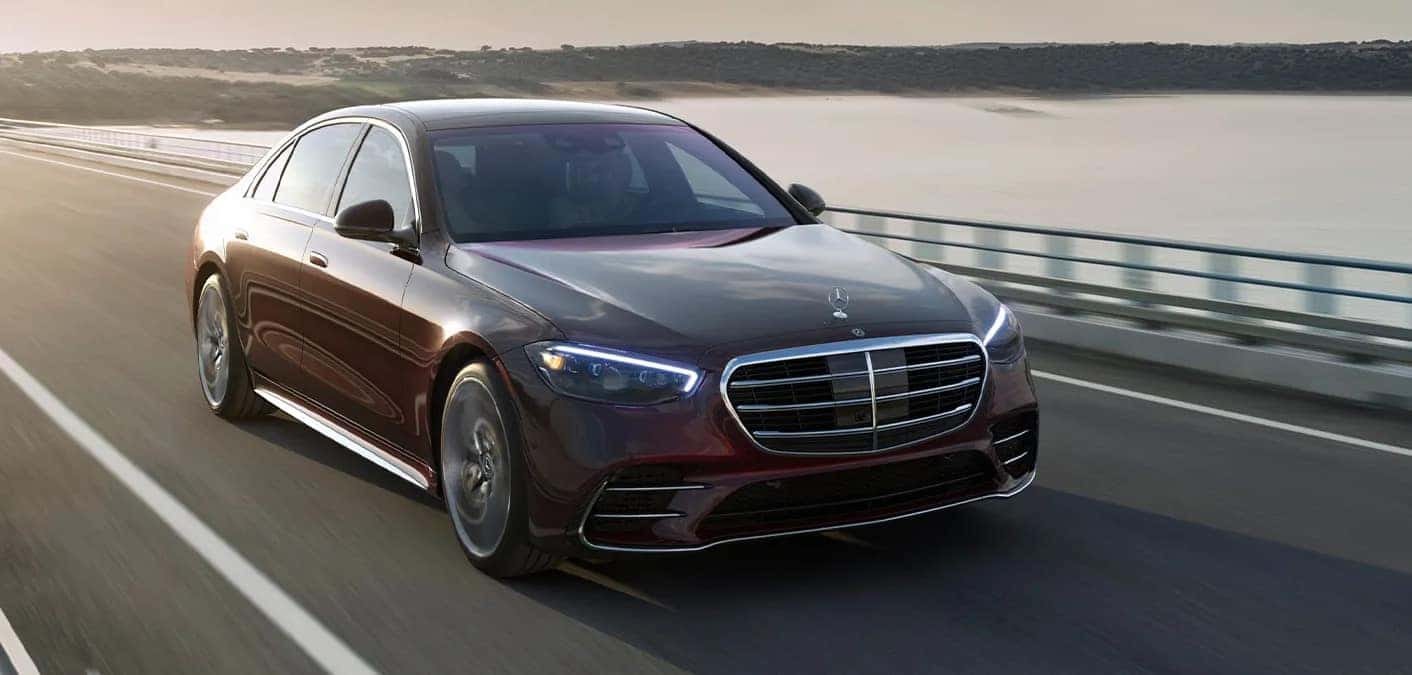
How to choose the right trim for you
Selecting a trim is a practical choice. Match real needs with the trim’s strengths.
Simple steps:
- List top priorities — comfort, performance, fuel economy, or prestige.
- Set a firm budget — include insurance and fuel estimates.
- Test drive trims — evaluate real differences in ride and noise.
- Compare feature lists — note what is standard and what requires packages.
PAA-style questions you might ask:
What are the differences between Mercedes-Benz S-Class trim levels? Look at engine, tech, and rear-seat features. That tells you most of what you need.
Which trim is best for city driving? Mid-level or hybrid trims often suit city use best because they balance comfort and economy.
Is the Maybach worth it? If you want top rear-seat luxury and prestige, Maybach is a clear step up.
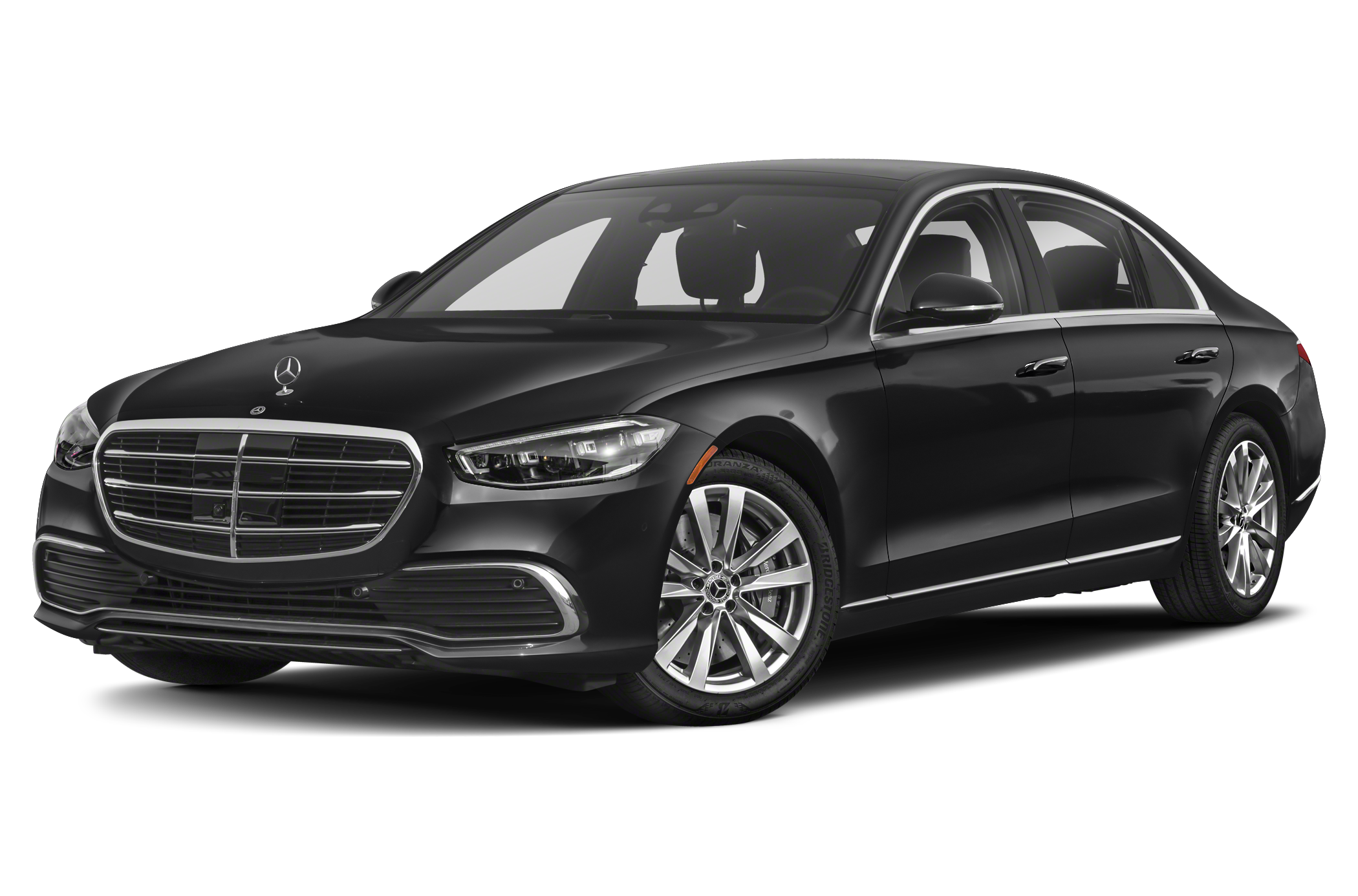
Personal experience and practical tips
I have spent hours in S-Class cabins and driven several trims on highways. Small differences add up.
Lessons I learned:
- Test higher trims on long routes to feel seat and suspension comfort.
- Ask dealers for a full options list in writing. Some features look standard but are optional.
- Consider certified pre-owned for higher trims to save money while getting features.
When people ask What are the differences between Mercedes-Benz S-Class trim levels? I tell them to seat test and check real-world fuel figures. That avoids buyer’s remorse.
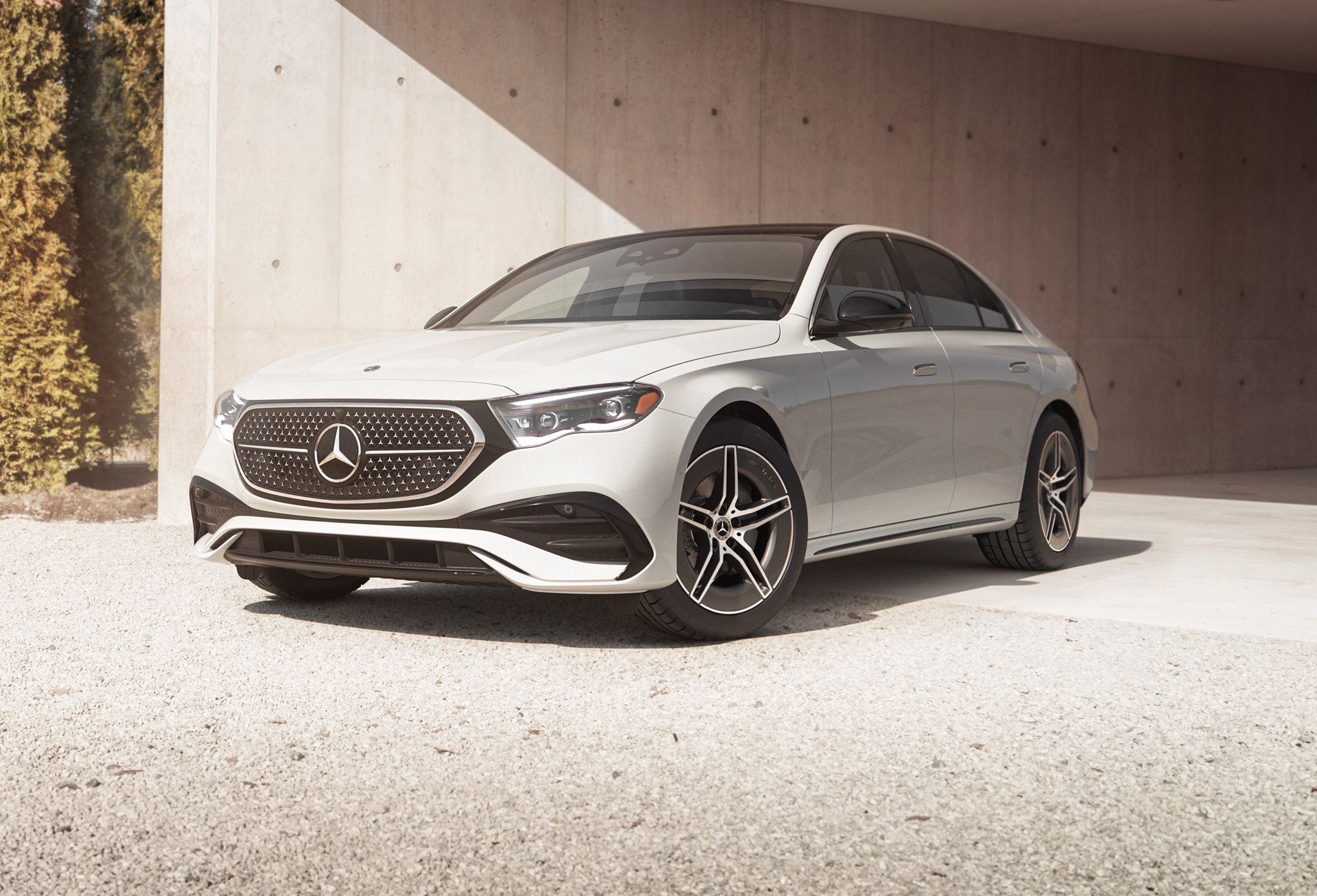
Frequently Asked Questions about What are the differences between Mercedes-Benz S-Class trim levels?
What basic trims does the S-Class offer?
The S-Class typically offers a base S model, higher S 500/580 trims, a hybrid option, Maybach, and AMG performance variants. Each level steps up in power, comfort, and standard features.
How much more powerful is an AMG S-Class?
AMG trims boost power substantially, often by 100+ horsepower over non-AMG V8 trims, and include tuned suspension and brakes. They focus on sport performance and sharper handling.
Are hybrid S-Class models worth it?
Hybrids deliver better fuel economy and electric-only driving for short trips, making them worth it for city drivers seeking economy and smooth power. They can have slightly less trunk space due to battery packaging.
Does Maybach only add cosmetic upgrades?
Maybach adds far more than cosmetics. It offers extended wheelbase, elite rear-seat comfort, exclusive materials, and bespoke options for a truly different cabin experience. It is a top-tier luxury choice.
Can I get all safety features on a base S-Class?
Many safety features can be added to lower trims, but some advanced systems may be standard only on higher trims or in optional packages. Always check the standard and optional feature lists for the exact model year.
How do trim differences affect resale value?
Well-equipped trims with popular options tend to hold value better. Extreme performance trims can depreciate faster due to higher running costs and limited buyer pools.
Conclusion
Understanding What are the differences between Mercedes-Benz S-Class trim levels? helps you buy with confidence. Focus on engine needs, interior features, safety tech, and long-term costs. Test drive the trims you shortlist and compare full option lists before deciding. If you want advice on specific model years or a tailored comparison, leave a comment or subscribe for a detailed model-by-model guide.