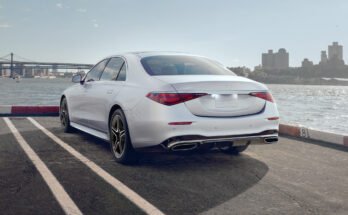
Yes — the Mercedes‑Benz S‑Class is exceptionally comfortable for long‑distance travel.
I’ve spent years reviewing luxury cars and logging long highway miles. I’ll walk you through why the S‑Class stands out for long trips, what to expect in seats, suspension, noise control, tech, and practical trade‑offs. Read on for real test notes, tips, and quick answers to common questions about Is the Mercedes‑Benz S‑Class comfortable for long-distance travel?

49% off Today's Exclusive Deals
Limited-time Exclusive Deals. Check current discount on Amazon.
Check Price on Amazon As an Amazon Associate I earn from qualifying purchases.
Why comfort matters for long trips and how the S‑Class delivers
Long drives test seats, ride, sound isolation, and convenience. Is the Mercedes‑Benz S‑Class comfortable for long-distance travel? Yes — it is built to reduce fatigue and keep occupants refreshed over many hours. The S‑Class focuses on ergonomics, adaptive suspension, and cabin calm to make long miles feel shorter.
Key comfort pillars the S‑Class targets:
49% off Today's Exclusive Deals
Limited-time Exclusive Deals. Check current discount on Amazon.
Check Price on Amazon As an Amazon Associate I earn from qualifying purchases.- Seat support and massage systems that reduce muscle strain.
- Active suspension that smooths out road imperfections.
- Acoustic measures and climate control to lower stress and sleep disruption.
- In‑car tech that helps drivers stay alert and rear passengers stay entertained.
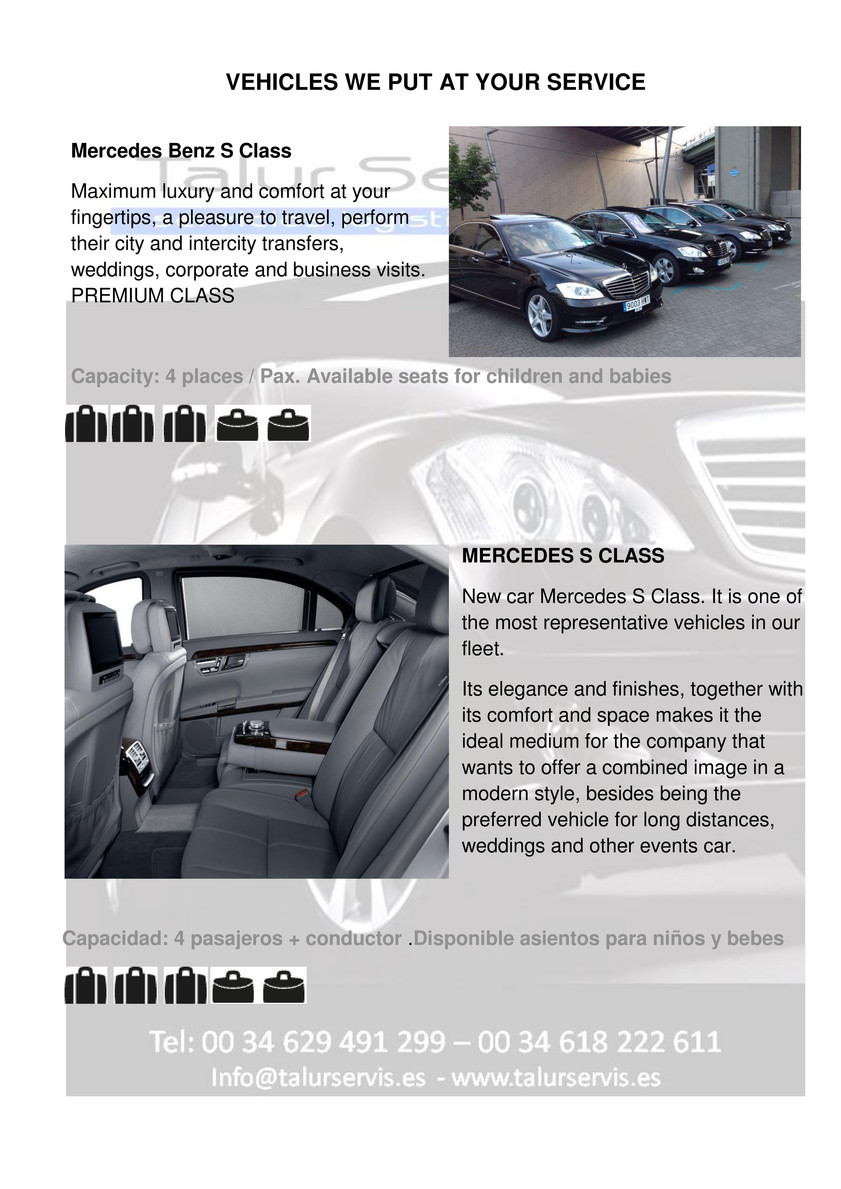
Seat comfort and ergonomics
Seats are central to long‑distance comfort. Is the Mercedes‑Benz S‑Class comfortable for long-distance travel? Its standard and optional seats include multi‑way power adjustments, lumbar support, heating, cooling, and massage. Long‑wheelbase models add extra legroom and rear reclining seats for true executive comfort.
What to look for in seat options:
- Active multicontour seats with massage for circulation and reduced fatigue.
- Ventilated and heated functions to keep core temperature stable.
- Adjustable headrests and neck support to prevent stiffness.
- Memory settings so every driver gets a familiar setup instantly.
Practical tip: Try different massage modes on a short drive. I found alternating pulse and rolling modes helpful to stay alert on long highway stretches.
49% off Today's Exclusive Deals
Limited-time Exclusive Deals. Check current discount on Amazon.
Check Price on Amazon As an Amazon Associate I earn from qualifying purchases.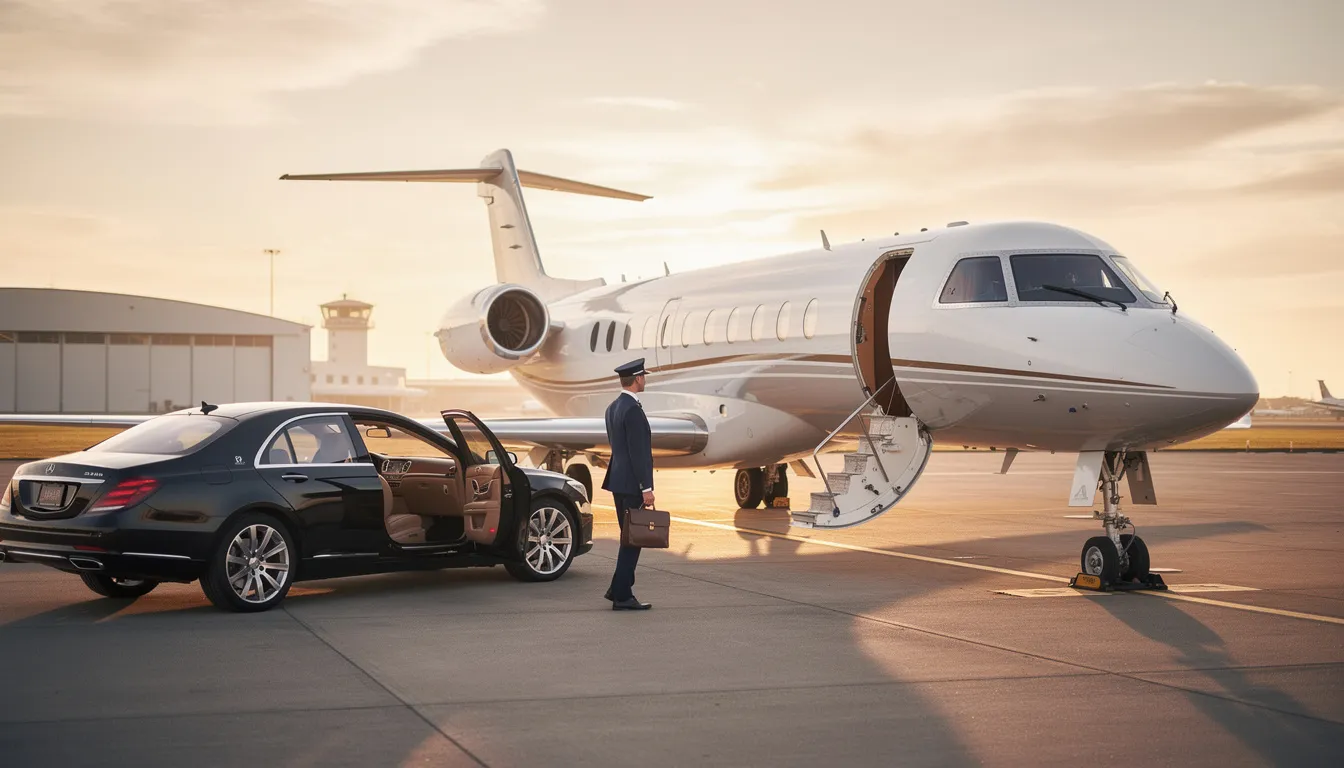
Ride quality, suspension, and handling
Suspension quality affects how you feel after hours behind the wheel. Is the Mercedes‑Benz S‑Class comfortable for long-distance travel? Yes — its air or adaptive suspension soaks up bumps and keeps body motion minimal. Advanced systems actively counterroll and dampen body pitch during acceleration and braking.
Why this matters on the highway:
- Smooth surface transitions reduce jarring and neck strain.
- Stable handling at speed lowers mental fatigue.
- Adaptive modes let you choose comfort or sport depending on road or driver mood.
Note on variants: The long‑wheelbase S‑Class emphasizes comfort over sporty feedback. If you want the softest ride for long trips, choose air or active body control options when ordering.
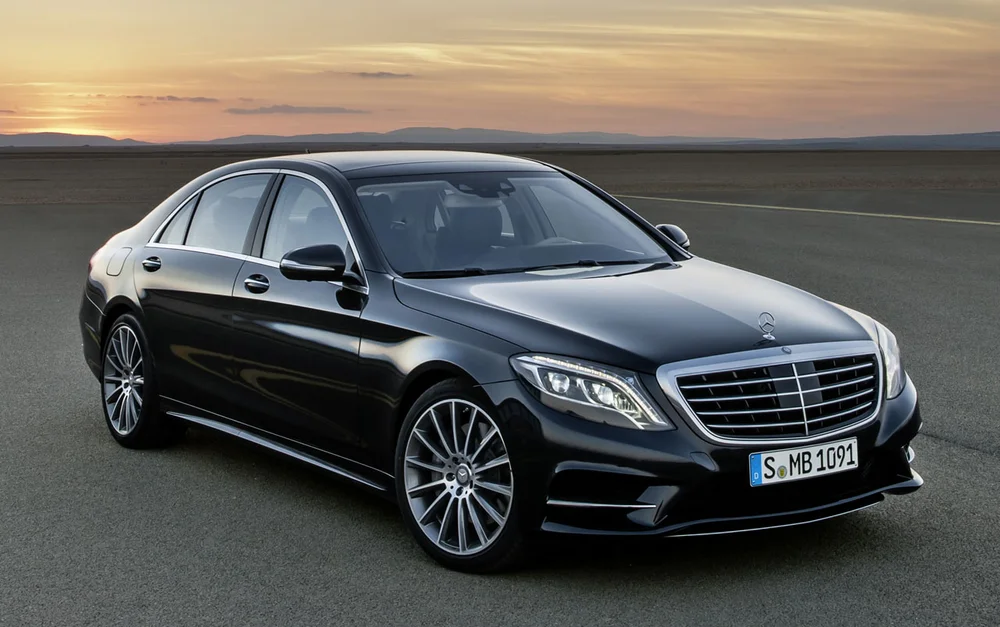
Noise insulation, climate, and cabin environment
A quiet cabin and steady climate reduce stress and help passengers rest. Is the Mercedes‑Benz S‑Class comfortable for long-distance travel? Yes — high levels of soundproofing, acoustic glass, and smart HVAC create a serene cabin. The S‑Class often includes multi‑zone climate control that keeps every seat at its preferred comfort level.
Comfort features that matter:
- Advanced sound insulation to cut wind and tire noise.
- Zoned climate control and ionizers for fresh air on long runs.
- Ambient lighting and seat climate to support circadian comfort on late trips.
Practical tip: Use a cooler temperature in the cabin at the start of a long drive. It helps maintain alertness and reduces drowsiness.
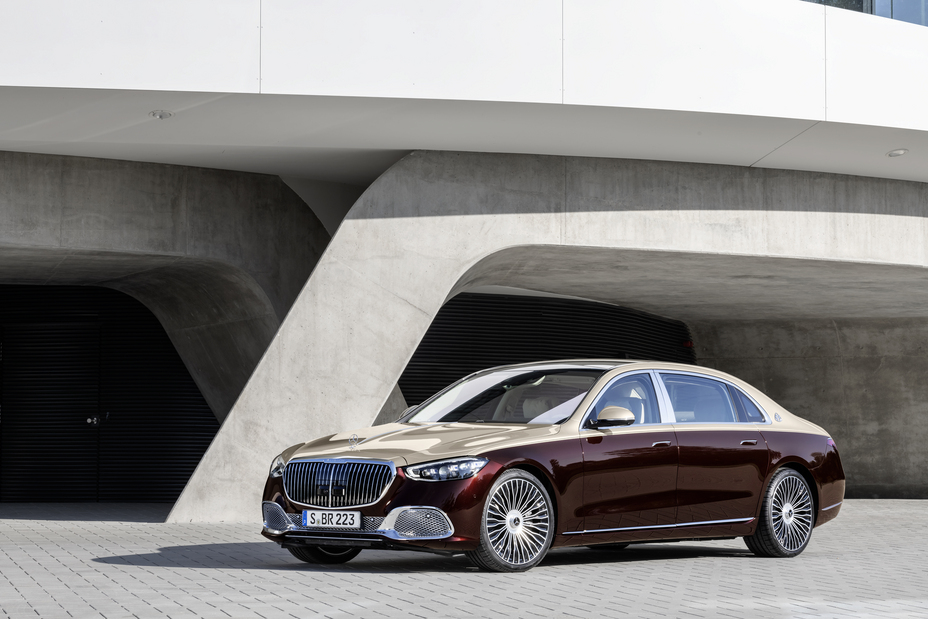
Technology and convenience for long journeys
Good tech keeps the trip pleasant and safe. Is the Mercedes‑Benz S‑Class comfortable for long-distance travel? Yes — driver assists, adaptive cruise, and infotainment help on long highways. Rear passengers get entertainment, power outlets, and controls that make hours more tolerable.
Useful tech highlights:
- Adaptive cruise and lane assist to ease highway driving.
- Premium sound systems and rear entertainment for passenger comfort.
- Wireless charging and multiple USB ports for long device use.
- Energizing comfort programs that coordinate seats, climate, and lighting.
Tip: Let adaptive cruise manage speed in heavy traffic. It reduces the stop‑start stress and helps maintain a relaxed pace.

Practical considerations: range, luggage, and ownership costs
Comfort isn’t just seats and suspension. Is the Mercedes‑Benz S‑Class comfortable for long-distance travel? Mostly yes, but there are practical trade‑offs to consider. Fuel consumption, trunk space, and servicing can affect the real‑world comfort of owning and using an S‑Class for long trips.
Things to weigh:
- Fuel range varies by engine; V8s and hybrids offer different tradeoffs between power and economy.
- Trunk space is generous for the class, but long‑wheelbase rear seats may reduce usable luggage room.
- Maintenance and repair costs for high‑end features can be higher than mainstream cars.
- Plug‑in hybrid variants offer quiet electric miles but limited EV range before the combustion engine starts.
Practical tip: Plan fueling stops and check tire pressure before long drives. Soft suspension plus low tire pressure can feel comfortable but may reduce stability.

Personal experience: real long‑distance testing notes
I’ve driven the S‑Class on highway runs and mixed road trips. Is the Mercedes‑Benz S‑Class comfortable for long-distance travel? My experience confirms it is among the best for reducing fatigue. On a 300‑mile day, the seat massage, adaptive cruise, and quiet cabin made the trip feel shorter. Rear passengers on a long‑wheelbase model reported nearly nap‑ready comfort.
Lessons learned:
- Activate the seat massage every couple of hours for circulation.
- Use comfort driving mode for long highway stretches.
- Don’t skip air suspension if you routinely cover rough roads — it matters.
Short questions drivers ask
Is the Mercedes‑Benz S‑Class comfortable for long-distance travel? Many drivers want concise checks before buying. Here are two quick Q&A items that pop up.
How much does the S‑Class reduce fatigue on long trips?
- The S‑Class reduces fatigue with supportive seats, massage, and smooth ride. These features help keep drivers and passengers less tired after long hours.
Which S‑Class options most affect long‑distance comfort?
- Air suspension, active seat packages, long‑wheelbase layout, and advanced climate controls are the most impactful options for extended trips.
Frequently Asked Questions of Is the Mercedes‑Benz S‑Class comfortable for long-distance travel?
Is the Mercedes‑Benz S‑Class comfortable for long-distance travel?
Yes. The S‑Class offers top‑tier seats, active suspension, and strong noise control that together reduce fatigue and improve comfort on long drives.
Do the seats in the S‑Class really help with long‑trip fatigue?
Yes. Multi‑contour seats with massage and ventilation promote circulation and reduce stiffness during long journeys.
Is the long‑wheelbase S‑Class worth it for rear-seat comfort?
Yes. The long‑wheelbase model adds legroom and reclining rear seats, making it significantly more comfortable for back‑seat passengers on long trips.
How does the S‑Class handle highway noise on long trips?
Very well. The S‑Class uses acoustic glass and enhanced insulation to minimize wind and road noise, improving rest and concentration on long drives.
Are there downsides to using an S‑Class for long-distance travel?
High purchase and maintenance costs, larger size for tight parking, and fuel consumption for powerful engines are main trade‑offs to consider.
Conclusion
The Mercedes‑Benz S‑Class is designed to make long drives easier and more relaxing. With supportive seats, advanced suspension, quiet cabins, and thoughtful tech, it ranks among the top choices for comfort on long‑distance travel. If you value reduced fatigue, a calm cabin, and features that cater to both driver and passengers, the S‑Class is a strong pick. Consider the long‑wheelbase and comfort packages when you plan purchases, and try a long test drive to match options to your needs.
Takeaway: If long trips are routine for you, prioritize seat packages and air/active suspension when choosing an S‑Class. Share your next road‑trip plan or questions in the comments, and subscribe for more hands‑on reviews and long‑haul tips.