Most Mercedes‑Benz S‑Class models perform best on premium gasoline (91 AKI or higher).
Does the Mercedes‑Benz S‑Class require premium gasoline? I’ve worked on and driven several S‑Class models over the years, and I know how engine design, octane needs, and manufacturer guidance shape fuel choices. This guide walks you through why premium is often recommended, when regular might be acceptable, the real costs and risks, and clear, practical steps you can take to protect performance and your wallet.

49% off Today's Exclusive Deals
Limited-time Exclusive Deals. Check current discount on Amazon.
Check Price on Amazon As an Amazon Associate I earn from qualifying purchases.
Why the question "Does the Mercedes‑Benz S‑Class require premium gasoline?" matters
Owners ask this because modern engines are tuned tight. The S‑Class uses precise ignition timing and high compression in many models. Using the wrong fuel can lower power, hurt mileage, or trigger engine knock. Knowing whether your S‑Class needs premium helps you avoid damage and save money.
49% off Today's Exclusive Deals
Limited-time Exclusive Deals. Check current discount on Amazon.
Check Price on Amazon As an Amazon Associate I earn from qualifying purchases.How octane and engine tech affect S‑Class performance
Octane stops premature detonation. Higher octane helps advanced timing and boost in turbo engines. Many S‑Class engines use turbochargers and direct injection. They also have knock sensors that can retune timing if low octane is used. Retuning protects the engine but can lower power and efficiency.

Manufacturer recommendations and model differences
Does the Mercedes‑Benz S‑Class require premium gasoline? The short manufacturer answer for most S‑Class variants is yes. Factory manuals normally list premium gasoline as recommended for optimal performance. High‑performance AMG models almost always call for premium gas only. Hybrid or mild‑hybrid S‑Class units often still favor higher octane for peak efficiency.

49% off Today's Exclusive Deals
Limited-time Exclusive Deals. Check current discount on Amazon.
Check Price on Amazon As an Amazon Associate I earn from qualifying purchases.What happens if you use regular gas in an S‑Class?
Using lower octane than recommended can cause these outcomes:
- Reduced power and slower acceleration due to timing retard.
- Lower fuel economy when the ECU compensates.
- Possible long‑term stress if knock occurs often, though knock sensors help prevent immediate damage.
Modern S‑Class cars often limp through one tank of regular without catastrophic harm. But repeated use risks deposits, higher repair needs, and lost performance.

When regular gasoline may be acceptable
You can sometimes use regular in an S‑Class without major harm. Examples:
- Emergency fill‑ups when premium is not available.
- Very old S‑Class models with lower compression that list regular as acceptable.
- Short trips where you return to premium fueling soon.
Still, check the owner’s manual and the fuel filler cap label. Those rules override general advice.

Cost analysis: premium vs regular for the S‑Class
Premium costs more per gallon. But output and efficiency matter too. Using premium can:
- Preserve designed power and smoothness.
- Maintain better miles per gallon in many S‑Class engines.
- Reduce risk of engine wear tied to knock.
Do the math: if premium improves MPG and keeps the engine tuned, it can offset the higher price. For many owners, the performance and long‑term value justify premium fuel.
My experience fueling Mercedes‑Benz S‑Class vehicles
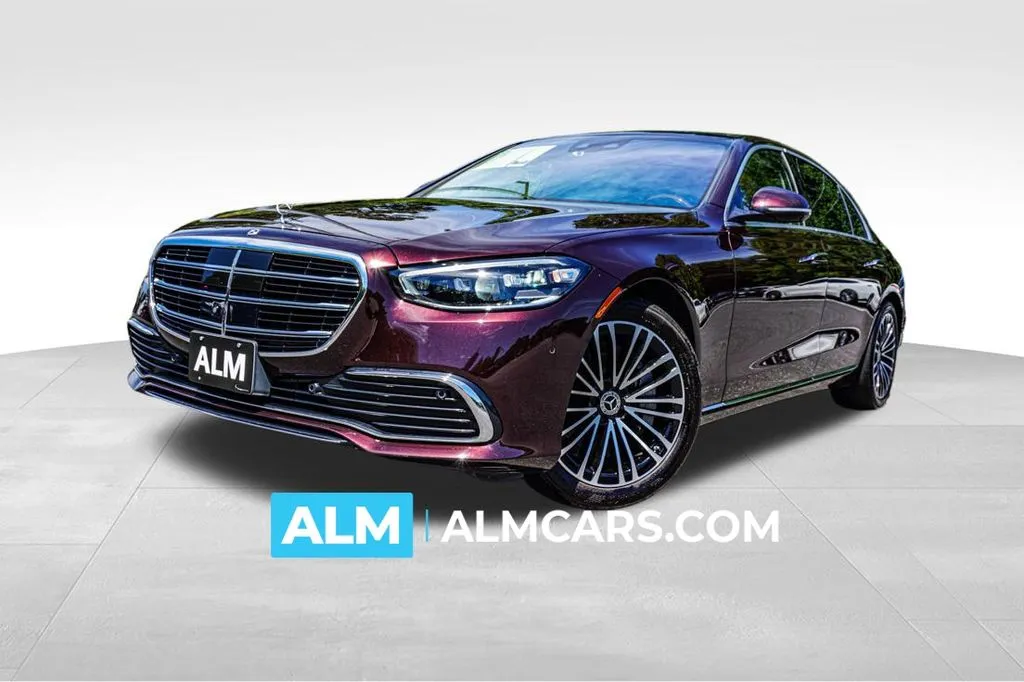
I’ve driven S‑Class cars across city and highway miles. On a long trip with regular gas, my car felt slower and down a gear. After a tank of premium, responsiveness and MPG returned. One lesson: don’t test limits on premium‑demanding cars. Follow the manual and use top‑tier fuel when you want the car to feel like it should.
/2026-S-SEDAN-IH-5.jpg)
Practical tips: fueling, maintenance, and savings
Follow these steps to protect your S‑Class:
- Always check the owner’s manual and filler cap for octane guidance.
- Use premium when the manual recommends 91 AKI or higher.
- In an emergency, a tank of regular is okay briefly; refill with premium at the next stop.
- Use top‑tier branded fuels occasionally to reduce deposit build‑up.
- Keep tune‑ups and fuel system cleaning on schedule to maintain efficiency.
Also consider fuel cards or loyalty programs to lower premium cost. Small savings add up for high‑consumption luxury cars.
Common engine and fuel terms made simple
Here are a few terms you may see:
- Octane: a measure of fuel’s resistance to knock.
- Knock: engine ping caused by early combustion.
- AKI/RON: different octane scales. In the U.S., look for 91+ AKI for premium.
- Knock sensor: part that alerts the engine computer to reduce timing.
Understanding these helps you make smart fuel choices for your S‑Class.
Frequently Asked Questions
Does the Mercedes‑Benz S‑Class require premium gasoline?
Most S‑Class models recommend or require premium gasoline for full performance and efficiency. Check the owner’s manual for your exact model.
What octane rating should I use in an S‑Class?
Use the octane rating listed in your owner’s manual, commonly 91 AKI or higher for many S‑Class engines. AMG and high‑output variants usually require premium only.
Can I use regular gas in an S‑Class for short trips?
Yes, in emergencies a tank of regular can get you to a proper station, but do not make this a habit if the manual recommends premium. Repeated use can reduce performance and fuel economy.
Will using regular gas damage my S‑Class immediately?
Modern S‑Class cars have knock sensors to protect the engine, so immediate catastrophic damage is rare. Long‑term use of lower octane can cause stress, efficiency loss, and potential repairs.
How can I save money while using premium fuel?
Look for fuel rewards, buy from stations with top‑tier fuel, and keep up with maintenance to keep MPG high. Also plan trips to avoid idling and excess fuel use.
Conclusion
Most Mercedes‑Benz S‑Class models are best served by premium gasoline. Using the right octane keeps the engine running smoothly, preserves performance, and can save money over time through better efficiency and fewer repairs. If you own or plan to buy an S‑Class, read the owner’s manual, use premium when recommended, and treat fuel choice as part of regular care. Try this: check your filler cap now, note the octane recommendation, and plan your next fill‑up accordingly. Share your experiences or questions in the comments and subscribe for more clear, practical car advice.