Are you curious if a Porsche 911 engine can fit inside your Porsche 914? You’re not alone.
Many car enthusiasts dream about boosting their 914’s power with the legendary 911 engine. But is it really possible? And what challenges might you face along the way? You’ll discover the truth behind this popular engine swap, what you need to know before starting, and whether it’s worth the effort.

49% off Today's Exclusive Deals
Limited-time Exclusive Deals. Check current discount on Amazon.
Check Price on Amazon As an Amazon Associate I earn from qualifying purchases.Keep reading to find out if your Porsche 914 can truly become a 911 powerhouse.
Porsche 914 And 911 Engine Basics
The Porsche 914 and 911 are two classic sports cars with different engine designs. Understanding their engine basics helps to know if a 911 engine fits in a 914. Each car has unique features and engineering approaches.
The 914 was made as an affordable, lightweight car with a mid-engine layout. The 911 is a high-performance car with a rear-engine design. Their engines reflect these differences in size and placement.
49% off Today's Exclusive Deals
Limited-time Exclusive Deals. Check current discount on Amazon.
Check Price on Amazon As an Amazon Associate I earn from qualifying purchases.Key Differences In Engine Design
The Porsche 914 uses a flat-four or flat-six engine. It is compact and designed for balance. The 911 uses a flat-six engine with more power and size. Its design focuses on performance and cooling.
The 914 engine is air-cooled or water-cooled, depending on the model. The 911 engines are mostly air-cooled in classic models. Engine parts like the intake and exhaust differ greatly between both cars.
Dimensions And Mounting Points
The size of the 911 engine is larger than the 914 engine. The 911 engine is longer and heavier. The 914 engine bay is smaller and shaped differently.
Mounting points on the 914 are designed for its specific engine. The 911 engine mounts do not match the 914 layout. Modifications are needed to fit a 911 engine into a 914 chassis.
49% off Today's Exclusive Deals
Limited-time Exclusive Deals. Check current discount on Amazon.
Check Price on Amazon As an Amazon Associate I earn from qualifying purchases.Compatibility Challenges
Swapping a Porsche 911 engine into a Porsche 914 creates many challenges. The two cars have very different designs. These differences make fitting the engine tricky. Several parts need careful adjustment or replacement. Understanding these issues helps plan a successful swap.
Engine Bay Space Constraints
The Porsche 914 has a smaller engine bay than the 911. The 911 engine is larger and heavier. It may not fit without changes. Modifying the frame or engine mounts becomes necessary. Clearance for cooling and exhaust must be checked. Space limits affect how the engine sits and works.
Transmission And Drivetrain Issues
The 911 engine uses a different transmission system. The 914’s drivetrain is not designed for this setup. Adapting the transmission requires custom parts. The driveshaft and axles often need modification. Proper alignment is key to avoid damage. These changes take time and mechanical skill.
Electrical System Adaptations
The electrical systems in the 911 and 914 differ greatly. Wiring harnesses may not match the new engine’s needs. Sensors and control units might need upgrades or replacements. Electrical connections must be secure and compatible. Without proper wiring, the engine won’t run well. Expert help may be needed for this step.
Necessary Modifications
Swapping a Porsche 911 engine into a Porsche 914 requires several key changes. The two cars have different designs and parts. These differences mean the engine won’t fit perfectly without some work. Modifications help the engine sit properly and run well in the 914.
Custom Engine Mount Fabrication
The engine mounts in a Porsche 914 are not made for a 911 engine. You must build new mounts to hold the engine securely. These mounts keep the engine stable and reduce vibrations. Proper mounting also protects other parts of the car from damage.
Cooling System Upgrades
The Porsche 911 engine produces more heat than the 914 engine. The original cooling system is not enough. Upgraded radiators and fans help keep the engine temperature safe. Good cooling prevents overheating and engine failure.
Exhaust And Fuel System Changes
The exhaust pipes need adjustment to fit the new engine layout. Custom exhaust work improves performance and sound. The fuel system also needs changes to match the 911 engine’s demands. New fuel lines and pumps ensure the engine gets enough fuel.
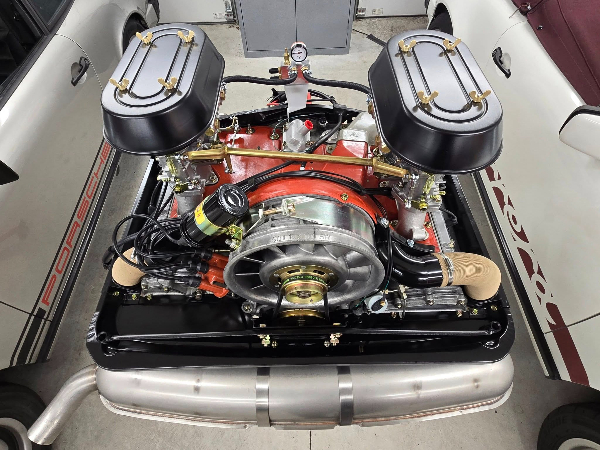
Tools And Parts Required
Swapping a Porsche 911 engine into a Porsche 914 needs careful preparation. The right tools and parts help make the process smoother. Without proper equipment, the swap can be difficult and risky. Knowing what tools and parts are necessary saves time and effort.
Specialized Tools List
Engine swaps require more than basic tools. A quality engine hoist is essential for lifting the heavy engine safely. Torque wrenches ensure bolts are tightened to exact specs. A set of metric sockets and wrenches fits the German car bolts well. Engine stand helps hold the engine during work. Electrical testing tools check wiring and connections. Alignment tools assist in fitting the engine and transmission properly. A good workshop manual guides the use of all tools and procedures.
Sourcing Compatible Components
Not all Porsche 911 parts fit the 914 directly. Engine mounts often need modification or special adapters. Custom exhaust systems may be required for clearance and performance. Wiring harnesses might need changes to connect sensors and controls. Cooling system parts must suit the new engine’s layout. Fuel delivery parts, like pumps and lines, must match engine needs. Brakes and suspension upgrades can help handle the new engine’s power. Finding quality used or aftermarket parts saves money without sacrificing reliability.
Step-by-step Installation Process
Installing a Porsche 911 engine into a Porsche 914 requires careful steps. Each stage ensures the engine fits correctly and works safely. Follow this guide to understand the process clearly.
Engine Removal From 914
First, disconnect the battery to avoid electric shocks. Remove the rear hood to access the engine. Drain all fluids like oil and coolant. Detach the exhaust system and wiring harness carefully. Unbolt the engine mounts and transmission. Use an engine hoist to lift the engine out slowly and safely.
Preparing The 911 Engine
Check the 911 engine for any damages or leaks. Replace worn parts to ensure reliability. Adjust engine mounts to fit the 914 frame. Transfer necessary components like the alternator and fuel system. Clean the engine bay to make installation easier. Align the engine and transmission for smooth connection.
Fitting And Securing The Engine
Lower the 911 engine into the 914 engine bay gently. Bolt the engine mounts tightly to prevent movement. Connect the transmission securely to the driveshaft. Reattach the wiring harness and fuel lines carefully. Install the exhaust system designed for this setup. Double-check all connections and bolts for strength.
Final Checks And Testing
Fill the engine with new oil and coolant. Reconnect the battery and test the electrical system. Start the engine and listen for unusual sounds. Check for leaks or loose parts around the engine. Test drive the car at low speed to confirm stability. Make adjustments if needed to ensure proper function.
Performance And Driving Impact
Swapping a Porsche 911 engine into a Porsche 914 changes how the car drives and performs. The two cars have different designs, so the engine swap affects power, handling, and reliability. Understanding these changes helps set realistic expectations for the swap and the driving experience.
Power And Handling Differences
The Porsche 911 engine offers more power than the 914’s original engine. This gives the 914 faster acceleration and higher top speed. The extra power makes the car feel more responsive on the road. But the 914’s lighter frame and different suspension can cause handling changes.
The 914 was built with a mid-engine layout, while the 911 has a rear-engine setup. Installing a 911 engine shifts the car’s weight distribution. This can make the car feel unbalanced or harder to control. Drivers may notice more oversteer or understeer depending on the setup. Suspension upgrades might be needed to improve cornering and stability.
Potential Reliability Concerns
Fitting a 911 engine into a 914 requires custom work. The engine mounts, cooling system, and wiring often need modification. These changes can lead to reliability issues if not done correctly. Heat management is critical, as the 911 engine runs hotter than the original 914 engine.
Parts compatibility can also be a challenge. Some components may wear faster or fail due to the different stresses. Regular maintenance and careful inspection become more important after the swap. Choosing quality parts and professional installation helps reduce risks.
Legal And Insurance Considerations
Swapping a Porsche 911 engine into a Porsche 914 is a popular project for car enthusiasts. Yet, legal and insurance rules play a big role. Ignoring these rules can cause trouble with authorities or insurance companies. Understanding these aspects helps keep your project safe and legal.
Registration And Emissions Compliance
Engine swaps often change a car’s original setup. This affects registration and emissions rules. Many states require inspections to check if the new engine meets emissions standards. The 911 engine is more powerful and may produce more emissions than the original 914 engine.
Failing to meet emissions rules can stop your car from being registered. Some areas need special permits or certifications for engine swaps. Always check local laws before starting the swap. Proper documentation helps avoid fines and keeps your car street legal.
Insurance Policy Adjustments
Insurance companies must know about major changes to your car. An engine swap changes the car’s value and risk level. Not reporting these changes can void your insurance policy. This leaves you unprotected in case of accidents or theft.
Contact your insurer before or after the engine swap. They may adjust your premium based on the new engine. Some insurers offer coverage specifically for modified cars. Clear communication with your insurance company ensures proper coverage.
Cost And Time Estimates
Swapping a Porsche 911 engine into a Porsche 914 involves both cost and time. Understanding these helps plan the project well. Budget and timeline depend on parts, labor, and unexpected issues.
Estimating money and time in advance reduces stress. It also keeps the project on track.
Budgeting For Parts And Labor
Parts for the 911 engine swap can be pricey. The engine itself costs a lot. Additional parts like mounts, wiring, and exhaust are needed too. Expect to spend on new or refurbished components.
Labor is another big cost. Skilled mechanics charge hourly rates. The swap requires precision work and tuning. Labor costs vary by location and shop.
Always add extra funds for surprises. Old cars often hide unexpected problems. A solid budget covers all these needs.
Expected Project Timeline
The timeline for this swap varies widely. Simple swaps may take a few weeks. Complex fits and custom work can extend months.
Engine removal, installation, and wiring take time. Testing and tuning add extra days. Delays happen due to part availability or technical challenges.
Planning for two to three months is realistic. Staying patient ensures quality results and fewer mistakes.
Alternatives To Engine Swap
Swapping a Porsche 911 engine into a Porsche 914 is a popular idea, but not the only way to boost performance. Many owners choose other options to improve power and reliability. These alternatives can be easier, cheaper, and more practical. Exploring different methods can help you find the best fit for your 914 without major modifications.
Upgrading Original 914 Engines
The original Porsche 914 engines can be improved to deliver better power. Simple upgrades include installing a higher-performance camshaft or a better carburetor. These changes increase airflow and fuel delivery, helping the engine breathe better. Upgrading ignition systems and exhaust can also add horsepower. These tweaks keep the car more reliable and maintain its classic feel.
Rebuilding the original engine with stronger parts can improve durability. Using forged pistons and upgraded valves can help the engine handle more power. This path avoids the complexity of fitting a completely different engine. It also keeps the car lighter, which improves handling and fuel economy.
Other Engine Swap Options
Besides the 911 engine, several other engines fit the 914 with less hassle. Volkswagen engines are common swaps due to their simplicity and availability. They offer decent power and are easier to install.
Another popular choice is the Subaru boxer engine. It matches the 914’s layout and fits well with minor adjustments. The Subaru engine provides good power and modern reliability.
Some owners use Chevrolet small-block V8 engines for a big power boost. This swap needs more work to fit the engine and transmission. It also adds weight, which affects handling. Still, it gives the 914 a strong performance upgrade.
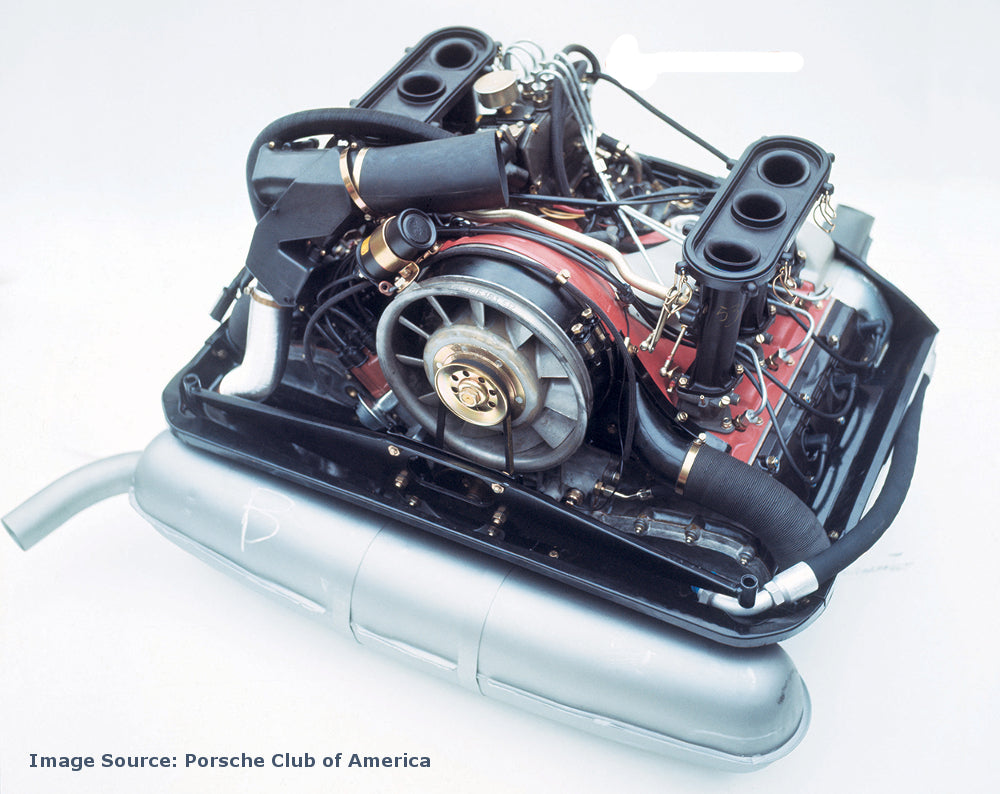

Frequently Asked Questions
Can A Porsche 911 Engine Fit In A Porsche 914?
Yes, a Porsche 911 engine can fit in a Porsche 914, but it requires significant modifications. Engine mounts, wiring, and transmission must be adapted. This swap is popular among enthusiasts for improved performance and sound, but it demands mechanical expertise and custom fabrication.
What Challenges Arise When Swapping Engines Between Porsche 911 And 914?
Key challenges include fitting engine mounts, adapting the transmission, and modifying the electrical system. Cooling and exhaust systems also need adjustments. These modifications require expert knowledge and custom parts to ensure proper installation and reliable performance.
Does Installing A Porsche 911 Engine Improve Porsche 914 Performance?
Yes, installing a Porsche 911 engine significantly boosts the Porsche 914’s power and acceleration. The 911 engine offers higher horsepower and torque. However, suspension and brakes may also need upgrades to handle the enhanced performance safely.
Is The Porsche 914 Chassis Compatible With The 911 Engine?
The Porsche 914 chassis can accommodate the 911 engine with custom modifications. The chassis requires reinforcement for added power and weight. Proper alignment and integration of components are essential for safety and reliability after the swap.
Conclusion
Swapping a Porsche 911 engine into a Porsche 914 is not simple. The two cars have different designs and engine sizes. It takes many changes to fit the engine properly. You must consider space, mounting points, and wiring. Also, the weight and balance of the car will change.
This swap is possible but needs skill and patience. Many car lovers enjoy the challenge. Think carefully before starting this project. It can be rewarding but requires time and effort.


