Have you ever wondered why your engine sometimes misfires or struggles to start? The secret could be hiding in something as small as your spark plugs—and more importantly, the oil you use on them.
Using the right oil for spark plugs isn’t just a minor detail; it can make a huge difference in how smoothly your engine runs and how long your spark plugs last. If you want to avoid costly repairs and keep your vehicle performing at its best, understanding this simple yet crucial step is a must.

49% off Today's Exclusive Deals
Limited-time Exclusive Deals. Check current discount on Amazon.
Check Price on Amazon As an Amazon Associate I earn from qualifying purchases.Keep reading to discover why the right oil matters and how it can save you time, money, and frustration.
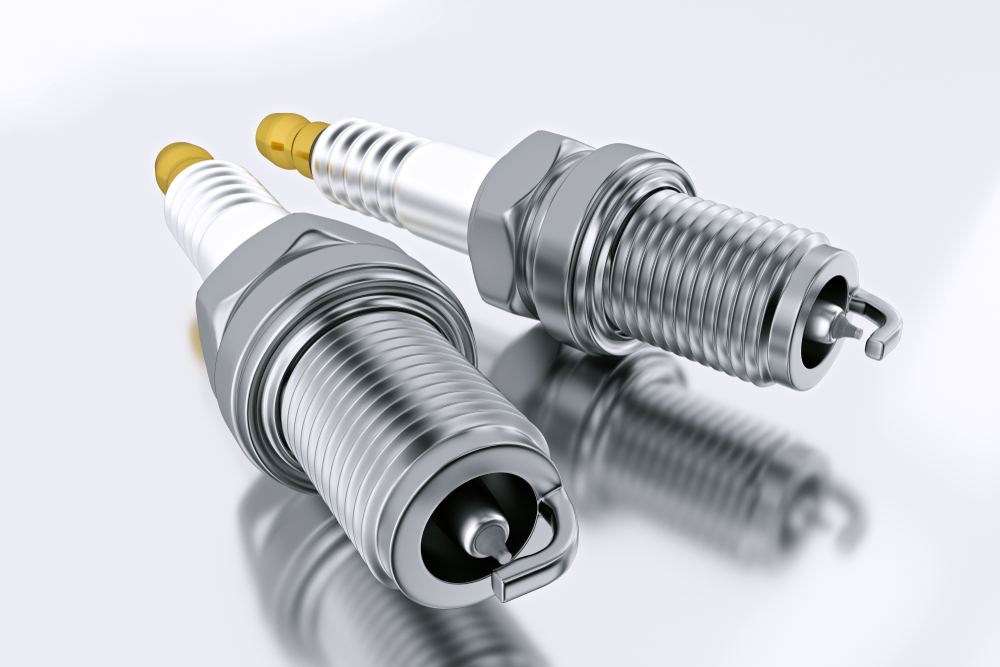
Role Of Spark Plugs In Engine Performance
Spark plugs are small but vital parts of an engine. They create the spark that lights the fuel-air mix. This spark starts the engine’s power cycle. Without good spark plugs, the engine struggles to run smoothly.
Using the right oil on spark plugs can keep them clean and working well. Clean plugs help the engine perform better and last longer. Poor spark plugs or wrong oil can cause misfires and reduce fuel efficiency.
49% off Today's Exclusive Deals
Limited-time Exclusive Deals. Check current discount on Amazon.
Check Price on Amazon As an Amazon Associate I earn from qualifying purchases.How Spark Plugs Work
Spark plugs sit at the top of each cylinder in an engine. They send a small electric spark at the right moment. This spark ignites the fuel-air mix inside the cylinder. The burning mix pushes the piston down, creating power.
The spark must be strong and timed perfectly. Dirty or worn spark plugs make the spark weak. This leads to poor engine starts and rough running.
Impact On Combustion Efficiency
Combustion efficiency means how well fuel burns in the engine. Good spark plugs create a steady spark to burn fuel fully. This helps the engine use fuel better.
When spark plugs are dirty or damaged, fuel burns unevenly. This causes wasted fuel and more emissions. Using the right oil helps keep spark plugs clean and efficient. Efficient combustion means better power and lower fuel costs.
49% off Today's Exclusive Deals
Limited-time Exclusive Deals. Check current discount on Amazon.
Check Price on Amazon As an Amazon Associate I earn from qualifying purchases.
How Oil Affects Spark Plug Function
The right oil plays a key role in spark plug performance. It affects how well the spark plugs work inside the engine. Oil quality and type impact spark plug life and engine efficiency.
Spark plugs need a clean surface to create strong sparks. Oil contamination can cover the plugs and reduce their ability to ignite fuel properly. This reduces engine power and increases fuel use.
Oil Contamination And Fouling
Oil can leak into the combustion chamber and coat spark plugs. This causes fouling, a layer of oil deposits on the plug tips. Fouled plugs misfire and fail to burn fuel fully.
Wrong oil increases the chance of deposits forming on spark plugs. Thick or poor-quality oil leaves more residue. This dirt blocks the spark and causes engine roughness.
Effects On Ignition And Emissions
Dirty spark plugs cause weak sparks and poor ignition. This leads to incomplete fuel burning. The engine runs rough and loses power.
Poor ignition also raises harmful emissions. Unburned fuel escapes into the exhaust, polluting the air. Using the right oil helps keep spark plugs clean and emissions low.
Choosing The Right Oil For Spark Plugs
Choosing the right oil for spark plugs helps keep your engine running smoothly. The oil protects the spark plugs from wear and dirt. It also helps prevent misfires and improves fuel efficiency. Picking the correct oil ensures your spark plugs last longer and perform better.
Oil Types And Their Properties
There are different types of oils used with spark plugs. Mineral oils are basic and affordable. They work well for older engines but wear out faster. Synthetic oils last longer and resist heat better. They keep spark plugs cleaner and reduce deposits. Semi-synthetic oils mix mineral and synthetic oils. They offer a balance between cost and performance. Choose oil based on your engine’s needs and conditions.
Manufacturer Recommendations
Always check your vehicle’s manual for oil advice. Manufacturers test oils that work best with their engines. Using the recommended oil helps avoid damage and improves engine life. The manual lists oil types and grades for spark plugs. Follow these guidelines to keep your engine healthy and efficient.
Benefits Of Using Correct Oil
Choosing the correct oil for spark plugs plays a key role in engine performance. It helps the engine run smoothly and lasts longer. Using the right oil reduces wear and tear on parts. It also keeps the engine clean and prevents damage.
Extended Engine Life
The right oil protects spark plugs from corrosion and deposits. This protection keeps the engine parts working well. It stops early wear and reduces the risk of engine failure. Clean spark plugs help the engine fire correctly every time. This leads to a longer engine life.
Improved Fuel Efficiency
Correct oil reduces friction inside the engine. Less friction means the engine uses less fuel. Clean spark plugs ensure better combustion of fuel. This improves the car’s mileage and saves money on fuel. Efficient engines also produce fewer harmful emissions.
Reduced Maintenance Costs
Using proper oil lowers the chance of spark plug damage. This means fewer repairs and replacements. The engine stays cleaner, needing less frequent servicing. Reduced wear on parts also cuts down repair bills. Overall, maintenance becomes simpler and less costly.
Signs Of Oil-related Spark Plug Issues
Using the right oil for spark plugs is crucial for engine health. Oil-related spark plug issues can cause serious engine problems. Recognizing the signs early helps in fixing issues before they get worse. This section explains common symptoms and diagnostic tips to identify oil-related spark plug problems.
Common Symptoms
Engine misfires often indicate spark plug trouble. You may feel rough idling or poor acceleration. Black, oily deposits on spark plugs show oil contamination. The engine might start hard or stall frequently. Increased fuel consumption can also signal spark plug issues. Listen for unusual noises from the engine area. These symptoms suggest oil affects spark plug performance.
Diagnostic Tips
Remove spark plugs to check for oil deposits. Clean plugs should have a light tan color. Heavy black or wet oil stains mean oil leaks. Inspect the spark plug gap for wear or damage. Use a spark plug tester to check ignition strength. Scan the engine for error codes related to misfires. Regular checks prevent costly engine repairs later.
Maintenance Tips To Protect Spark Plugs
Protecting spark plugs extends the life of your engine and improves performance. Simple maintenance habits keep spark plugs clean and efficient. These tips focus on oil care and regular checks.
Regular Oil Changes
Changing oil on time removes dirt and debris. Clean oil prevents buildup on spark plugs. Old oil causes deposits that reduce spark plug efficiency. Fresh oil keeps the engine running smoothly.
Proper Oil Levels And Quality
Check oil levels often to avoid damage. Low oil makes spark plugs work harder. Use the right oil type for your engine. Good quality oil protects spark plugs from wear and tear.
Timely Spark Plug Inspection
Inspect spark plugs at regular intervals. Look for signs of wear, dirt, or damage. Replace plugs that show heavy deposits or cracks. Early checks save you from bigger engine problems.

Frequently Asked Questions
Why Is Using The Right Oil For Spark Plugs Important?
Using the correct oil ensures optimal spark plug performance and engine efficiency. It prevents fouling and prolongs spark plug life. Wrong oil can cause misfires and reduce fuel economy. Proper oil maintains clean combustion and protects engine components from wear.
How Does Oil Affect Spark Plug Lifespan?
Oil quality directly impacts spark plug durability. The right oil reduces carbon deposits and prevents overheating. It ensures consistent ignition and minimizes corrosion. Using unsuitable oil leads to faster wear and frequent replacements, increasing maintenance costs.
Can Wrong Oil Damage Spark Plugs Or Engine?
Yes, wrong oil can cause spark plug fouling and misfires. It leads to incomplete combustion and engine knocking. Over time, this damages engine parts and reduces performance. Always use recommended oil to avoid costly repairs and maintain smooth engine operation.
What Type Of Oil Is Best For Spark Plugs?
High-quality synthetic oils with proper additives are best for spark plugs. They provide better lubrication, reduce deposits, and resist high temperatures. Follow manufacturer guidelines to select oil that suits your engine and spark plug type for optimal results.
Conclusion
Choosing the right oil for spark plugs keeps your engine running smooth. It helps stop dirt and buildup that can cause problems. Good oil saves money by making spark plugs last longer. It also improves how well your car works every day.
Always pick oil that fits your car’s needs. Small steps like this make a big difference. Keep your engine healthy and avoid costly repairs. The right oil truly matters for spark plug care.