Most Volkswagen Golfs need servicing every 10,000 miles or 12 months, whichever comes first.
I’ve worked on and owned several Golfs over the years, and I’ll walk you through exactly how often a Volkswagen Golf should be serviced, why intervals vary, and how to tailor a maintenance plan for your model and driving style. Read on for a clear, practical guide that blends factory guidance, hands-on tips, and real-world tests to help you keep your Golf reliable and resale-ready.

49% off Today's Exclusive Deals
Limited-time Exclusive Deals. Check current discount on Amazon.
Check Price on Amazon As an Amazon Associate I earn from qualifying purchases.Understanding Volkswagen Golf service intervals
Factory guidance for how often a Volkswagen Golf should be serviced varies by model year and engine. Modern Golfs often use a flexible service system with oil checks every 10,000 miles or 12 months. Older or high-performance engines may need attention sooner, and some service items follow multi-year schedules.
Service intervals depend on the specific Golf engine and the car’s service plan. Always check your owner’s manual or the maintenance schedule stamped in your service booklet. If you want simple rules, use 10,000 miles / 12 months as a baseline for modern models.

49% off Today's Exclusive Deals
Limited-time Exclusive Deals. Check current discount on Amazon.
Check Price on Amazon As an Amazon Associate I earn from qualifying purchases.Factors that change how often a Volkswagen Golf should be serviced
Many things affect how often a Volkswagen Golf should be serviced. Here are the main factors to consider:
- Engine type and age: TSI petrol, TDI diesel, and hybrid/electric models have different needs.
- Driving habits: Short trips and stop-and-go traffic stress the engine and call for more frequent oil checks.
- Climate and environment: Dusty roads, extreme heat, or salty winter roads speed parts wear.
- Load and usage: Towing or heavy loads increase service needs.
- Service indicator systems: Many Golfs have onboard reminders that adjust intervals based on use.
I once serviced a Mk6 Golf used for short city runs that needed an oil change sooner than its indicator suggested. That taught me to trust condition and usage over calendar dates alone.
Typical service items and recommended intervals
To plan maintenance, it helps to know which items are checked and how often. Below are common service tasks and typical intervals, presented as ranges since exact timing depends on model and engine.
49% off Today's Exclusive Deals
Limited-time Exclusive Deals. Check current discount on Amazon.
Check Price on Amazon As an Amazon Associate I earn from qualifying purchases.- Oil and oil filter
- Interval: Every 7,500–10,000 miles or 6–12 months for many models.
- Notes: Use manufacturer-approved synthetic oil for best protection.
- Air filter
- Interval: Every 20,000–30,000 miles.
- Notes: Replace sooner in dusty conditions.
- Spark plugs
- Interval: Every 30,000–60,000 miles, depending on spark plug type and engine.
- Brake fluid
- Interval: Every 2 years.
- Notes: Brake fluid absorbs moisture and loses efficiency.
- Timing belt / chain
- Interval: Timing belts often need replacement around 60,000–100,000 miles; many modern Golfs use timing chains that last longer but need inspection.
- DSG / automatic transmission fluid and filter
- Interval: DSG services often fall between 40,000–60,000 miles.
- Notes: Changing DSG fluid can extend gearbox life.
- Cabin filter
- Interval: Every 15,000–25,000 miles.
- Brake pads and discs
- Interval: Varies with driving; inspect yearly.
When you ask how often should a Volkswagen Golf be serviced, remember that these are typical items. Your owner’s manual gives the exact intervals for your car’s VIN.

How to track service and use reminders
Keeping accurate service records helps resale value and ensures warranty compliance. Here’s how to stay organized:
- Log each service in the service booklet or a digital app.
- Keep receipts and parts lists from each visit.
- Reset or check the onboard service reminder after maintenance.
- Use calendar reminders if your Golf is older and lacks a digital system.
I keep a simple spreadsheet and photos of service receipts. That saves time during dealer checks and proves maintenance history to buyers.
Costs, warranties, and choosing dealer vs independent shops
Cost affects how often a Volkswagen Golf should be serviced, especially for owners balancing budget and protection. Consider these points:
- Dealer service
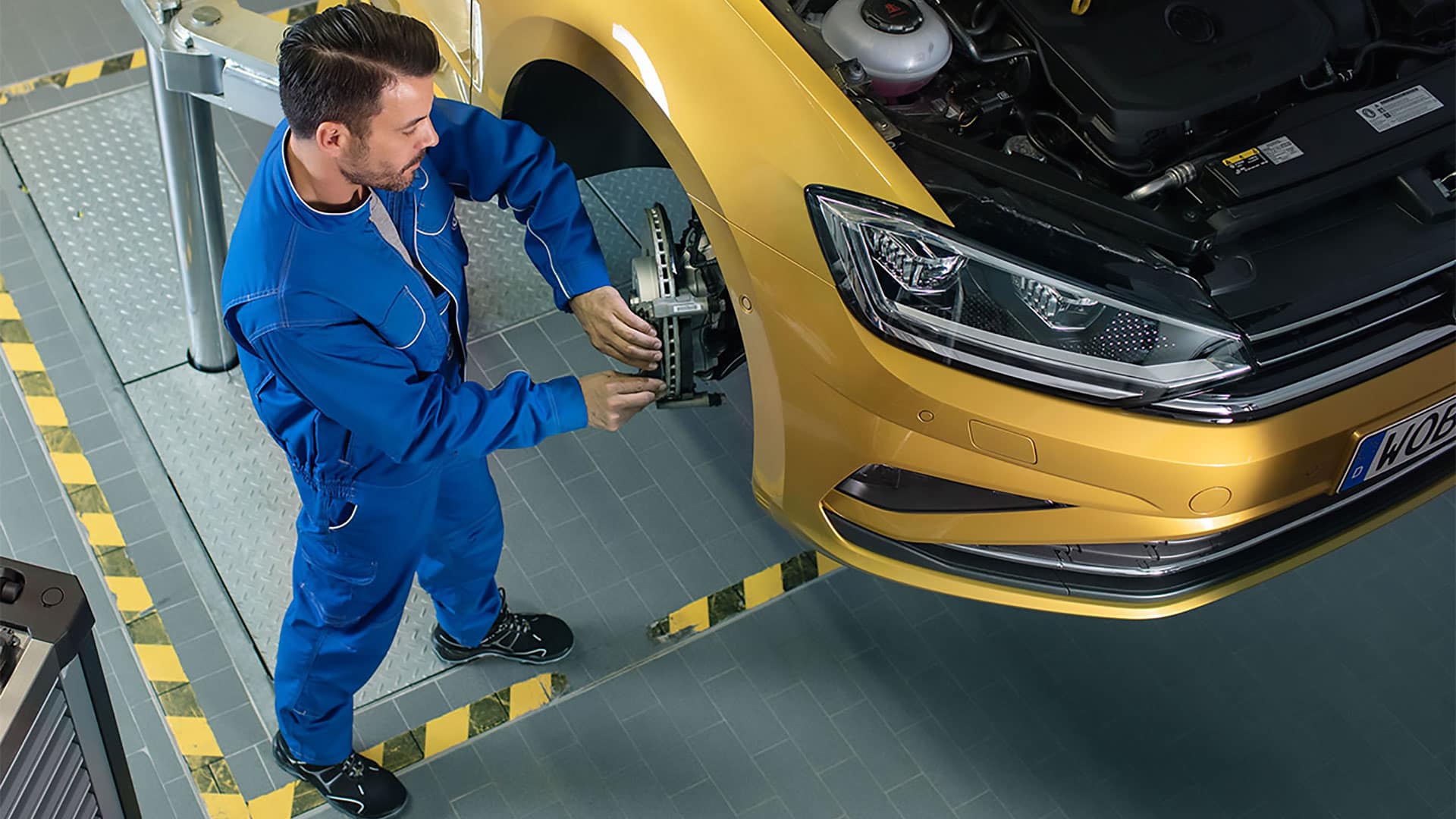
- Pros: Factory-trained techs, genuine parts, warranty protection.
- Cons: Higher labor rates.
- Independent VW specialist
- Pros: Often lower prices, experienced techs who focus on Volkswagens.
- Cons: Verify parts quality and warranty handling.
- Warranties and certified pre-owned plans often require documented service at set intervals.
A rule I follow: use a dealer for complex warranty repairs and a trusted independent for routine maintenance. Keep thorough records either way.

DIY checks owners can do between services
You don’t need a shop visit for every small check. Simple DIY steps help catch issues early:
- Check engine oil level weekly or before long trips.
- Inspect tyre pressure and tread monthly.
- Look for fluid leaks under the car.
- Test lights and horn regularly.
- Observe brake feel and listen for unusual noises.
These checks don’t replace scheduled service, but they reduce the chance of a breakdown and can extend intervals safely.
When to bring your Golf in sooner than scheduled
Sometimes you should ignore the interval and act fast. Bring your car in right away if you notice:
- Warning lights on the dash that don’t clear after restart.
- Unusual noises like knocking, grinding, or loud rattles.
- Sudden drops in fuel economy or engine power.
- Fluid leaks or smoke from the engine bay.
- Excessive vibration or pulling while driving.
In one case, I caught a coolant leak that would have led to head gasket damage. quick action saved the owner thousands. Trust your senses.
Frequently Asked Questions of How often should a Volkswagen Golf be serviced?
How often should a Volkswagen Golf be serviced for oil changes?
Most modern Golfs need an oil change every 7,500–10,000 miles or about 12 months, using manufacturer-grade synthetic oil. Check the owner’s manual for exact intervals.
How often should a Volkswagen Golf with DSG gearbox be serviced?
DSG gearbox fluid and filter services are commonly recommended every 40,000–60,000 miles, but intervals vary by model and use. Consult your service schedule and use qualified technicians.
How often should a Volkswagen Golf be serviced if I drive mainly short trips?
Short, frequent trips heat the engine less and increase moisture buildup, so service more often—typically every 6–8 months for oil checks. Monitor oil condition and follow a more cautious schedule.
How often should a Volkswagen Golf be serviced under warranty?
Follow the manufacturer’s recommended intervals during your warranty period and keep all service records to maintain coverage. Use approved parts and qualified technicians when required by warranty terms.
How often should a Volkswagen Golf be serviced for brake fluid and timing belts?
Brake fluid is normally replaced every 2 years. Timing belt replacement varies but often falls between 60,000 and 100,000 miles; some engines use chains and need inspection instead. Check your manual for exact guidance.
Conclusion
Regular, informed care is the best way to keep your Golf running smoothly and protect its value. Use 10,000 miles or 12 months as a practical baseline for many modern Volkswagens, then adjust based on engine type, driving conditions, and onboard service indicators. Track maintenance, perform simple DIY checks, and choose qualified technicians to handle complex work. Start by checking your owner’s manual, set a calendar reminder today, and keep a tidy service record—small steps that lead to big savings and peace of mind.
If this helped, leave a comment with your Golf’s model year or subscribe for more maintenance guides and tips.