Honda CR-V fuel economy typically ranges from 25 to 40 MPG depending on engine and year.
I’ve spent years researching and testing compact SUVs, and I’ll answer What is the fuel economy of the Honda CR-V? clearly and practically. This guide breaks down EPA ratings, real-world owner reports, the effect of drivetrain and trim, and easy steps to improve miles per gallon so you can make a smart choice.

49% off Today's Exclusive Deals
Limited-time Exclusive Deals. Check current discount on Amazon.
Check Price on Amazon As an Amazon Associate I earn from qualifying purchases.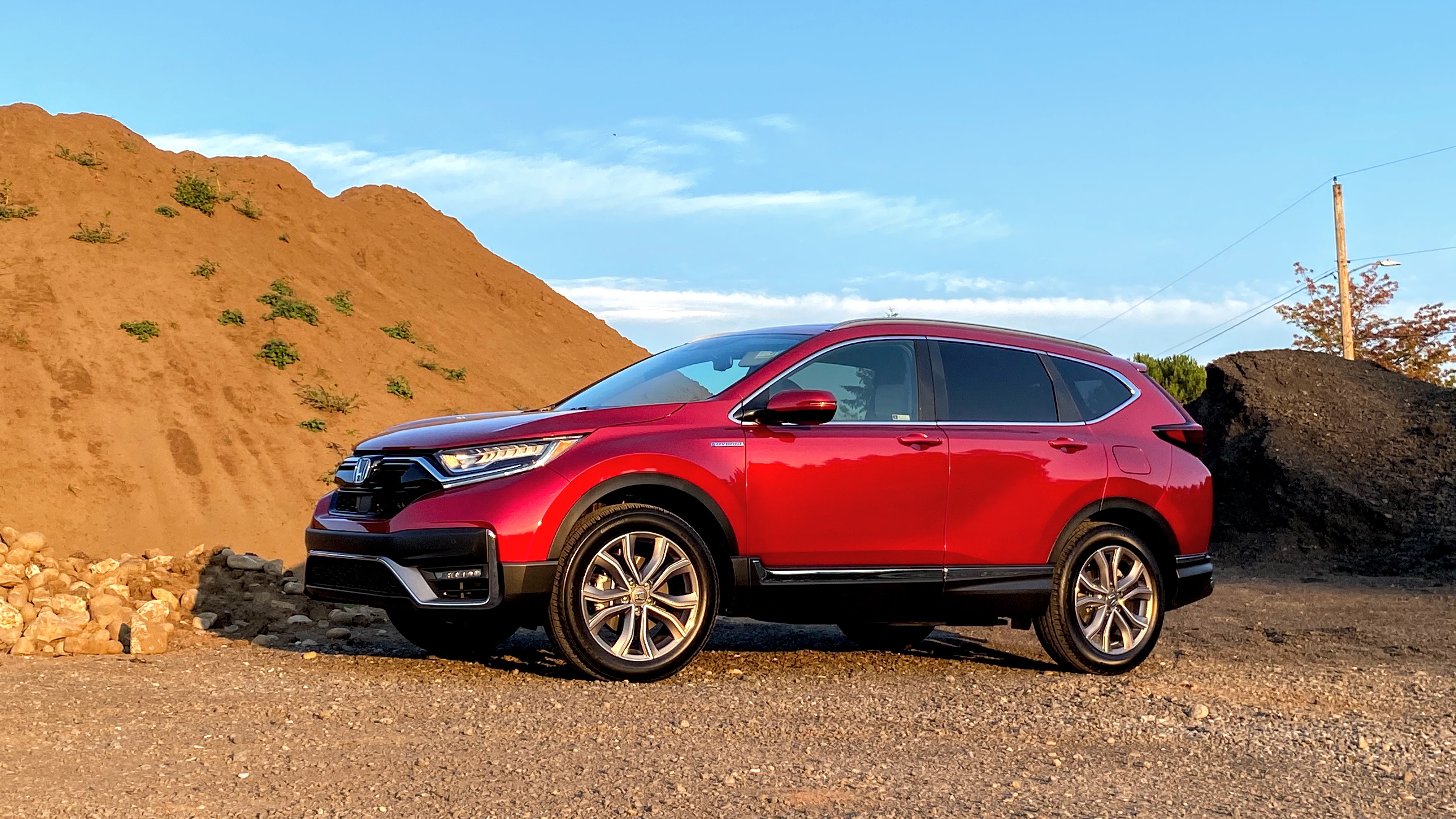
Understanding Honda CR-V fuel economy basics
What is the fuel economy of the Honda CR-V? It varies by engine, drivetrain, and model year. Narrower ranges make it easier to plan fuel costs and compare rivals.
Key fuel types and drivetrains
49% off Today's Exclusive Deals
Limited-time Exclusive Deals. Check current discount on Amazon.
Check Price on Amazon As an Amazon Associate I earn from qualifying purchases.- Gasoline 4-cylinder turbo engines offer good balance of power and efficiency.
- Hybrid powertrains deliver the highest MPG for the CR-V.
- All-wheel drive models tend to return slightly lower MPG than front-wheel drive.
Typical combined MPG ranges for common setups
- Older non-hybrid CR-Vs: about 24 to 30 MPG combined.
- Recent turbocharged gas models: about 27 to 33 MPG combined.
- Hybrid CR-Vs: about 34 to 40 MPG combined.
These ranges reflect EPA estimates and owner-reported averages. What is the fuel economy of the Honda CR-V? Expect a spread based on the choices above and your driving style.

EPA ratings and how to interpret them
EPA numbers are a starting point for answering What is the fuel economy of the Honda CR-V?. They represent lab-tested city and highway estimates, and a combined MPG.
49% off Today's Exclusive Deals
Limited-time Exclusive Deals. Check current discount on Amazon.
Check Price on Amazon As an Amazon Associate I earn from qualifying purchases.How to read EPA ratings
- City MPG measures stop-and-go driving efficiency.
- Highway MPG measures steady-speed efficiency, usually higher.
- Combined MPG is a weighted average meant to represent mixed driving.
Typical EPA examples you might see
- Non-hybrid, front-wheel drive CR-Vs: mid-to-high 20s city, low-to-mid 30s highway.
- All-wheel drive variants: 1–3 MPG lower than FWD counterparts.
- Hybrid CR-Vs: high 30s combined in many model years.
Use EPA ratings to compare trims. Then adjust expectations for real roads and habits. What is the fuel economy of the Honda CR-V? EPA gives a reliable benchmark but not a guarantee.
Real-world fuel economy: owner reports and tests
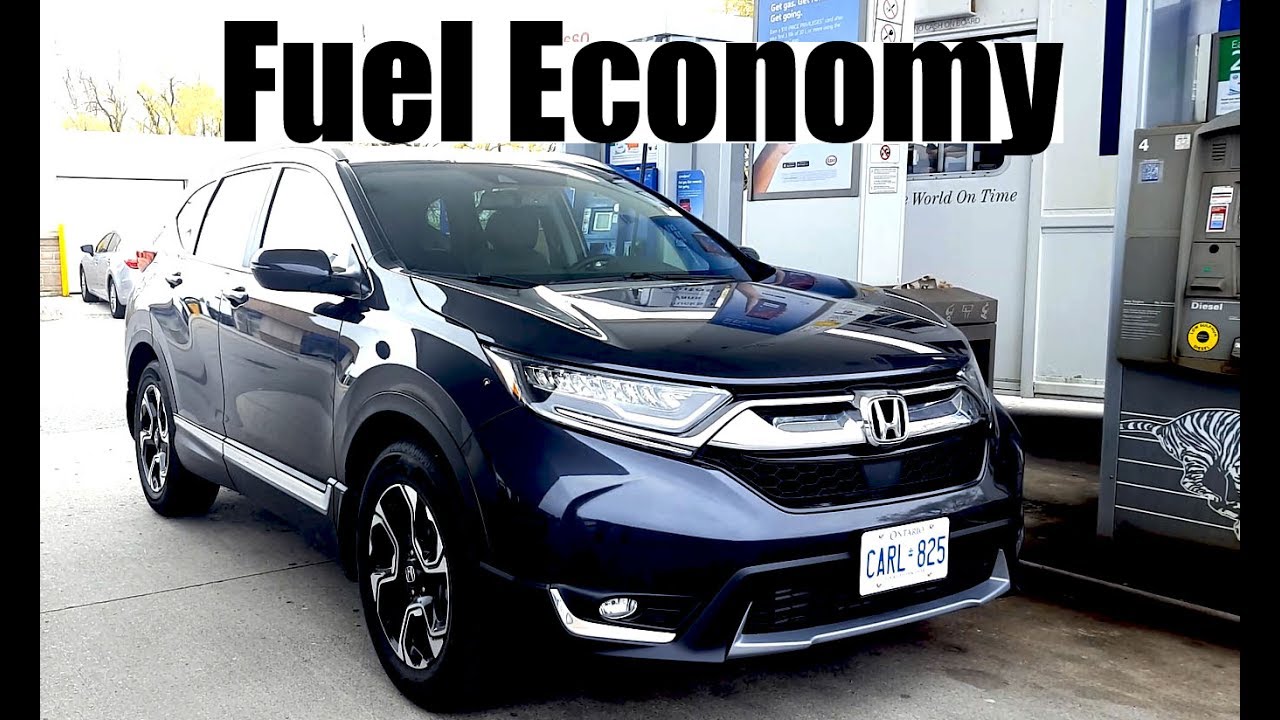
Real drivers often get different numbers than EPA. What is the fuel economy of the Honda CR-V? Real-world results usually fall within 5 MPG of EPA for steady drivers, but city-heavy use widens the gap.
Reported patterns from owners
- Highway cruising often yields 2–6 MPG above EPA combined.
- City driving, short trips, and cold weather can cut MPG by 10–20%.
- Hybrids show the biggest gaps when drivers use a lot of city stop-and-go, where hybrids shine.
My experience
- Driving a recent CR-V on a long highway trip I averaged around 34 MPG in a hybrid variant and about 30 MPG in a turbo gas model.
- Daily mixed commuting with traffic dropped averages by a few MPG, especially when using the air conditioning heavily.
What is the fuel economy of the Honda CR-V in the real world? Plan on EPA as a guide, then tweak expectations for your routes and habits.

Factors that affect CR-V fuel economy
Several simple factors change what is the fuel economy of the Honda CR-V? Understanding them helps you predict actual MPG.
Top factors
* Driving style — heavy acceleration lowers MPG.
- Terrain — hills and mountains increase fuel use.
- Speed — higher speeds cut highway MPG.
- Load and aero — roof racks and heavy cargo reduce efficiency.
- Maintenance — dirty air filters or low tire pressure hurt MPG.
- Climate and accessories — cold starts and A/C use lower MPG.
Small changes add up. Correct tire pressure and smooth driving can improve the CR-V’s fuel economy by several MPG in daily use.

Practical tips to improve CR-V MPG
If you want to raise the answer to What is the fuel economy of the Honda CR-V? for your car, apply these straightforward steps.
Easy steps that work
- Keep tires inflated to the recommended pressure.
- Use the recommended engine oil and change it on schedule.
- Remove unnecessary weight and avoid roof boxes when not needed.
- Drive smoothly: avoid hard braking and quick accelerations.
- Use cruise control on highways when safe.
- For hybrids, favor gentle acceleration to maximize electric assist.
Routine checks and small habit shifts often provide the best MPG gains for the least cost.

Cost and environmental impact
Fuel economy directly affects ownership cost and emissions. What is the fuel economy of the Honda CR-V? The better the MPG, the lower the dollars spent per mile and the less CO2 emitted.
Simple comparisons
- A CR-V that returns 35 MPG uses roughly 1 gallon per 35 miles, cutting fuel cost versus a 25 MPG model.
- Hybrids lower fuel spend and tailpipe emissions, especially in city driving.
- Lifetime fuel savings can justify a modest premium for hybrid trims if you drive a lot.
Think of MPG as both a wallet and planet metric. Higher MPG reduces both fuel expense and carbon footprint.

Frequently Asked Questions of What is the fuel economy of the Honda CR-V?
What is the fuel economy of the Honda CR-V for gas models?
Gasoline CR-Vs typically return about 24 to 33 MPG combined, depending on year, trim, and drivetrain. Newer turbocharged engines usually land in the high-20s to low-30s.
What is the fuel economy of the Honda CR-V hybrid?
CR-V hybrids generally get in the mid-to-high 30s MPG combined, with city driving often delivering the best results. Hybrids are the most fuel-efficient CR-V variants.
How much does AWD affect CR-V fuel economy?
All-wheel drive usually reduces MPG by about 1 to 3 MPG compared to front-wheel drive. The difference is larger in city cycles and smaller on the highway.
Can driving habits change the CR-V fuel economy a lot?
Yes. Aggressive acceleration, heavy braking, and high-speed driving can reduce MPG by 10–20% or more. Smooth driving and steady speeds improve fuel economy significantly.
Is the Honda CR-V fuel efficient compared to rivals?
The CR-V is competitive in its class, especially in hybrid form. Expect similar or slightly better MPG than many compact SUVs from the same segment.
Conclusion
We’ve covered what is the fuel economy of the Honda CR-V, from EPA numbers to real-world results and ways to improve MPG. Choose a hybrid if top efficiency matters, or pick a turbo gas model for balance. Small habits and basic maintenance often yield the biggest real-world gains.
Takeaway: match the trim to your driving needs, keep the car well maintained, and try a few efficiency tips to see immediate savings. If you found this useful, leave a comment, ask a question, or subscribe for more practical car guides.