Most Volkswagen Golfs use fully synthetic oil that meets VW 502.00, 504.00, or 507.00.
I’ve worked on dozens of Golfs and helped drivers pick the right oil. This guide explains what type of oil does the Volkswagen Golf use, why the choice matters, and how to pick the correct oil for your exact model and driving style. Read on for clear, tested advice and practical tips that save money and protect your engine.

49% off Today's Exclusive Deals
Limited-time Exclusive Deals. Check current discount on Amazon.
Check Price on Amazon As an Amazon Associate I earn from qualifying purchases.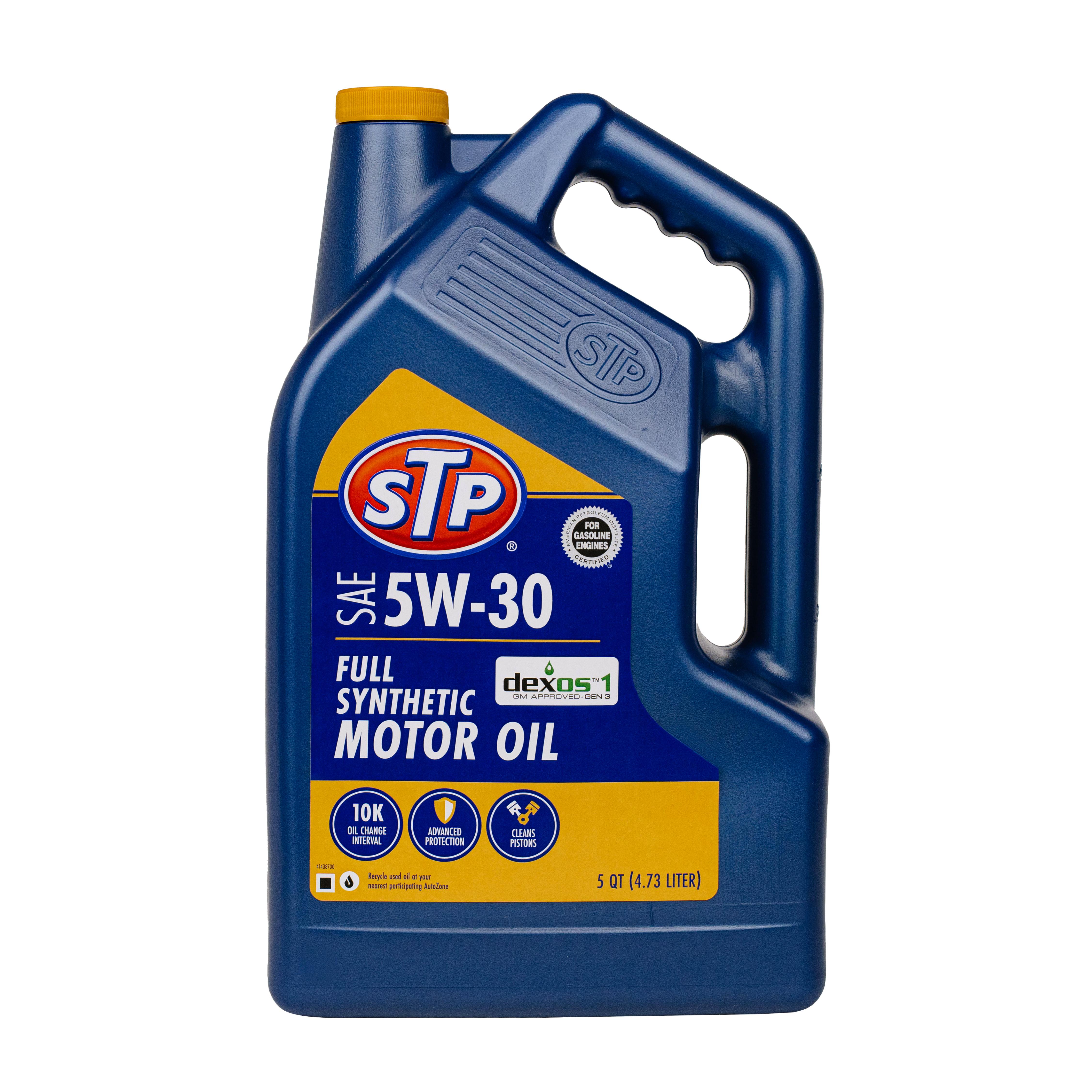
Why the right oil matters for What type of oil does the Volkswagen Golf use?
What type of oil does the Volkswagen Golf use? The answer depends on engine type, model year, and emissions system. Using the wrong oil can reduce fuel economy, harm turbochargers, and void warranty coverage.
Good oil protects small clearances in modern VW engines. It also keeps the turbo and direct-injection systems clean. I’ll show how to match oil viscosity and VW specs to your Golf.
49% off Today's Exclusive Deals
Limited-time Exclusive Deals. Check current discount on Amazon.
Check Price on Amazon As an Amazon Associate I earn from qualifying purchases.
Common oil specifications and viscosities for What type of oil does the Volkswagen Golf use?
What type of oil does the Volkswagen Golf use? Most modern Golfs favor fully synthetic oils that meet VW factory specifications. Key specs you will see on oil labels include:
- VW 502.00 — Common for many gasoline engines. Good for high performance.
- VW 504.00 / 507.00 — Long-life oils, low-SAPS, suited to gasoline and diesel engines with DPFs.
- VW 505.01 and 505.00 — Older diesel specs for pump-injector and some TDI engines.
Typical viscosity grades you’ll encounter:
- 5W-30 — A very common choice for European Golfs across many years.
- 5W-40 — Used by some performance or older turbo engines.
- 0W-30 and 0W-20 — Found in newer engines for tighter fuel economy and cold starts.
- 10W-40 — Rare for modern Golfs but used in older high-mileage engines in warm climates.
Match viscosity to your climate and the VW spec to your engine. If your owner’s manual lists a spec like VW 504.00/507.00, pick oil that shows that exact badge on the container.
49% off Today's Exclusive Deals
Limited-time Exclusive Deals. Check current discount on Amazon.
Check Price on Amazon As an Amazon Associate I earn from qualifying purchases.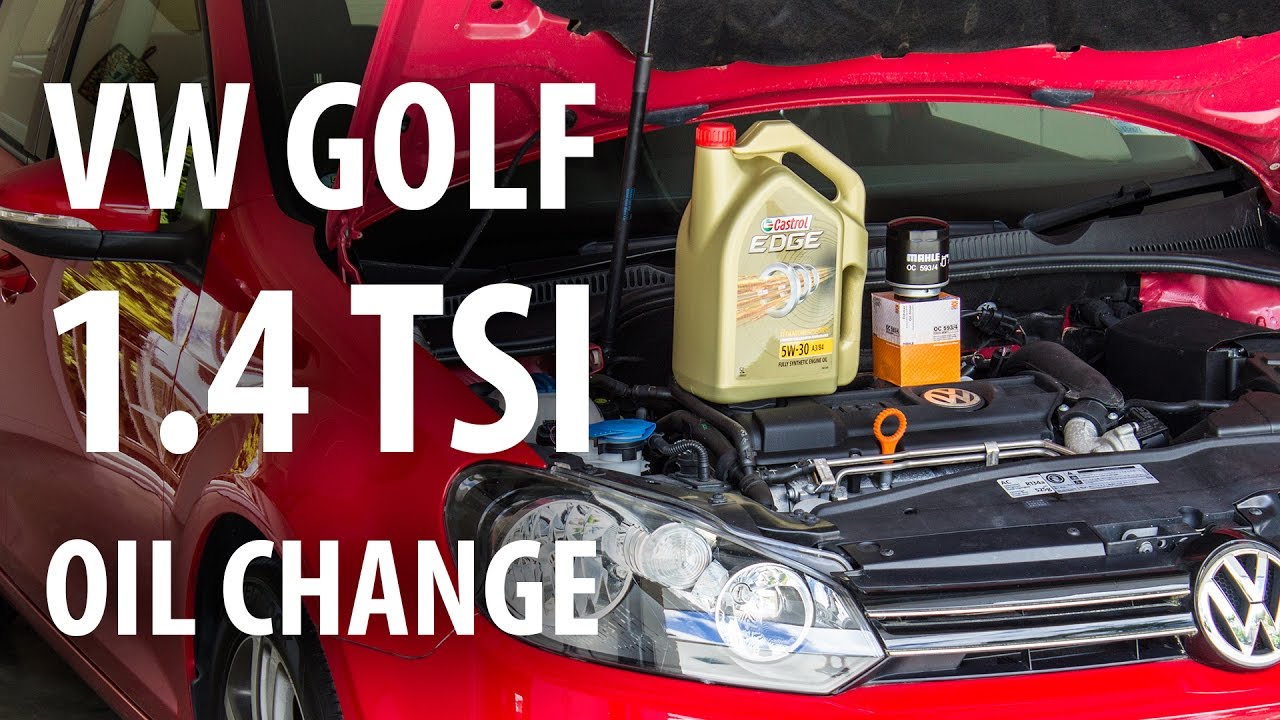
How to pick the correct oil for What type of oil does the Volkswagen Golf use: step-by-step
What type of oil does the Volkswagen Golf use? Follow these steps to be certain:
- Check the owner’s manual. The manual lists the exact VW oil spec and recommended viscosity.
- Note your engine code and model year. Different engines in the Golf lineup use different specs.
- Choose fully synthetic oil that carries the VW spec your manual lists.
- Consider climate. Use low-viscosity oil for cold climates and slightly thicker oil for very hot climates.
- Replace the oil filter at every oil change and record the service for warranty records.
I keep a copy of the owner’s manual PDF and the engine code when I buy or service a car. That habit helped me avoid a wrong oil change that could cost money later.

Oil change intervals, mileage, and service tips for What type of oil does the Volkswagen Golf use?
What type of oil does the Volkswagen Golf use? Oil change intervals vary by model and driving habits. Many modern Golfs on long-life oil can run 10,000 to 15,000 miles between services. Short trips, towing, or heavy city traffic mean you should change oil sooner.
Practical tips I use in my shop:
- Follow the service light and manual. If the car uses variable service intervals, trust the on-board monitoring.
- If you switch oil types, run a full drain and replace the filter.
- Keep records. VW dealers check service history during warranty claims.
- Use OEM or high-quality aftermarket filters matched to your engine.

Common mistakes, limitations, and my personal experience with What type of oil does the Volkswagen Golf use?
What type of oil does the Volkswagen Golf use? One common mistake is choosing viscosity without checking the VW spec. I’ve seen low-cost oils that simply did not meet the VW 504.00/507.00 requirement for diesel Golfs with a DPF.
Lessons learned from my work:
- Never use high-SAPS oil in a DPF-equipped Golf. It can foul the filter.
- Avoid mixing different spec oils long-term. Occasional top-ups are okay, but a full-spec oil is best.
- For high-mileage Golfs, consider a synthetic formulated for older engines or a slightly thicker viscosity if the engine burns oil.
Limitations and transparency:
- Exact oil choice depends on engine code and year. I cannot list a one-size-fits-all oil for every Golf.
- Always verify the spec in your manual or with a dealer.
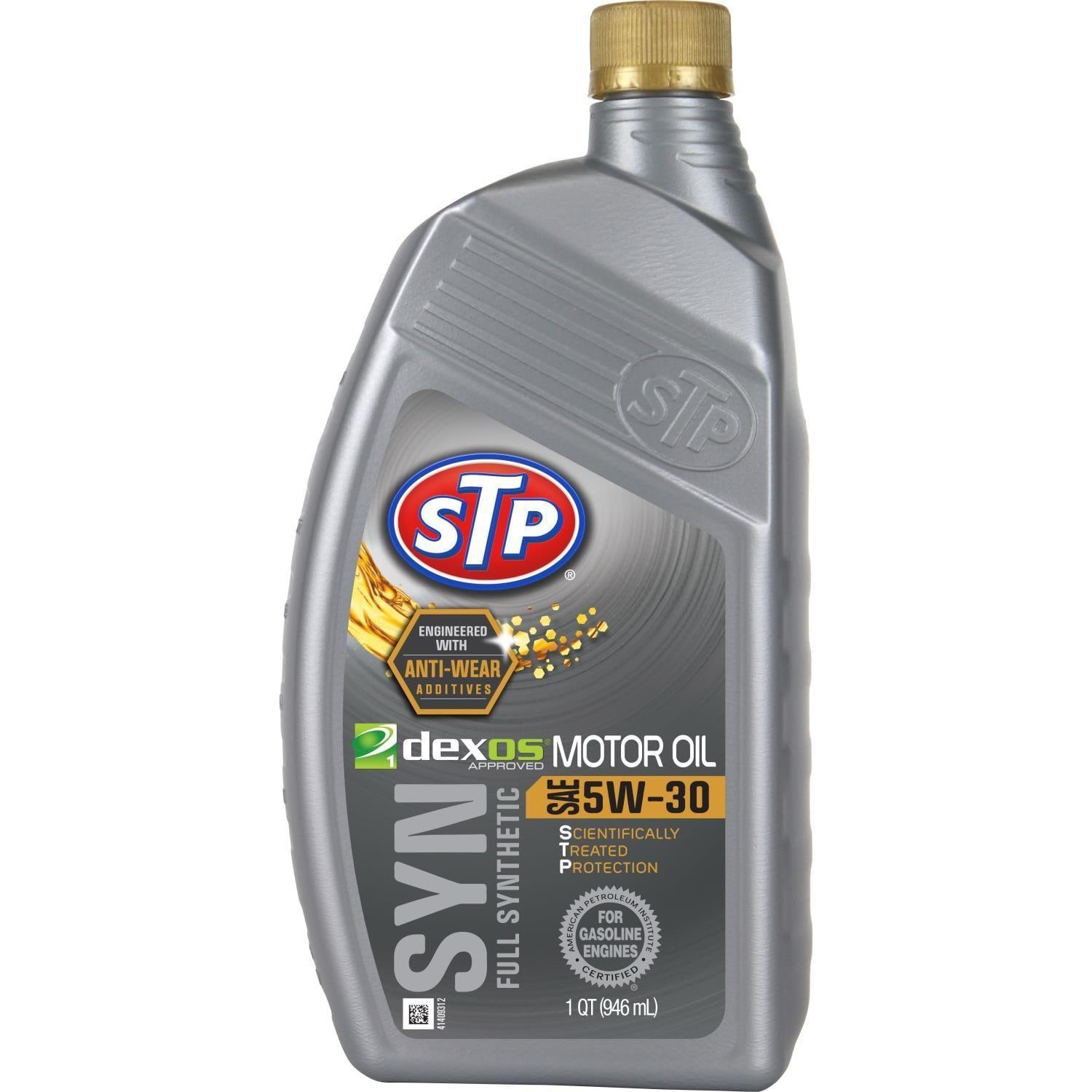
Quick PAA-style questions about What type of oil does the Volkswagen Golf use?
What type of oil does the Volkswagen Golf use? Here are common short answers people search for.
Q: Do Golfs need synthetic oil?
A: Yes, most modern Volkswagen Golfs use fully synthetic oil to meet VW specs and protect turbocharged engines.
Q: Can I use 5W-30 in my Golf?
A: If your owner’s manual or VW spec allows 5W-30, it is a safe and common choice for many Golf engines.
Q: Which VW oil spec should diesel Golfs use?
A: Diesel Golfs with a DPF typically require low-SAPS oils that meet VW 507.00.
Frequently Asked Questions of What type of oil does the Volkswagen Golf use?
What oil spec does a Volkswagen Golf 1.4 TSI need?
Most 1.4 TSI engines require a fully synthetic oil that meets VW 502.00 or VW 504.00/507.00 depending on model year. Check the owner’s manual or the engine data plate to be sure.
Is 5W-30 OK for all Golf engines?
5W-30 is common and is OK for many Golf engines if it meets the VW spec listed in your manual. Some older or high-performance engines may call for a different viscosity.
Do I need low-SAPS oil for my Golf?
If your Golf has a diesel particulate filter (DPF), you should use a low-SAPS oil that meets VW 507.00. This protects the DPF and emissions system.
Can I use synthetic oil in an older Golf with high miles?
Yes. Synthetic oil can be used in older Golfs, but choosing the right viscosity helps reduce oil consumption. Consider a slightly thicker oil if the engine burns oil.
How much oil does a Golf usually take?
Oil capacity varies by engine. Typical Golf engines take roughly 3.5 to 5.5 liters including the oil filter. Always check the service manual for exact capacity.
Conclusion
Choosing the right oil comes down to three things: match the VW specification, pick the correct viscosity for your climate, and stick to a reliable change schedule. Use fully synthetic oils that display the VW spec from your manual and change the filter at each service to keep your Golf running well.
Take action: check your owner’s manual, note your engine code, and pick a synthetic oil that shows the exact VW spec. If you liked this guide, leave a comment with your Golf model and I’ll advise on the best oil for it.