Luxury, capability, and high ownership costs—Range Rovers wow and demand care.
I have spent years reviewing and driving premium SUVs, and I know what buyers want to learn about the pros and cons of owning a Range Rover. This article breaks down performance, comfort, running costs, reliability, resale, and real-world tips. Read on for clear facts, hands-on insights, and practical advice to help you decide if the pros and cons of owning a Range Rover match your lifestyle and budget.

49% off Today's Exclusive Deals
Limited-time Exclusive Deals. Check current discount on Amazon.
Check Price on Amazon As an Amazon Associate I earn from qualifying purchases.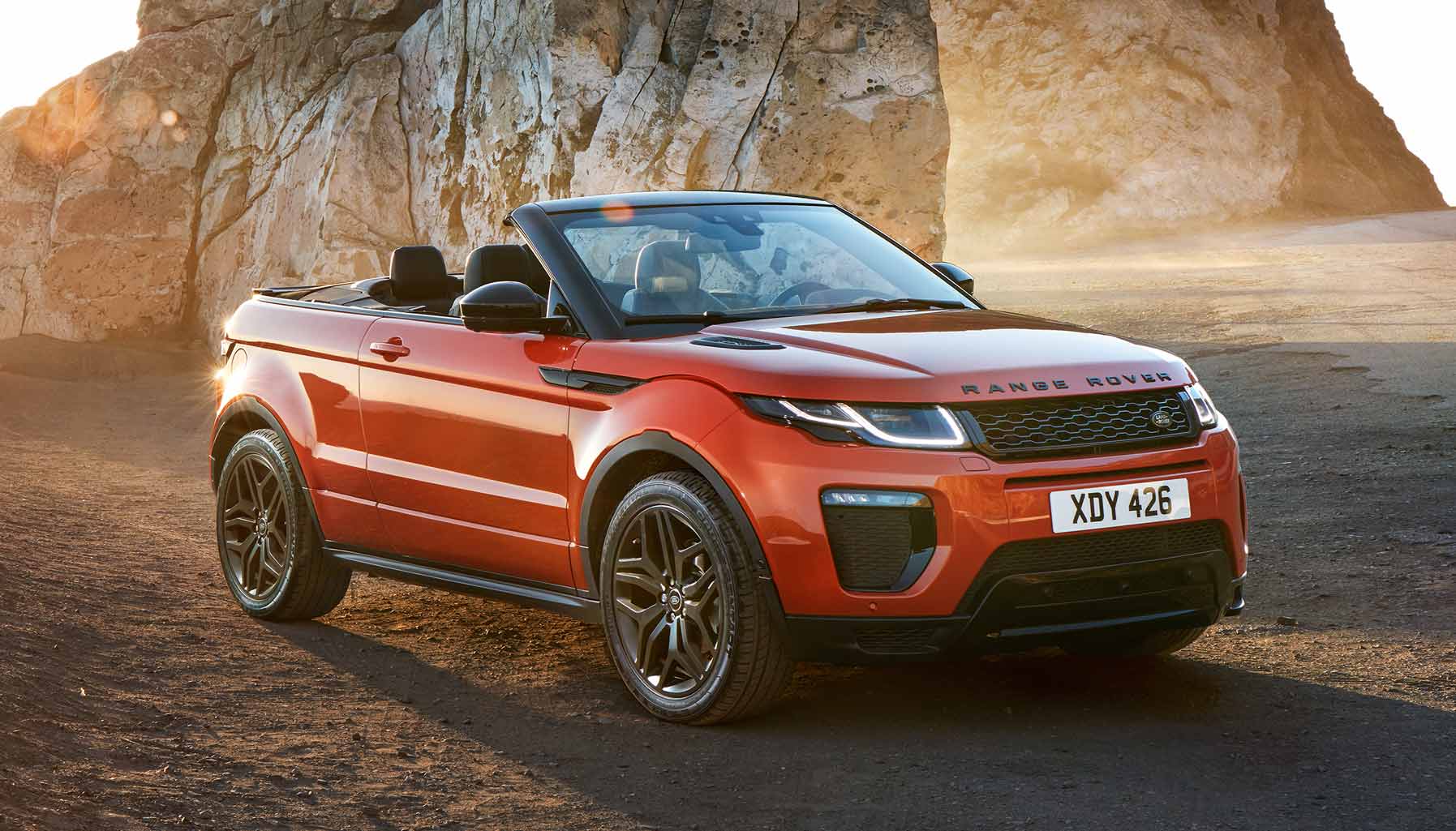
What makes a Range Rover stand out?
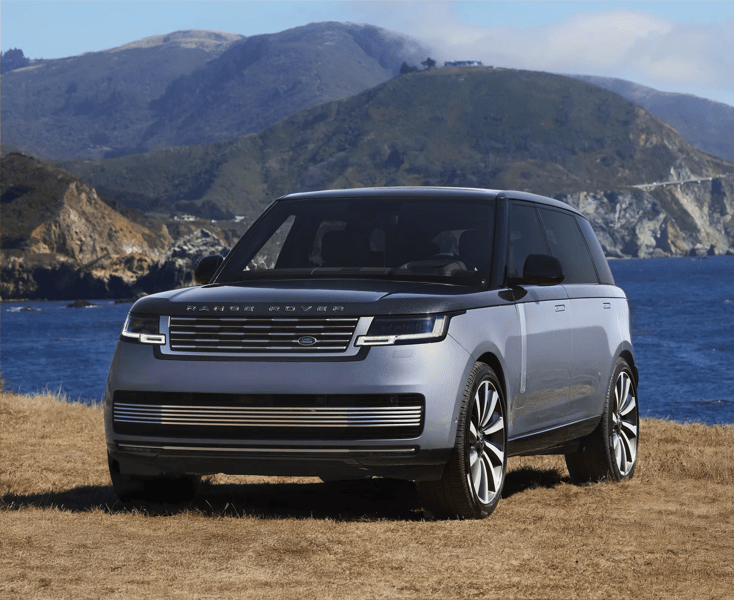
Range Rovers blend high-end luxury with genuine off-road ability. They pair roomy cabins, premium materials, and smooth rides with advanced four-wheel-drive systems and terrain modes. You get both a status symbol and a capable SUV built to handle dirt tracks and city streets.
Key attributes to know
49% off Today's Exclusive Deals
Limited-time Exclusive Deals. Check current discount on Amazon.
Check Price on Amazon As an Amazon Associate I earn from qualifying purchases.- Iconic design that signals prestige and presence.
- Air suspension for a plush ride on paved roads and extra ground clearance off-road.
- Advanced driver aids and infotainment systems.
- Powerful engine options, from efficient diesels to hybrid and V8 choices.
Why this matters
- The brand delivers a mix of comfort and capability few rivals match. That dual nature creates a unique ownership profile where luxury expectations meet utilitarian demands.
Pros: What you gain owning a Range Rover
Owning a Range Rover offers many real benefits. Here are the main advantages, explained in plain terms.
Luxury and comfort
49% off Today's Exclusive Deals
Limited-time Exclusive Deals. Check current discount on Amazon.
Check Price on Amazon As an Amazon Associate I earn from qualifying purchases.- Silky ride and refined cabins make long drives easy. Seats are supportive and often heated, cooled, and massaging.
- High-quality materials and customizable trims deliver a tailored feel.
Performance and capability
- Strong engines provide confident acceleration and towing ability. You can get hybrid options that add efficiency.
- Advanced off-road tech, including low-speed crawl and hill descent control, works well if you leave the pavement.
Technology and safety
- Modern infotainment with large screens and smartphone integration makes daily use simple.
- Robust safety features and driver assists help reduce stress in heavy traffic.
Status and presence
- Owning a Range Rover signals success. The visual impact matters to many buyers and can be part of the vehicle’s appeal.
Resale and brand recognition
- Strong brand recognition can help demand in the used market. Well-equipped examples often attract buyers quickly.
Cons: Drawbacks to consider before you buy
No vehicle is perfect. Here are key downsides you should weigh when considering the pros and cons of owning a Range Rover.
High ownership and maintenance costs
- Scheduled service, parts, and repairs cost more than average. Luxury components and specialized systems are pricier to fix.
- Insurance premiums are often high, especially for new models with expensive parts.
Reliability concerns
- Some models have had inconsistent reliability records. Electronics and complex suspension systems can be sources of issues.
- Unexpected repairs can be expensive and inconvenient.
Fuel consumption
- Powerful engines and heavy curb weights lead to above-average fuel use. Even mild hybrids improve efficiency only so much.
Depreciation
- Luxury SUVs can lose value quickly in the first few years. Depreciation affects total cost of ownership.
Complex tech means complexity
- Advanced systems need correct care. If you prefer low-maintenance vehicles, the Range Rover’s tech may feel like extra work.

Ownership costs and real-world numbers
To judge the pros and cons of owning a Range Rover, look at realistic costs. Prices vary by model, location, and driving habits. These are rough annual figures for mid-range ownership in the U.S.
Typical annual costs
- Fuel: $2,000–$4,000, depending on miles and engine choice.
- Insurance: $2,000–$4,500, depending on driver profile and coverage.
- Maintenance and repairs: $1,500–$6,000, higher in later years or after warranty ends.
- Depreciation: Expect steep drops—15–30% in first year and sizable declines over 5 years.
How to reduce costs
- Buy certified pre-owned with warranty. This cuts early repair risk.
- Maintain service regularly. Preventive care reduces big bills later.
- Choose efficient engine options or plug-in hybrids for better fuel economy.

Reliability, common issues, and how to avoid them
Understanding common problems helps you manage the cons of owning a Range Rover. Here are frequent trouble spots and practical prevention steps.
Common issues reported
- Air suspension failures leading to sagging or rough rides.
- Electrical glitches in infotainment and driver-assist systems.
- Oil leaks and turbo or supercharger issues on high-output engines.
Prevention tips
- Inspect suspension during pre-purchase checks and ask for service records.
- Keep software updated at dealer visits to reduce electronic bugs.
- Follow oil and filter change schedules closely to protect engines.
Buying strategy to limit risk
- Buy certified pre-owned or get an extended warranty.
- Use a trusted specialist for maintenance if dealer service is costly.
- Request a full vehicle history and independent inspection before purchase.

Who should buy a Range Rover?
If you weigh the pros and cons of owning a Range Rover, this section helps match the vehicle to buyer profiles.
Good fit
- Buyers who want a luxury experience and real off-road ability.
- People who enjoy premium tech and a private-cabin feel.
- Those prepared to budget for higher running costs.
Not a good fit
- Buyers seeking the lowest maintenance and fuel costs.
- Drivers who want ultra-reliable, low-complexity vehicles.
- Budget-conscious buyers who dislike rapid depreciation.
PAA-style questions and quick answers
- Is a Range Rover good off-road? Yes. Range Rovers are built for serious off-road use with terrain modes and high ground clearance that perform well off pavement.
- Are Range Rovers expensive to maintain? Yes. Parts and labor cost more than average, and complex systems can raise repair bills.
- Do Range Rovers hold value? They hold brand appeal but often depreciate faster than mainstream SUVs, especially in the first years.
My experience: lessons from owning and testing Range Rovers
I have driven multiple Range Rover generations and worked with owners and technicians. Those experiences taught me clear lessons.
What I learned
- Enjoy the ride, but expect surprises. The cabin comfort is unmatched, but systems need attention.
- Use dealer service early for recalls and software updates. That saved owners I know from recurring glitches.
- A good pre-purchase inspection is worth the cost. It finds air suspension wear and wiring issues before you buy.
Practical tips I use
- Choose a model with active warranties or plan for an extended plan.
- Keep a trusted independent specialist for routine work to lower bills without losing expertise.
Buying tips and configuration advice
Small choices affect how the pros and cons of owning a Range Rover play out. These tips help you get value.
Smart buying steps
- Consider certified pre-owned models for warranty coverage.
- Test drive on varied surfaces to feel suspension and tech performance.
- Compare trim levels. Some luxury add-ons raise repair costs but add daily comfort.
Trim and engine advice
- Plug-in hybrids balance city efficiency with weekend power.
- Diesel or mild-hybrid engines are good for towing and long trips.
- Don’t over-customize. Exotic options can complicate repairs and lower resale appeal.
Frequently Asked Questions about What are the pros and cons of owning a Range Rover?
Is a Range Rover reliable enough for daily driving?
Range Rovers can be used daily, but expect more maintenance than mainstream SUVs. Proper service keeps them dependable, but repairs and complex systems can add downtime.
How expensive is it to insure a Range Rover?
Insurance costs are typically higher than average due to vehicle value and repair costs. Shopping multiple insurers and adding safety features can help lower premiums.
Are Range Rovers good family cars?
Yes. They offer roomy seating, safety tech, and comfort for family trips. However, higher running costs and possible reliability issues are trade-offs to consider.
Should I buy new or used to avoid the drawbacks?
Certified pre-owned models often strike the best balance, reducing initial depreciation and offering warranty coverage. New models include the latest tech but carry higher cost and early depreciation.
Do Range Rovers have good resale value?
They retain brand appeal but often depreciate faster than some luxury rivals. Maintained, low-mileage examples with full service records typically sell better.
Conclusion
Weighing the pros and cons of owning a Range Rover comes down to priorities. If you value premium comfort, strong capability, and a commanding presence, a Range Rover delivers rewards. If you worry about maintenance costs, fuel use, and potential reliability headaches, prepare a budget and buy smart to reduce risk. Takeaway: match the Range Rover to your needs, get a thorough pre-purchase check, and plan for higher running costs to enjoy its benefits without surprises. If this guide helped, consider subscribing for more ownership advice or leave a comment about your Range Rover experiences.