The Bugatti Chiron can be very reliable if expertly maintained, but it demands intense care and high running costs.
I have spent years researching and advising owners of high-end supercars, and I know what matters when answering the question: How reliable is the Bugatti Chiron for long-term ownership? This article breaks down Bugatti Chiron reliability into clear parts: engineering strengths, common faults, maintenance demands, ownership costs, and practical tips. Read on for a frank, experience-based guide that helps you decide if the Chiron fits your long-term plans.

49% off Today's Exclusive Deals
Limited-time Exclusive Deals. Check current discount on Amazon.
Check Price on Amazon As an Amazon Associate I earn from qualifying purchases.
What does "reliability" mean for a hypercar like the Bugatti Chiron?
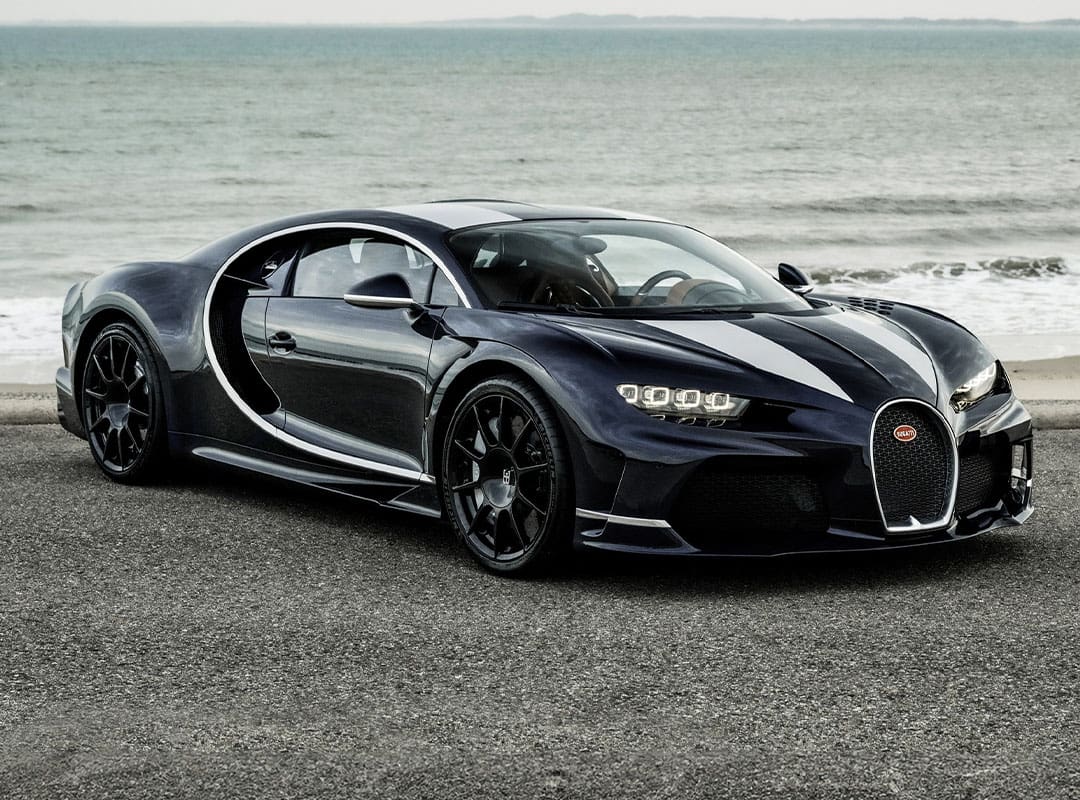
Reliability here means consistent operation without failure, predictable maintenance needs, and long-term usability. For the Bugatti Chiron, reliability includes engine durability, electronic stability, parts availability, and service support. Compare everyday-car reliability to hypercar reliability: standards differ, but consistency still matters for owners. Understanding this helps set realistic expectations for Bugatti Chiron reliability.
49% off Today's Exclusive Deals
Limited-time Exclusive Deals. Check current discount on Amazon.
Check Price on Amazon As an Amazon Associate I earn from qualifying purchases.Key engineering strengths that support Bugatti Chiron reliability
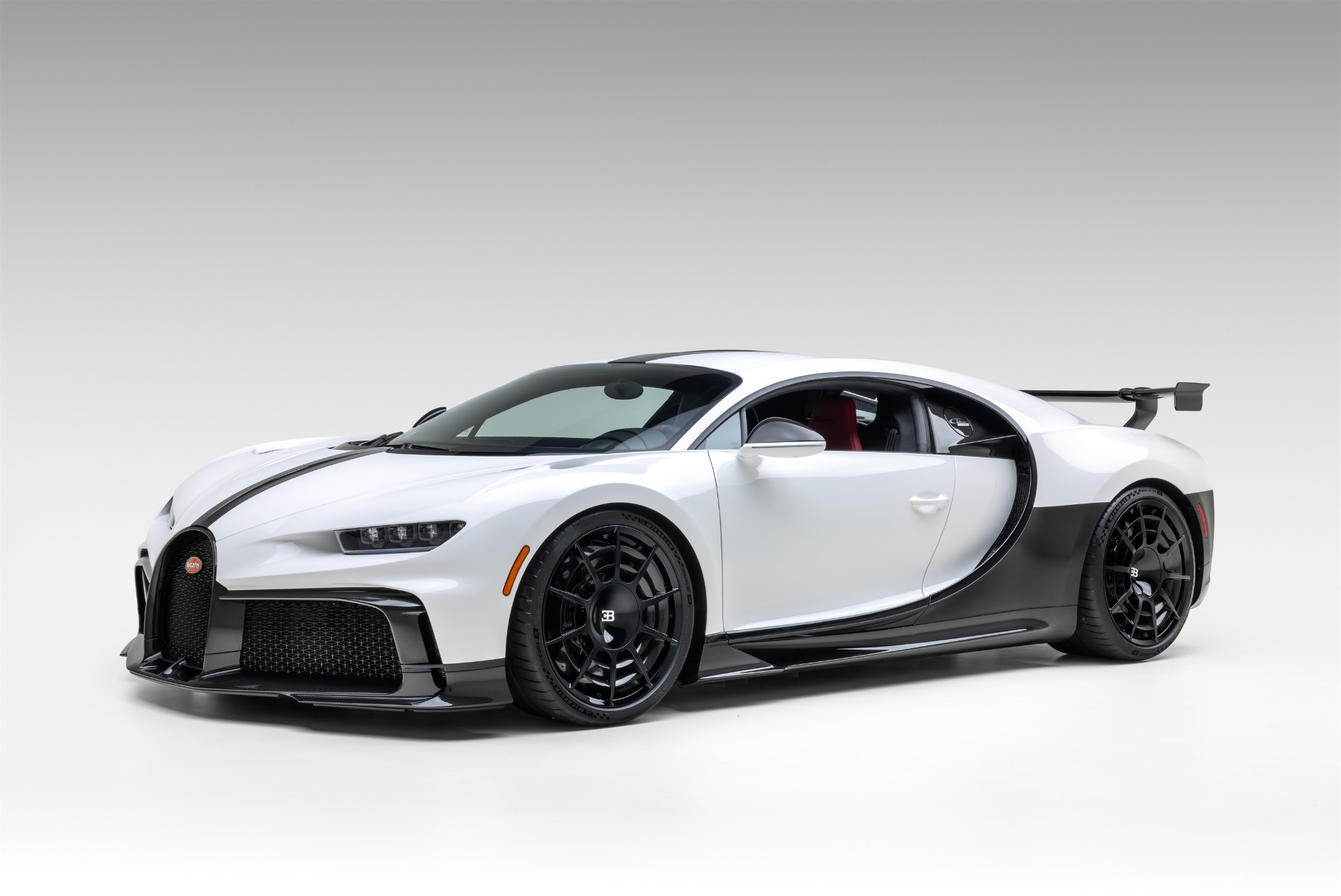
The Chiron is built on proven engineering and meticulous manufacturing. The quad-turbo W16 engine is hand-assembled and designed for enormous stress. The chassis and carbon-fiber tub are robust and made to last. Built-in redundancy in some systems helps prevent total failures. These design choices give the Chiron a foundation for strong Bugatti Chiron reliability when cared for properly.
Maintenance, service intervals, and recurring costs
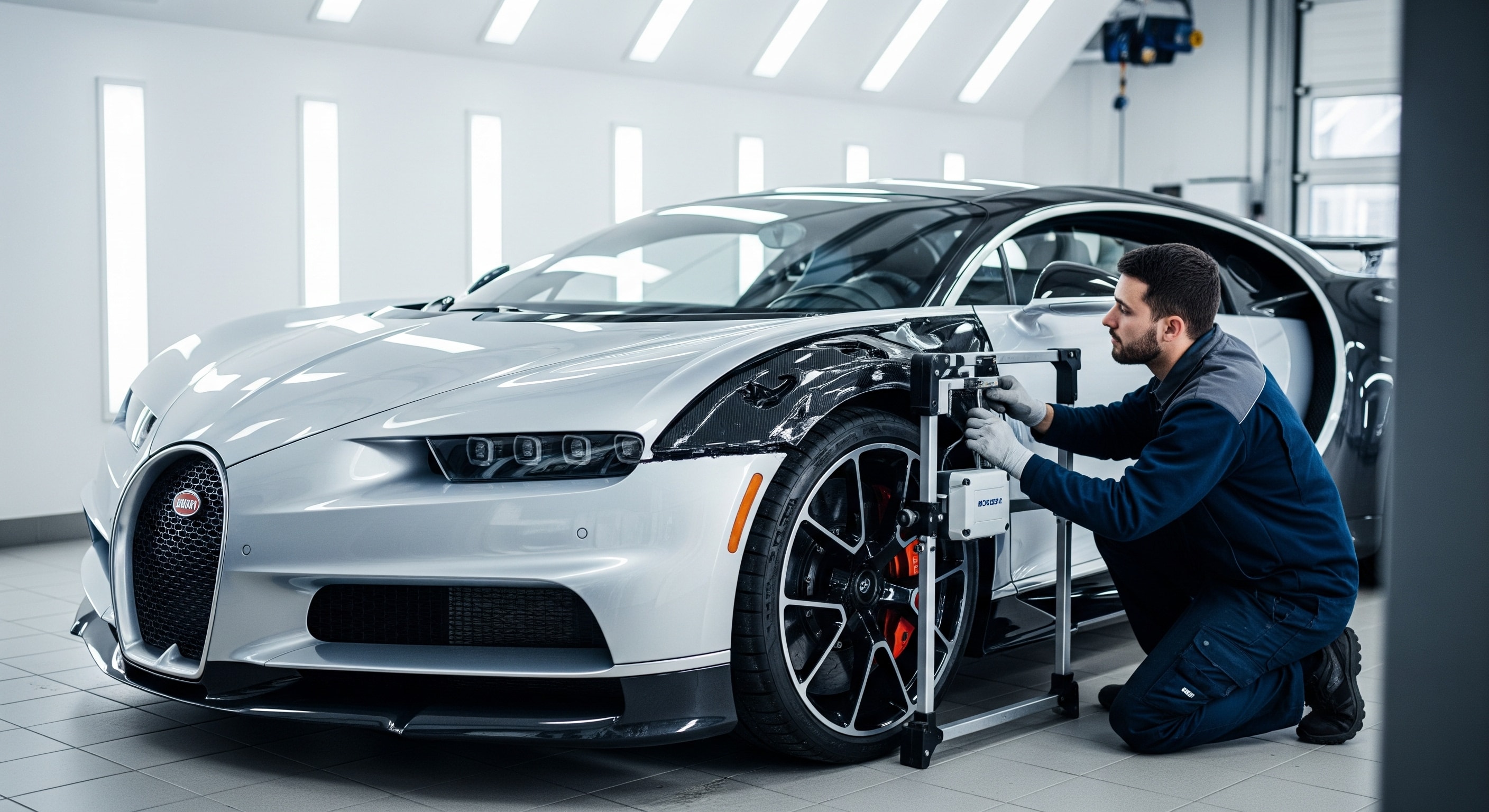
Owning a Chiron means planning for big bills. Major areas to expect costs:
- Scheduled service every year or based on low mileage timeframes.
- Oil changes, filter swaps, and coolant work by qualified technicians.
- High-cost wear items such as bespoke tires, brakes, and transmission service.
- Annual inspections and possible software updates by authorized service centers.
Expect service visits to cost tens of thousands of dollars, and major overhauls to be significantly more. These recurring demands are central to assessing Bugatti Chiron reliability.
49% off Today's Exclusive Deals
Limited-time Exclusive Deals. Check current discount on Amazon.
Check Price on Amazon As an Amazon Associate I earn from qualifying purchases.Common problems and known mechanical issues
While rare, some Chiron owners report issues that can affect long-term reliability:
- Electrical gremlins in bespoke infotainment and control modules.
- Cooling system stress when driven hard or in hot climates.
- Tire wear from extreme power and special tire construction.
- Complex transmission or clutch repairs if abused.
Most issues appear from misuse, neglect, or rare component failures. Regular expert service reduces these risks and improves Bugatti Chiron reliability.

Parts availability, OEM support, and service network
Bugatti maintains a tight, high-quality parts supply chain. Parts are rare and often bespoke, so lead times can be long and costs high. Authorized service centers and factory-trained technicians are limited but global, which helps long-term ownership. Warranty coverage and factory service plans can aid reliability by ensuring correct repairs. Access to OEM support strongly affects Bugatti Chiron reliability over time.
Depreciation, value retention, and impact on long-term ownership
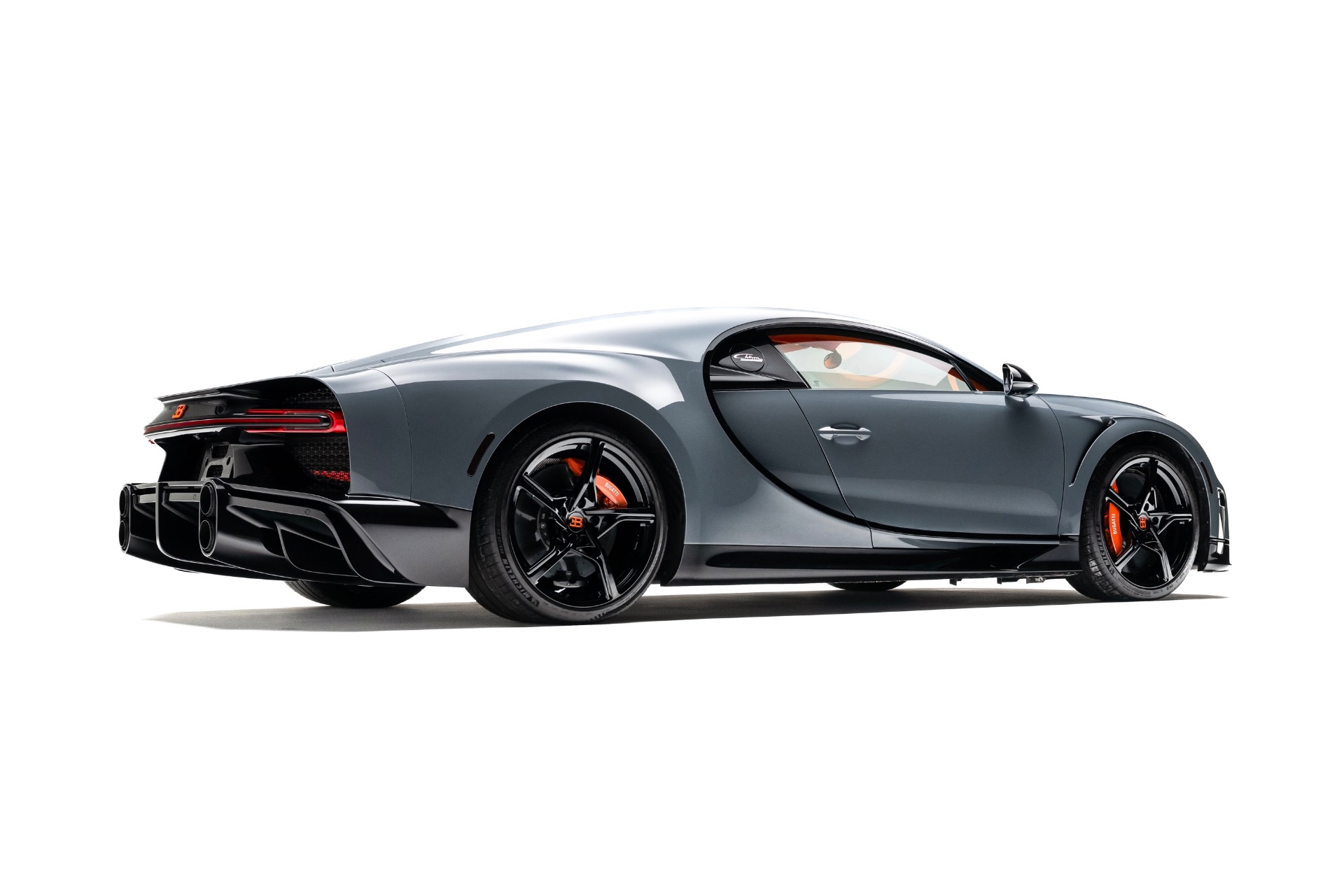
The Chiron is a collectible hypercar, so market behavior affects ownership more than everyday depreciation. Properly maintained Chirons tend to hold value well. Investing in documented service history, original parts, and low-mileage preservation supports long-term value. Good maintenance that preserves reliability also preserves resale appeal and long-term ownership economics.

Real-world longevity: what to expect and examples
A well-serviced Chiron can last many years and many thousands of miles. Expect mechanically sound life measured in decades when cared for. I have seen high-performance engines last when owners followed service schedules and avoided excessive track abuse. Regular, gentle driving, proper storage, and prompt repairs translate directly to stronger Bugatti Chiron reliability over time.

Practical tips to maximize Bugatti Chiron reliability
Follow these actions to protect reliability:
- Use authorized service centers for all major work and diagnostics.
- Keep a full, dated service record and receipts for every job.
- Store the car in a climate-controlled environment to protect electronics and materials.
- Rotate driving: occasional moderate drives keep seals and fluids healthy.
- Avoid prolonged idling, extreme track sessions, or ignoring warning lights.
These habits raise the chance that Bugatti Chiron reliability stays high for years.
Pre-purchase and ownership checklist
Before buying a Chiron, verify:
- Full factory service history with authorized entries.
- No severe repairs from crashes or floods; check chassis and VIN history.
- Tire age and brake condition are good; major wear items can be costly.
- Warranty and service plan transferability or availability for future care.
- Access to a nearby authorized service center or specialist.
A good checklist reduces surprises and supports long-term Bugatti Chiron reliability.
Frequently Asked Questions of How reliable is the Bugatti Chiron for long-term ownership?
How often does a Bugatti Chiron need servicing?
The Chiron typically needs annual service and periodic major inspections based on usage. Low-mileage owners still follow yearly checkups to maintain systems and warranties.
Are parts for the Chiron hard to find?
Parts are available but bespoke and limited, so lead times can be long and costs high. Authorized dealers manage most parts distribution to ensure authenticity.
Can I drive a Chiron daily without compromising reliability?
Daily driving is possible but not ideal; frequent short trips and traffic stress certain components. Gentle, regular use and proper maintenance preserve Bugatti Chiron reliability.
Is the W16 engine reliable long-term?
The W16 is robust when properly maintained and not abused. Regular oil changes, cooling care, and authorized service are key to long-term engine reliability.
How much should I budget for annual maintenance?
Budgeting tens of thousands yearly is prudent, depending on driving and service needs. Major repairs or replacements can cost much more, so contingency funds are essential.
Will the Chiron hold value if well-maintained?
Yes, a well-maintained Chiron with records tends to hold or even appreciate as a collector car. Proven maintenance and low mileage boost market appeal.
Conclusion
Owning a Bugatti Chiron long-term can be rewarding and practical for a committed owner. The car has strong engineering and potential for long life, but it demands expert care, high spending, and attention to detail. If you can commit to authorized service, proper storage, and a generous maintenance budget, Bugatti Chiron reliability will likely meet your expectations. Take action: get a full service history, talk to authorized technicians, and plan a realistic ownership budget before you buy. Leave a comment with your questions or subscribe for deeper guides on owning rare supercars.