Trim differences are mainly range, power, features, price, and wheel choices.
I’ve driven and reviewed all three main Model 3 variants and tested them in city and highway use. If you want a clear, practical guide to what separates each trim, this article breaks down what are the differences between Tesla Model 3 trims? in plain language, with numbers, ownership tips, and real-world impressions to help you choose the right one.

49% off Today's Exclusive Deals
Limited-time Exclusive Deals. Check current discount on Amazon.
Check Price on Amazon As an Amazon Associate I earn from qualifying purchases.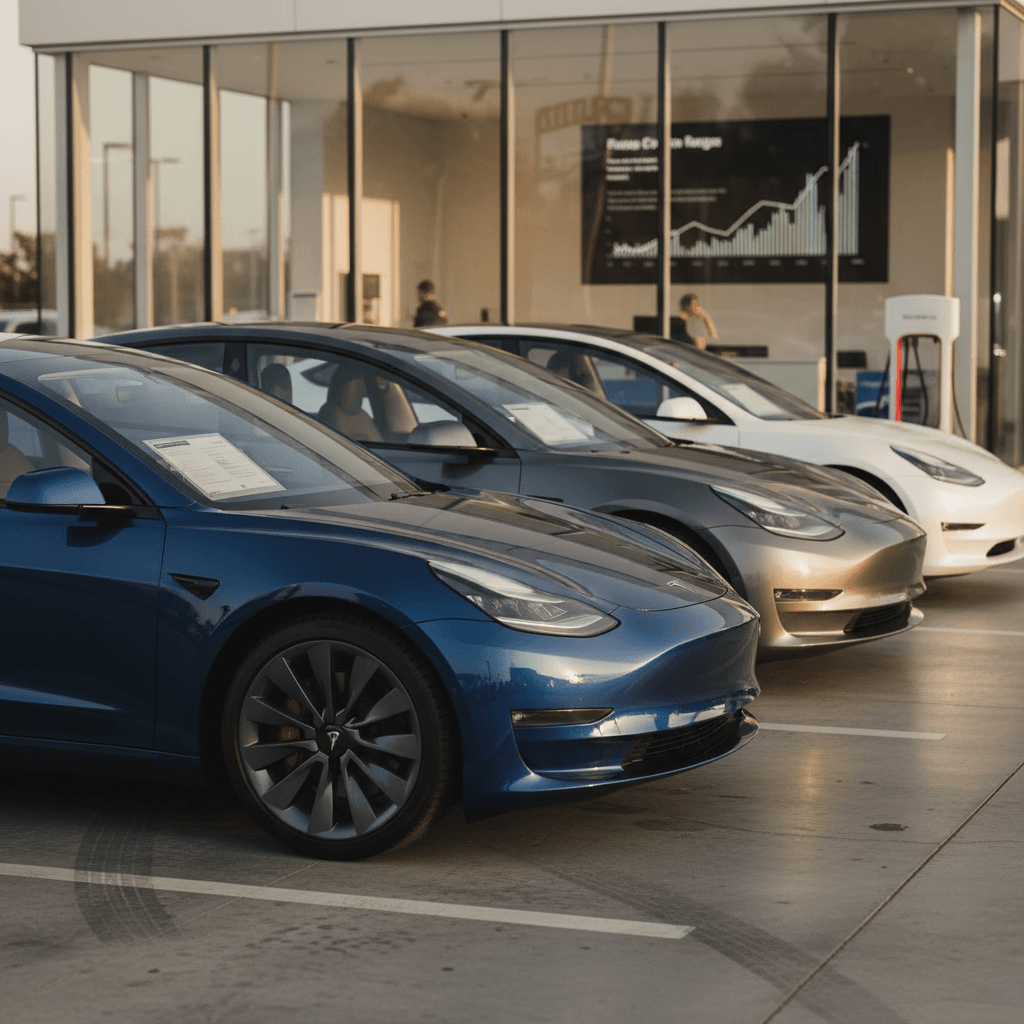
Quick overview: what are the differences between Tesla Model 3 trims?
The Tesla Model 3 lineup centers on three main trims: Rear-Wheel Drive (base), Long Range (dual motor AWD), and Performance. Each trim swaps range, acceleration, and hardware while sharing the same cabin, screen, and many software features. Choosing between them comes down to your budget, commute needs, and appetite for speed or efficiency.
49% off Today's Exclusive Deals
Limited-time Exclusive Deals. Check current discount on Amazon.
Check Price on Amazon As an Amazon Associate I earn from qualifying purchases.Trim-by-trim breakdown: what are the differences between Tesla Model 3 trims?
Below I break each trim into clear, easy-to-scan boxes so you can compare at a glance.
Rear-Wheel Drive (Base)
- Range and efficiency: Offers the shortest real-world range but is the most efficient per dollar. EPA-rated range varies by year and wheel choice, but expect roughly mid-200 miles in many model years.
- Performance: Slowest 0–60 time. Good for daily driving and commuting.
- Wheels and ride: Typically comes with smaller aero or 18-inch wheels for better economy and a softer ride.
- Cost and value: Lowest sticker price, lowest insurance and often lowest charging cost per mile.
Long Range (Dual Motor All-Wheel Drive)
- Range and efficiency: Long Range prioritizes miles per charge and balance between speed and range. It is the best option for long trips or mixed-driving needs.
- Performance: Quicker than the base trim thanks to a second motor. Acceleration is notably snappier but not as aggressive as Performance trim.
- Wheels and ride: Often offered with 19-inch wheels; choices impact range more than motors do.
- Cost and value: Mid-tier price. Best resale value for buyers needing range and day-to-day comfort.
Performance
- Range and efficiency: Slightly shorter range than Long Range due to sport wheels and tuning, but still very usable for daily driving.
- Performance: Fastest 0–60 time and highest top speed. Includes sport-tuned suspension, bigger brakes, and track-oriented hardware.
- Wheels and ride: Standard large wheels with performance tires; ride is firmer and less forgiving on rough roads.
- Cost and value: Highest sticker price and higher likely insurance. Great for buyers who prioritize speed and handling.
What are the differences between Tesla Model 3 trims? In short, the trims differ by range, acceleration, hardware (wheels, brakes, suspension), and price, while sharing core cabin tech and software.
Range, acceleration, and real-world energy use
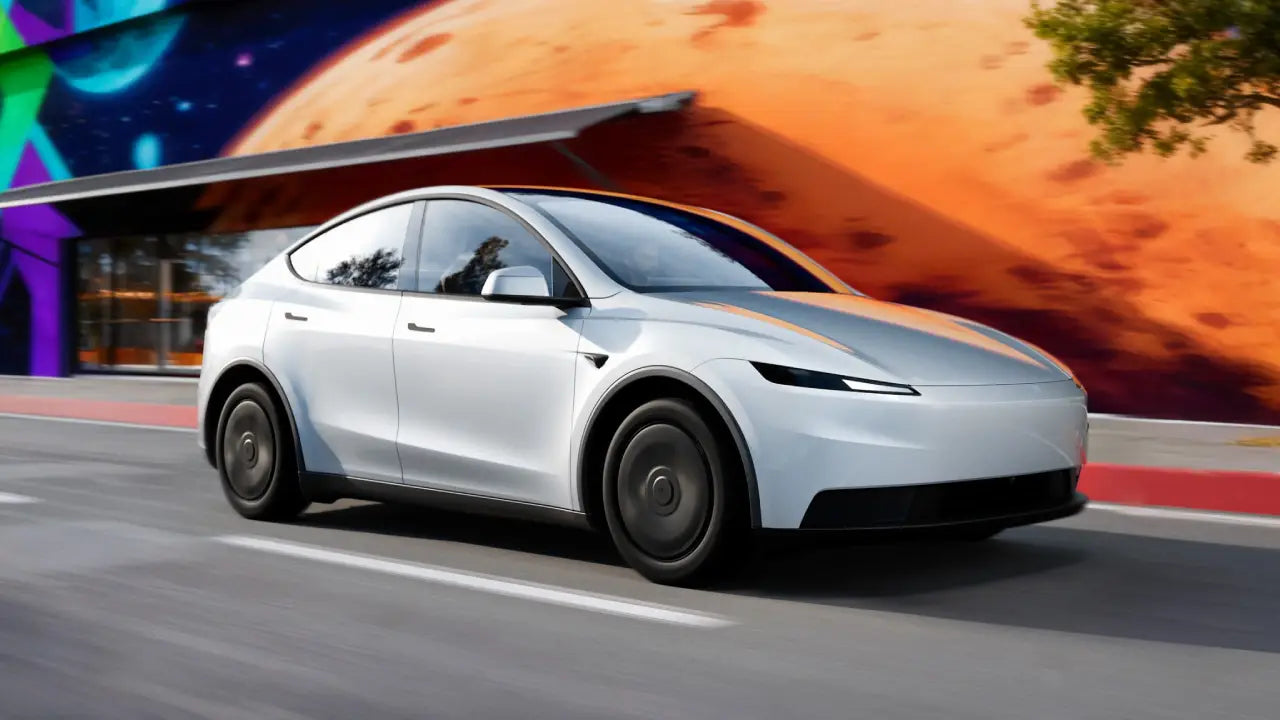
Range and speed are central to the question: what are the differences between Tesla Model 3 trims? Here’s how they stack up in practical terms.
49% off Today's Exclusive Deals
Limited-time Exclusive Deals. Check current discount on Amazon.
Check Price on Amazon As an Amazon Associate I earn from qualifying purchases.- Range trade-offs: Wheel size and trim both affect range. Smaller aero wheels help the base trim stretch miles. Long Range offers the highest published range. Performance sacrifices some miles for sport parts and wider tires.
- Acceleration goals: If you care about 0–60 times, Performance is the clear winner. Long Range gives a satisfying balance, and the base trim is tuned for efficiency over launch speed.
- Real-world factors: Weather, speed, HVAC use, and charging habits shape real range more than trim labels. City driving with regenerative braking can dramatically help every trim.
When thinking about what are the differences between Tesla Model 3 trims?, focus first on whether you need long highway range or track-like performance.

Features, software, and driver assistance
The question of what are the differences between Tesla Model 3 trims? also involves software and optional packs.
- Shared tech: All trims use Tesla’s central touchscreen, over-the-air updates, and the same basic infotainment suite. Comfort and basic driver aids are consistent across trims.
- Autopilot and Full Self-Driving: These features are software-cost options and are available for any trim. The hardware for driver assistance is typically consistent across trims.
- Convenience and packages: Some small packages or factory wheel options may be trim-specific or more common on higher trims.
Trim choice rarely changes core software capability, so pick hardware first and add software features based on need.
Charging, battery care, and ownership costs
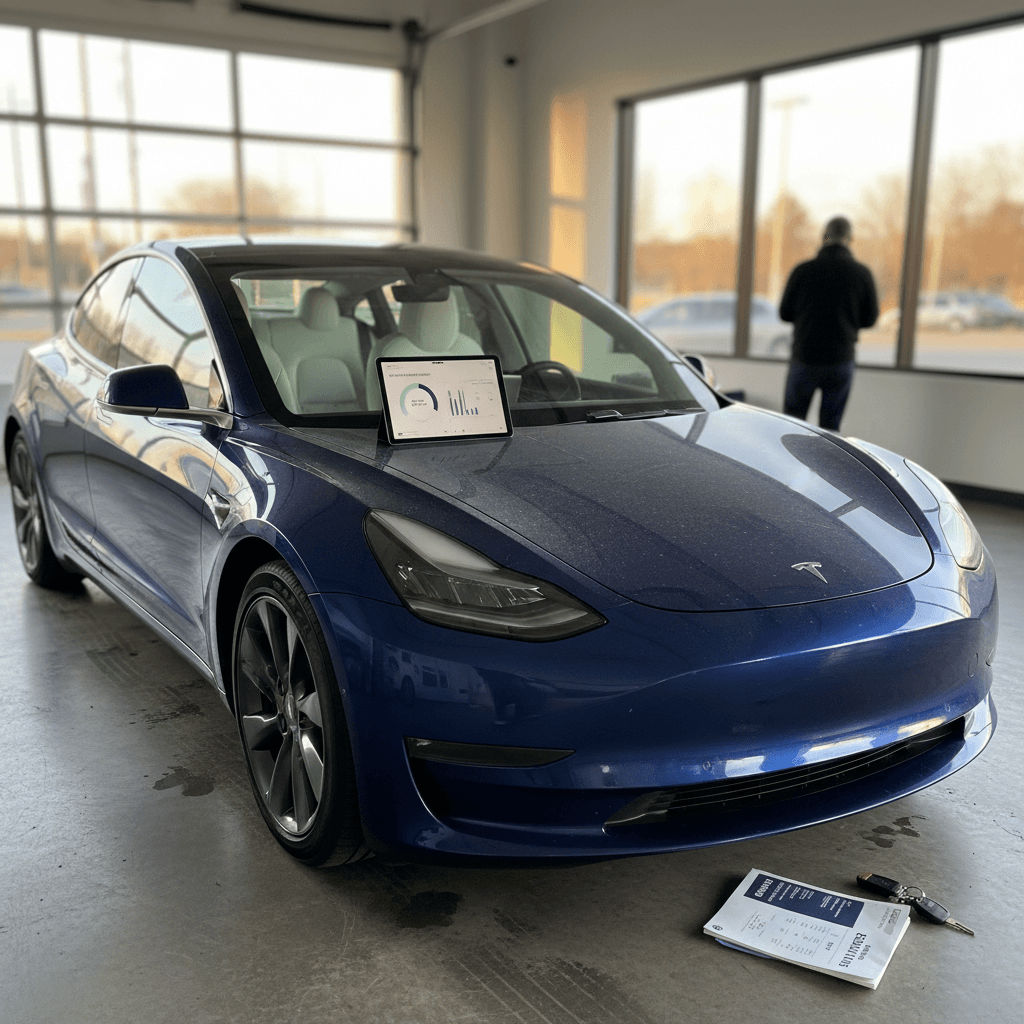
People often ask what are the differences between Tesla Model 3 trims? with charging in mind. Here’s what matters.
- Charging speed: Peak Supercharging rates are mostly similar across trims, but usable rates depend on battery chemistry and state of charge. Long Range batteries often cool differently on long runs.
- Cost to own: Performance trims usually cost more to insure and may use slightly more energy per mile on the same route. The base trim is the cheapest to operate per mile.
- Battery longevity: All trims share Tesla’s battery tech and benefit from recommended charging habits: avoid frequent 100% charges and prefer scheduled charging for daily use.
Practical tip from experience: choosing smaller wheels and using range mode can add noticeable usable miles on the base and Long Range trims.

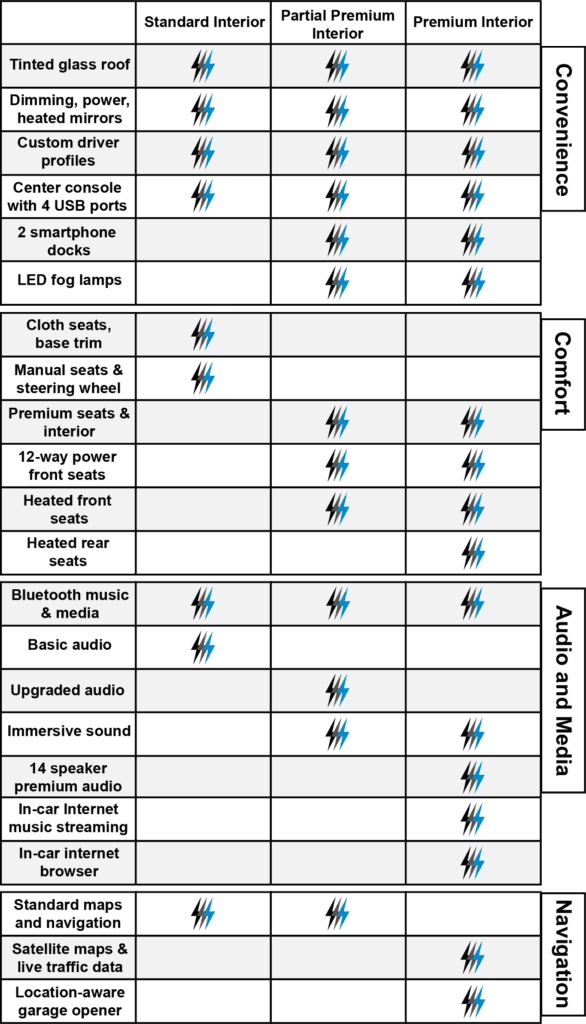
Interior, comfort, and daily usability
What are the differences between Tesla Model 3 trims? Interior differences are smaller but still matter.
- Cabin parity: Seats, screen, and general layout are the same across trims. Most comfort features are standard across the line.
- Ride comfort: Performance has a firmer ride due to sport suspension. If you drive rough roads daily, the base or Long Range may feel more comfortable.
- Practicality: Cargo space and rear seat comfort are similar across trims, so family usability is the same regardless of choice.
I chose Long Range for a blend of comfort and range during a week of highway testing. The ride felt composed and the range anxiety was gone.
Which trim should you pick? Practical buying guide
To answer what are the differences between Tesla Model 3 trims? with a decision in mind, match trim to use case.
- Choose Rear-Wheel Drive if:
- You prioritize budget and city commuting.
- You want the most efficient, low-cost daily driver.
- Choose Long Range if:
- You take regular long trips or want the best balance of range and comfort.
- You value lower long-term range anxiety and resale value.
- Choose Performance if:
- You want the fastest acceleration and sporty suspension.
- You don’t mind higher cost, firmer ride, and slightly lower range.
From my experience, buyers who do lots of highway miles prefer Long Range. Enthusiasts who love acceleration choose Performance despite higher costs.
PAA-style quick questions (short answers)
Q: How big is the range gap between trims?
A: The range gap is meaningful but not huge. Long Range adds many extra miles over the base, while Performance trims trade a bit of range for sport upgrades.
Q: Does the Performance trim get extra interior tech?
A: No major interior tech differences exist. Performance mainly adds suspension, brakes, wheels, and tuning.
Q: Can I add Long Range features later?
A: Motor and battery hardware cannot be fully upgraded after purchase; range is a hardware trait. Software features like Autopilot can be added later.
Personal lessons, tips, and common mistakes
I’ve driven different Model 3 trims on city streets, steep inclines, and long cross-country runs. Here are hands-on tips.
- Mistake to avoid: Choosing large performance wheels for looks without testing range impact. Big wheels cost you miles every day.
- Practical tip: If you mostly commute under 50 miles daily, the base trim often covers your needs and saves money.
- Ownership insight: Factor insurance and potential maintenance from performance brakes and tires if you buy Performance trim.
What are the differences between Tesla Model 3 trims? Real-world use shows the biggest differences show up on long drives and spirited runs, not on short commutes.
Frequently Asked Questions of What are the differences between Tesla Model 3 trims?
What are the key hardware differences between the trims?
Key hardware differences are motors (single vs dual), suspension tuning, brakes, and wheel/tire choices. Long Range uses dual motors; Performance adds sport suspension and upgraded brakes.
How much more does the Long Range buy you in miles?
Long Range typically provides the largest jump in usable miles versus the base trim. Exact miles vary by model year, wheel choice, and driving conditions.
Is Full Self-Driving included with any trim?
Full Self-Driving is a purchasable software option and is not included automatically with any trim. You can add it at purchase or later if you choose.
Which trim is best for long road trips?
Long Range is best for frequent long trips because it prioritizes maximum range and comfort. It reduces charging stops and eases range anxiety.
Does the Performance trim handle daily driving well?
Yes, Performance handles daily driving well but has a firmer ride and higher running costs due to tires and brakes. It’s ideal for drivers who value dynamic performance over comfort.
Conclusion
Choosing between trims comes down to a few clear trade-offs: range versus performance, cost versus speed, and comfort versus sportiness. Match your daily miles and driving style to the trim that fits your budget and needs, and prioritize wheel choice and charging habits to get the most from your decision. If you want more range for road trips, pick Long Range; if you want thrills, pick Performance; if you want value, pick Rear-Wheel Drive. Share your priorities or questions below, and consider subscribing or commenting to learn more about Tesla ownership and smart EV buying.