Owning a Bugatti Chiron brings unmatched speed, exclusivity, and costs that few can justify.
I have spent years covering hypercars and speaking with owners, engineers, and collectors. This article breaks down the pros and cons of owning a Bugatti Chiron with clear facts, practical examples, and real-world advice. If you are thinking about owning a Bugatti Chiron, or simply curious, you will get a balanced view of performance, cost, lifestyle, and long-term value here.

49% off Today's Exclusive Deals
Limited-time Exclusive Deals. Check current discount on Amazon.
Check Price on Amazon As an Amazon Associate I earn from qualifying purchases.
Performance and engineering
The Chiron is a technical marvel. It uses an 8.0-liter W16 quad-turbo engine that produces roughly 1,500 horsepower. Acceleration is blistering, with 0–60 mph times in the low 2-second range. The car feels planted and refined at high speed thanks to advanced aerodynamics and a sophisticated all-wheel-drive system.
Pros
49% off Today's Exclusive Deals
Limited-time Exclusive Deals. Check current discount on Amazon.
Check Price on Amazon As an Amazon Associate I earn from qualifying purchases.- Extreme performance that few cars can match in straight-line speed and stability.
- Cutting-edge engineering and materials. Lightweight alloys and carbon-fiber give both strength and agility.
- A refined chassis and active aerodynamics that make high-speed driving surprisingly composed.
Cons
- The power is overkill for most roads and many drivers. It’s difficult to exploit legally.
- Complexity increases service needs. High-tech systems need expert care.
- Fuel consumption is extremely high, making it pricey to run even for short drives.
PAA-style quick questions
- Can a Chiron be driven on public roads? Yes. The Chiron is road-legal, but many owners reserve full-throttle runs for closed tracks or private roads.
- How fast is the Chiron? It’s electronically limited in most versions to certain top speeds, but it’s engineered for speeds well above typical highways.
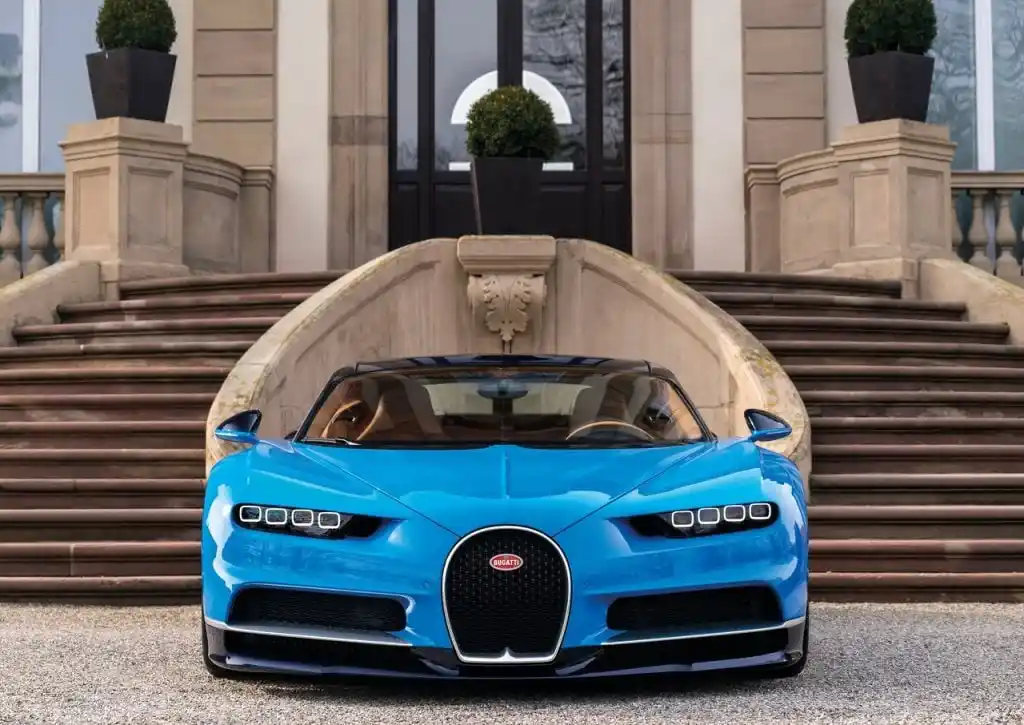
Cost of purchase and ownership
Buying price is only the start. New Chirons typically list in the low millions of dollars. Special editions can fetch much more. The sticker price is followed by taxes, delivery fees, and often bespoke customization costs.
49% off Today's Exclusive Deals
Limited-time Exclusive Deals. Check current discount on Amazon.
Check Price on Amazon As an Amazon Associate I earn from qualifying purchases.Ongoing costs
- Fuel: Expect huge fuel bills. The Chiron sips gas in single-digit miles per gallon when driven hard.
- Insurance: Premiums are high. Coverage costs depend on driver history and region but are substantial.
- Tires and consumables: Specialized tires and brake components command premium prices and need expert replacement.
If you are thinking about owning a Bugatti Chiron, plan an ownership budget that is several times the purchase price across years for care, storage, and insurance.

Maintenance, service, and reliability
The car is reliable when serviced properly. But “properly” means factory-trained technicians and specific parts. Routine service is more involved than with regular cars.
Key maintenance realities
- Service intervals require specialized shops. Simple oil changes and inspections are not DIY jobs.
- Parts are bespoke and can have long lead times. Repairs take time and cost more.
- Consumables like tires and brakes wear faster under spirited driving and are costly to replace.
From my experience talking with owners, unexpected service bills and wait times are the biggest practical hassles. If you value downtime and simple repairs, owning a Bugatti Chiron might frustrate you.
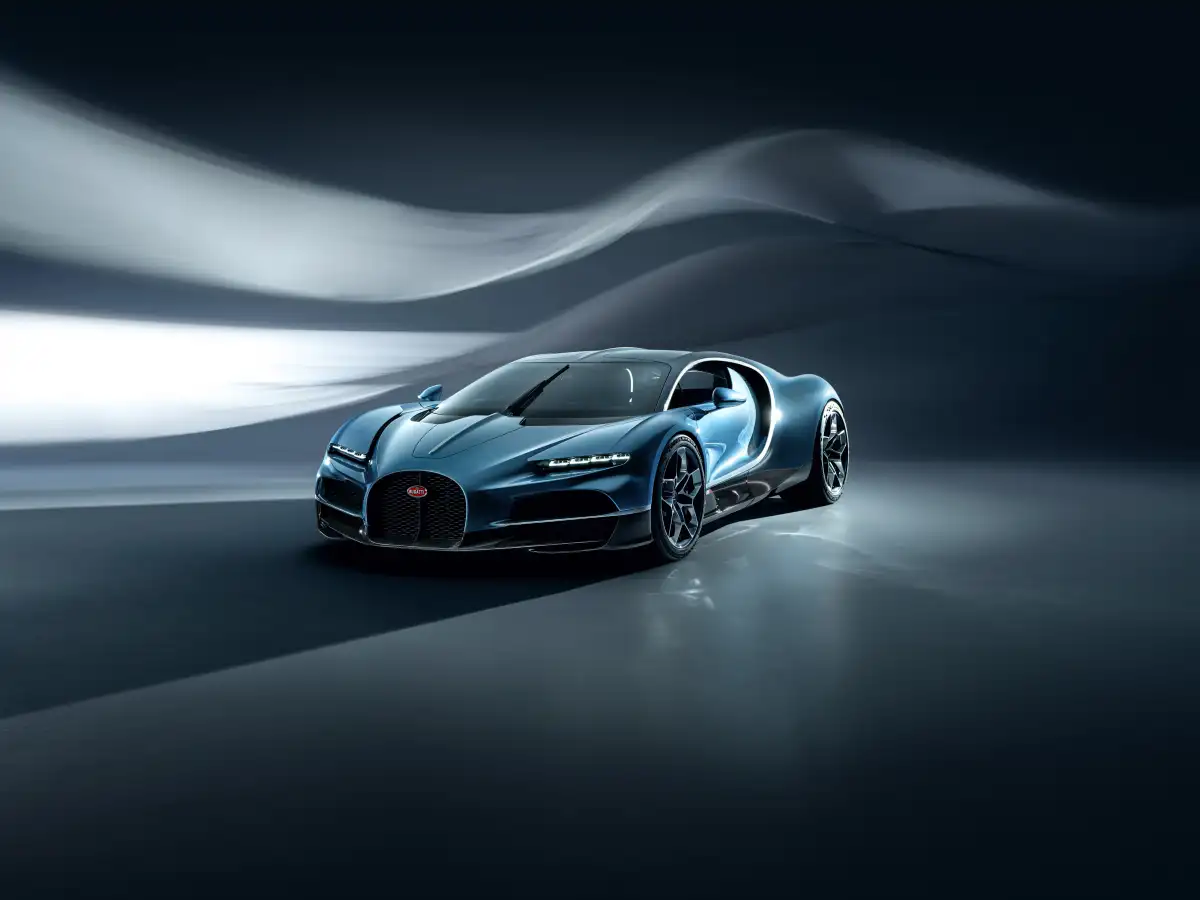
Practicality and daily use
The Chiron is not a practical daily driver for most people. It is wide, low, and focused on performance.
Practical limits
- Low ground clearance makes speed bumps and steep driveways a challenge.
- Tight parking and city streets can be stressful due to size and visibility limits.
- Cabin space is modest. Luggage room is small, suited to short trips or weekend bags.
That said, some owners do use the Chiron as a weekend or touring car. With careful planning, occasional longer trips are possible and can be spectacular.

Resale value and collectibility
The Chiron benefits from rarity and brand cachet. Production is limited, which helps long-term value for many editions.
Value factors
- Limited production and unique commissions often preserve or grow value.
- Special editions and well-documented provenance boost resale potential.
- Condition, mileage, and service records are crucial for future buyers.
If you see owning a Bugatti Chiron as an investment, buy with care. Rare specs and low miles matter. I have seen examples that maintain value and some that don’t, depending on market timing and rarity.
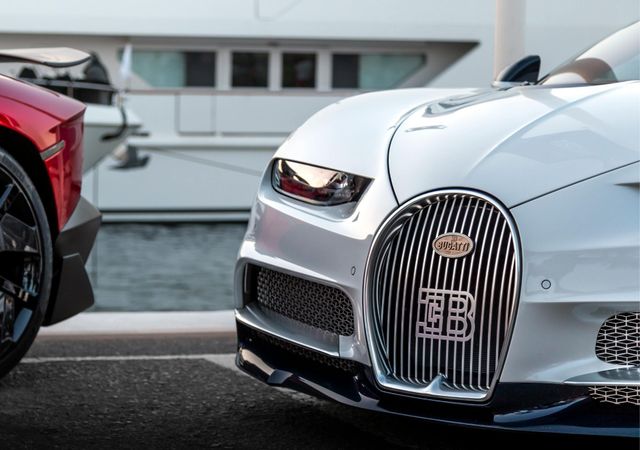
Ownership experience and lifestyle
Owning a Chiron is as much about lifestyle as it is about a car. It unlocks access to elite events, bespoke services, and a small club of peers.
Lifestyle benefits
- Exclusive owner services from the manufacturer and dedicated events.
- A strong community of collectors who share tips and resources.
- Personalization options make each car unique and meaningful.
Lifestyle downsides
- Attention is constant. Public visibility can be intense and tiring.
- Security needs increase. Secure storage and transport add to cost.
- Social expectations around maintenance and presentation can pressure owners.
When I attended an owner event, I noticed that owners trade stories about maintenance and travel more than speed runs. Owning a Bugatti Chiron changes how you travel and socialize.
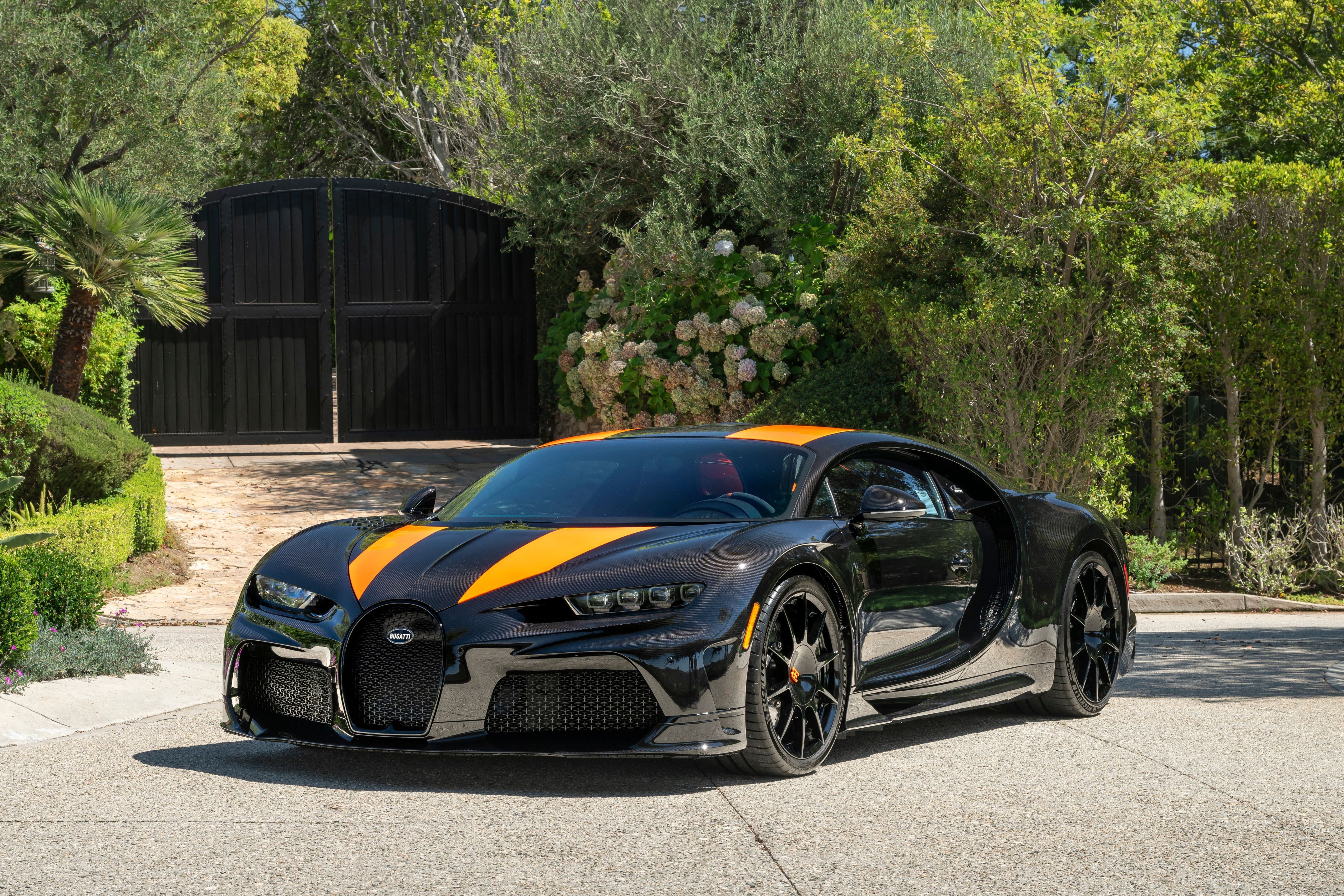
Practical tips from experience
- Budget broadly: Include servicing, storage, insurance, and high-end consumables in your plan. Owning a Bugatti Chiron is a long-term commitment.
- Keep meticulous records: Service logs and receipts help resale and support value retention.
- Use the right team: Work with factory-trained technicians and vetted transporters to avoid mishaps.
- Drive it carefully: Regular, gentle use keeps systems healthy. Abuse or long idle periods both cause problems.
If you plan on owning a Bugatti Chiron, these small steps save time and money later.

Frequently Asked Questions of What are the pros and cons of owning a Bugatti Chiron?
Is owning a Bugatti Chiron worth it?
Worth is personal. If you value extreme performance, rarity, and elite services, it can be worth it. If you need practicality and low cost of ownership, it likely is not worth it.
How much does it cost to maintain a Bugatti Chiron per year?
Annual maintenance costs vary but expect high numbers compared with mainstream cars. Routine servicing, insurance, and occasional consumables often run into tens of thousands annually.
Can you drive a Bugatti Chiron every day?
You can, but it is not ideal for daily driving. Low clearance, fuel use, and parking make daily use inconvenient for most people.
Do Chirons hold their value?
Many Chirons retain value due to rarity and brand prestige. Special editions and well-kept examples have the best chance at maintaining or increasing value.
What are the biggest downsides of owning a Bugatti Chiron?
High purchase price, steep running costs, and the need for specialized service are the main downsides. Practical limits like clearance and parking also reduce daily usability.
Are there tax or legal issues with owning a Chiron?
Taxes depend on your country and can be significant at purchase or import. Emissions and registration rules vary, so check local laws before buying.
Conclusion
Owning a Bugatti Chiron offers a rare mix of ultimate performance, craftsmanship, and exclusivity. It also brings high costs, complex maintenance, and practical limits that many owners must accept. If you love remarkable engineering and can afford the upkeep, owning a Bugatti Chiron can be a once-in-a-lifetime joy. If not, consider alternatives that deliver fun without the same long-term demands.
Decide with clarity. Make a budget, talk to current owners, and test-drive carefully. If this article helped, leave a comment, explore more guides, or subscribe for deeper coverage on hypercar ownership.






One Comment on “What Are The Pros And Cons Of Owning A Bugatti Chiron?:Pros”