Modern Formula One cars can hit roughly 360–372 km/h (224–231 mph) on long straights.
As an engineer and longtime trackside writer, I break down exactly how fast a Formula One car can go and why. I will explain the top recorded speeds, the physics behind them, the parts that matter, and real-world limits. Read on to learn the facts, the trade-offs, and tips from the paddock that answer the question, How fast can a Formula One car go?

49% off Today's Exclusive Deals
Limited-time Exclusive Deals. Check current discount on Amazon.
Check Price on Amazon As an Amazon Associate I earn from qualifying purchases.
The physics of top speed
To truly answer How fast can a Formula One car go? we must start with basic physics.
Top speed is the balance between engine power and aerodynamic drag.
Power pushes. Drag resists. When they match, the car stops accelerating.
Lift, downforce, and air flow shape drag.
Downforce helps cornering but adds drag on straights.
Teams tune this balance for each track. Low downforce equals higher top speed.
49% off Today's Exclusive Deals
Limited-time Exclusive Deals. Check current discount on Amazon.
Check Price on Amazon As an Amazon Associate I earn from qualifying purchases.Rolling resistance and tire grip also matter.
A heavier fuel load slows the car. A lighter car goes faster on straights.
Gearing limits top speed too. Teams set ratios for the track layout.
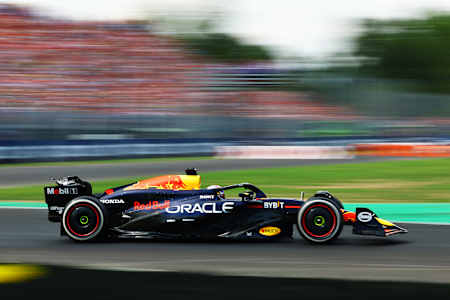
What is the fastest speed a Formula One car has reached?
If you ask How fast can a Formula One car go? the short historical answer is around 372 km/h.
That value is the ballpark for the highest radar-confirmed runs on modern circuits.
Typical top speeds on low-drag tracks fall between 340 km/h and 360 km/h.
Race conditions and car setup change the figure.
In qualifying, short runs with light fuel and fresh tires can push speeds higher for a lap.
On long straights, slipstream and DRS can add small boosts to peak speed.
49% off Today's Exclusive Deals
Limited-time Exclusive Deals. Check current discount on Amazon.
Check Price on Amazon As an Amazon Associate I earn from qualifying purchases.
Key factors that determine top speed
To answer How fast can a Formula One car go? you must look at components and context. Here are the main factors.
-
Aerodynamics
Aerodynamic drag is the biggest limiter to top speed. Low-drag wings and clean bodywork help. Teams use small wings at Monza to reach maximum speed. -
Power unit and torque
The hybrid turbo engine and energy recovery systems provide peak power. Higher peak power gives higher top speed if drag is unchanged. -
Transmission and gear ratios
Final gear ratio caps the top speed. Teams choose gears for the best lap time, not for absolute top speed. -
Tires and rolling resistance
Tire compound and pressure change rolling drag and grip. Tires also affect slip and heat, which influence speed choices. -
Fuel load and weight
More fuel equals more weight and lower top speed. That is why qualifying runs are faster than early-race laps. -
Track layout and altitude
Long straights and high altitude reduce air density and allow higher speeds. Tracks like Monza and Baku offer the best top-speed opportunities.
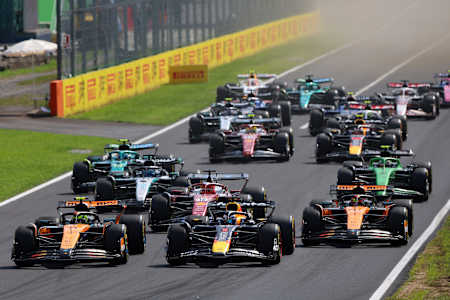
Race speeds vs qualifying and record straight speeds
People often ask How fast can a Formula One car go? and expect one number. Reality is a range.
Qualifying laps use low fuel and fresh tires. They can show a higher peak speed on a straight.
Race laps include heavier fuel and tire wear, so top speeds are usually lower.
DRS and slipstreaming change peak speeds mid-race.
A following car can gain several km/h in the tow of a lead car. DRS adds a few more km/h on specific straights.
Record straight speeds are often set in special low-drag setups.
Teams will sacrifice corner speed for a shot at the headline top speed. That is a tactical choice, not a pure performance win.
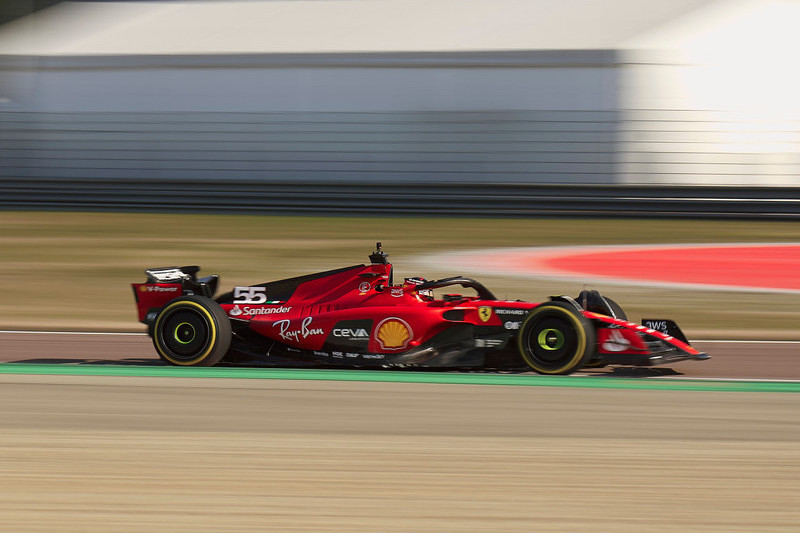
Performance numbers and limits
When readers ask How fast can a Formula One car go? they want numbers. Here are safe, clear figures.
- Typical top speed on a low-drag circuit: about 340–360 km/h (211–224 mph)
- Highest recorded modern speeds: roughly 370–372 km/h (230–231 mph) in peak runs
- Acceleration: 0–100 km/h in about 2.4–2.6 seconds for modern cars
- Braking: deceleration peaks up to 5–6 g on heavy braking zones
Technical limits also matter.
Fuel flow rules and engine maps cap available power. Gearbox design and tire rules add constraints.
Teams chase the best lap time within these bounds.

My trackside experience and practical tips
I spent years at paddocks and stood trackside for many grands prix. I listened to engineers and watched practice sessions. Here are practical takeaways.
- You see top speed numbers spike at low-drag tracks like Monza and Baku.
- Teams test different wing levels in practice to find the best time trade-off.
- Drivers say top speed feels flat; the thrill is in the corner exit and the rush into the straight.
Tips if you want to compare speeds yourself:
- Look at telemetry or live timing for peak speed on each lap.
- Note fuel load and tire choice; these explain big differences between runs.
- Factor in slipstreaming—chasing another car increases peak speed.

Frequently Asked Questions of How fast can a Formula One car go?
What is the absolute top speed an F1 car can reach on track?
Modern F1 cars have recorded peak speeds around 370–372 km/h (230–231 mph) on long straights. Typical maximums on low-drag tracks sit slightly lower, near 340–360 km/h.
Why do F1 cars not always run at maximum top speed?
Teams tune cars for lap time, not raw speed. Downforce needed for corners increases drag. Also fuel load, tire wear, and engine limits reduce top speed.
How does DRS affect How fast can a Formula One car go?
DRS reduces rear wing drag on designated straights and can add a few km/h to top speed. It helps overtaking but is only available in certain zones and conditions.
Do F1 cars go faster now than in the past?
Top speeds have varied. Changes in aero rules, engine technology, and tire design cause shifts. Recent hybrid-era cars can be slightly slower on top speed than some older low-downforce cars but are faster overall on lap time.
Can a track day or road car match F1 top speed?
No. Road cars may reach high top speeds, but they lack the aero, power-to-weight ratio, and braking systems of F1 cars. F1 cars are optimized for lap time rather than straight-line comfort or practicality.
Conclusion
We explored the short and long answers to How fast can a Formula One car go? and why that number varies. Modern F1 cars typically hit 340–372 km/h depending on setup, track, and conditions. The true limit is a mix of power, aerodynamics, tires, gearing, and rules.
If you love speed, follow practice sessions and top-speed charts. Watch how teams trade straight-line speed for cornering grip. Try comparing speeds across tracks to see the trade-offs in action. Leave a comment with the track you want analyzed or subscribe for more race insights and trackside lessons.