A Formula One car is made of chassis, power unit, aerodynamics, suspension, brakes, electronics, and safety systems.
I have built and raced scaled open-wheel cars and worked with engineers on track projects, so I know what makes these machines tick. This article explains what are the main components of a Formula One car? with clear details, simple analogies, and real-world tips. Read on to learn how each major part works, why it matters, and how teams tune every element for speed and safety.

49% off Today's Exclusive Deals
Limited-time Exclusive Deals. Check current discount on Amazon.
Check Price on Amazon As an Amazon Associate I earn from qualifying purchases.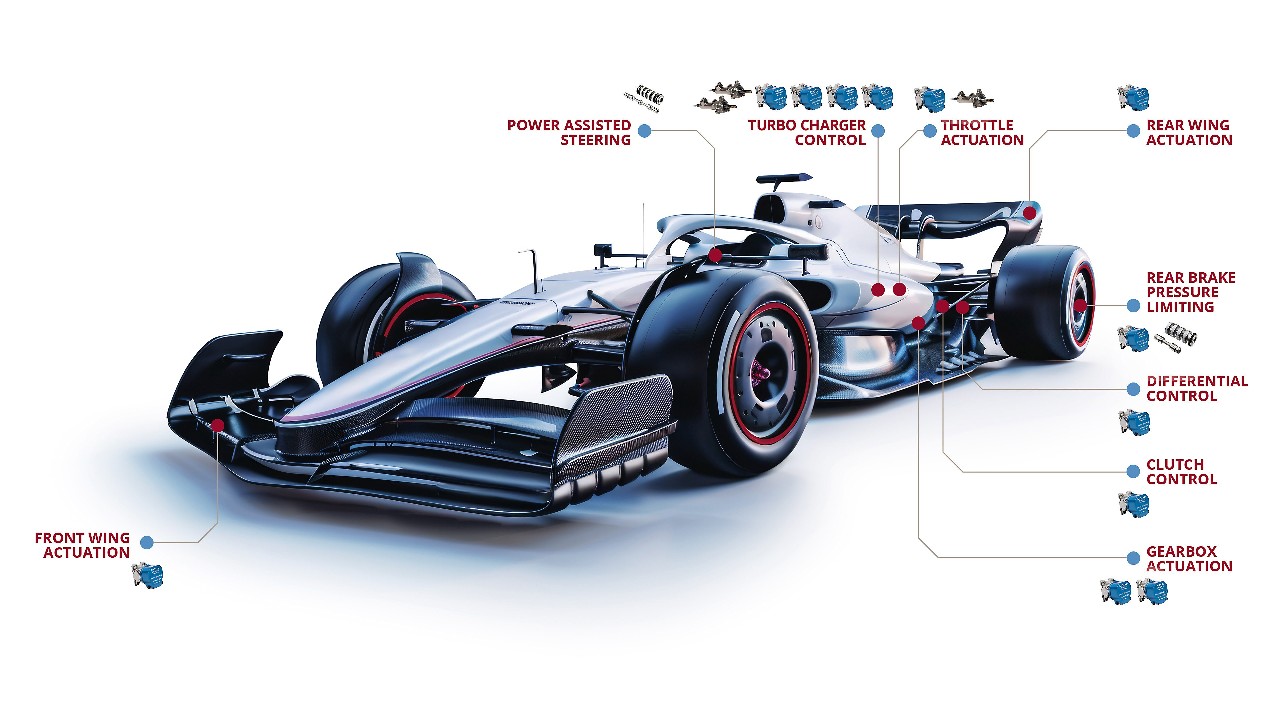
Overview: What are the main components of a Formula One car?
A Formula One car is a system of parts designed for speed, grip, and safety. The main groups are the chassis, power unit, transmission, aerodynamics, suspension, brakes, tires, electronics, and safety gear. Each part affects lap time and reliability. Knowing what are the main components of a Formula One car? helps you see how teams balance power, weight, and control.
49% off Today's Exclusive Deals
Limited-time Exclusive Deals. Check current discount on Amazon.
Check Price on Amazon As an Amazon Associate I earn from qualifying purchases.Chassis and monocoque
The chassis is the car's backbone. Modern F1 cars use a carbon-fiber monocoque. It forms the driver's survival cell and mounts many components. The monocoque gives stiffness with minimal weight. It also houses fuel, electronics, and cooling ducts. Design focuses on rigid structure for handling and crash protection.
Key features:
- Carbon-fiber construction for high strength-to-weight ratio.
- Driver cockpit and roll structure integrated.
- Mounting points for suspension, power unit, and bodywork.
I remember inspecting a monocoque after a test. The weave pattern and resin finish showed quality at a glance. That attention to detail matters when split seconds decide races.
49% off Today's Exclusive Deals
Limited-time Exclusive Deals. Check current discount on Amazon.
Check Price on Amazon As an Amazon Associate I earn from qualifying purchases.Power unit: engine, MGU-K, MGU-H, and energy store
The power unit combines internal combustion and hybrid systems. It is compact but complex. The key parts are:
- Turbocharged V6 internal combustion engine.
- MGU-K for kinetic energy recovery.
- MGU-H for heat recovery from the turbo.
- Energy store (battery) and control electronics.
The power unit delivers peak power and recovers energy under braking and from exhaust heat. Regulations limit fuel flow and energy deployment. Engineers tune mapping for different tracks and strategies. Understanding what are the main components of a Formula One car? means appreciating how the power unit blends efficiency with outright power.

Transmission and gearbox
The gearbox transfers power to the wheels. F1 gearboxes are semi-automatic and highly compact. Typical features include:
- Eight forward gears and one reverse gear.
- Seamless shift or quick-shift systems.
- Lightweight titanium and carbon internals.
Gear ratios are track-specific. Gearbox design balances durability and weight. Failure here ends a race quickly, so teams monitor temperatures and oil flow constantly.

Aerodynamics: wings, floors, and diffusers
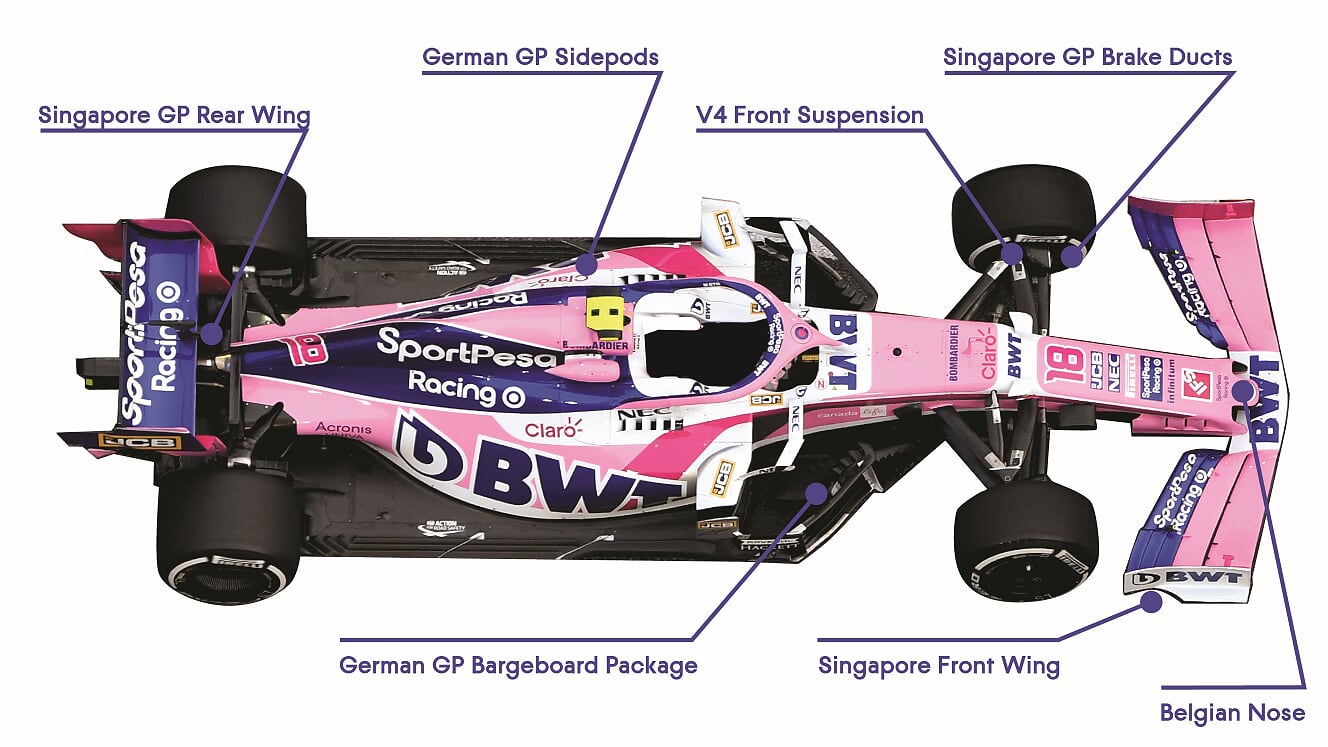
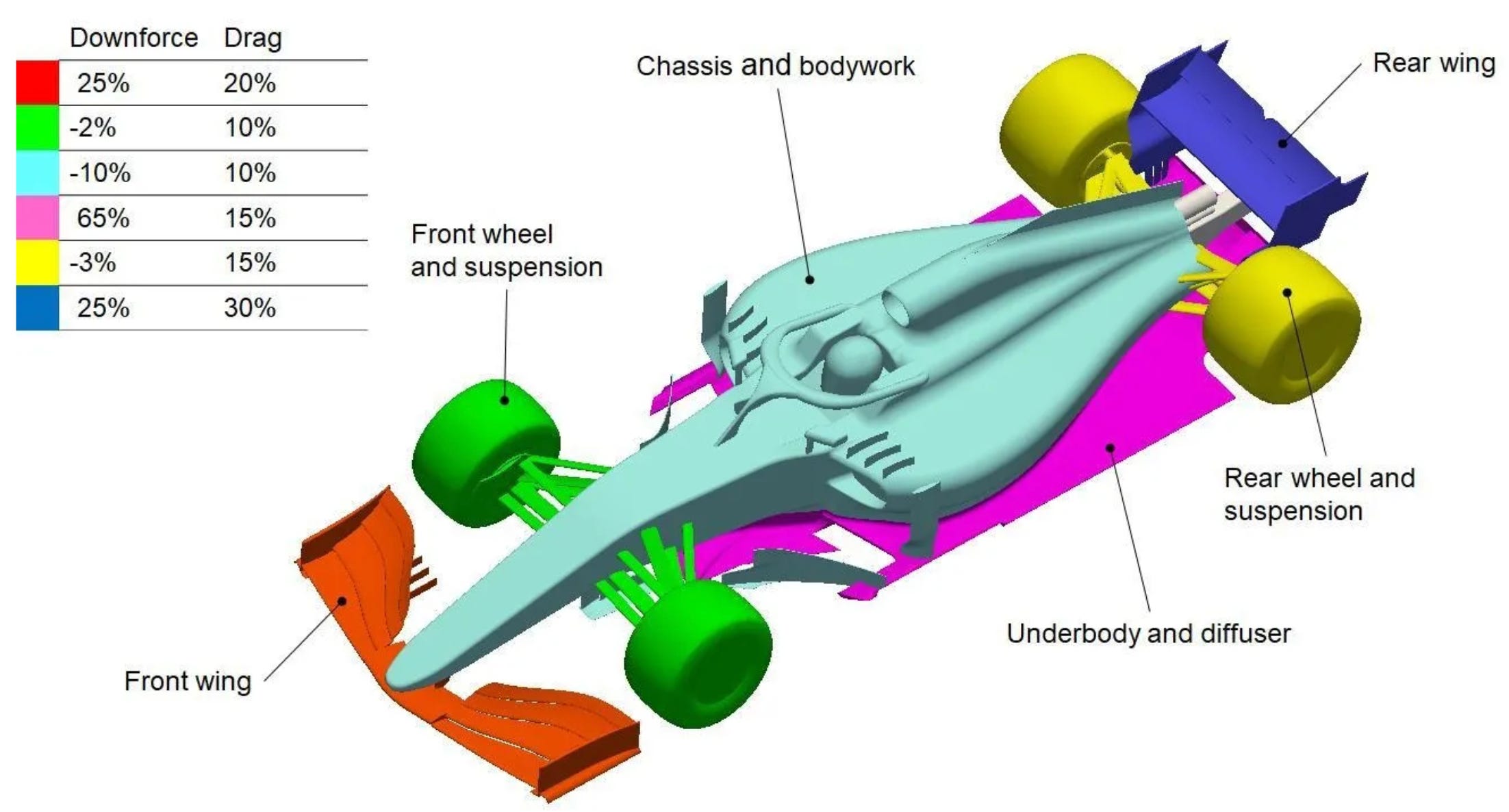
Aerodynamics control downforce and drag. They are critical for cornering speed and straight-line pace. Main aerodynamic parts include:
- Front wing for steering balance and downforce.
- Rear wing for rear stability and drag control.
- Underfloor and diffuser for ground-effect downforce.
- Bargeboards and turning vanes to manage airflow.
Small changes in aero can cut tenths or add seconds. Wind-tunnel data and CFD drive design choices. When you ask what are the main components of a Formula One car?, know that aero often makes the largest difference between cars.
PAA-style question:
What does aerodynamic downforce do?
Answer: Downforce presses the car to the track. It increases grip in corners but adds drag on straights.

Suspension and steering
Suspension keeps tires in contact with the road. F1 suspension is tuned for precision. Key elements:
- Double wishbones and pushrod or pullrod layouts.
- Dampers and springs tuned per track.
- Anti-roll bars and adjustable geometry.
- Power-assisted steering systems.
Suspension affects tire wear and ride over kerbs. Teams log suspension data at high rates to tweak setups. From experience, a small change in spring rate can change driver confidence instantly.
Wheels, tires, and wheel assemblies
Tires are the only contact with the track, so they matter most. Components include:
- 13-inch wheel rims and single-piece carbon clamps.
- Tires supplied in compounds for different conditions.
- Tire pressure and camber setups tuned for grip.
Drivers and engineers constantly monitor tire temperature and wear. Choosing the right tire strategy often wins races. When discussing what are the main components of a Formula One car?, remember tires translate all power and aero into lap time.
Braking system
Brakes must halt a car from high speed repeatedly. F1 braking systems are advanced. Main parts:
- Carbon-carbon brake discs and pads.
- Multi-piece calipers and cooling ducts.
- Brake-by-wire rear system linked to energy recovery.
Brake cooling is vital to prevent fade. Drivers modulate brakes precisely while harvesting energy with the MGU-K. In pitlane checks, I often saw teams focus on brake cooling settings before changing a single aero piece.
Electronics, sensors, and control systems
Electronics tie the car together. Modern F1 cars have thousands of sensors. Major systems include:
- ECU that manages engine, hybrid, and gearbox.
- Telemetry that streams data to the pit wall.
- ABS-free brake control and advanced traction control via mapping.
Data helps engineers predict failures and optimize performance. Electronic rules are strict, so teams invest heavily in software and calibration.
Safety systems: halo, crash structures, and fuel cell
Safety is non-negotiable. The key safety parts are:
- Halo cockpit protection for head impacts.
- Front and rear crash structures to absorb energy.
- Fuel cell designed to resist rupture.
- Fire suppression and harness systems.
These parts save lives. Rule changes after incidents led to major safety upgrades. I have seen a damaged halo after a crash; it impressed me how it protected the driver without failing.
Materials, manufacturing, and weight targets
Materials define performance. F1 parts use:
- Carbon fiber for major structures.
- Titanium, aluminum, and exotic alloys for strength.
- Composite manufacturing for bespoke parts.
Teams aim to reach a minimum car weight with ballast used to tune balance. Manufacturing techniques like autoclave curing and 3D printing for small parts speed development.
Maintenance, telemetry, and pit operations
A car is only fast when the team keeps it that way. Key operational parts include:
- Real-time telemetry and predictive maintenance.
- Pit crew gear for quick service and wheel changes.
- Spares and specialist tools kept in the garage.
Pit stops and reliability strategy are part of what are the main components of a Formula One car? in practice. My tip: watch the pit crew practice; it shows how mechanical work meets human skill.
Limitations and trade-offs
Every component has trade-offs. More downforce helps corners but adds drag. A lighter gearbox may be less durable. Power unit settings improve fuel efficiency but can reduce peak power. Teams make choices based on track, weather, and driver style. Be aware that design changes often solve one problem while creating another.
Practical examples and how teams tune components
Example: low-downforce setup for Monza
- Reduce rear wing angle to cut drag.
- Stiffen suspension for stability at high speed.
- Use harder tire compound to cope with long straights.
Example: wet weather setup for Spa
- Add front wing angle for more grip.
- Soak up kerbs with softer suspension.
- Switch to intermediate or full-wet tires.
These examples show how understanding what are the main components of a Formula One car? lets teams adapt setups for each race.
Personal lessons and tips from the paddock
From hands-on work, I learned:
- Small changes matter: adjust one bolt, and the car feels different.
- Data guides, but driver feel decides: always listen to the driver.
- Preventive checks avoid race-ending failures.
Avoid rushing fix changes on race day. Test in practice sessions and collect data first.
Frequently Asked Questions of What are the main components of a Formula One car?
What is the main structure of a Formula One car?
The main structure is the carbon-fiber monocoque. It forms the driver’s safety cell and mounts many key components.
How does the power unit in an F1 car work?
The power unit pairs a turbo V6 engine with hybrid systems. It harvests kinetic and heat energy and delivers power via the MGU-K and MGU-H.
Why is aerodynamics so important in F1?
Aerodynamics controls downforce and drag. It directly affects cornering speed and top speed, making it a major performance factor.
What role do tires play in performance?
Tires are the sole contact with the track and dictate grip, braking, and wear. Tire choice and pressure are central to race strategy.
How do electronics influence an F1 car?
Electronics manage engine maps, energy recovery, and telemetry. They let teams tune performance and diagnose issues in real time.
How important is safety in car design?
Safety is critical. Features like the halo, crash structures, and fuel cell protect drivers and are mandated by regulations.
Conclusion
Understanding what are the main components of a Formula One car? gives you a clear view of how speed, safety, and strategy come together. Each part matters, from the monocoque to the hybrid power unit and the smallest sensor. If you want to learn more, follow a race weekend and watch how teams tweak these components in practice. Try studying telemetry overlays or attending a local motorsport event to see these systems in action. Leave a comment with your favorite F1 component or subscribe for deeper guides on setup, aerodynamics, and power unit tech.