DRS opens a rear-wing flap to cut drag and raise top speed for easier overtaking.
I’ve followed Formula One for years and worked closely with race teams and engineers. This article explains how DRS works in a Formula One car, why teams use it, the rules that shape it, and real-world tactics. You’ll get simple, clear explanations, technical insight, and practical examples that make DRS easy to understand even if you’re new to racing. Read on to learn how a small flap changes a big game.

49% off Today's Exclusive Deals
Limited-time Exclusive Deals. Check current discount on Amazon.
Check Price on Amazon As an Amazon Associate I earn from qualifying purchases.
What is DRS?
DRS stands for Drag Reduction System. It is a driver-activated mechanism that opens part of the rear wing. The goal is to reduce aerodynamic drag and boost straight-line speed. Teams use DRS to help a trailing car overtake the car ahead by giving a short speed gain.

49% off Today's Exclusive Deals
Limited-time Exclusive Deals. Check current discount on Amazon.
Check Price on Amazon As an Amazon Associate I earn from qualifying purchases.How DRS works on a Formula One car
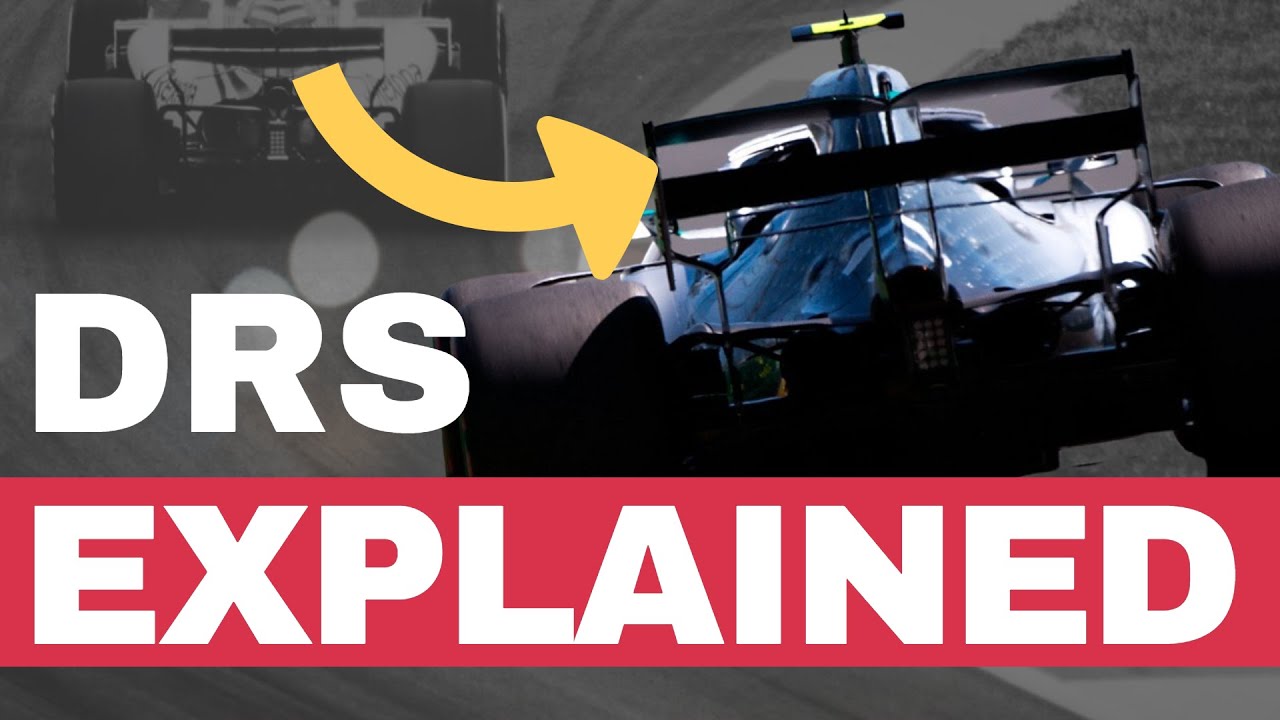
DRS uses a movable flap in the rear wing. When the flap opens, the wing produces less downforce and less drag. Less drag means higher top speed on a straight. The wing closes again when the driver brakes or releases the DRS control.
Activation is controlled by the car’s electronics and a driver switch. The team’s ECU and hydraulics or electric actuators shift the flap in a fraction of a second. Race control enables DRS only in designated track zones and under specific conditions. DRS adds a small but decisive speed boost, often 8–12 km/h, depending on the track and wing setup.
Two common DRS mechanics to know:
- Detection point: where sensors check the gap to the car ahead.
- Activation point: where the following driver may open the flap if within the allowed gap.

49% off Today's Exclusive Deals
Limited-time Exclusive Deals. Check current discount on Amazon.
Check Price on Amazon As an Amazon Associate I earn from qualifying purchases.DRS rules and safety
FIA defines when DRS may be used. During races, a car may open DRS only if it is within one second of the car ahead at the detection point. DRS is disabled during the first two laps after a restart and in wet conditions if race control deems it unsafe. Race control can switch DRS on or off for the whole track if needed.
Other safety limits include automatic closure on braking and system checks before sessions. Teams must also meet strict technical rules for hinge strength, actuator response, and fail-safe behavior. These rules keep DRS fast but safe.

Benefits of DRS
DRS was added to encourage more overtakes and closer racing. Key benefits include:
- Easier overtakes: It gives the chasing car a measurable speed edge on straights.
- Improved spectacle: More passing makes races more exciting for fans.
- Strategy depth: Teams build race plans around DRS zones and tire life.
DRS reduces the penalty of dirty air behind another car. That makes following less punishing and increases on-track battles.

Limitations and controversies
DRS is not perfect. Critics say it makes overtakes too easy or artificial. Some argue it lowers the value of driver skill in passing. DRS only helps on straights and cannot be used in corners. It also depends on detection points and track layout, so some circuits benefit more than others.
Another limit is reliability: actuator failure or a blocked system can render DRS unusable and harm a driver’s race. Teams must balance wing settings so that a car performs well both with DRS open and closed.

Race strategy and real examples
Teams plan around DRS every race. Drivers may:
- Stay close through corners to hit the detection point within one second.
- Time their runs to use DRS on the longest straight.
- Use DRS to defend by staying just ahead into the detection point.
From my experience covering races, I’ve seen DRS wins decided by a single DRS zone on a long straight. I’ve also seen drivers use DRS to pressure rivals into mistakes that lead to passes in braking zones. Mistakes to avoid include over-relying on DRS or setting a wing too flat for one lap at the cost of corner grip.

How teams and engineers tune DRS for performance
Engineers tune wing profiles and DRS geometry to suit each track. Key tuning areas:
- Wing angle and flap size to control the drag reduction amount.
- Activation speed and actuator timing to ensure fast, reliable opening.
- Overall car balance so handling with DRS closed remains competitive.
Simulations test DRS effects on fuel use, tire wear, and lap time. Engineers also simulate worst-case failures to ensure the car is safe if DRS jams or misfires.
Related concepts: F-duct, slipstream, and active aero
DRS sits alongside other aero ideas. The F-duct and blown diffusers were earlier ways to change aero at speed. Slipstreaming, or drafting, uses the same basic drag reduction but without moving parts. Active aero is a broader term that covers any system that alters aero load while driving.
Understanding these helps you see where DRS fits in. DRS is a simple, regulated active-aero tool that gives targeted help on straights.
PAA-style quick questions
Q: Does DRS work in wet races? A: Race control can disable DRS if conditions are unsafe, and teams may not use it during heavy rain.
Q: Is DRS automatic? A: No. A driver must press the DRS switch to open the flap when the system is enabled and conditions are met.
Q: How much speed does DRS add? A: Typical gains are around 8–12 km/h on long straights, but this varies by track and wing setup.
Frequently Asked Questions of How does DRS work in a Formula One car?
How is DRS activated during a race?
DRS is activated when race control enables it and the pursuing car is within one second of the car ahead at the detection point. The driver then presses a switch to open the rear wing flap at the activation zone.
Can drivers use DRS anywhere on the track?
No. DRS can only be used in pre-defined activation zones set by race control. It also requires the one-second gap at the detection point to be valid.
Does DRS work in qualifying sessions?
Yes. In qualifying, DRS is usually available throughout the session unless race control restricts it. Drivers use it to set faster single-lap times.
What happens if DRS fails during a race?
If DRS fails, the flap may stay closed or not respond. Teams must manage the car without the extra top-speed boost, which can cost time and affect strategy.
Why do some fans dislike DRS?
Some fans feel DRS makes overtakes too easy and reduces driver skill in passing. Others appreciate that it promotes closer racing and more overtakes.
Are there limits on how many DRS zones a track can have?
Race control decides activation and detection points for each circuit. There is no fixed limit, but zones are placed for safety and sporting balance.
Does DRS reduce lap time significantly?
DRS can reduce lap time noticeably on tracks with long straights. The total lap time gain depends on how many DRS zones and how long they are.
Conclusion
DRS is a focused, regulated tool that opens a rear-wing flap to cut drag and boost straight-line speed. It levels the field a bit by helping trailing cars overtake, but it also brings trade-offs in balance, reliability, and race craft. Understanding the rules, mechanics, and tactics will deepen your appreciation of how small aero changes can shape big race moments.
Takeaway: watch detection and activation points, follow how teams set wings, and notice how drivers time their runs—those details show DRS at work. If you enjoyed this guide, try watching a race replay and spot every DRS activation, or subscribe and leave a comment with the most memorable DRS overtake you’ve seen.