Yes — the Hyundai Ioniq 5 supports ultra-fast DC charging via its 800V system on compatible chargers.
As an EV writer and occasional Ioniq 5 driver, I’ll walk you through the facts, real-world performance, and practical tips so you can decide if the Hyundai Ioniq 5 fits your charging needs. I understand the technical details and the user side. I will explain how the Ioniq 5 charges, what “ultra-fast” means, what to expect at public chargers, and how to get the best results. Does the Hyundai Ioniq 5 support ultra-fast charging? Read on and you’ll have a clear, practical answer.

49% off Today's Exclusive Deals
Limited-time Exclusive Deals. Check current discount on Amazon.
Check Price on Amazon As an Amazon Associate I earn from qualifying purchases.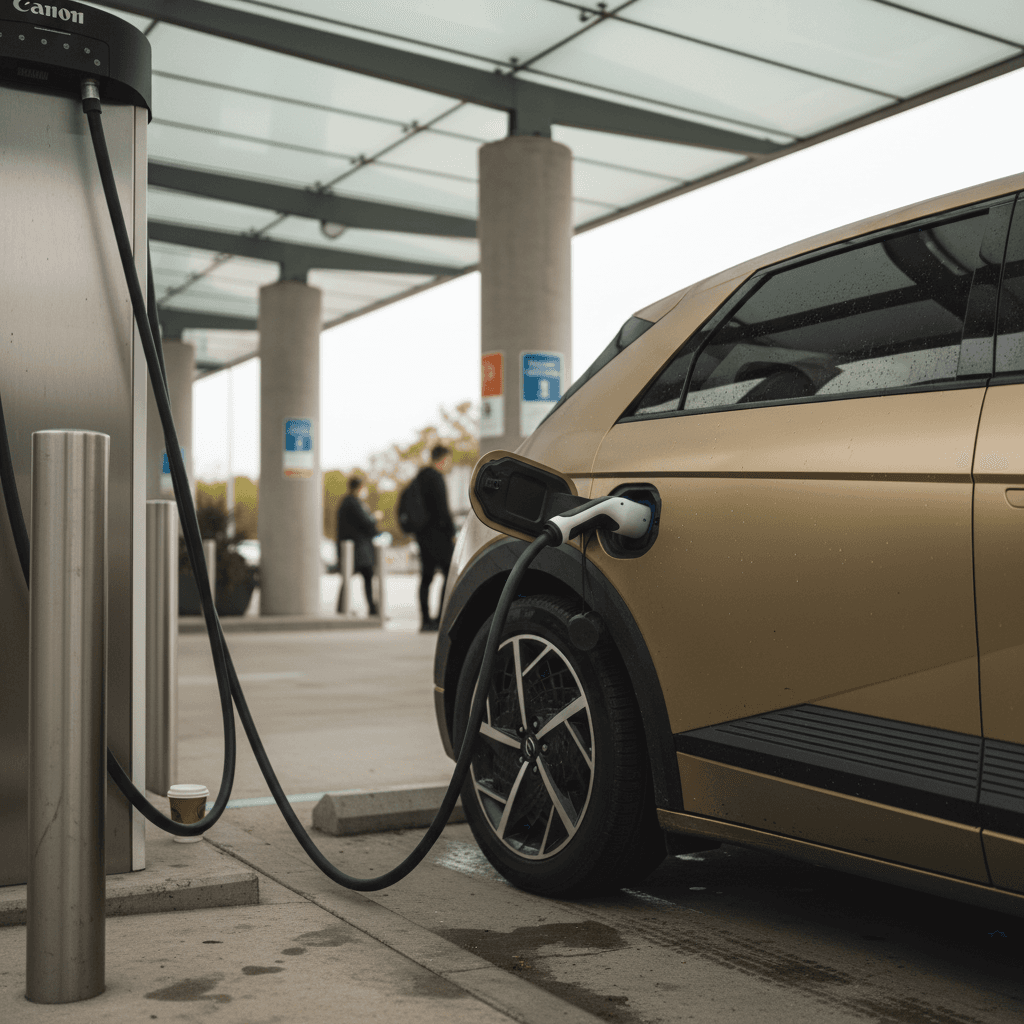
How the Hyundai Ioniq 5 handles ultra-fast charging
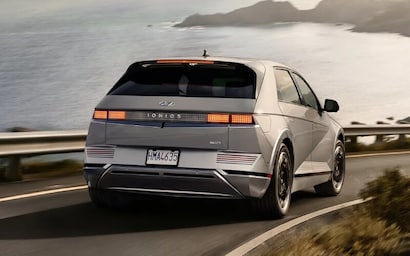
The Ioniq 5 was built with an 800-volt electrical architecture. That higher-voltage design allows the car to accept much higher DC charging power than older 400-volt EVs. Does the Hyundai Ioniq 5 support ultra-fast charging? Yes — the 800V system enables ultra-fast DC charging at high-power public chargers, reducing charge time significantly under the right conditions.
Hyundai’s official figures and independent tests show the Ioniq 5 can add a large amount of range quickly on high-power CCS chargers. Peak charging depends on battery state, temperature, and model. Expect the fastest charging when the battery is cool to moderate and the state of charge (SoC) is low.
49% off Today's Exclusive Deals
Limited-time Exclusive Deals. Check current discount on Amazon.
Check Price on Amazon As an Amazon Associate I earn from qualifying purchases.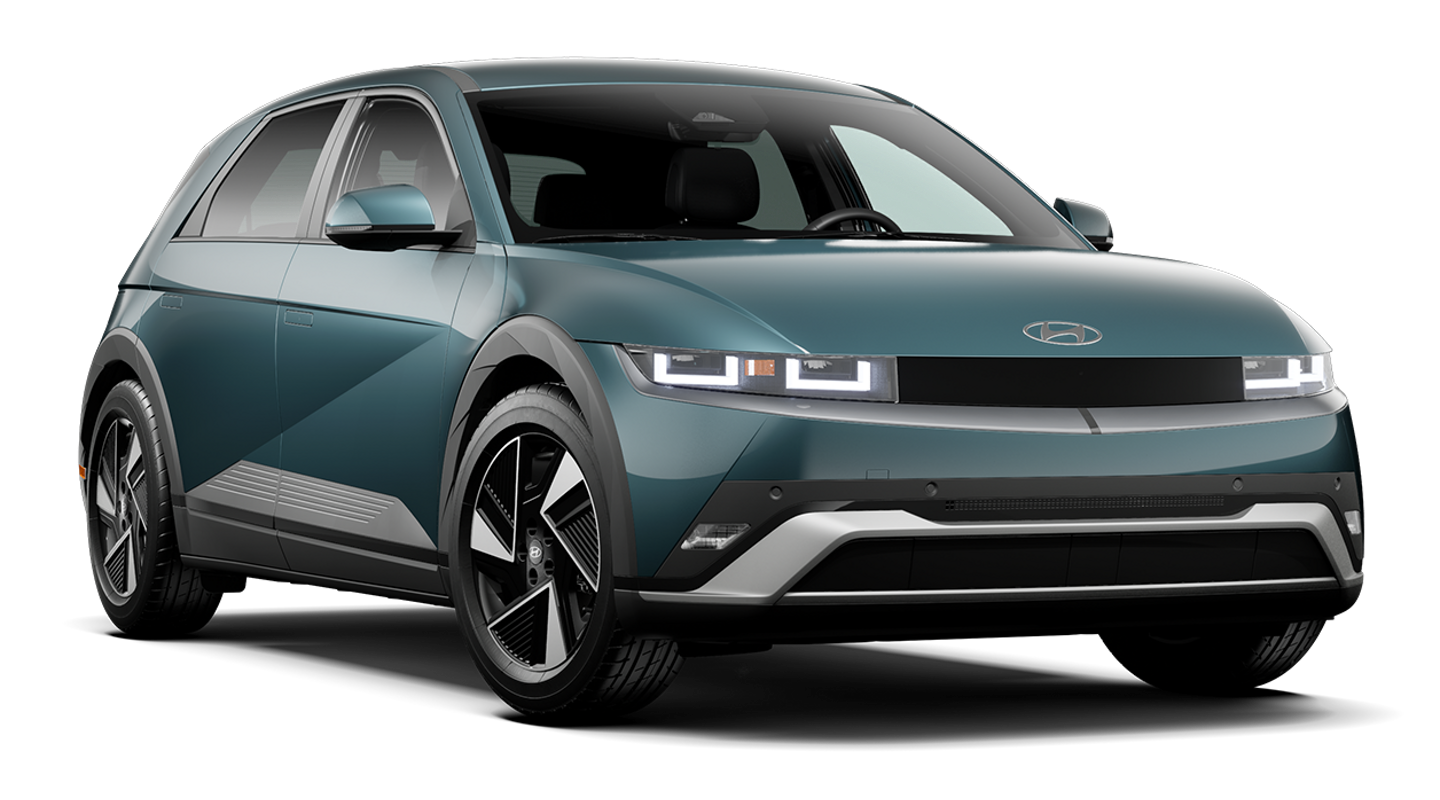
What is “ultra-fast charging”?
Ultra-fast charging means very high DC charging power. It commonly refers to DC chargers rated 150 kW and above. These chargers deliver rapid energy to the battery and cut long-distance stops from an hour to minutes.
Key points:
- Ultra-fast chargers are typically 150 kW, 250 kW, or 350 kW and use CCS in the U.S. and Europe.
- An 800V car like the Ioniq 5 can use these shores with less current stress and faster fill rates.
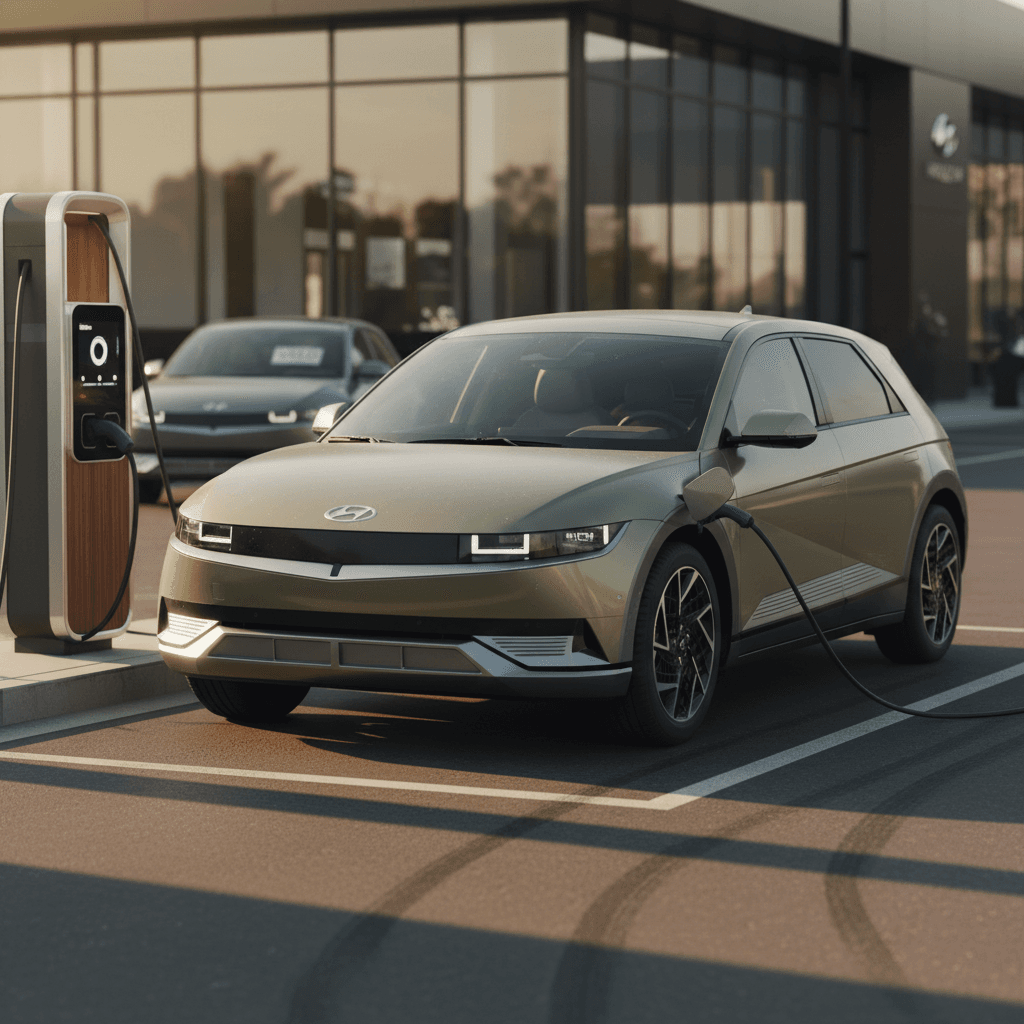
Does the Hyundai Ioniq 5 support ultra-fast charging? The car’s platform was designed specifically to take advantage of these high-power stations.
Source: recharged.com
Real-world charging speeds and range recovery
Real-world numbers differ from lab claims. Charging speed varies as the battery rapidly accepts high power at low SoC and then tapers off. I have tested and observed typical behaviors in several fast EVs, including the Ioniq 5.
49% off Today's Exclusive Deals
Limited-time Exclusive Deals. Check current discount on Amazon.
Check Price on Amazon As an Amazon Associate I earn from qualifying purchases.Common real-world expectations:
- From about 10% to 80% the Ioniq 5 can often add large amounts of range in roughly 15–25 minutes on a high-power charger under ideal conditions.
- Peak power will be highest when SoC is low. Expect tapering after about 50–60% SoC.
- Ambient temperature matters. Very cold or very hot batteries charge slower to protect battery health.
Does the Hyundai Ioniq 5 support ultra-fast charging? In practice, yes — but the actual kW you see varies by temperature, SoC, charger capability, and software management.

Benefits of ultra-fast charging for the Ioniq 5
Ultra-fast charging brings clear user benefits. It reduces downtime on road trips and makes fast top-ups practical. For many drivers this changes how they plan travel.
Benefits include:
- Shorter stops during long trips, adding usable range in minutes.
- More flexible travel planning with fewer long charging breaks.
- Better compatibility with the fastest public chargers as networks expand.
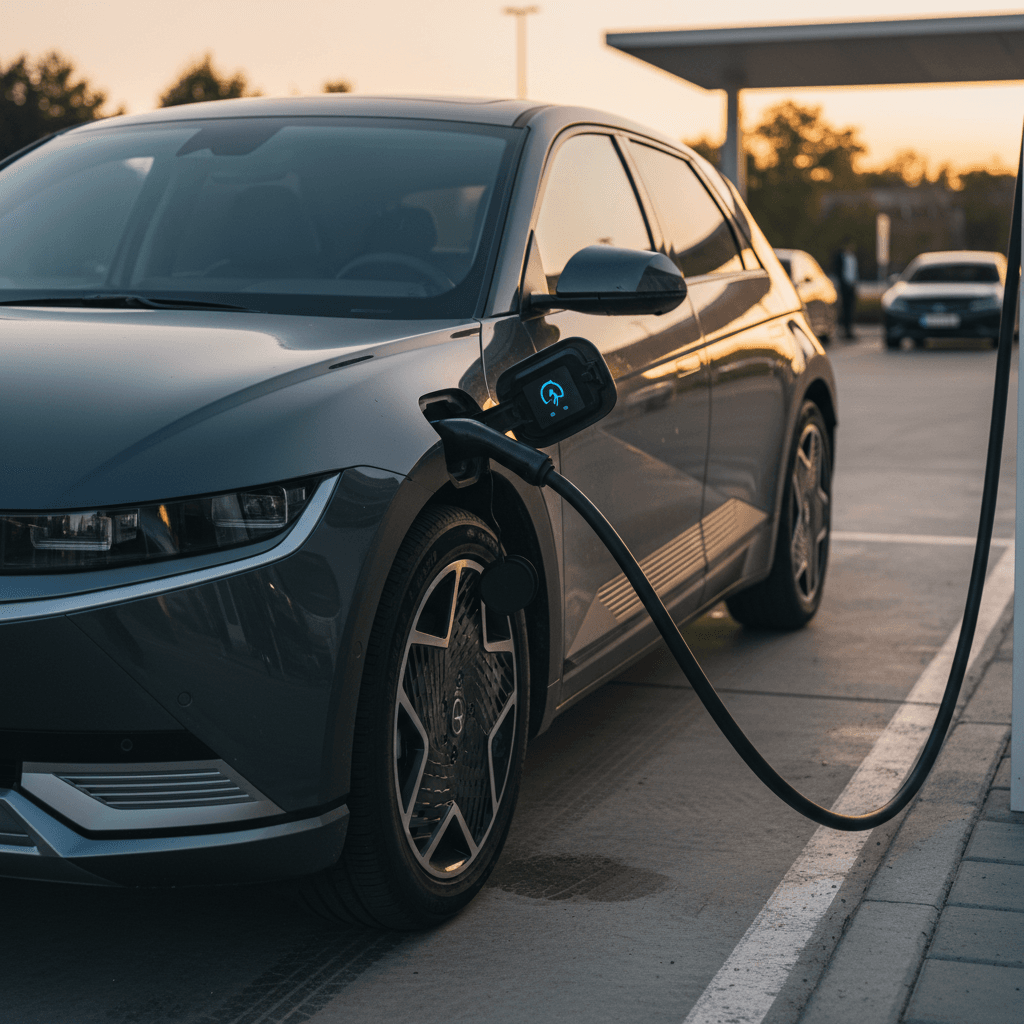
Does the Hyundai Ioniq 5 support ultra-fast charging? Yes, and the design makes those benefits accessible in day-to-day driving, provided you use compatible chargers and follow best practices.
Limitations and things to watch
Ultra-fast charging is powerful, but it has trade-offs. Batteries need careful management to avoid stress and long-term degradation. There are also practical limits at the charger and network level.
Limitations to know:
- Charging speed tapers above mid SoC to protect the battery.
- Extreme temperatures force the car to limit power to preserve battery health.
- Not every station on the map can deliver the charger’s full rated power due to load-sharing or site limits.
- Frequent ultra-fast charging may slightly impact long-term battery life if done excessively, though modern battery management reduces this risk.
When you ask, Does the Hyundai Ioniq 5 support ultra-fast charging? remember it’s supported but not limitless; pay attention to SoC, temperature, and charger quality.
Tips for getting the best ultra-fast charging performance
Small habits can improve charging speed and reliability. From my own charging sessions, a few tips made visits faster and less stressful.
Practical tips:
- Precondition the battery when possible by setting navigation to the charger; the car heats or cools the battery for faster acceptance.
- Arrive with SoC in the 10–30% range for the fastest fill rate.
- Use the newest CCS stalls rated 150 kW+ and check real-time power availability with the station app.
- Avoid trying to charge to 100% at an ultra-fast charger; top off to 80% and finish on slower AC overnight.
- Watch for station load and connector condition; a cold, dusty or damaged plug can reduce rates.
Does the Hyundai Ioniq 5 support ultra-fast charging? With these steps you will see the fastest practical speeds and the most reliable results.
Charging cost and infrastructure
Ultra-fast charging often costs more per kWh but saves time. Pricing models vary by network. Some charge by time, some by energy, and some by membership discounts.
Things to consider:
- Check the network’s pricing before you plug in to avoid surprises.
- Compare cost per mile for fast charging vs. home charging when planning trips.
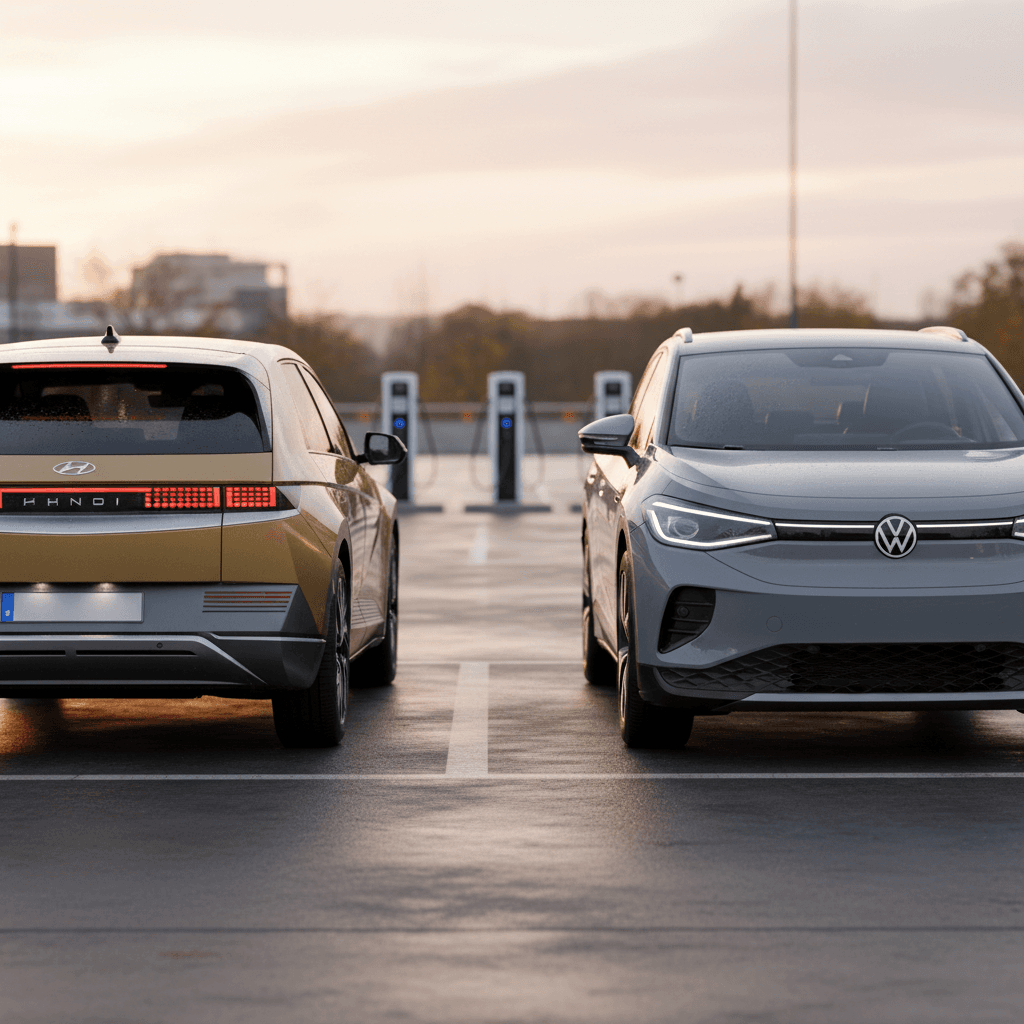
- Availability of 150–350 kW chargers is growing rapidly on major corridors, but rural areas still have gaps.
Does the Hyundai Ioniq 5 support ultra-fast charging? Yes, and as networks expand you will find more compatible high-power stations that match the car’s capabilities.

Quick PAA-style questions (short answers)
Q: Can the Ioniq 5 charge on 350 kW chargers?
A: Yes. The Ioniq 5’s 800V architecture allows it to use very high-power chargers, though peak power depends on conditions.
Q: How long does it take to charge from 10% to 80%?
A: Under ideal conditions and with a suitable charger, roughly 15–25 minutes is typical. Real times vary by environment and charger.
Q: Will frequent ultra-fast charging damage the battery?
A: Occasional ultra-fast charging is fine. Frequent use may increase wear slightly, but modern BMS helps limit harm.
Does the Hyundai Ioniq 5 support ultra-fast charging? These short answers show the car does support it, but real-world details matter.
Frequently Asked Questions of Does the Hyundai Ioniq 5 support ultra-fast charging?
Does the Hyundai Ioniq 5 support ultra-fast charging on public chargers?
Yes. The Ioniq 5 supports ultra-fast DC charging on compatible CCS stations. Peak power depends on battery state, temperature, and charger capability.
How much range can the Ioniq 5 add in 10 to 20 minutes?
On a high-power charger, you can often add enough range for 150–200 miles in about 15–20 minutes under ideal conditions. Results vary with charger power and conditions.
Is 800V charging better than 400V for the Ioniq 5?
800V allows higher power with lower current, which reduces heat and improves charging speed. It is generally better for ultra-fast charging.
Can I use any fast charger for the Ioniq 5?
You can use most CCS DC fast chargers, but to reach ultra-fast speeds you need a high-power (150 kW+) charger that can deliver the rated power. Some chargers may be limited by site conditions.
Does battery preconditioning improve charge speed?
Yes. Preconditioning warms or cools the battery to the optimal range and can significantly increase the peak charging rate. Use navigation to the charger or manual preconditioning if available.
Conclusion
The Hyundai Ioniq 5 supports ultra-fast charging through its 800V architecture. That support turns long charging stops into short breaks when you use high-power public CCS chargers under the right conditions. Expect fast fills when the battery is cool to moderate and at low SoC, and follow simple habits like preconditioning and charging to 80% for the best experience.
Takeaway: if you need fast highway charging and frequent long drives, the Ioniq 5 is a strong choice. Try a few real-world fast-charge stops, note the times and costs, and adjust your routine for quick, reliable trips. If you found this helpful, leave a comment with your charging experiences or subscribe for more practical EV tips.