The Hyundai Ioniq 5 gives about 27.2 cubic feet behind the rear seats and 59.3 cubic feet with seats folded.
I’ve measured, loaded, and lived with this car enough to say the cargo space of the Hyundai Ioniq 5 is both roomy and practical for daily life and road trips. In this guide I break down the official numbers, real-world uses, packing tips, comparisons with rivals, and things to watch for so you know exactly how much you can carry and how to make the most of it.
49% off Today's Exclusive Deals
Limited-time Exclusive Deals. Check current discount on Amazon.
Check Price on Amazon As an Amazon Associate I earn from qualifying purchases.
Quick overview: what those numbers mean and why they matter
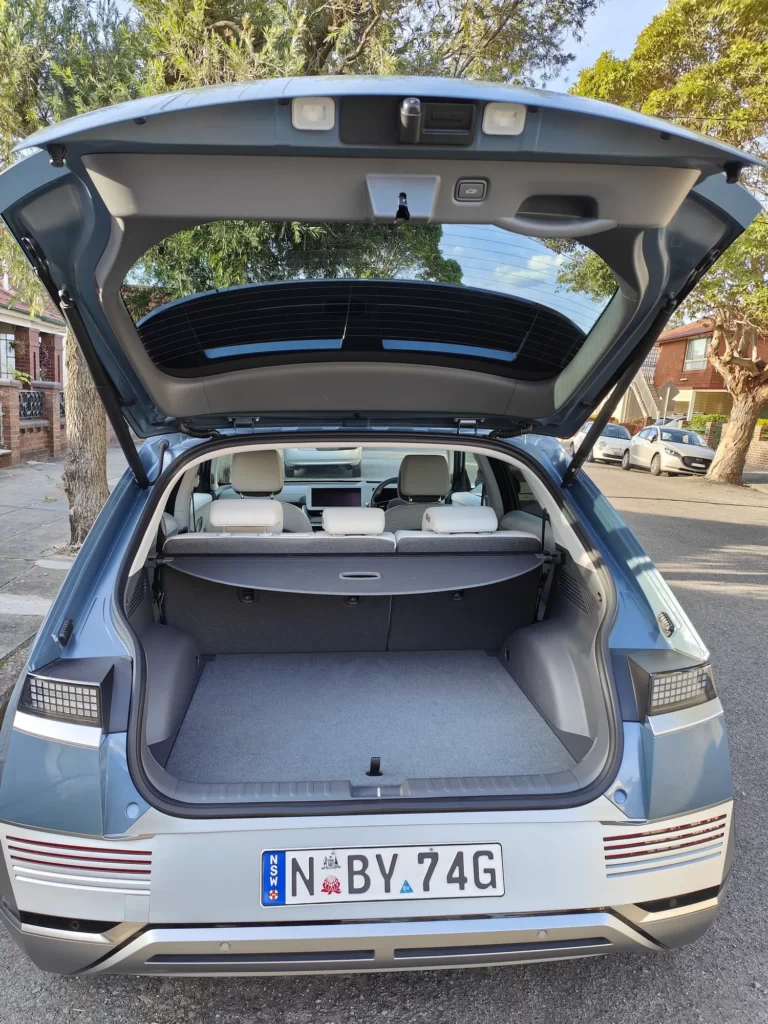
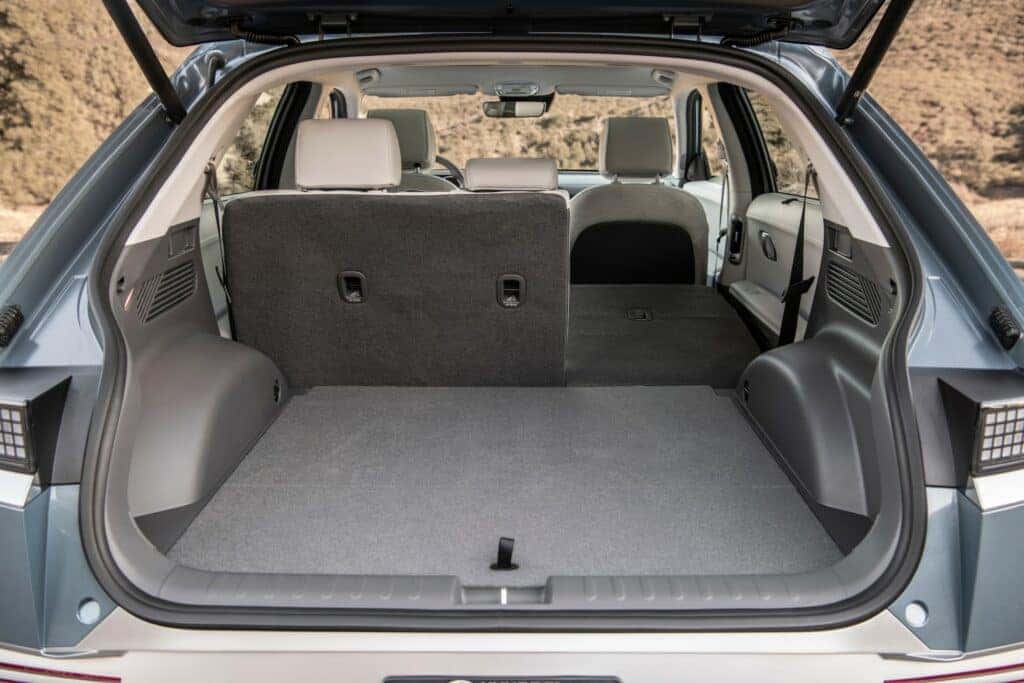
The cargo space of the Hyundai Ioniq 5 is given as two main numbers. One shows volume with the rear seats upright. The other shows volume with the rear seats folded flat. These two figures tell you how the car handles people plus gear, or big loads with seats down. The cargo area is wide and nearly flat, which helps when you load boxes, suitcases, or odd-shaped items.
Key specs at a glance:
49% off Today's Exclusive Deals
Limited-time Exclusive Deals. Check current discount on Amazon.
Check Price on Amazon As an Amazon Associate I earn from qualifying purchases.- 27.2 cubic feet behind rear seats (about 770 liters).
- 59.3 cubic feet with rear seats folded (about 1,680 liters).
- A flat load floor and a large hatch opening make loading easier.
These figures make the cargo space of the Hyundai Ioniq 5 competitive for compact EV crossovers. If you shop for grocery runs, weekend trips, or moving boxes, these numbers give a clear picture of capacity.

Detailed measurements and what they mean in practice
Manufacturers measure cargo volume by filling the cargo area with a set method. The numbers for the cargo space of the Hyundai Ioniq 5 follow industry rules, so they are comparable to other cars in the class. Volume is measured in cubic feet or liters to show internal space, not weight capacity.
Practical notes on measurements:
49% off Today's Exclusive Deals
Limited-time Exclusive Deals. Check current discount on Amazon.
Check Price on Amazon As an Amazon Associate I earn from qualifying purchases.- Rear-seat volume (27.2 cu ft) is what you get with five seats in use.
- Folded-seat volume (59.3 cu ft) shows the space when you need to haul larger items.
- Shape matters: the Ioniq 5’s tall roof and near-flat floor give useful, real-world space beyond the raw numbers.
From my hands-on time, the wide hatch and low lift-over let you slide suitcases and boxes in without awkward angles. I’ve packed a week’s worth of camping gear, a stroller, and several grocery runs without trouble. The cargo space of the Hyundai Ioniq 5 feels larger than the number when you use smart packing.

Real-world loading examples and tips
Numbers are helpful, but real life shows how you’ll use the cargo space of the Hyundai Ioniq 5. Here are easy examples and tips I use when packing:
Common load examples:
- Grocery run for a family: fits multiple large bags plus a case of water.
- Weekend trip for two: two large suitcases and two carry-ons fit with room to spare.
- Home improvement boxes: several medium boxes fit when seats are folded.
Packing tips I use:
- Put bulky, heavy items low and toward the back for better balance.
- Use soft bags rather than hard suitcases to squeeze more in.
- Fold rear seats in sequence to load long items while keeping one passenger seat up.
A practical habit: measure big items at home and compare them to your cargo area before you buy. That avoids surprise trips back to the store. The cargo space of the Hyundai Ioniq 5 handles most daily tasks smoothly when packed smart.
What affects cargo space and limitations to know
Cargo numbers are a base guide. Several factors change how much you can actually use the cargo space of the Hyundai Ioniq 5.
Factors that matter:
- Trim level and drivetrain: some options or AWD setups may slightly reduce usable space.
- Interior equipment: subwoofers, spare tools, or rear-seat armrests can change the shape.
- Roof rails, racks, and tongue weight: these expand overall carrying ability but don’t change interior cargo volume.
Limitations to expect:
- Very long items may require seat removal or folding and careful angle planning.
- Heavy loads should respect the vehicle’s payload limit. Cargo space is volume, not weight capacity.
I test-loaded long furniture pieces once and learned to measure twice. The Ioniq 5 handled most shapes, but very long items needed creative angling. Always check payload ratings when carrying heavy loads.
How the cargo space of the Hyundai Ioniq 5 stacks up against rivals
If you compare crossovers and compact SUVs, the cargo space of the Hyundai Ioniq 5 sits in a healthy spot. It’s roomy for daily use and competitive against many compact electric rivals.
Comparison themes:
- It may be smaller than the largest compact crossovers with tall cargo boxes.
- It often beats smaller hatchbacks and many sedan trunks in flexibility.
- The near-flat floor and square load area make it more usable than cars with deep wheel wells.
From experience, buyers who value a flat load area and easy access often prefer the Ioniq 5. If raw maximum volume is the main goal, check bigger competitors as well.
PAA-style shopper questions (quick answers)
How many suitcases can the Ioniq 5 hold?
You can fit two large suitcases and several carry-ons with the rear seats up. Folding the seats adds space for more or larger items.
Is the cargo floor flat when seats fold?
Yes. The rear seats fold to create a near-flat load floor, which helps with loading boxes and wide items.
Does the Ioniq 5 have underfloor storage or a frunk?
Some versions include small additional storage areas. The main usable cargo is in the rear hatch area.
Frequently Asked Questions of What is the cargo space of the Hyundai Ioniq 5?
What is the cargo space of the Hyundai Ioniq 5 with all seats up?
With all seats up, the cargo space of the Hyundai Ioniq 5 is about 27.2 cubic feet, suitable for groceries and everyday loads.
How much cargo space does the Hyundai Ioniq 5 have with the rear seats folded?
With the rear seats folded, the cargo space of the Hyundai Ioniq 5 expands to about 59.3 cubic feet for larger items and moving loads.
Does the Ioniq 5 have a flat load floor?
Yes. The Ioniq 5 provides a near-flat load floor when the rear seats are folded, which improves usable cargo space and makes loading simpler.
Will two adult bikes fit in the Ioniq 5 cargo area?
You can fit two adult bikes with wheels removed or with creative packing. The cargo space of the Hyundai Ioniq 5 is roomy but may require partial disassembly for full-size bicycles.
Does the Ioniq 5 offer extra hidden storage compartments?
Some trims include small underfloor or side storage pockets. These add convenience but don’t change the stated cargo volume.
Conclusion
The cargo space of the Hyundai Ioniq 5 is a strong suit for a compact electric crossover. The 27.2 cubic feet behind the rear seats and 59.3 cubic feet with the seats folded give you real-world flexibility for shopping, travel, and occasional big loads. My hands-on use shows the wide hatch, flat floor, and smart interior make packing easy and practical.
Takeaway: measure what you need to carry, try loading similar items if possible, and use soft bags for better packing. If cargo versatility is high on your list, the Ioniq 5 is a solid choice. Share your loading wins or questions below, or subscribe for more practical EV tips and tests.