Owning a Toyota Land Cruiser offers rugged reliability and premium comfort, but it comes with high cost and fuel use.
I have lived with off-road vehicles for years and spent time owning and testing Toyota Land Cruisers. This guide breaks down what are the pros and cons of owning a Toyota Land Cruiser? I explain real-world costs, long-term reliability, maintenance realities, and daily use. Read on for clear facts, lived experience, and practical buying tips to help you decide if a Land Cruiser fits your life.

49% off Today's Exclusive Deals
Limited-time Exclusive Deals. Check current discount on Amazon.
Check Price on Amazon As an Amazon Associate I earn from qualifying purchases.
Why people ask "What are the pros and cons of owning a Toyota Land Cruiser?"
The Land Cruiser is a legend. It blends heavy-duty off-road ability with roomy comfort. That makes the question "What are the pros and cons of owning a Toyota Land Cruiser?" common among buyers who want a vehicle that can go anywhere and still feel refined on city roads.
I will lay out the main benefits and drawbacks. I also cover fuel, repair costs, resale value, and everyday use. This helps you weigh the full picture before you buy.
49% off Today's Exclusive Deals
Limited-time Exclusive Deals. Check current discount on Amazon.
Check Price on Amazon As an Amazon Associate I earn from qualifying purchases.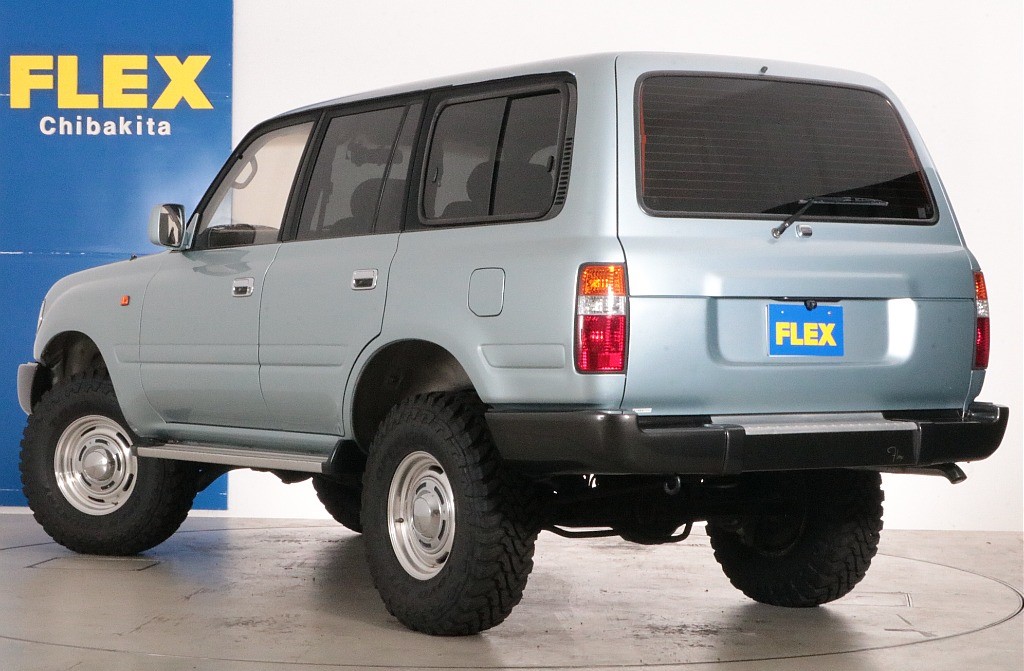
Key pros: strengths that make the Land Cruiser special
Here are the main advantages when you ask, What are the pros and cons of owning a Toyota Land Cruiser? Focus first on the pros.
- Legendary reliability and longevity. Many Land Cruisers exceed 200,000 miles with routine care. Engines and drivetrains are built to last.
- Exceptional off-road capability. The frame, suspension, and four-wheel systems are designed for tough terrain.
- Strong resale value. Land Cruisers retain value better than many large SUVs.
- Spacious and comfortable cabin. The interior is roomy and well-appointed for long trips.
- Towing and hauling power. The Land Cruiser can pull heavy trailers with ease.
- Safety and build quality. Solid construction and advanced safety tech in newer models.
Personal note: I once drove a Land Cruiser through mud and sand for a week. It never hesitated. The feeling of trust on rough trails is a key pro many owners cite.

49% off Today's Exclusive Deals
Limited-time Exclusive Deals. Check current discount on Amazon.
Check Price on Amazon As an Amazon Associate I earn from qualifying purchases.Key cons: drawbacks to consider
When exploring What are the pros and cons of owning a Toyota Land Cruiser?, you must weigh these downsides.
- High purchase price. New and used models command premium prices.
- Poor fuel economy. Large engines and weight mean frequent fill-ups.
- Higher maintenance and repair costs. Parts and labor for a big SUV add up.
- Size and parking challenges. It can feel bulky in tight urban spots.
- Complexity in newer models. Modern tech can be costly to fix if it fails.
- Limited model updates in some markets. That can leave owners wanting more modern features.
From lived experience: I found city parking and fuel stops the least fun parts of owning a Land Cruiser. If you mostly drive short urban trips, the cons hit harder.
 insurance, taxes, and maintenance”
style=”max-width: 100%; height: auto; border: 2px solid black; border-radius: 10px; display: block; margin: 0 auto;”
loading=”lazy”
/>
Ownership costs: fuel, insurance, taxes, and maintenance
A big part of answering What are the pros and cons of owning a Toyota Land Cruiser? is money. Here’s a breakdown.
- Fuel
- Expect low MPG compared to midsize SUVs. Plan for frequent refills and higher fuel expenses.
- Insurance and registration
- Higher vehicle value raises insurance and taxes in many areas.
- Maintenance
- Regular service is simple. Major repairs and parts can be pricey due to size and complexity.
- Depreciation vs. resale
- Depreciation is slower than many SUVs, which helps long-term cost of ownership.
Practical tip: Budget for 10–20% higher running costs than a midsize SUV. That keeps ownership stress low.
Reliability and maintenance: real-world expectations
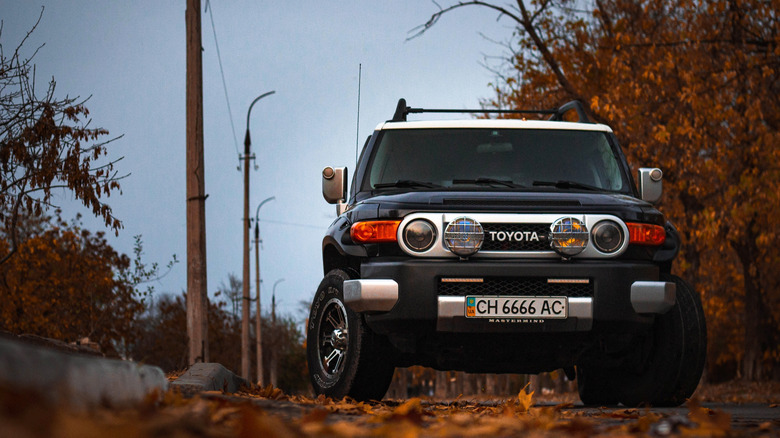
Reliability is a major pro. But what are the pros and cons of owning a Toyota Land Cruiser? Reliability sits on the pro side, while maintenance complexity lives on the con side.
- Routine care
- Oil changes, fluids, and brake checks are straightforward.
- Long-term fixes
- Suspension and drivetrain work can be costly.
- Parts availability
- Many parts are widely available. Some specialty components cost more.
- DIY vs. shop
- Simple tasks you can do at home. Major jobs usually need a shop.
From my experience maintaining a Land Cruiser, the engine and body hold up very well. Expect to pay more for big repairs, but they are infrequent.

Off-road capability and towing: built to perform
Off-road prowess is a top pro when considering What are the pros and cons of owning a Toyota Land Cruiser?
- Traction and stability
- Advanced 4WD systems help in mud, sand, and snow.
- Ground clearance and protection
- Skid plates and high clearance protect vital parts.
- Towing capacity
- Strong tow ratings suit boats and trailers.
- Comfort on long trips
- The Land Cruiser manages rough roads with composure.
Example: I towed a 6,000-pound trailer up steep mountain roads without stress. That kind of performance is why many buyers choose a Land Cruiser.
Comfort, tech, and interior: luxury meets utility
Part of the appeal is how well the Land Cruiser balances comfort and ruggedness.
- Cabin comfort
- Roomy seats and quiet ride for long journeys.
- Tech features
- Modern models include infotainment and safety aids.
- Cargo and seating flexibility
- Seats fold for large loads and gear.
But remember: newer tech can increase repair costs and complexity. You get comfort, but you pay for it.
Buying tips: how to decide and what to inspect
If you searched What are the pros and cons of owning a Toyota Land Cruiser?, here are practical steps to choose wisely.
- Decide use
- Will you tow, camp, or daily drive? Match the model year and trim to that use.
- Inspect history
- Get service records and a pre-purchase inspection.
- Check for off-road wear
- Look for frame damage, rust, or suspension issues.
- Compare costs
- Factor fuel, insurance, and likely repairs into your budget.
- Consider certified pre-owned
- Extended warranty can offset tech and repair risks.
From my own buys: a careful inspection saved me from a frame repair bill. Always inspect for signs of heavy off-road or flood use.
What are the pros and cons of owning a Toyota Land Cruiser? — final evaluation
If you want a tough, comfortable, and long-lasting SUV, the Land Cruiser ranks high. If you prefer low running costs or compact size, it may not fit. The core trade-off in What are the pros and cons of owning a Toyota Land Cruiser? is between unmatched durability and higher ownership costs.
Ask yourself these three quick questions:
- Do you need extreme off-road ability or heavy towing?
- Can you accept higher fuel and repair costs?
- Do you value resale and long-term reliability?
Answering honestly will guide your choice.
Frequently Asked Questions of What are the pros and cons of owning a Toyota Land Cruiser?
Is the Toyota Land Cruiser reliable long-term?
Yes. The Land Cruiser is known for long-term reliability when serviced regularly. Many owners report trouble-free driving past 200,000 miles.
How bad is the fuel economy?
Fuel economy is below average for SUVs. Expect lower MPG due to size and engine type, which increases running costs.
Are parts and repairs expensive?
Routine parts are affordable, but major repairs and some specialty parts can be costly. Labor for large SUVs also raises the bill.
Does the Land Cruiser hold its value?
Yes. The Land Cruiser has strong resale value compared with many large SUVs, which helps offset its higher initial cost.
Is the Land Cruiser good for daily city driving?
It can be used daily, but its size and fuel use make it less practical in tight urban settings. Many owners prefer it for mixed city and adventure use.
Should I buy new or used?
Both have merits. New gives latest tech and warranty. Used often gives better value and slower depreciation. A certified pre-owned option can be a good middle ground.
Conclusion
Weigh the pros and cons of owning a Toyota Land Cruiser with your needs in mind. You gain rugged reliability, off-road skill, and strong resale value. You pay more for fuel, repairs, and initial cost. If you need a go-anywhere SUV and can budget for higher running costs, a Land Cruiser is a smart, durable choice.
Takeaway: Match the Land Cruiser’s strengths to your lifestyle. Test drive it in real conditions, run a careful inspection, and budget for fuel and maintenance. If this sounds like your kind of vehicle, start your search, and ask sellers for full service histories and inspection reports.