Teams design and develop new Formula One cars each season via rules, wind tunnels, and simulation.
I have worked alongside race engineers and designers, and I know how deep and fast the process is. This article explains how do teams design and develop Formula One cars each season? You will learn the step-by-step workflow, the tools they use, the people involved, and how rules shape every choice. Read on for clear, practical insights drawn from real-world experience and industry practices.

49% off Today's Exclusive Deals
Limited-time Exclusive Deals. Check current discount on Amazon.
Check Price on Amazon As an Amazon Associate I earn from qualifying purchases.
Overview: How do teams design and develop Formula One cars each season?
How do teams design and develop Formula One cars each season? They follow a tight cycle that starts with the rulebook and finishes with track performance. Teams mix regulation study, concept work, simulation, and testing. All steps focus on speed, reliability, and compliance.
Design starts months before the season. Engineers set targets. They model parts in software. Wind tunnels and CFD test aerodynamics. The chassis and power unit are made to fit tight rules. In-season updates refine the car with parts brought from headquarters.
49% off Today's Exclusive Deals
Limited-time Exclusive Deals. Check current discount on Amazon.
Check Price on Amazon As an Amazon Associate I earn from qualifying purchases.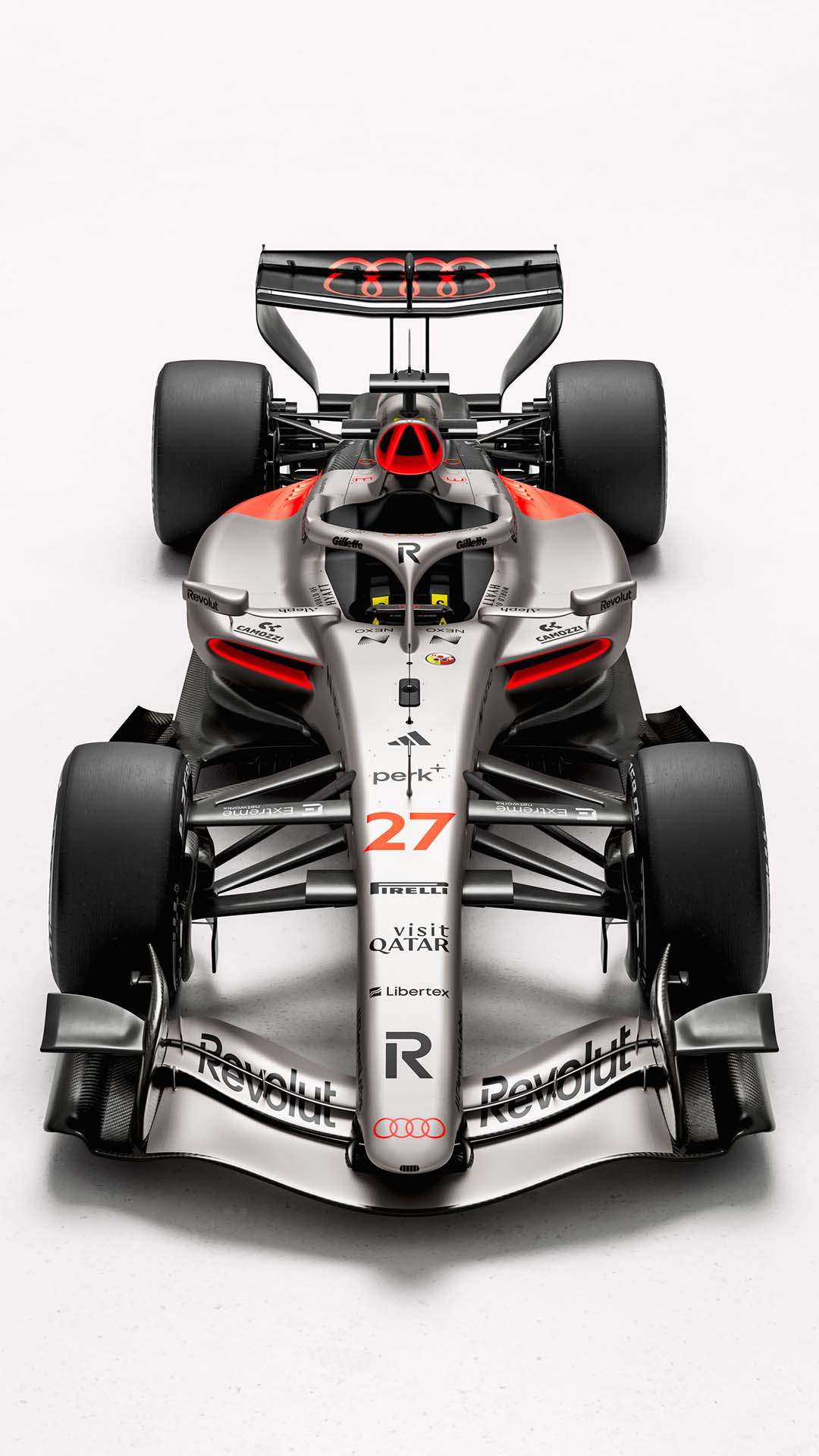
The rulebook first: regulations and targets
How do teams design and develop Formula One cars each season? It begins with the FIA rulebook. Rules define dimensions, aerodynamics limits, weight, and power. Teams read rules and set design limits.
Key actions here:
- Review the technical regulations line by line.
- Set performance targets for lap time, tire use, and reliability.
- Carry out risk checks for legality and budget cap impact.
I have seen teams spend weeks debating a single paragraph in the rules. Small wording changes can force big design shifts. Start with the rules, or you risk wasted work.
49% off Today's Exclusive Deals
Limited-time Exclusive Deals. Check current discount on Amazon.
Check Price on Amazon As an Amazon Associate I earn from qualifying purchases.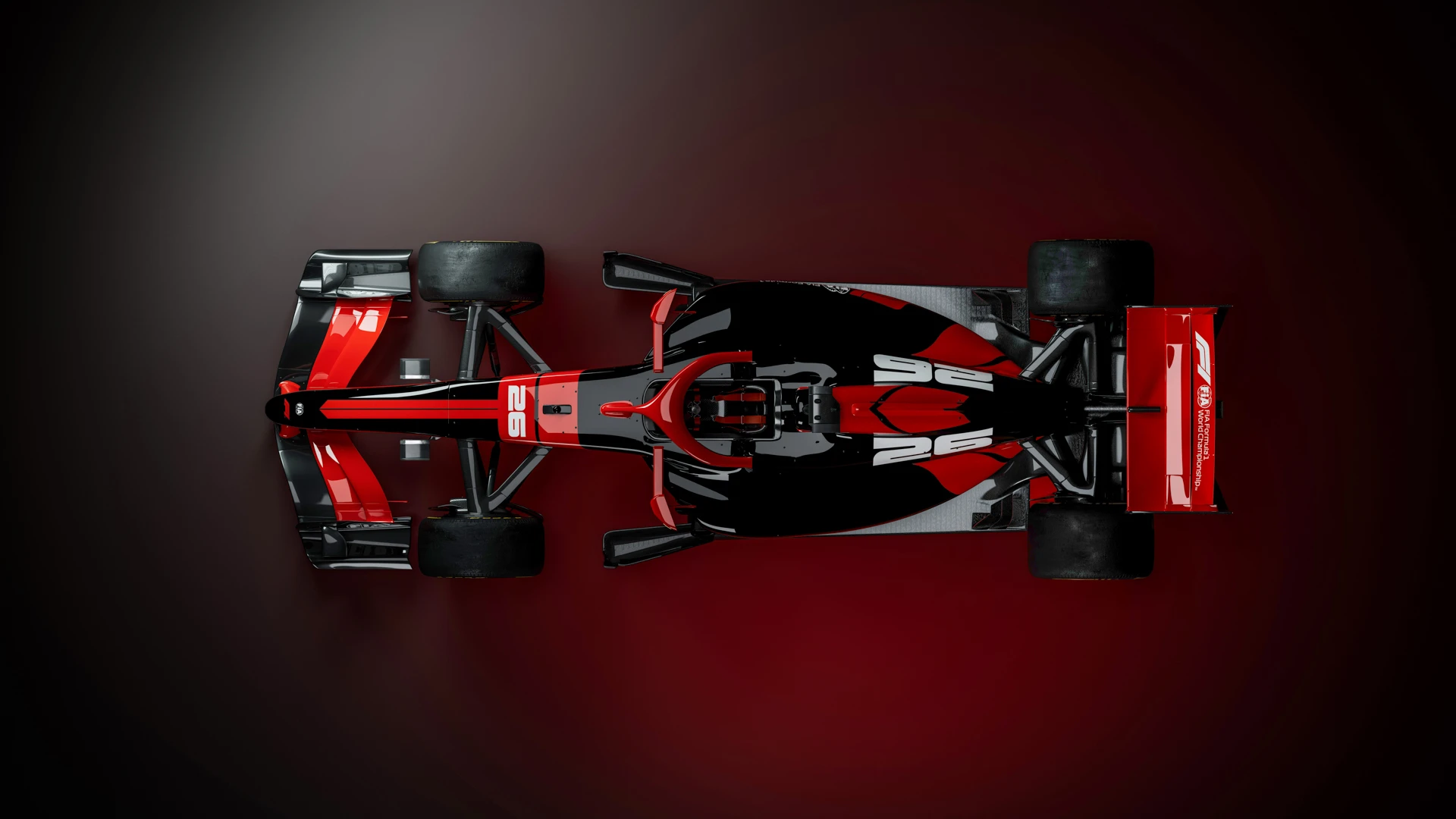
Concept and architecture: packaging the car
How do teams design and develop Formula One cars each season? After rules, teams pick a concept. This means choosing aero philosophy, suspension layout, and cooling strategy.
Main steps:
- Sketch initial concepts in quick CAD models.
- Define packaging for the engine, radiators, and electronics.
- Decide suspension geometry, weight distribution, and center of gravity targets.
A strong concept avoids late changes. I once worked on a concept that needed big cooling changes mid-build. That cost time and performance. Aim to solve packaging up front.
Aerodynamics: simulation, CFD, and wind tunnel
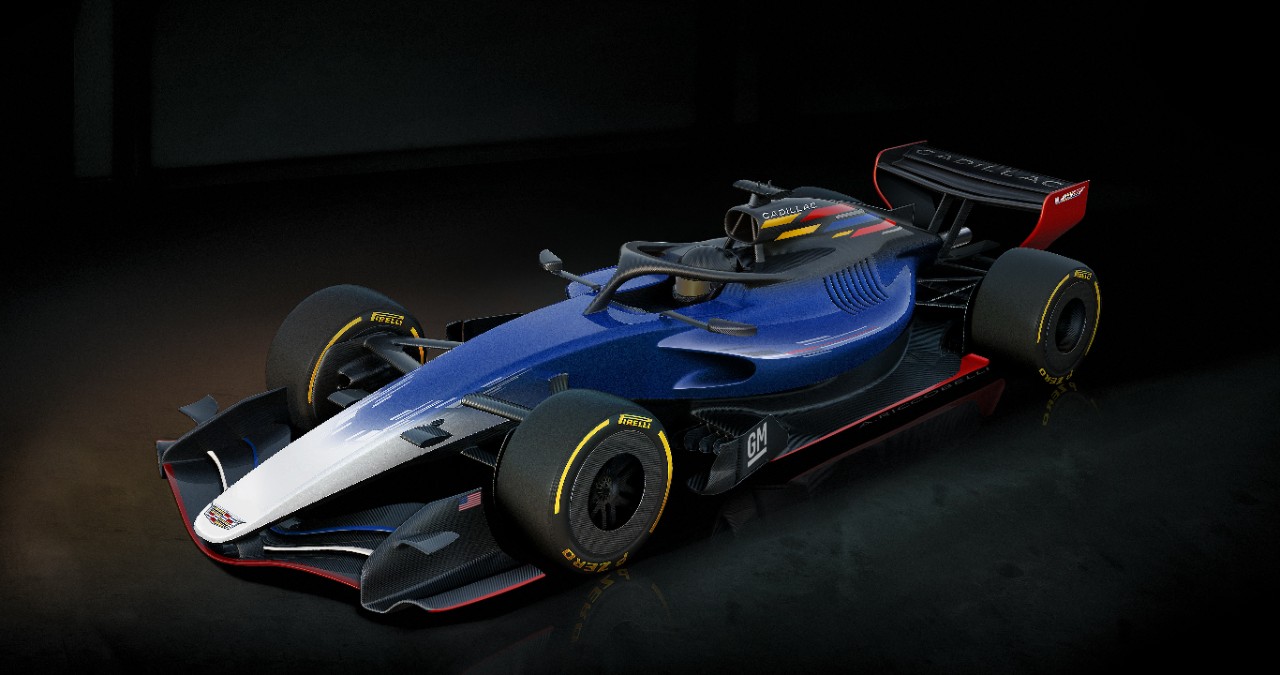
How do teams design and develop Formula One cars each season? Aerodynamics is the core battleground. Teams use CFD and wind tunnels to shape every surface.
Typical workflow:
- Run CFD to explore many shapes fast.
- Produce parts and test them in the wind tunnel.
- Correlate CFD and wind tunnel results, then refine.
Tools and tactics:
- High-fidelity CFD for final designs.
- Low-fidelity CFD or RANS to screen ideas.
- Scale models in wind tunnels to validate lift, drag, and flow.
Aero gains are often tiny but worth millions in lap time. Good correlation between CFD and the tunnel is crucial. If they don’t match, the car may underperform on race day.
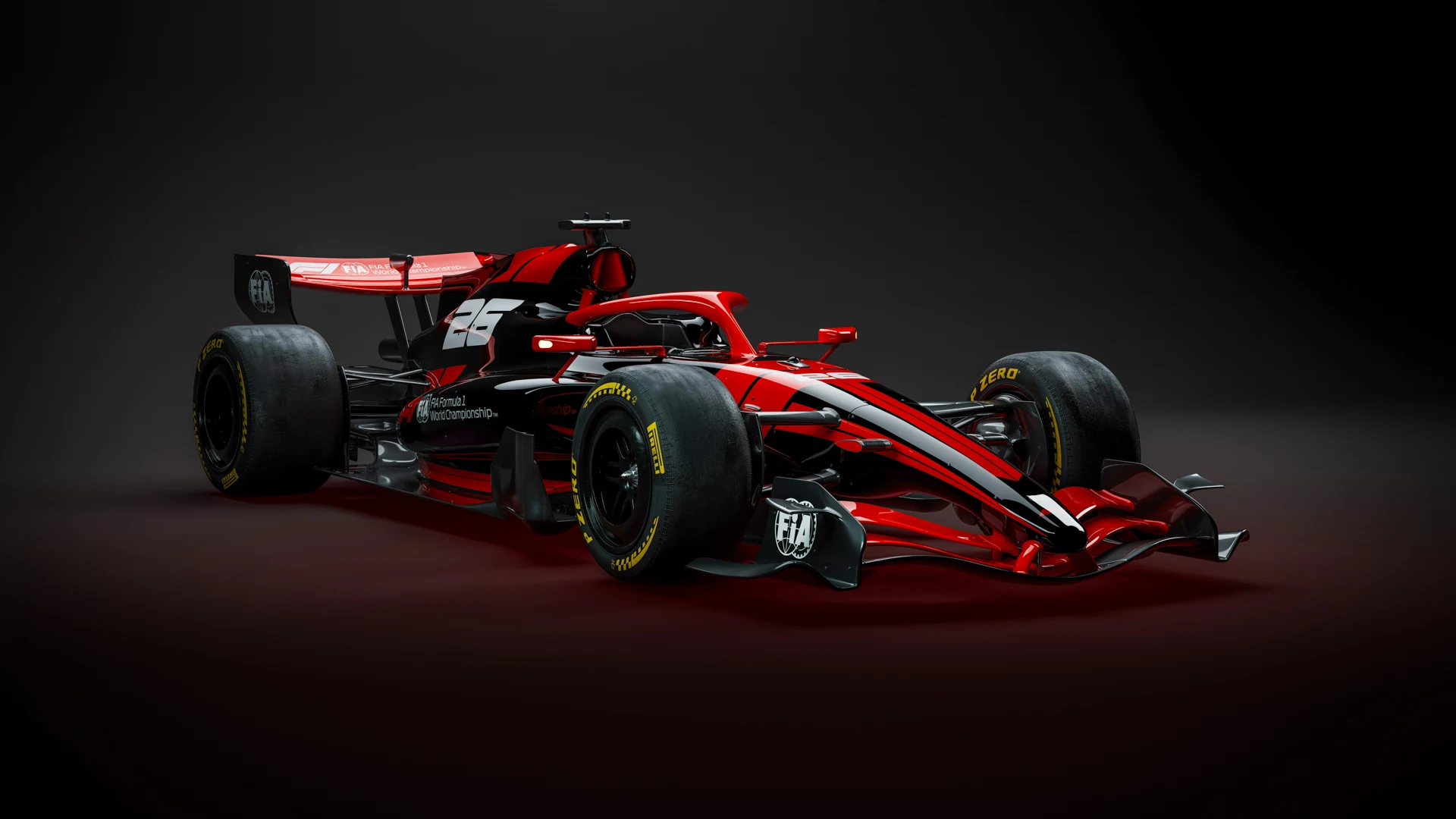
Structure and materials: chassis, composites, and safety
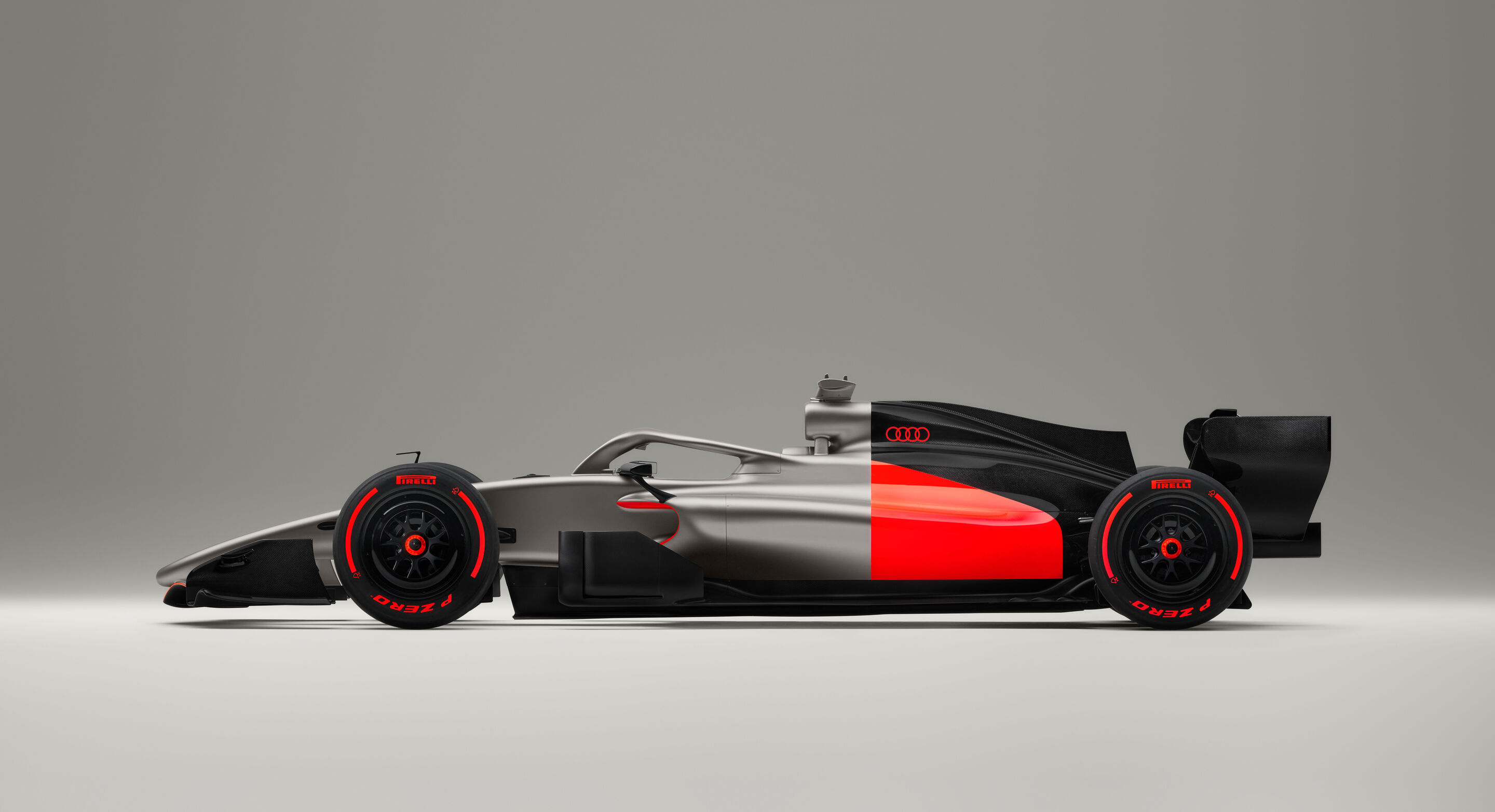
How do teams design and develop Formula One cars each season? The chassis must be light, strong, and safe. Teams use carbon fiber and advanced composites.
Key tasks:
- Design the monocoque to FIA crash rules.
- Lay up composite parts for stiffness and low weight.
- Test components to certify strength and safety.
Safety takes priority. Crash structures, roll hoops, and side-impact protection are non-negotiable. During my time in composites, we iterated layups to save grams without risking safety.
Power unit and drivetrain: integration and cooling
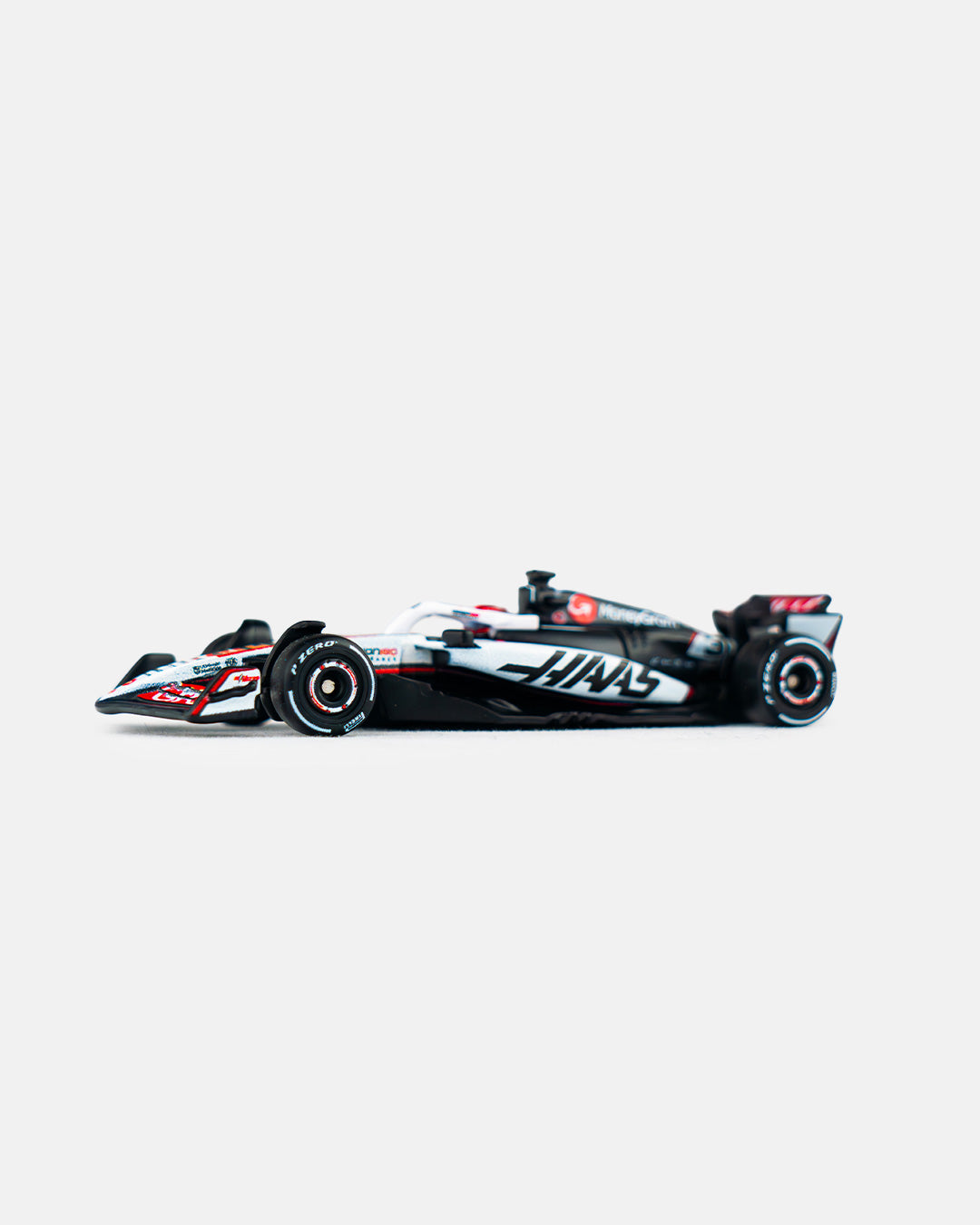
How do teams design and develop Formula One cars each season? Power units come from manufacturers and must be integrated into the car. Cooling and exhaust routing matter a lot.
Steps include:
- Align power unit mounting and gearbox interface.
- Design radiators and ducts for efficient cooling.
- Optimize exhaust shape for aero and performance.
Integration means trade-offs. A tighter rear bodywork helps aero, but cooling must remain effective. Teams run thermal CFD to balance both.
Simulation and control systems: virtual testing
How do teams design and develop Formula One cars each season? Simulation reduces risk. Teams use lap-simulation, driver-in-loop setups, and control software to predict behavior.
Common tools:
- Multi-body dynamics for chassis and suspension.
- Tire models to predict grip and wear.
- Driver-in-the-loop rigs for setup testing.
Simulation lets teams test ideas without building parts. I have used driver rigs to test setups that saved hours on track. This speeds development and lowers cost.
.webp)
Manufacturing and supply chain: from CAD to shop floor
How do teams design and develop Formula One cars each season? Once a part is frozen, it moves to manufacture. Precision machining and fast composites are key.
Process steps:
- Create manufacturing drawings and CNC programs.
- Produce prototype parts for testing.
- Scale production for race weekends and spares.
Speed matters. Teams often run short production runs and rapid prototyping. Good suppliers and on-site workshops cut lead times. I’ve seen teams build replacements overnight before a race.
Wind-tunnel correlation and testing: real-world validation
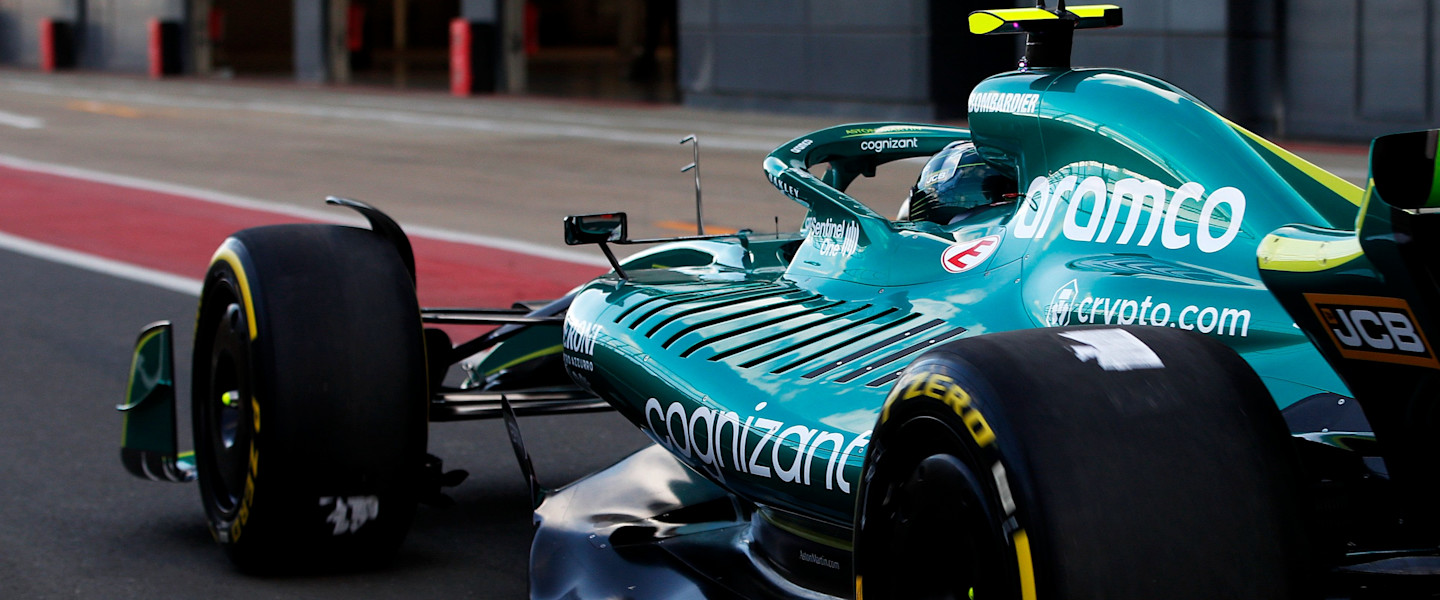
How do teams design and develop Formula One cars each season? Validation proves concepts. Correlation means matching CFD to wind-tunnel and track data.
Steps:
- Test parts in the wind tunnel with sensors.
- Compare results to CFD and update models.
- Validate with track tests and telemetry.
Track testing is the final check. Weather and track surface affect performance. The best teams adapt quickly from test data to updates.
In-season development: upgrades, updates, and strategy
How do teams design and develop Formula One cars each season? Development never stops. Teams bring upgrade packages to improve pace.
Upgrade cycle:
- Identify weaknesses from race data.
- Design parts that fit the current car.
- Validate in CFD and tunnel, then race.
Teams must balance upgrades with reliability and budget caps. I once advised a team to delay a risky update. We gained steady points instead of chasing a false win.
Team structure: who does what
How do teams design and develop Formula One cars each season? Roles are clear but collaborative.
Common roles:
- Technical director sets the vision.
- Aerodynamicists handle airflow and aero parts.
- Design engineers create CAD models and drawings.
- Simulation engineers run CFD and vehicle models.
- Race engineers tune the car at the track.
- Manufacturing and logistics staff build and deliver parts.
Good teams share data fast. Clear roles cut confusion during tight deadlines.
Budget cap, rules, and limits: the business side
How do teams design and develop Formula One cars each season? Finances and rules set real limits. The budget cap forces trade-offs in staff, tools, and upgrade pace.
Points to consider:
- Track spend against the cap closely.
- Prioritize upgrades that give best lap-time per dollar.
- Keep compliance teams to avoid penalties.
The cap makes planning essential. Teams that plan well keep development flowing all season.
Data, telemetry, and continuous learning
How do teams design and develop Formula One cars each season? Data drives decisions. Telemetry feeds updates and race strategy.
How teams use data:
- Collect telemetric streams from the car.
- Analyze tire use, engine parameters, and aerodynamics.
- Turn analysis into setup changes or design tweaks.
Data builds knowledge. Over the season, teams learn what works and what doesn’t. That learning shapes big updates.
Common technical questions engineers ask (PAA-style)
How long does it take to design a new F1 car?
A concept starts months before the season. Full design and build take roughly nine to twelve months for the baseline car.
Why do rules change car designs so much?
Rules set safety and parity. Small rule tweaks change aero, cooling, and packaging. Teams then revise their whole approach.
How much do upgrades improve lap time?
Upgrades usually add tenths of a second. Multiple upgrades over a season can add meaningful gains in race pace.
Personal lessons and practical tips from the pit lane
How do teams design and develop Formula One cars each season? From my experience, speed comes from process as much as from parts. Here are lessons I learned.
Tips:
- Start with rules and don’t assume previous years apply.
- Use simulation to reject bad ideas early.
- Keep a tight link between aero and cooling teams.
- Prioritize reliability over marginal gains in early races.
- Communicate often—small errors cost more than you think.
I once watched a late cooling change save a race. It taught the team to value simple fixes.
Limitations and uncertainties
How do teams design and develop Formula One cars each season? There are limits and unknowns.
Common limits:
- Budget cap restricts scope.
- Rule changes can force redesigns.
- Wind-tunnel and CFD can mislead if not correlated.
- Weather and track changes add uncertainty.
Good teams plan for unknowns. Build flexibility into the design and keep spares ready.
Frequently Asked Questions of How do teams design and develop Formula One cars each season?
How long is the design cycle for an F1 car?
Design cycles usually span nine to twelve months for the base car, with continuous work through the season.
Who owns the car design in a team?
The technical director or chief designer leads the design. They work with heads of aero, chassis, and powertrain.
How do teams test new parts before races?
Teams use CFD, wind tunnels, and track tests. Parts are validated step by step before race use.
Can teams change the car during the season?
Yes. Teams deliver upgrade packages across the season. Changes must meet rules and budget limits.
How much does an F1 car update cost?
Costs vary widely. Small aerodynamic parts cost less, while major upgrades require larger budgets and resource planning.
Conclusion
Designing and developing a Formula One car each season is a tight mix of rules, creativity, and fast engineering. Teams start with the rulebook, build concepts, test in simulation and wind tunnels, and iterate on the track. Success depends on clear goals, strong data, fast manufacturing, and smart trade-offs.
If you want to learn more, follow a team’s season updates, watch technical debriefs, or try a simple CFD or CAD course to see how these ideas work in practice. Leave a comment with your biggest question about F1 car design, or subscribe to track more technical deep dives.