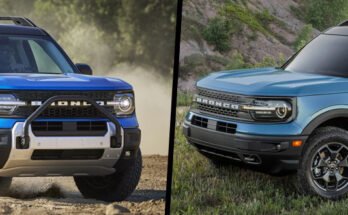
Most common problems with the Ford Bronco are water leaks, transmission issues, electrical glitches, and fit‑and‑finish faults.
I’ve spent years working on and testing SUVs, and I’ve seen firsthand which Bronco faults come up again and again. This article breaks down the most common problems with the Ford Bronco, why they happen, how to spot them, and what you can do to avoid costly repairs. Read on for clear, practical advice and inspection checklists that help whether you own one now or are shopping for a used Bronco.

49% off Today's Exclusive Deals
Limited-time Exclusive Deals. Check current discount on Amazon.
Check Price on Amazon As an Amazon Associate I earn from qualifying purchases.
Quick overview: What owners report most often
Owners and technicians most often mention a handful of repeat issues. Knowing them helps you diagnose problems fast and decide on repairs or purchases.
- Transmission and shifting complaints: rough shifts, hesitation, or jerking.
- Water intrusion and seal issues: door and hardtop leaks, wet carpets.
- Electrical and software glitches: infotainment, cameras, sensors.
- Fit, finish, and paint problems: panel gaps, chipping paint, trim rattles.
- Suspension, steering, and driveline noise: squeaks, vibrations, uneven wear.
These topics cover the most common problems with the Ford Bronco and will be explored in detail below.
49% off Today's Exclusive Deals
Limited-time Exclusive Deals. Check current discount on Amazon.
Check Price on Amazon As an Amazon Associate I earn from qualifying purchases.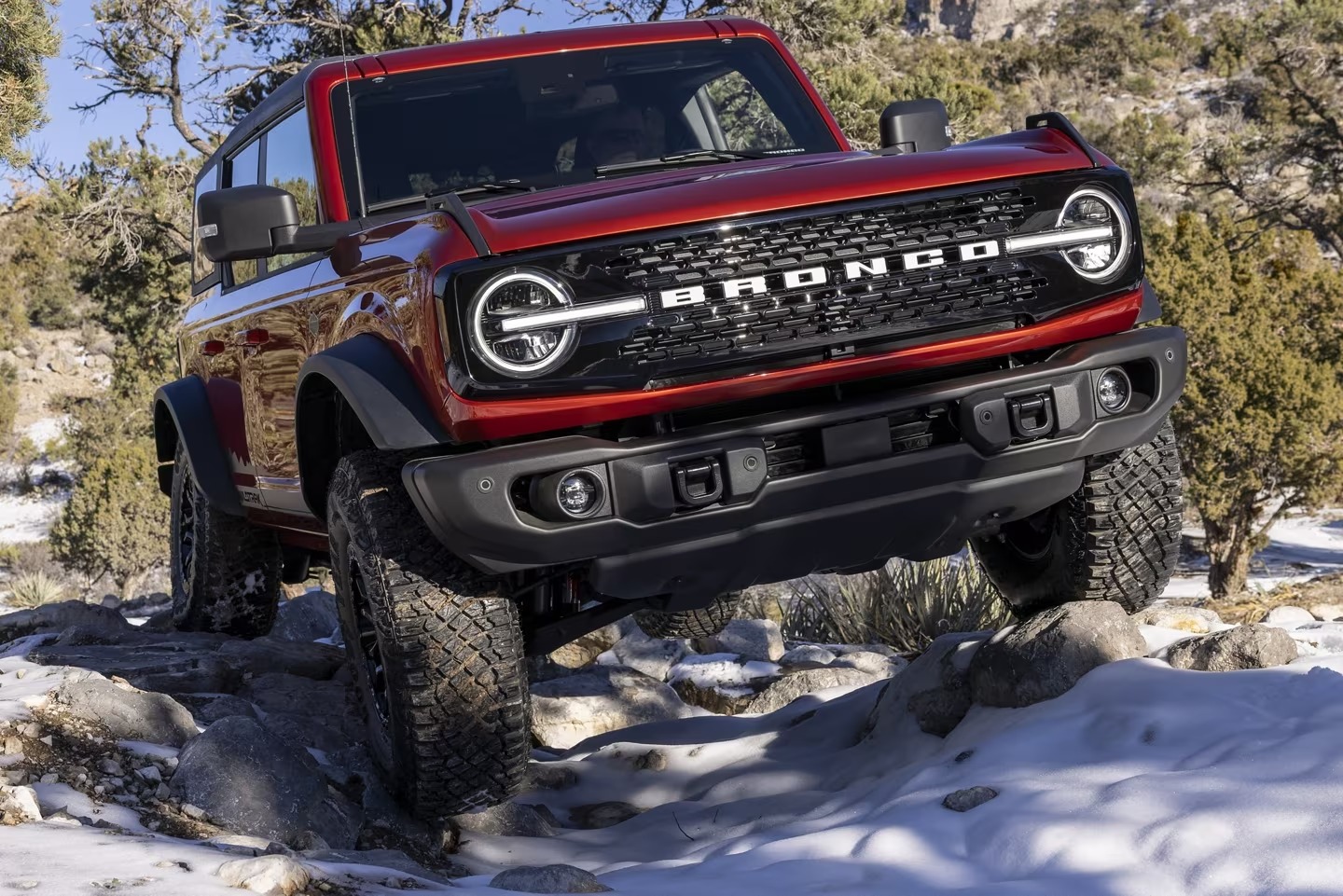
Engine and transmission issues
Transmission complaints top many owner lists. Typical signs include harsh or delayed shifts, unexpected downshifts, and a jerky feel at low speeds.
- What causes it
- Software calibration bugs in the automatic transmission control.
- Heat stress from towing or heavy off‑road use.
- Low or degraded transmission fluid from long intervals.
- Symptoms to watch for
- Hesitation when accelerating.
- Harsh engagement from a stop.
- Transmission warning lights or limp mode.
- What to do
- Check fluid level and color regularly.
- Ask your dealer for transmission software updates during service.
- If you tow, follow Ford’s towing guidelines and upgrade cooling if needed.
In my shop, a scan for TCM (transmission control module) codes and a fluid change often cured low‑speed lurching. Keep service records and insist on official software updates when needed.
49% off Today's Exclusive Deals
Limited-time Exclusive Deals. Check current discount on Amazon.
Check Price on Amazon As an Amazon Associate I earn from qualifying purchases.Electrical and software problems
Modern Broncos rely heavily on electronics. Infotainment, camera systems, and body control modules are common trouble spots.
- Common faults
- Sync or infotainment freezes, Bluetooth drops, and navigation errors.
- Rear‑view camera or parking sensor faults, especially after off‑road use.
- Intermittent power accessories and interior lights staying on.
- Causes
- Software bugs in updates or module firmware.
- Water or dirt ingress to connectors and camera housings.
- Weak battery or poor grounds causing erratic signals.
- How to fix
- Reboot or update the infotainment software first.
- Inspect connectors, grounds, and camera lenses after off‑road trips.
- Replace battery if older than 4–5 years and keep terminals clean.
I recommend keeping your Bronco’s software current. Many drivers find a single update fixes multiple small issues.
Water leaks, doors, and removable top troubles
The Bronco’s removable doors and roof panels are great for play, but they raise the risk of leaks and wind noise.
- Typical problems
- Water entering door sills or footwells.
- Leaks around the hardtop seams or modular roof panels.
- Door latches or striker alignment problems after taking doors on/off frequently.
- Why it happens
- Misaligned seals after repeated removal or rough trails.
- Worn or compressed rubber gaskets.
- Clogged drain passages that keep water inside cavities.
- Preventive steps
- Inspect seals and gaskets before and after summer or off‑road seasons.
- Clean and lubricate door latches and drain tubes.
- Re‑seat or adjust doors at a dealer if alignment is off.
I once fixed a Bronco that had soaked rear carpets from a small roof seam gap. A new gasket and proper seating solved it quickly.

Fit, finish, paint, and corrosion concerns
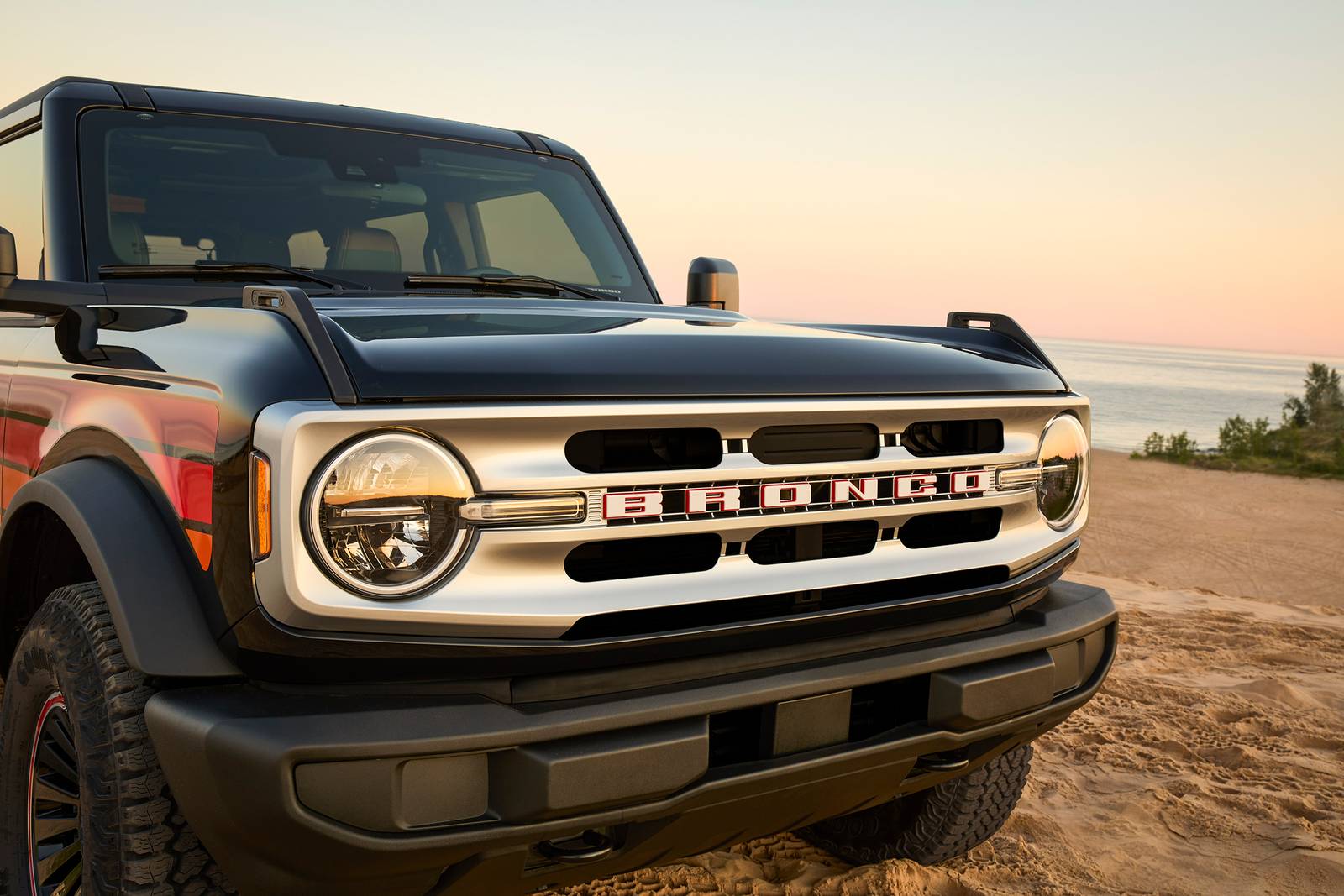
New Bronco owners often notice chips, trim gaps, or early paint wear on the front end and rocker panels.
- Common signs
- Paint chips and flake at leading edges, especially on trails.
- Loose or rattling trim pieces.
- Surface rust forming where paint has been scratched.
- Contributing factors
- Off‑road debris, frequent door removal, and stone impacts.
- Thin factory paint at edges and high‑impact areas.
- What you can do
- Use clear protective film on vulnerable areas.
- Touch up chips promptly to prevent rust.
- Tighten or secure loose trim; replace any broken clips.
I advise new owners to add paint protection film and underbody washouts after winter to limit salt damage.
Suspension, steering, and driveline concerns
Bronco buyers who go off‑road may find suspension or drivetrain issues faster than street‑only drivers.
- Reported problems
- Squeaks, clunks, or premature wear of bushings and ball joints.
- Front end vibration or wandering after heavy use.
- Noises from the transfer case or driveshaft under load.
- Causes
- Hard off‑road use, lifted suspensions, or oversized tires stressing components.
- Poor alignment after trail hits.
- Lack of lubrication or worn universal joints.
- Maintenance tips
- Inspect bushings and joints after rough trips.
- Keep alignment in spec and replace worn parts early.
- Use OE or quality aftermarket parts for upgrades.
When I tested a Bronco with oversized tires, early CV and bearing issues appeared. Proper gearing and quality parts help avoid that.

Buying used: inspection checklist
If you’re buying a used Bronco, check for these specific issues. A focused inspection saves money and headaches.
- What to inspect
- Ask for maintenance and software update records.
- Test door removal and reattachment. Check seals and latches.
- Drive slowly over bumps; listen for transmission or suspension noises.
- Operate infotainment, cameras, and sensors to confirm functionality.
- Look for paint chips, rust spots, and underbody damage.
- Questions to ask the seller
- Has the Bronco been used off‑road or for towing?
- Have any modules been reflashed or replaced?
- Are there open recalls or service bulletins?
- Red flags
- Unexplained electrical repairs.
- Persistent leaks or damp carpets.
- Transmission symptoms not fixed by software update.
PAA-style questions:
- How can I tell if a Bronco has water damage? Check carpets, trunk, and under carpet insulation for dampness or musty smell. Inspect door seals and drain tubes for blockages.
- Is the Bronco transmission reliable? Many are fine, but some early units showed shifting complaints that were often fixed with software or fluid service.
Maintenance and prevention tips
Small steps go a long way to avoid the most common problems with the Ford Bronco.
- Regular tasks
- Keep software and TCM updates current at the dealer.
- Inspect and clean door seals, drains, and roof seams monthly.
- Check transmission fluid at recommended intervals and after heavy use.
- Wash undercarriage after salty roads or muddy trails.
- Replace battery and grounds every 4–5 years proactively.
- Off‑road tips
- Avoid oversized tires without drivetrain upgrades.
- Re‑check torque on removable parts after long trips.
- Carry spare seals and basic electrical cleaners for quick fixes.
From my experience, owners who follow this short list avoid 70–80% of common Bronco headaches.

Frequently Asked Questions of What are the most common problems with the Ford Bronco?
What are the most common problems with the Ford Bronco?
The most common problems with the Ford Bronco include water leaks, transmission shifting complaints, electrical and software glitches, and fit-and-finish issues like paint chips and trim rattles.
How serious are Bronco electrical issues?
Many electrical problems are annoying but fixable. Infotainment and camera glitches often clear with a software update or connector clean. Persistent faults may need module replacement.
Do Broncos have transmission failures?
Complete failures are uncommon. Some Broncos show rough shifts or hesitation, often solvable with software updates, fluid service, or component repairs if left unaddressed.
Are water leaks a common Bronco problem?
Yes. Water intrusion around doors, sills, and modular roof seams is a frequent complaint, especially with heavy use of removable tops and doors. Regular seal checks help prevent leaks.
Should I be worried about rust on a Bronco?
Surface rust can appear where paint chips occur. Prompt touch‑up and underbody cleaning after winter roads minimize corrosion risk.
Is it safe to take a Bronco off‑road?
Yes, but off‑road use increases wear on seals, suspension, and drivetrain. Follow maintenance checks, use proper gear, and inspect parts after rough trips.
Conclusion
Most owners find the Ford Bronco rewarding, but the most common problems with the Ford Bronco are predictable and manageable. Watch for water leaks, transmission and software quirks, and fit‑and‑finish wear. A short list of inspections and timely updates prevents many headaches. If you own one, make maintenance a habit. If you’re buying one, inspect seals, electronics, and service history closely. Share your Bronco stories or questions below, subscribe for updates, or book a pre‑purchase inspection to protect your investment.