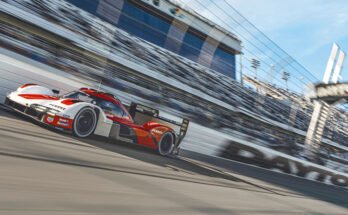
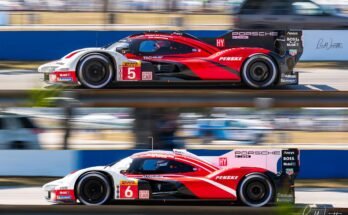
Porsche 963 is a modern GTP prototype; Porsche 919 Hybrid was a dominant LMP1 hybrid race car.
I have spent years following endurance racing and testing prototype tech. I will explain what is different between Porsche 963 and Porsche 919 Hybrid in plain terms. You will get clear comparisons of design, rules, engines, hybrid systems, race results, costs, and what each car meant for teams and fans. Read on to understand the key contrasts and what they matter.

49% off Today's Exclusive Deals
Limited-time Exclusive Deals. Check current discount on Amazon.
Check Price on Amazon As an Amazon Associate I earn from qualifying purchases.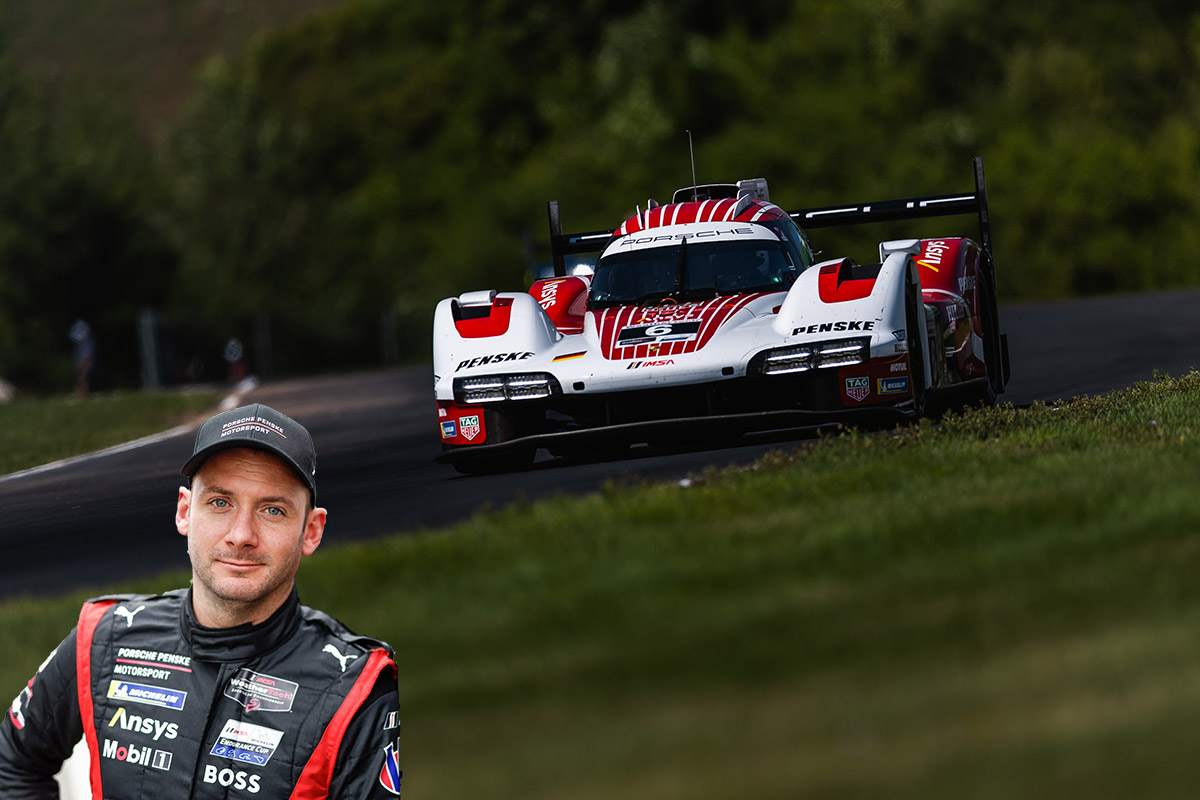
Overview: core differences at a glance
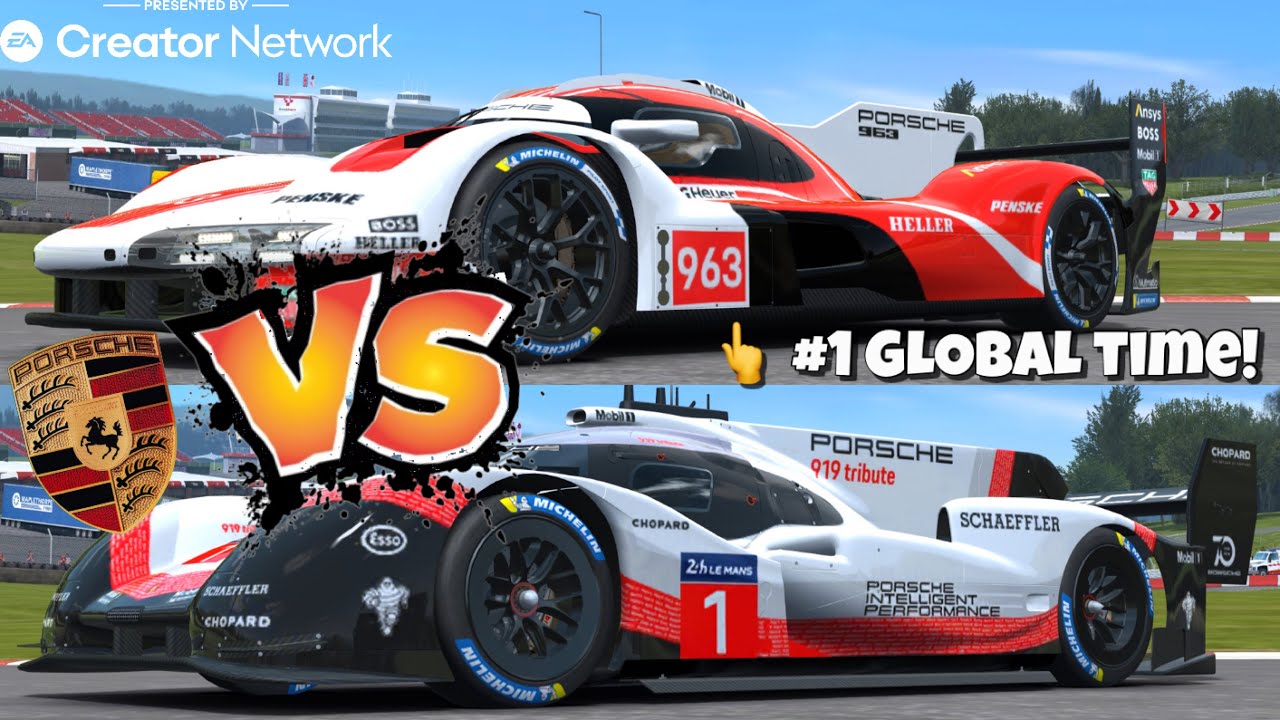
The Porsche 963 and Porsche 919 Hybrid are both top-tier prototype race cars. They are from different rules eras. The 919 raced in LMP1 under bespoke hybrid rules. The 963 races in GTP/LMDh under converged rules shared with IMSA. The main split is rules and how the hybrid parts are set. What is the difference between Porsche 963 and Porsche 919 Hybrid? It is largely about rulebooks, chassis sources, and homologated hybrid systems.
49% off Today's Exclusive Deals
Limited-time Exclusive Deals. Check current discount on Amazon.
Check Price on Amazon As an Amazon Associate I earn from qualifying purchases.Design and aerodynamics
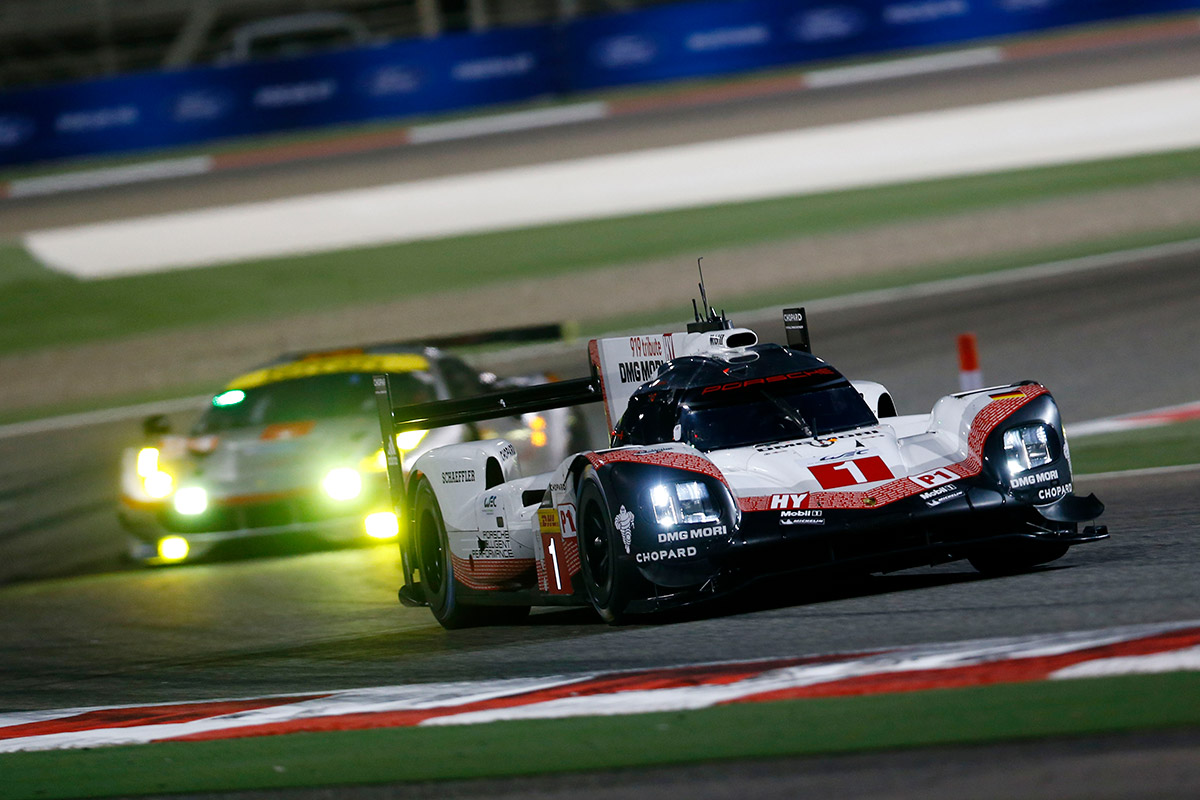
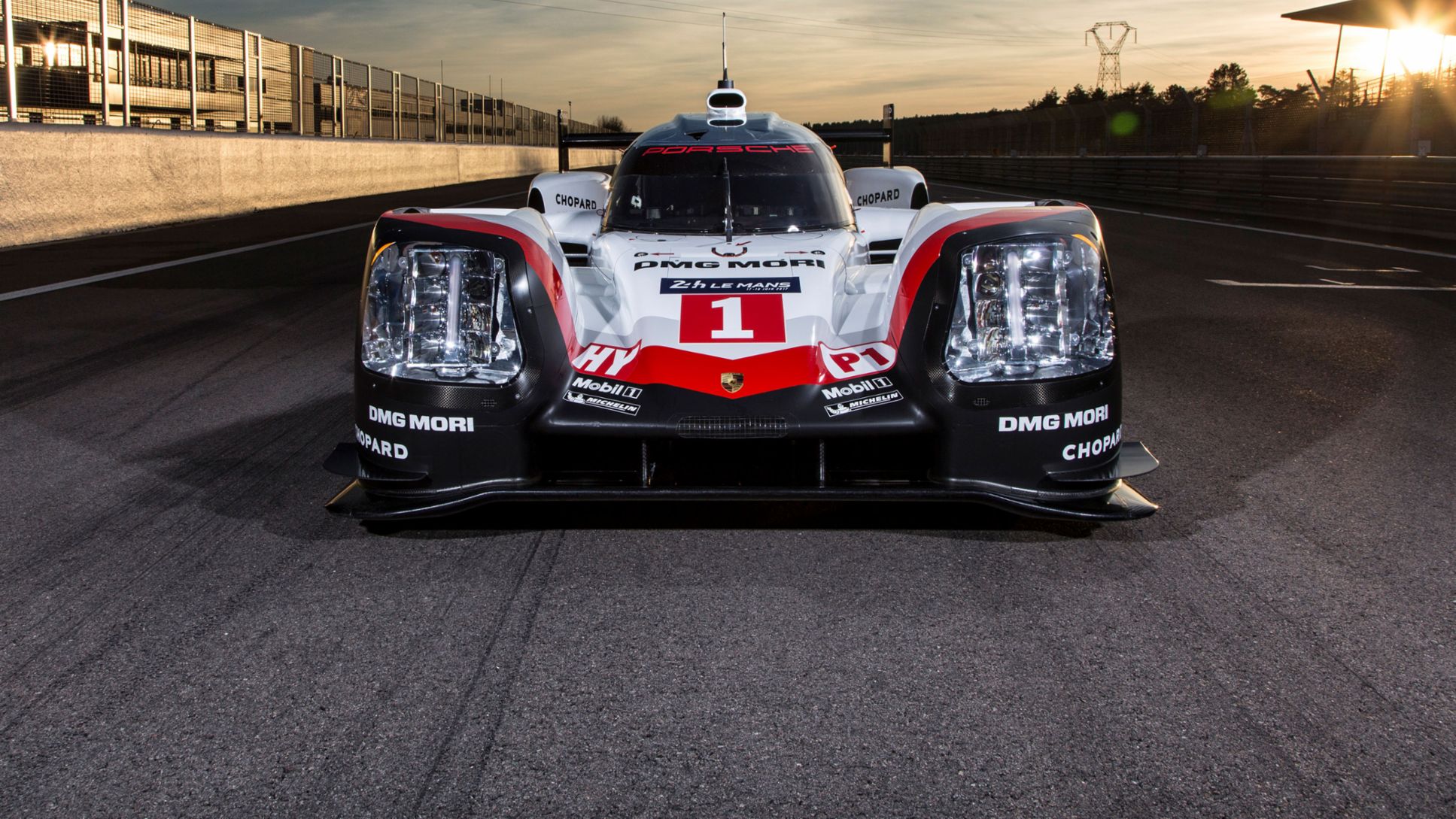
The 919 was built to a unique LMP1 shape. Porsche designed the body and aero to be as free as rules allowed. The 963 uses an LMP2-based chassis from a supplier and adds Porsche bodywork. The 963 must fit cost caps and standard hybrid mount rules. Aerodynamic choices differ because the 919 had freer aero development. The 963 balances aero to meet both WEC and IMSA limits.

Powertrain and hybrid systems
The 919 Hybrid used a bespoke hybrid system. It combined a small turbo V4 engine with electric energy recovery on both axles in some years. Porsche tailored battery and motor systems to maximize energy deployment under LMP1 rules. The 963 uses an LMDh hybrid system. That hybrid package is homologated and shared between manufacturers. The internal combustion engine in the 963 is a Porsche-tuned twin-turbo V8 or V6 variant, depending on spec choices. What is the difference between Porsche 963 and Porsche 919 Hybrid? The 919 had more unique, custom hybrid tech. The 963 uses standardized hybrid hardware but allows engine and body freedom.

49% off Today's Exclusive Deals
Limited-time Exclusive Deals. Check current discount on Amazon.
Check Price on Amazon As an Amazon Associate I earn from qualifying purchases.Performance and racing results
The 919 Hybrid enjoyed great success. It won multiple Le Mans races and world titles. The car pushed hybrid strategy hard and set fast laps in WEC. The 963 aims to compete across WEC and IMSA under different traffic and tracks. Early 963s showed strong pace but had different reliability patterns than the 919. What is the difference between Porsche 963 and Porsche 919 Hybrid? The 919 proved dominance with bespoke tech; the 963 competes under balanced rules with tighter parity.

Regulations and class differences
LMP1 rules let manufacturers innovate more freely. That was the 919's playground. LMDh/GTP rules aim for cost control and cross-series parity. The 963 must use an approved hybrid unit and a spec battery and inverter package. LMP1 allowed Porsche to develop unique ERS and battery tech. LMDh forces shared elements so one package works in both WEC and IMSA. What is the difference between Porsche 963 and Porsche 919 Hybrid? One is a product of open LMP1 rules; the other is a product of converged, cost-aware LMDh rules.

Technology and innovation
The 919 pushed battery chemistries, energy recovery methods, and control software. Porsche invested in unique motor-generator units and cooling designs in the 919. The 963 uses proven, standardized hybrid modules to keep costs down. Both cars drove learning for road cars. The 919's lessons shaped future electric and hybrid systems inside Porsche. The 963 applies those lessons under tighter technical limits. What is the difference between Porsche 963 and Porsche 919 Hybrid? It is in how freely each car could innovate and how those innovations were implemented.
What it means for teams, drivers, and fans
Teams must adapt to each set of rules. The 919 needed deep in-house engineering and high budgets. The 963 lowers entry cost and lets private teams run competitive cars. Drivers feel the difference in power delivery and handling. The 919 had more torque recovery complexity. The 963 is more predictable because of standardized hybrid systems. Fans saw radical tech in the 919. Fans see closer, more varied grids with the 963. What is the difference between Porsche 963 and Porsche 919 Hybrid? One pushed engineering limits; the other balances access, cost, and close racing.

Personal experience, tips, and lessons learned
I watched test days and race weekends for both cars. The 919 felt like riding a tech experiment. The torque fills were sharp and needed careful throttle work. The 963 felt steadier on entry and easier to manage in traffic. If you are a team engineer, test hybrid-mapping early. If you are a fan, watch energy deployment windows — they tell the race story. What is the difference between Porsche 963 and Porsche 919 Hybrid? From close view, the 919 taught me more about raw hybrid potential. The 963 taught me lessons about parity and race craft.
Practical buying and collecting notes
If you track collector models or plan visits, know this. 919-era parts are rare and historic. 963 parts are more available due to homologation and suppliers. Replica projects prefer 963 donor layouts for cost. For museum pieces, the 919 often has a higher historic value due to its titles. What is the difference between Porsche 963 and Porsche 919 Hybrid? The 919 is a headline-making legend. The 963 is the practical, modern prototype.
Frequently Asked Questions of What is the difference between Porsche 963 and Porsche 919 Hybrid?
What are the main rule differences between the Porsche 963 and the Porsche 919 Hybrid?
The 919 raced under LMP1 rules with more freedom for hybrid systems. The 963 fits LMDh/GTP rules that mandate a standardized hybrid package and cost controls.
Did both cars race at Le Mans?
Yes. The 919 won Le Mans several times under LMP1. The 963 also races at Le Mans under the new top class rules and aims for wins across series.
Which car had more unique hybrid tech?
The 919 had more bespoke hybrid development and experimental energy recovery setups. The 963 uses a homologated hybrid unit shared across makers.
Is one car faster lap-for-lap than the other?
Lap times vary by track and era. The 919 set very fast laps in its time, but direct lap comparisons are affected by rule changes and tires.
Which is more expensive to run?
Historically, the 919 program was very costly due to custom tech. The 963 is designed to be cheaper to run by using standardized components and supplier chassis.
Can teams tune the hybrid on the 963?
Teams tune many parameters, but the core hybrid hardware is homologated. Engine maps and aero can still be optimized within limits.
Did Porsche learn from the 919 when building the 963?
Yes. Porsche used lessons in battery cooling, control software, and chassis integration from the 919 to improve 963 reliability and performance.
Conclusion
The difference between Porsche 963 and Porsche 919 Hybrid comes down to rules, freedom to innovate, and program goals. The 919 was a high-tech, bespoke LMP1 machine that chased engineering limits and titles. The 963 is a modern, cost-aware LMDh/GTP car built for cross-series parity and close racing. Both cars helped road and race tech grow, but in very different ways. Takeaway: if you love pure engineering boldness, study the 919; if you want current top-class racing with wider team access, focus on the 963. If you enjoyed this guide, leave a comment, subscribe for more race-tech breakdowns, or dive into race replays to see these differences in action.