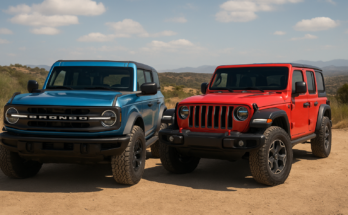
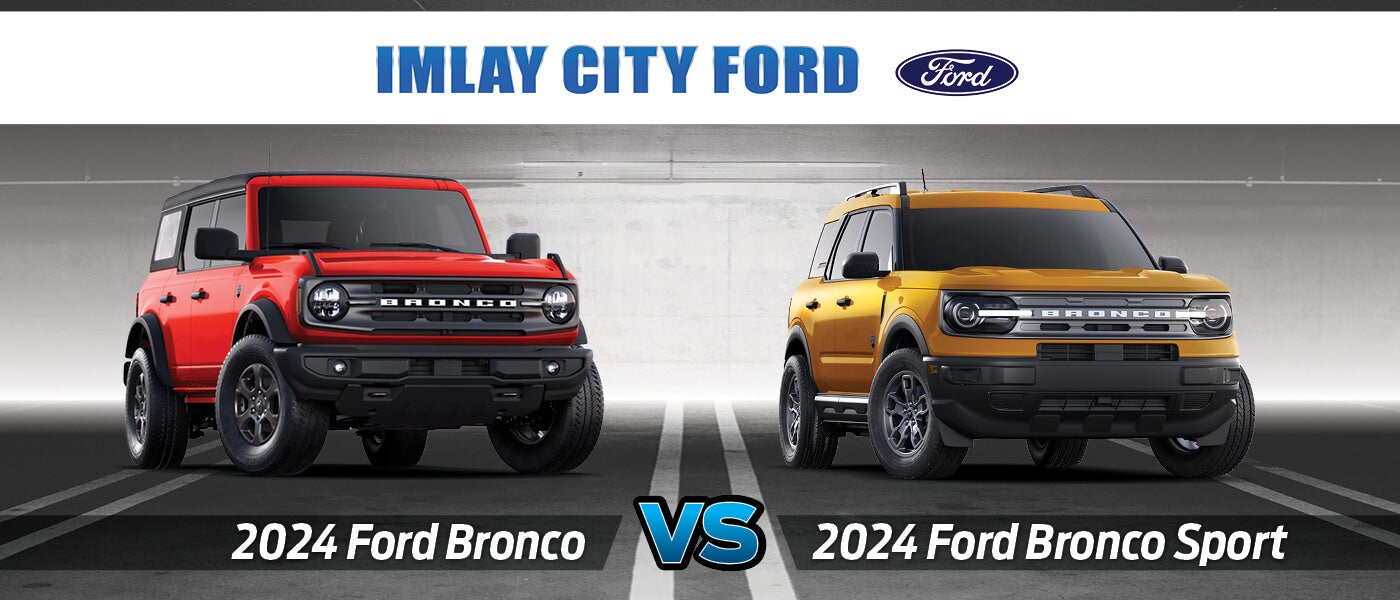
The Bronco is a rugged full-size off-roader; Bronco Sport is a compact, street-friendly AWD crossover.
I’ve spent years testing SUVs and off-road rigs, and I’ve driven both the Bronco and Bronco Sport in varied conditions. This guide breaks down the difference between Ford Bronco and Bronco Sport with clear, practical detail. You’ll get design, performance, off-road ability, interior use, and buying advice so you can choose the right vehicle for your life.

49% off Today's Exclusive Deals
Limited-time Exclusive Deals. Check current discount on Amazon.
Check Price on Amazon As an Amazon Associate I earn from qualifying purchases.
Overview: core identity and intent
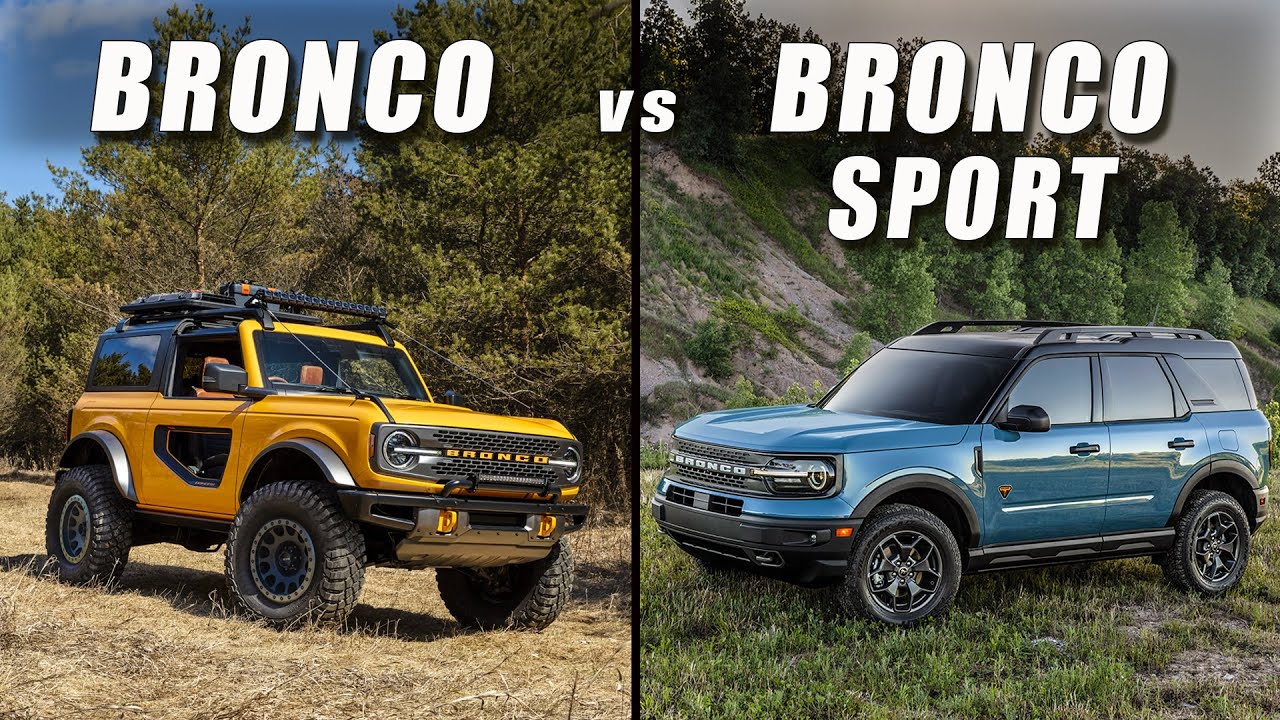
The key difference between Ford Bronco and Bronco Sport starts with purpose. The Bronco is built to be a dedicated off-road vehicle with removable doors and tops, solid axles on some trims, and heavy-duty hardware. The Bronco Sport is a compact crossover that borrows styling cues from the Bronco but focuses on everyday comfort and light-duty trails.
Both models wear the Bronco name. Both aim at outdoor-minded buyers. Yet the difference between Ford Bronco and Bronco Sport is fundamental: one is a traditional off-road SUV, the other is a versatile small SUV for city and weekend adventures.
49% off Today's Exclusive Deals
Limited-time Exclusive Deals. Check current discount on Amazon.
Check Price on Amazon As an Amazon Associate I earn from qualifying purchases.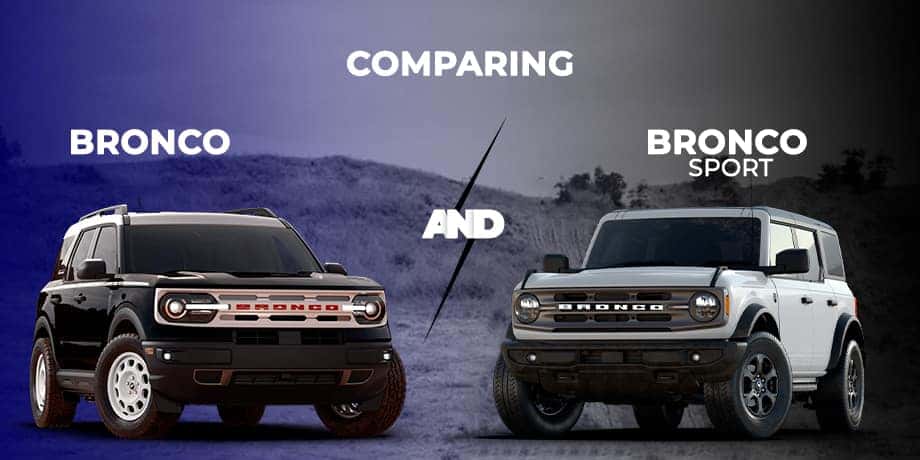
Design, size, and build differences
Body and layout
- The Bronco is larger. It comes as a two-door or four-door body-on-frame style feel and aggressive stance.
- The Bronco Sport is smaller. It’s a unibody compact crossover sized closer to compact SUVs.
Exterior features
- The Bronco offers removable doors, fold-down windshield options, and modular bumpers. These support serious trail use.
- The Bronco Sport uses fixed glass, modern bumpers, and roof rails for gear. It focuses on practicality and cargo flexibility.
Chassis and structure
49% off Today's Exclusive Deals
Limited-time Exclusive Deals. Check current discount on Amazon.
Check Price on Amazon As an Amazon Associate I earn from qualifying purchases.- The Bronco’s design prioritizes durability and aftermarket customization. It has higher approach and departure angles across trims.
- The Bronco Sport balances ride comfort and light off-road competence. It targets buyers who want a confident street ride and occasional trails.
The difference between Ford Bronco and Bronco Sport shows up first in size and structure. Choose the Bronco for extreme trail intent and the Bronco Sport for daily driving with adventure-ready capability.

Performance and powertrain comparison
Engine and transmission
- The Bronco offers several robust engines, tuned for torque and low-end grunt. Options include turbocharged and V6 choices across trims.
- The Bronco Sport uses smaller, more fuel-efficient engines tuned for economy and smooth city driving.
Drivetrains and gearing
- The Bronco has advanced 4×4 systems with low-range gearing on many trims. It supports towing and technical off-road crawling.
- The Bronco Sport uses AWD systems optimized for traction on wet or loose surfaces. It lacks the low-range gears found in hardcore off-road rigs.
Fuel economy and daily driving
- The Bronco trades some fuel efficiency for power and capability.
- The Bronco Sport gives better mileage and a softer ride for urban use.
When comparing the difference between Ford Bronco and Bronco Sport, think about power needs, towing, and how frequently you’ll tackle serious off-road work.
Off-road capability and technology
Trail hardware
- The Bronco includes trail-specific options: locking differentials, skid plates, higher ground clearance, and an available Sasquatch-style package. These parts help on rough trails.
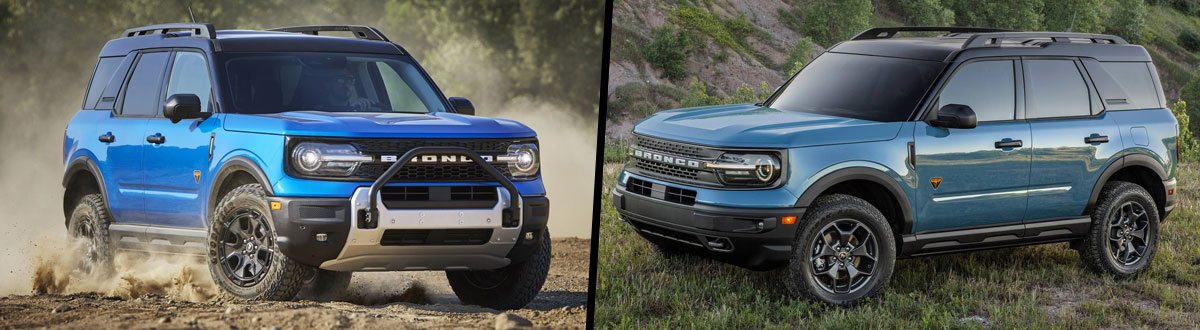
- The Bronco Sport adds protective cladding and AWD modes. It’s aimed at gravel roads, snow, and light trails rather than rock crawling.
Driver aids and tech
- The Bronco features trail control, G.O.A.T. Modes, and advanced camera views for tight trails. It’s made to assist novice and expert off-roaders.
- The Bronco Sport offers selectable drive modes and stability tech tuned for safety and confidence on mixed surfaces.
Maintenance and durability
- The Bronco’s heavy-duty parts may need different maintenance and have higher repair costs after intense off-roading.
- The Bronco Sport generally has lower running costs and simpler upkeep for everyday owners.
PAA-style questions
Can the Bronco Sport handle real off-roading?
Yes. The Bronco Sport can manage dirt roads and mild trails, but it is not meant for heavy rock crawling or deep-water fording like the full Bronco.
Is the Ford Bronco better for trail driving than the Bronco Sport?
Yes. The Bronco is specifically engineered for serious off-road use, with hardware and geometry that outperform the Bronco Sport on tough terrain.
The difference between Ford Bronco and Bronco Sport on the trail is obvious: one is trail-ready; the other is trail-capable.
Interior, practicality, and daily use
Space and seating
- The Bronco offers roomy seating in four-door trims and durable finishes that resist dirt and water.
- The Bronco Sport focuses on ergonomic packaging and smart storage in a smaller footprint.
Comfort and features
- The Bronco can be outfitted with washable interiors and utilitarian features for messy adventures.
- The Bronco Sport favors comfort, quieter cabins, and fuel-friendly features for longer daily commutes.
Cargo and usability
- The Bronco has generous cargo space and tie-downs for outdoor gear, plus removable tops for open-air use.
- The Bronco Sport has clever storage shelves and a lower lift-over height for easy loading.
Think about how you use your vehicle. The difference between Ford Bronco and Bronco Sport inside is the balance between rugged utility and everyday comfort.
Pricing, ownership costs, and value proposition
Initial price and trim spread
- The Bronco starts higher in price, driven by its off-road hardware and larger size. Higher trims add significant capability and cost.
- The Bronco Sport has a lower entry price and a value ladder that appeals to budget-minded buyers.
Fuel, insurance, and repairs
- Expect higher fuel and potential repair costs for the Bronco when used hard off-road.
- The Bronco Sport is cheaper to run, and insurance typically costs less.
Resale and community value
- The Bronco has strong enthusiast demand and aftermarket value for restored or upgraded models.
- The Bronco Sport holds steady value as a practical compact crossover with a cool badge.
When weighing the difference between Ford Bronco and Bronco Sport, include long-term costs as part of your decision.
Personal experience, buying tips, and real-world advice
What I learned from driving both
- The Bronco feels alive on trails. You hear, feel, and control the terrain directly. It’s joyful but demanding.
- The Bronco Sport feels relaxed. It’s easier to live with day to day and surprises you with its capability on rough gravel.
Tips for buyers
- Buy the Bronco if you plan serious off-roading, want removable panels, or need higher towing and load capacity.
- Buy the Bronco Sport if you want a city-friendly vehicle that can still handle outdoor weekends and snow.
Mistakes to avoid
- Don’t buy a Bronco if you only need occasional light trails; the cost and size may frustrate you.
- Don’t assume Bronco Sport hardware equals Bronco hardware; the compact model has limits.
These practical tips reflect hands-on testing and ownership lessons. The difference between Ford Bronco and Bronco Sport becomes clearer when you match features to your lifestyle.
Frequently Asked Questions about What is the difference between Ford Bronco and Bronco Sport?
What is the main structural difference between Bronco and Bronco Sport?
The main structural difference is that the Bronco is built with rugged architecture for heavy off-roading, while the Bronco Sport is a unibody compact crossover designed for everyday use and light trails.
Do both models offer four-wheel drive?
Both models offer traction systems, but the Bronco provides advanced 4×4 systems with low-range gearing on many trims, while the Bronco Sport uses AWD systems tuned for on-road and light off-road traction.
Which model gets better fuel economy?
The Bronco Sport generally gets better fuel economy due to smaller engines and lighter weight, whereas the Bronco sacrifices some efficiency for power and capability.
Can you take the Bronco Sport on rough trails?
Yes, you can take the Bronco Sport on dirt roads and moderate trails, but avoid severe rock crawling or deep water where the Bronco’s hardware is needed.
Which vehicle is better for families and daily driving?
The Bronco Sport is typically better for families and daily driving because of its compact size, ease of parking, and more comfortable ride for passengers.
Conclusion
The difference between Ford Bronco and Bronco Sport comes down to intent. Choose the Bronco for rugged, serious off-roading and customization. Choose the Bronco Sport for a practical, fuel-friendly crossover that handles light adventures and daily life with ease. Match the vehicle to your lifestyle, budget, and how much off-road work you actually plan to do.
Takeaway: be honest about your needs. Test-drive both on roads and trails where possible. If you found this useful, leave a comment about your planned use or subscribe to follow more gear and vehicle guides.