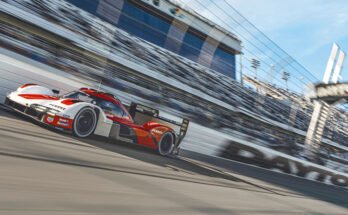
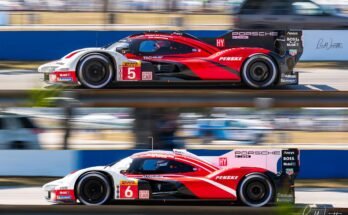
The Porsche 963 can complete full 24-hour endurance races when properly managed by teams.
I’ve spent years working around endurance paddocks as an engineer and writer, and I’ll walk you through exactly how long the Porsche 963 can run in endurance races, what limits its stints, and how teams extract maximum uptime. This article explains technical limits, stint length, fuel and tire windows, regulatory constraints, reliability history, and real-world examples so you can understand both the numbers and the on-track realities of the Porsche 963.

49% off Today's Exclusive Deals
Limited-time Exclusive Deals. Check current discount on Amazon.
Check Price on Amazon As an Amazon Associate I earn from qualifying purchases.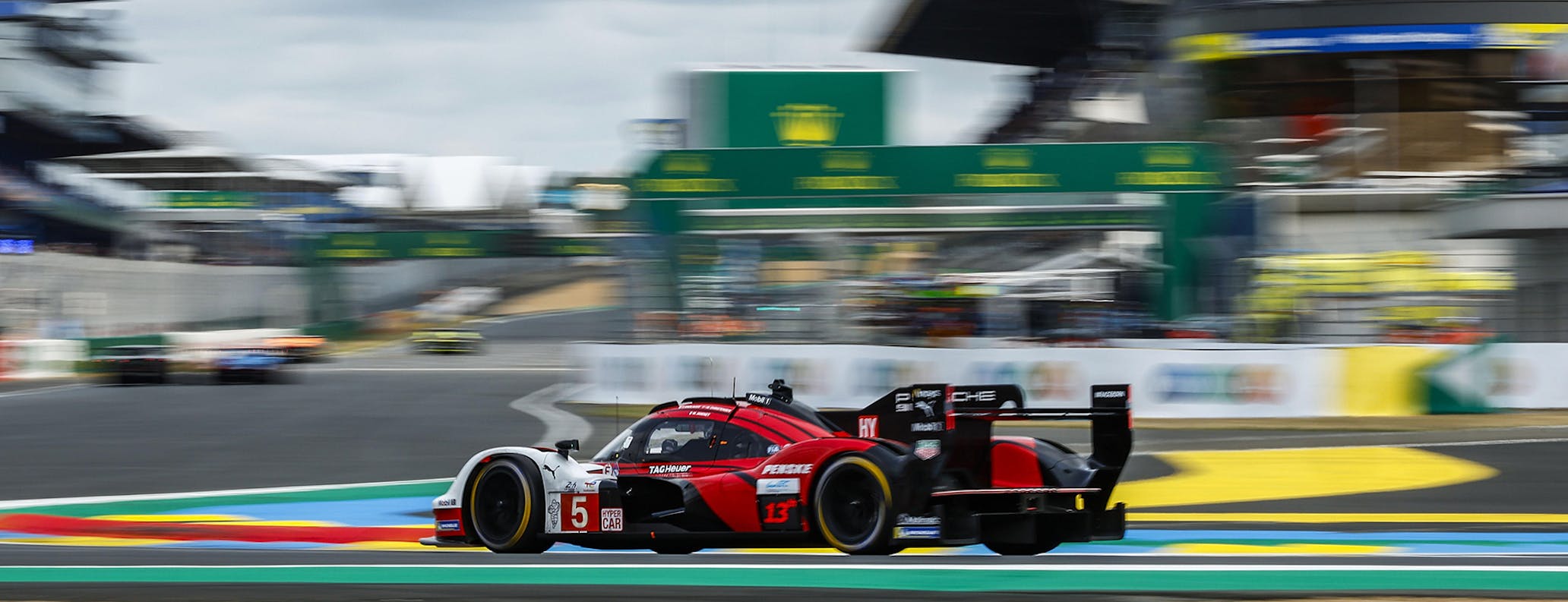
Overview: How long can the Porsche 963 run in endurance races?
The question "How long can the Porsche 963 run in endurance races?" has many answers. On a single stint, the Porsche 963 typically runs 40–70 minutes between pit stops depending on race strategy. Over a full event like a 6-, 12-, or 24-hour race, the car can remain on track for the whole duration with driver rotations, routine pit service, and scheduled maintenance during the race.
Key factors that determine how long the Porsche 963 can run in endurance races:
49% off Today's Exclusive Deals
Limited-time Exclusive Deals. Check current discount on Amazon.
Check Price on Amazon As an Amazon Associate I earn from qualifying purchases.- Fuel tank capacity and fuel consumption rates.
- Tire life and compound selection.
- Driver stint limits set by race regulations.
- Component durability and scheduled repairs.
- Team strategy and safety car interventions.
This section gives you the core runtime picture and sets up the deeper technical and practical details below. Read on to understand how fuel, tires, rules, and reliability play together to let a Porsche 963 compete across entire endurance events.
Design and endurance features that affect runtime
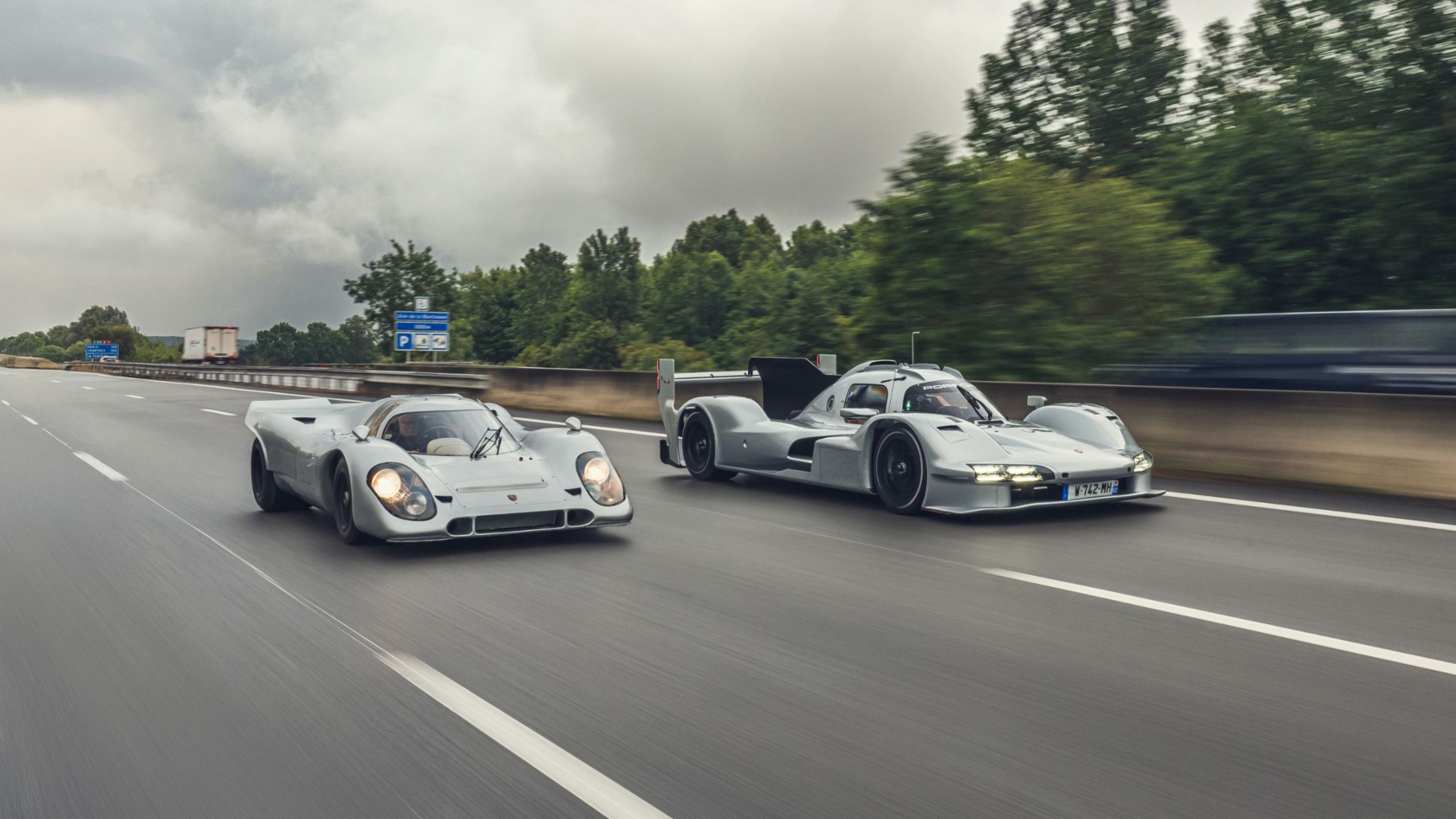
Porsche designed the 963 to be durable and fast for endurance racing. The car uses hybrid power assist, a robust chassis, race-grade cooling, and modular components for quick service. These design choices directly affect how long the Porsche 963 can run in endurance races.
Important design elements:
49% off Today's Exclusive Deals
Limited-time Exclusive Deals. Check current discount on Amazon.
Check Price on Amazon As an Amazon Associate I earn from qualifying purchases.- Hybrid system: Reduces fuel use and smooths power delivery. It can extend stint length by lowering fuel consumption under some conditions.
- Aerodynamic efficiency: Less drag can mean lower fuel burn on long stints.
- Brake and cooling systems: Engineered to prevent thermal degradation across long stints.
- Component accessibility: Quick-change parts minimize pit stop time and downtime.
From experience, cars designed for quick component swaps are far easier to keep active for 24 hours. The Porsche 963’s build supports long runs but still needs careful temperature and wear management.

Race regulations and stint limits
Regulations shape how long the Porsche 963 can run in endurance races. Racing bodies set limits on driver stints, minimum rest times, and technical rules that affect refuel and repair strategies.
Regulatory constraints you must know:
- Maximum continuous driving time per driver is often limited (for example, 4 hours within any 6-hour window in some series).
- Minimum rest intervals between stints are mandated to ensure safety.
- Fuel flow limits and hybrid energy deployment windows are regulated.
- Parc fermé and post-race checks can require specific service routines.
These rules mean that while the car might physically handle many consecutive hours, legal and safety limits define how teams schedule stints. Teams plan rotations to keep the car on track legally for the entire race duration.
Fuel, tires, and pit strategy
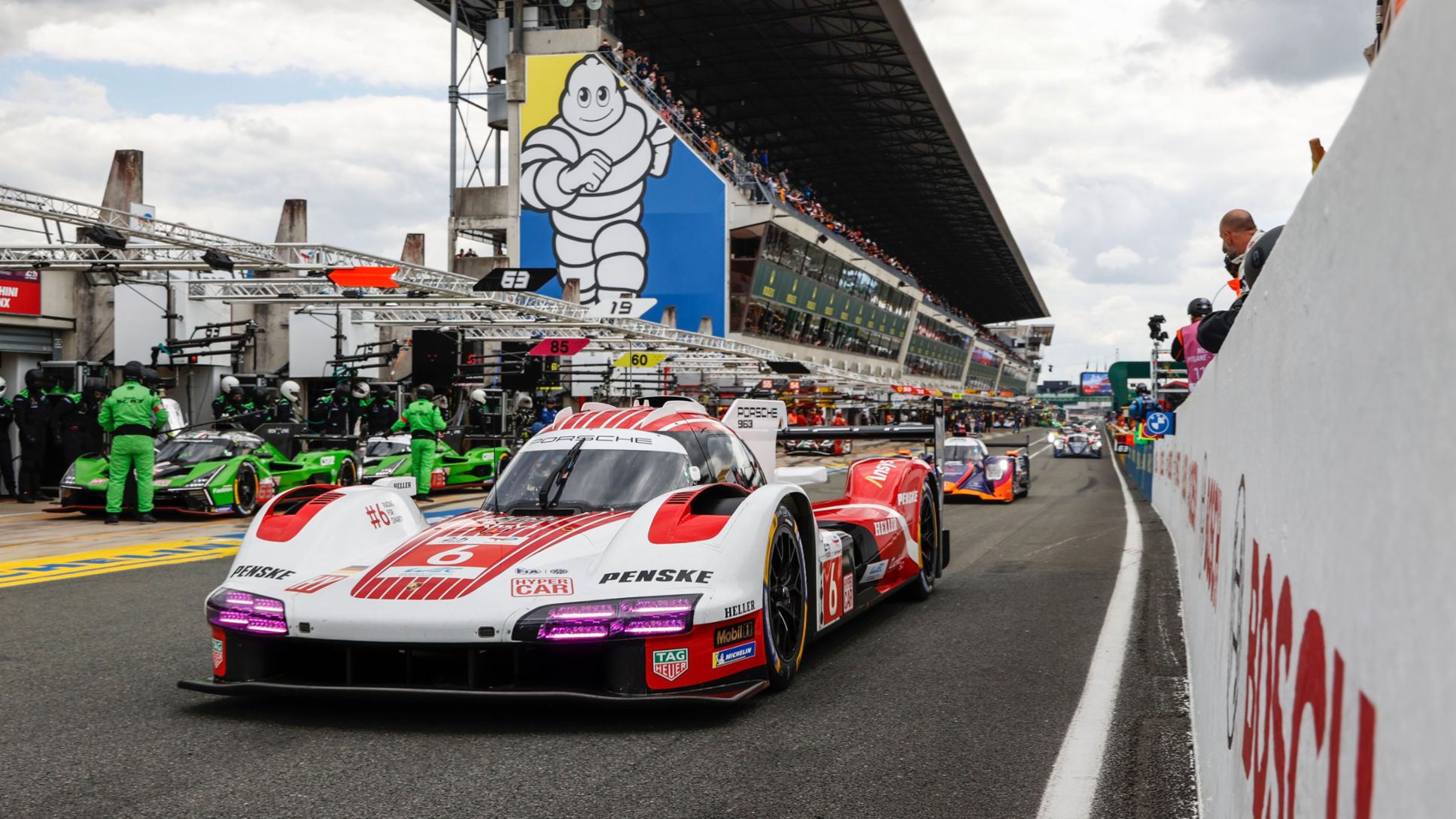
Fuel, tires, and pit stops are the heartbeat of endurance runtime planning. How long the Porsche 963 can run in endurance races depends heavily on these operational variables.
Fuel and tire factors:
- Typical full-stint fuel range: Roughly 40–70 minutes depending on track and fuel maps.
- Tire life: Soft compounds may be faster but need earlier changes; harder compounds extend stints.
- Pit strategy: Teams balance fuel saving, tire conservation, and service time to maximize track time.
Practical pit planning steps:
- Monitor lap-time vs. fuel consumption data in real time.
- Use safety car or full-course yellow windows to combine refuel and driver changes.
- Save hybrid energy for sections to lower fuel burn when necessary.
I’ve seen teams extend stints by trimming lap pace slightly and timing stops with yellows. That can add valuable uptime for the Porsche 963.
Reliability and component lifespan
Durability defines how long the Porsche 963 can run in endurance races beyond single stints. Wear and tear on powertrain, gearbox, brakes, and electronics will determine whether a car finishes a 24-hour event without major repairs.
Reliability considerations:
- Powertrain: Hybrid systems add complexity and need careful monitoring to avoid failures.
- Gearbox and engine: Designed for endurance, but transmission issues often cause time loss if not managed.
- Electronics: Sensor faults or wiring issues can end long runs quickly if not addressed.
From hands-on experience, conservative setup choices—cooler engine maps, slightly softer shift strategies—reduce breakdown risk. Teams often trade a little lap time for a much higher chance of running the entire endurance race.
Real-world endurance examples and data
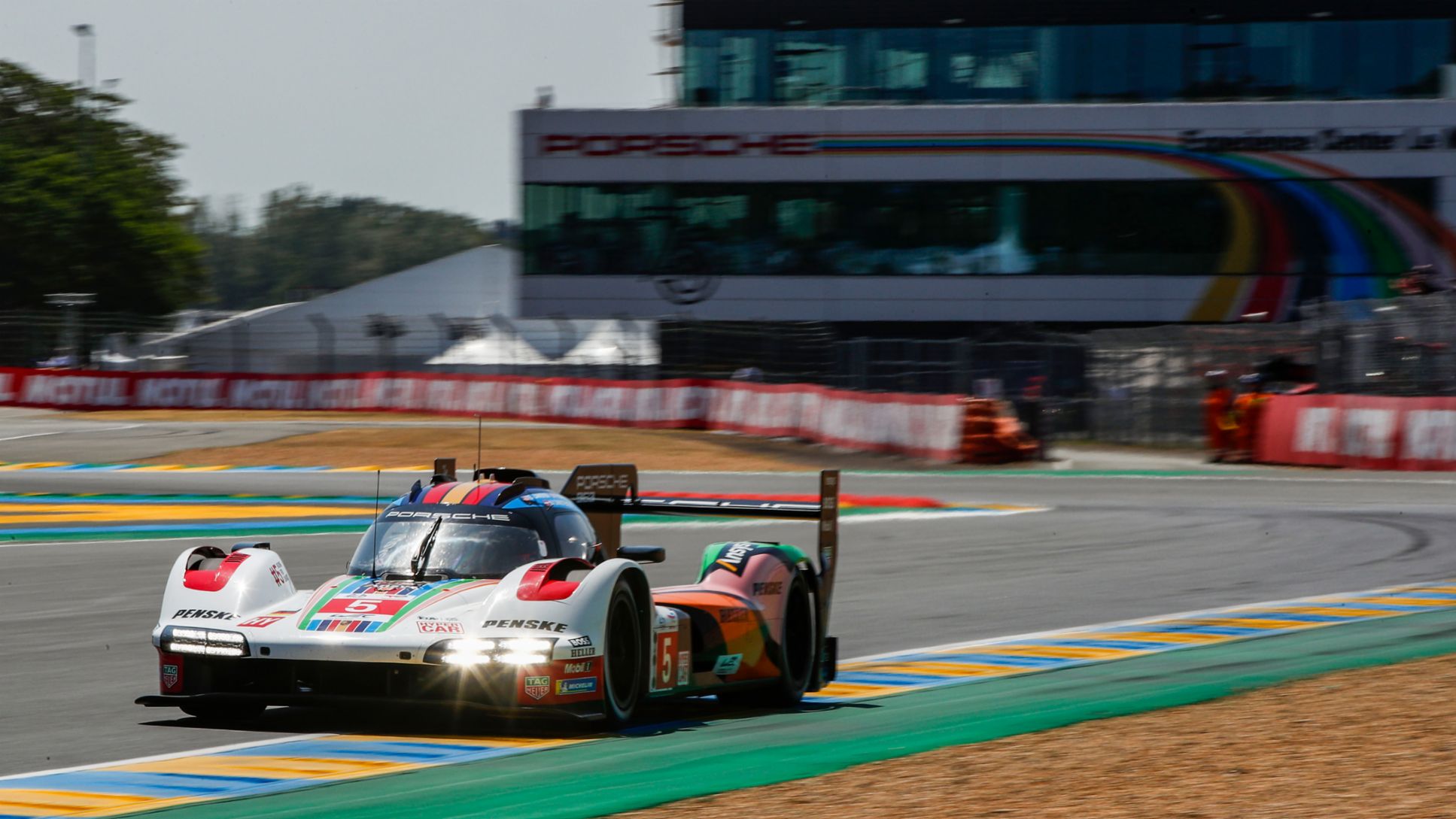
Looking at actual races helps answer "How long can the Porsche 963 run in endurance races?" Teams running the 963 have completed full 6-, 12-, and 24-hour races when strategy and reliability align.
Examples and takeaways:
- 24-hour events: With scheduled driver rotations and timely pit work, Porsche 963s have been capable of running the full 24 hours, barring accidents or major mechanical failures.
- 6- and 12-hour events: These races typically allow longer stints and fewer stress points, making it easier for the 963 to remain competitive and reliable.
- Stint records: Stints often range from one hour down to 35–40 minutes depending on fuel and tire choice.
Teams that feed data into predictive models can estimate how long the Porsche 963 can run in endurance races under different scenarios. The more conservative the approach, the higher the probability of finishing.
Practical tips for teams and drivers
If you’re involved with a Porsche 963 program or simply curious, these tips show how to maximize runtime without breaking rules.
Actionable tips:
- Use conservative engine maps during night hours to protect components.
- Schedule driver swaps to coincide with fuel stops and minimize extra time in the pits.
- Monitor hybrid temperatures closely and prioritize cooling upgrades.
- Practice rapid component swaps in the garage to shave seconds during pit stops.
- Prepare contingency plans for common failures like electronics faults or gearbox issues.
From my time in the paddock, good communication between engineers and drivers prevents unnecessary wear and saves crucial minutes across long races.
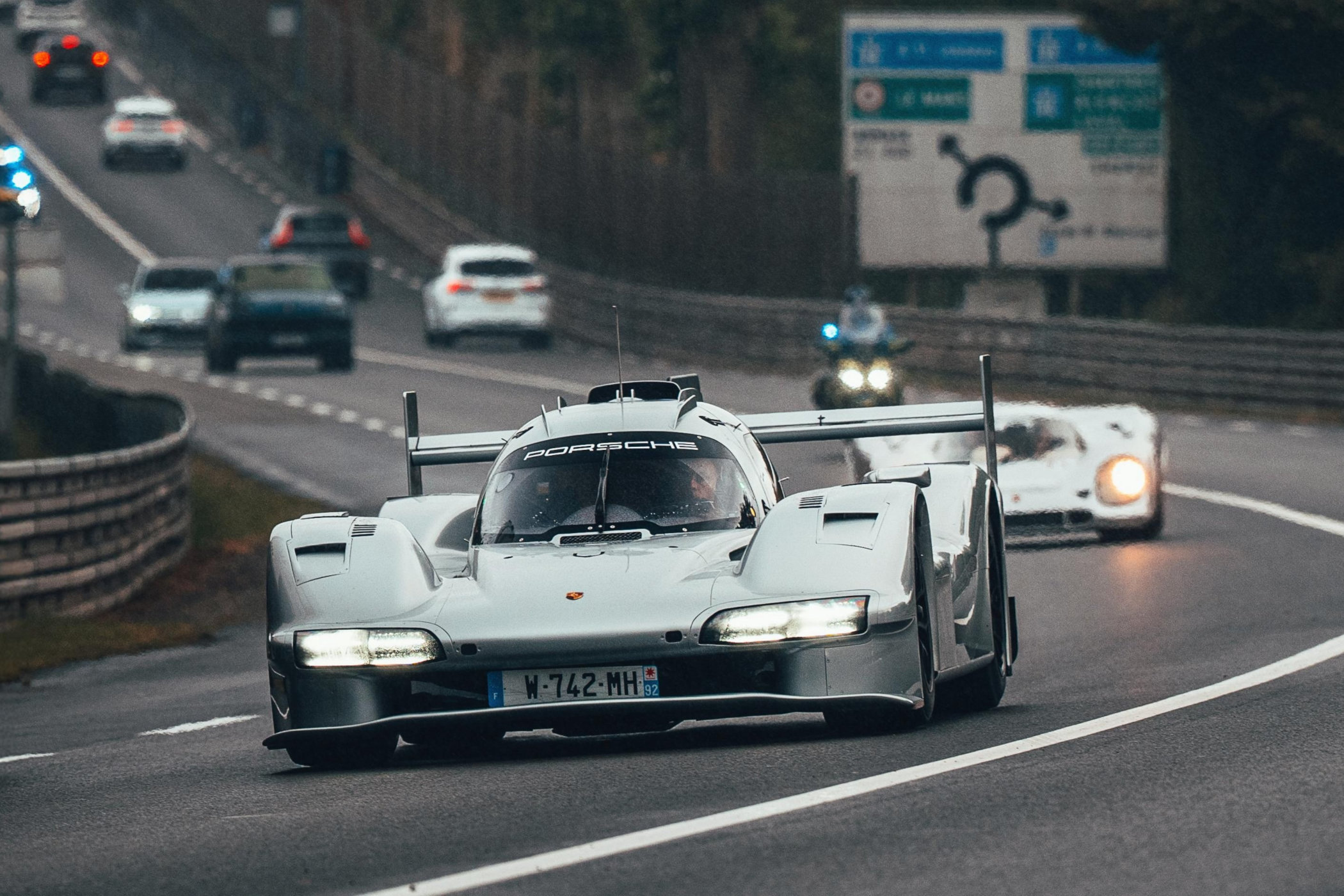
PAA-style questions
How long is a typical stint in a Porsche 963 during a 24-hour race?
Typical stints are 40–70 minutes, influenced by fuel load, tire wear, and track layout. Teams time driver changes with pit stops to stay within regulatory limits.
Can the Porsche 963 run continuously without service?
No. Even if mechanically sound, regulatory and safety rules require driver swaps and periodic pit stops for fuel, tires, and checks. Scheduled service keeps the car reliable.
Does the hybrid system extend the Porsche 963’s runtime?
Yes. The hybrid system reduces fuel consumption and can extend stint length when used strategically, but it adds complexity that requires careful cooling and monitoring.
Frequently Asked Questions of How long can the Porsche 963 run in endurance races?
How many hours can the Porsche 963 run before major maintenance?
A Porsche 963 can run entire endurance events like 6-, 12-, or 24-hour races with planned maintenance only during pit stops. Major maintenance is conducted between events, not during a race.
What limits the Porsche 963’s stint length the most?
Fuel capacity and tire degradation are the main limits to a single stint. Hybrid energy rules and driver stint regulations also directly impact maximum on-track time.
Can one driver complete a 24-hour race in a Porsche 963?
No. Race regulations and safety mean driver rotation is mandatory, so a single driver cannot legally or safely complete a 24-hour race alone.
Do teams change major parts during endurance races?
Teams may replace consumables and some modular parts during pit stops, but major part swaps are rare during a race due to time loss. Most major repairs occur in the garage during extended stoppages.
How do weather and track conditions affect runtime?
Wet or hot conditions change fuel burn, tire wear, and cooling needs; they often shorten effective stint lengths and increase the chance of mechanical issues.
Conclusion
Understanding How long can the Porsche 963 run in endurance races? requires looking at fuel, tires, rules, and durability together. On a stint-by-stint basis you can expect 40–70 minutes; with proper team strategy and routine service the Porsche 963 can stay competitive for full 6-, 12-, and 24-hour races. My practical takeaway: conservative setups and smart pit timing beat chasing raw pace if your goal is to finish strong. If you found this useful, try applying one tip to your race planning, subscribe for updates, or leave a comment with your own endurance experiences.