A Jeep Wrangler door lock problem almost never happens quietly. One day the fob works. The next day you're standing outside with the engine off and no way in.
The good news is that most of these failures follow a predictable pattern and are fixable at home with basic tools.

49% off Today's Exclusive Deals
Limited-time Exclusive Deals. Check current discount on Amazon.
Check Price on Amazon As an Amazon Associate I earn from qualifying purchases.Per FMVSS 206 standards, door latches must hold under specific force loads in a crash. That means a faulty lock isn't just an inconvenience. It's a safety concern.
As of 2026, door lock actuator failures and broken harness wires remain the two most common lock-related complaints across Wrangler YJ, TJ, JK, and JL generations.
49% off Today's Exclusive Deals
Limited-time Exclusive Deals. Check current discount on Amazon.
Check Price on Amazon As an Amazon Associate I earn from qualifying purchases.Image source: Bing (Web (fair-use with source credit))
The Quick Answer: What Your Wrangler Is Telling You
In most cases, the problem comes down to a failed actuator, a broken wire in the hinge boot, or dead electronics. Start with the cheap things. Check the fuse, swap the key fob battery, and inspect the rubber boot wiring.
If those test fine, replace the door lock actuator. As of 2026, an aftermarket actuator runs about $30 to $100. It takes around an hour per door.
OEM Mopar parts cost more but tend to last longer.
49% off Today's Exclusive Deals
Limited-time Exclusive Deals. Check current discount on Amazon.
Check Price on Amazon As an Amazon Associate I earn from qualifying purchases.Does It Click? The First Diagnostic Question
Here's the most useful test when a door won't lock. Press the lock switch or hit the fob button and listen. Really listen.
That one sound splits the whole diagnostic process in two.
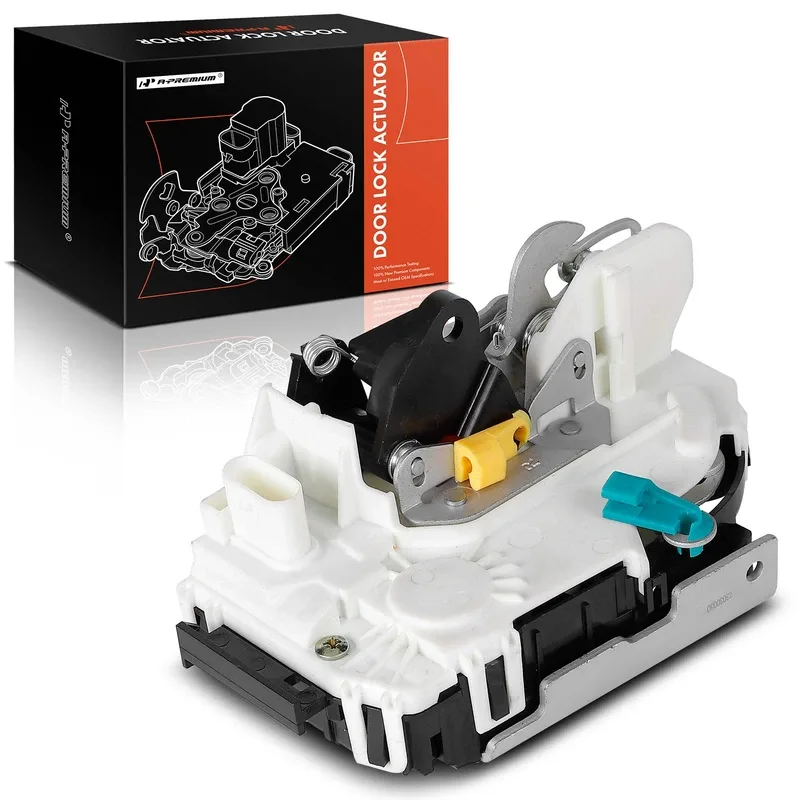
The door lock actuator is a small electric motor inside the latch assembly. It moves the lock mechanism when it receives power. If you hear it click, the lock is receiving electricity.
If you don't, something upstream has failed.
This simple observation tells you whether you're chasing a mechanical problem or an electrical one.
You Hear a Click But the Door Won't Unlock
If the actuator clicks but the latch doesn't move, the motor is working. The problem is usually mechanical. Check the lock rod, a broken linkage clip, or a stripped plastic gear inside the actuator housing.
The good news is that the wiring and Body Control Module are likely fine. That narrows the job from electrical troubleshooting to a mechanical swap. It's a much more straightforward fix.
You Hear Nothing at All
No click means you have an electrical issue. Work through this checklist in order.
- Check the fuse. Pull the fuse for the power door locks and inspect it. A blown fuse is the cheapest and fastest fix. If your car horn stops working at the same time, you may be looking at the same fuse block on some models.
- Swap the key fob battery. Use a fresh CR2032. Dead fob batteries hide behind many lock failures.
- Test the interior lock switch. Try the driver side, then the passenger side. If one works and the other doesn't, you've found a bad switch.
- Reset the modules. On JK Wranglers from 2007 through 2018, the Totally Integrated Power Module (TIPM) controls nearly all electrical functions. Disconnect the battery for 15 minutes. This resets the TIPM and clears temporary faults.
If every door ignores both the fob and the interior switches, and the fuse checks out, you're likely looking at a wiring problem between the body and the door.
The Wiring Harness and Door Jamb Connector: Wrangler's Real Weak Point
Ask any Wrangler mechanic what they see most often. It's not the actuator. It's the wiring.
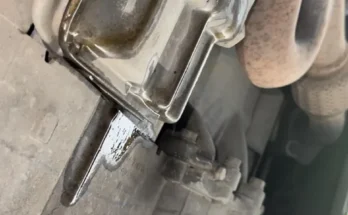
The wires running from the body into the door pass through a rubber boot at the hinge. Over time, the copper fatigues and snaps inside that boot.
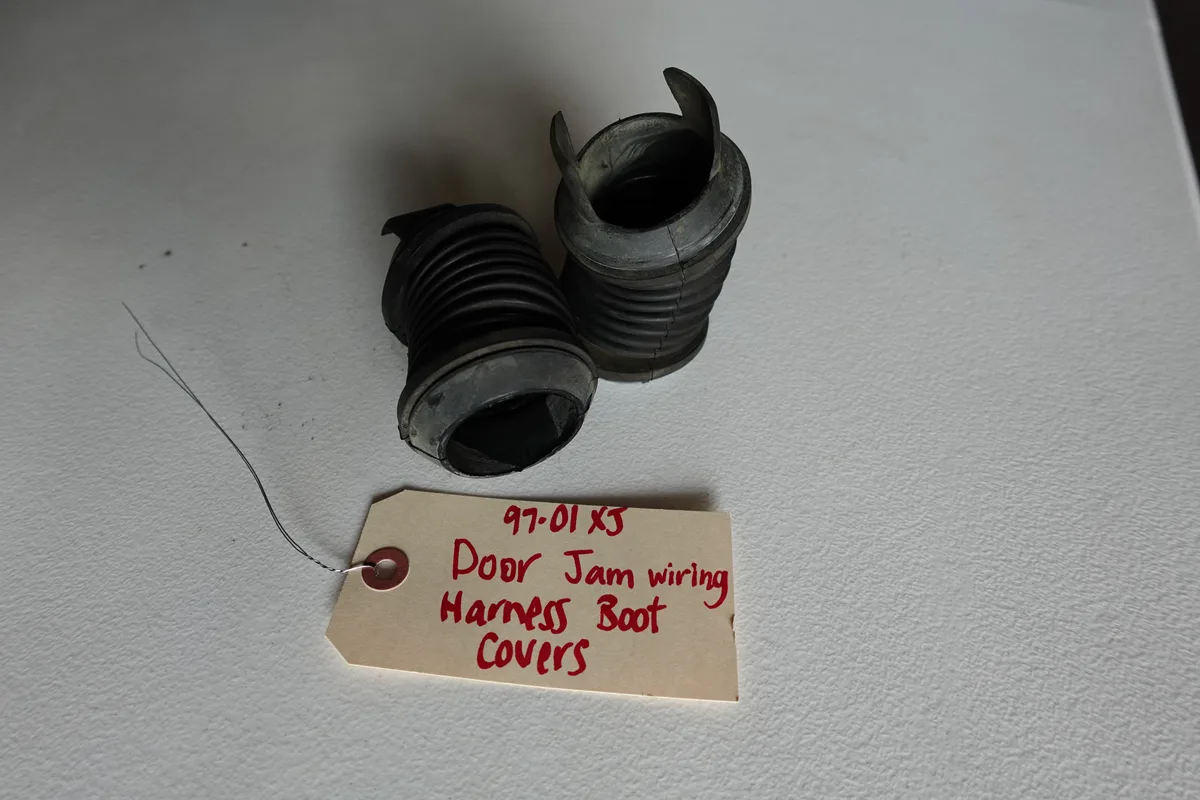
Image source: Bing (Web (fair-use with source credit))
JK Wranglers are especially prone to this. Repeated door removal during soft top season accelerates the wear. Moisture and road salt speed up the damage.
How to Inspect the Rubber Boot Without Breaking It
- Open the door fully and find the rubber accordion boot between the door and the body.
- Gently peel the boot back from the door-side connector. Don't yank it.
- Look for green corrosion, cracked insulation, or a wire that's fully severed.
- Tug each wire lightly. A wire that's broken inside will feel limp and pull apart easily.
If you find a broken wire, you don't always need a new harness. A solder repair with heat-shrink tubing can fix it for under $10 in parts. Just use heat-shrink rated for automotive use.
Electrical tape won't survive a single off-road trip.
The "Slamming the Door" Test
Try this before you order parts. If the lock works after you slam the door but fails again later, that's almost certainly a wiring issue. The impact temporarily reconnects a broken wire.
When the door moves again, the connection separates.
If that pattern shows up, focus on the wiring harness and door jamb connector first. Many Wrangler owners who diagnose electrical symptoms like turn signals find the same root cause: a wire fatigued by repeated movement through the hinge.
When the Physical Key Cylinder Is the Problem
Not every Wrangler lock failure involves the power system. If your Wrangler still has a working key cylinder on the driver's door, that mechanical part can wear out on its own. It behaves differently from an actuator failure and needs a different repair.
Key Won't Turn
A key that won't rotate is usually a mechanical issue inside the cylinder. Common causes include worn tumblers, dirt, a bent key, or corrosion from road salt.
Before replacing anything, spray a small amount of dry graphite lubricant into the keyhole. Insert the key and work it back and forth gently. That often frees up a sticky cylinder.
Never use WD-40 in a lock cylinder. It attracts dust and turns into grime inside the tumblers. If graphite doesn't help and your spare key also fails, replace the cylinder.
On JK and JL Wranglers, you can swap the cylinder without replacing the whole lock housing. Mopar replacement cylinders run about $25 to $40.
Key Turns But Nothing Happens
If the key rotates freely but the door doesn't unlock, the connecting rod between the cylinder and the latch has likely disconnected. A small plastic clip inside the door holds this rod in place. That clip breaks often.
Replacing the clip requires removing the door panel, but the repair itself takes under 10 minutes once you're inside. If the rod is bent, replace it along with the clip. Mopar replacement rods cost about $15.
Frozen Latch in Cold Weather
Cold-climate Wrangler owners know this one well. Moisture gets into the latch mechanism and freezes overnight. The door is literally locked in place by ice.
Apply a silicone-based spray to the latch before winter hits. If you're already frozen shut, pour lukewarm water around the door seam. Never force the lock.
You'll snap the lock rod or damage the latch.
Step-by-Step Door Lock Fix: From Fuse Check to Full Actuator Swap
Work through this sequence from easiest to most involved. Only move to the next step if the previous one didn't solve the problem.
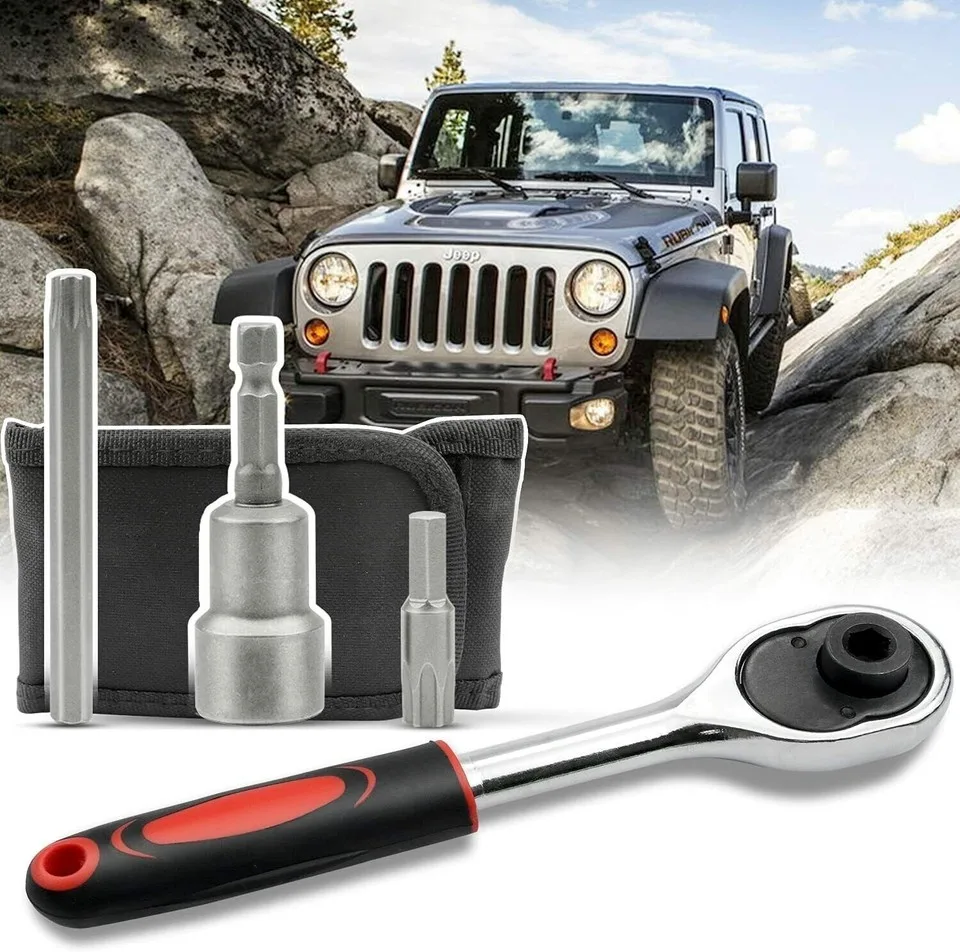
Image source: Bing (Web (fair-use with source credit))
Quick Checks First: Fuses, Fob Battery, and Door Switch
Start with what costs nothing. Pull the door lock fuse and inspect it. Swap the key fob battery.
Test the interior lock switch.
If the fuse blows immediately, you have a short circuit, not a failed component. That changes the whole approach. You'll need to trace the wiring rather than replace parts.
| Task | Tools Needed | Estimated Time |
|---|---|---|
| Fuse inspection | Fuse puller, flashlight | 5 minutes |
| Fob battery swap | CR2032 battery, small flathead | 2 minutes |
| Door panel removal | Trim panel tool, Phillips screwdriver | 15 minutes |
| Actuator replacement | Trim tool, socket set, screwdriver | 45 to 90 minutes |
| Wiring repair | Soldering iron, heat-shrink tubing, wire stripper | 30 to 60 minutes |
Removing the Door Panel
Most Wrangler door panels are held by plastic clips, screws behind the armrest, and a Torx bolt near the door handle. Start by removing the manual lock knob. It unscrews counterclockwise.
Then work a trim panel tool around the edges to pop the clips. If your Wrangler has power windows, disconnect the window switch connector before pulling the panel free.
The plastic clips are fragile on older Wranglers. Buy a bag of replacements before you start. You'll use at least two.
Replacing the Door Lock Actuator
Once the panel is off, you'll see the latch assembly bolted to the trailing edge of the door. Unplug the electrical connector. Remove the three Torx bolts holding the latch to the door frame.
Disconnect the lock rod from the actuator lever.
Install the new actuator by reversing those steps. Before you reassemble the panel, test the lock with the fob. Confirm it clicks and holds.
Then reconnect any window wiring and button everything up.
Replacing the Entire Latch Assembly
If the latch itself is damaged, or the lock rod clips are broken beyond repair, replace the complete latch assembly. This includes the actuator, the latch mechanism, and all linkage. It costs more, but it solves everything at once.
Mopar complete latch assemblies run $120 to $250 as of 2026. Aftermarket options sit between $60 and $120. For a daily driver, OEM is the safer bet.
For a trail rig you plan to beat up, aftermarket works fine.
Common Mistakes to Avoid on Wrangler Door Locks
Skip these errors and you'll save time, money, and frustration.
- Replacing the actuator before checking the wiring. The broken wire in the rubber boot causes more failures than the actuator itself. Inspect the harness first.
- Using WD-40 on the key cylinder. It collects dust and gunks up the tumblers. Use dry graphite or a lock-specific lubricant.
- Forcing a frozen latch. You'll bend the lock rod or crack the latch housing. Thaw it first.
- Forgetting to test before reassembly. Always plug in the lock and test it while the door panel is off. You don't want to reinstall everything twice.
- Tearing the plastic vapor barrier. This barrier keeps moisture out of the door interior. If you rip it, seal it back with butyl tape.
- Ignoring the door ajar warning. A failing latch can trigger the door ajar light or leave the interior lights on. That hidden battery drain can leave you stranded.
The process is very similar to troubleshooting other electrical accessories. Check the source of power first, then the component itself.
FAQs: Quick Answers From Real Mechanic Experience
Can I just lubricate the actuator to fix it?
No. The actuator is a sealed electric motor. Lubricating the outside won't reach the worn motor or stripped gear.
If the motor has failed, you need to replace the actuator or the full latch assembly. Lubrication only helps the key cylinder and external linkage.
Aftermarket vs Mopar replacement parts. Does it matter?
Mopar parts fit perfectly and usually last longer. Aftermarket parts cost less and work well for most owners. If you plan to keep the Wrangler for years, OEM is worth the extra cost.
If it's a trail rig or you're on a tight budget, an aftermarket actuator performs fine.
Why does my door lock work after slamming the door?
That's a classic wiring issue. Slamming the door jolts the broken wire inside the rubber boot and briefly reconnects it. The connection breaks again as soon as the door shifts.
Inspect the door jamb connector and the harness before replacing any parts.
Why do Wrangler door locks fail more than other vehicles?
Wranglers have removable doors. The wiring harness gets flexed, yanked, and exposed to the elements every time you take the doors off. That constant movement stresses the copper wires inside the hinge boot.
Most traditional SUVs never see that kind of abuse.
Can a bad lock drain my battery?
Yes. If the latch fails while the door ajar sensor is still active, the interior lights and warning chime can stay on. If you park the Wrangler for days, that can drain the battery.
If your battery keeps dying along with a bad lock, replace the latch assembly soon.
Which Fix Should You Try First? The Decision Guide
Follow these branches to land on the right repair.
- The lock clicks but nothing moves. Replace the actuator or latch assembly. The wiring is fine.
- The lock makes no sound at all. Check the fuse and fob battery, then inspect the wiring harness and door jamb connector.
- The physical key won't turn. Lubricate with dry graphite. If that fails, replace the key cylinder.
- The key turns but the door stays locked. Replace the broken clip on the lock rod. Inspect the rod while you're in there.
- The lock works only after slamming the door. Repair the broken wire inside the rubber boot.
- The lock failed in freezing weather. Thaw the latch, then apply a silicone-based lubricant before the next freeze.
- Multiple doors stopped working at the same time. Check the fuse and reset the TIPM before ordering any parts. One common failure point can kill power to every door.
If you've worked through all these steps and the lock still won't cooperate, the latch assembly itself may be worn out. In that case, replacement is the reliable answer. You can save the labor cost by doing it yourself in an afternoon, and you'll know exactly what's inside that door the next time something goes wrong.