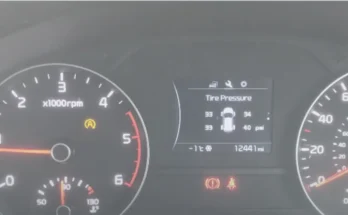
That dreaded battery light just flickered on during your morning commute, and now you're wondering if you've got a Subaru Outback alternator problem on your hands. Maybe the headlights are dimming at idle, or you've noticed the car struggling to start after sitting overnight. A failing alternator can leave you stranded fast, so it pays to know exactly what's happening before you start replacing parts.
A healthy Outback alternator puts out between 13.8 and 14.4 volts at the battery terminals while the engine runs. Per Subaru's service specifications, anything consistently below 13.5 volts means the charging system isn't keeping up. That number is your starting point, and the diagnostic path below will walk you through exactly what to check.

49% off Today's Exclusive Deals
Limited-time Exclusive Deals. Check current discount on Amazon.
Check Price on Amazon As an Amazon Associate I earn from qualifying purchases.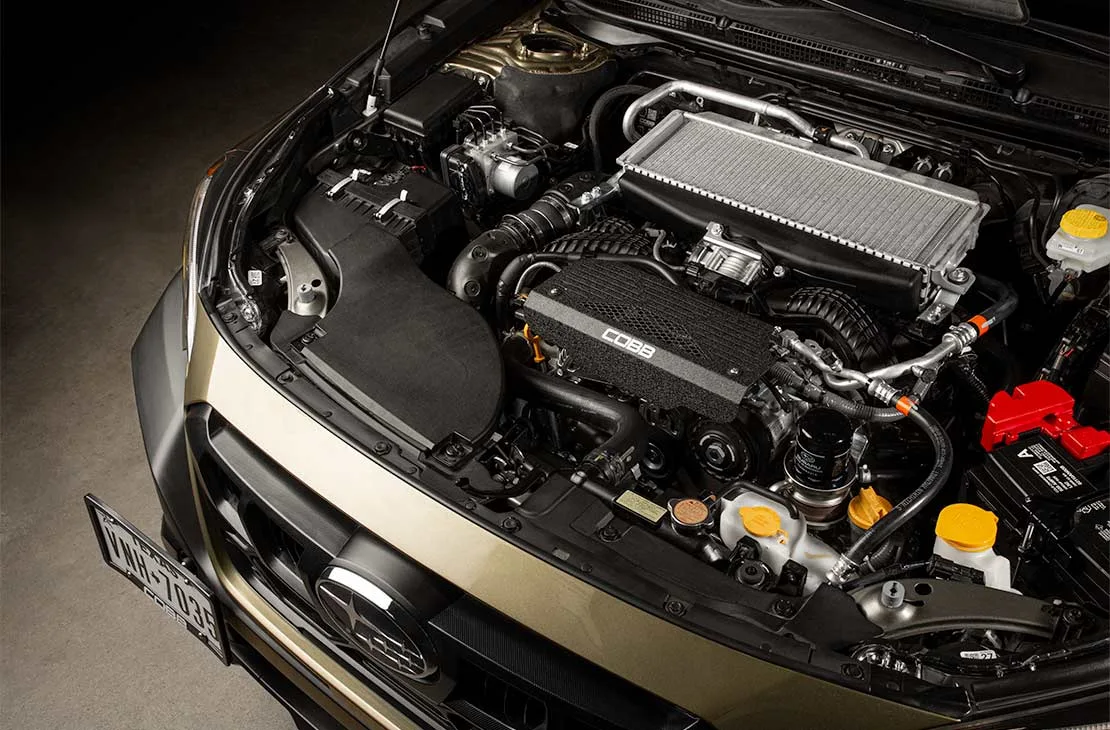
Image source: Bing (Web (fair-use with source credit))
The Quick Answer: Is Your Subaru Outback Alternator Actually Failing?
A Subaru Outback alternator problem usually starts with a warning light or dim headlights. The alternator powers the electrical system and recharges the battery while driving. Test battery voltage with a multimeter at the terminals.
49% off Today's Exclusive Deals
Limited-time Exclusive Deals. Check current discount on Amazon.
Check Price on Amazon As an Amazon Associate I earn from qualifying purchases.You should see 13.8 to 14.4 volts with the engine running. Below that range means the charging system needs attention.
How the Outback Charging System Works
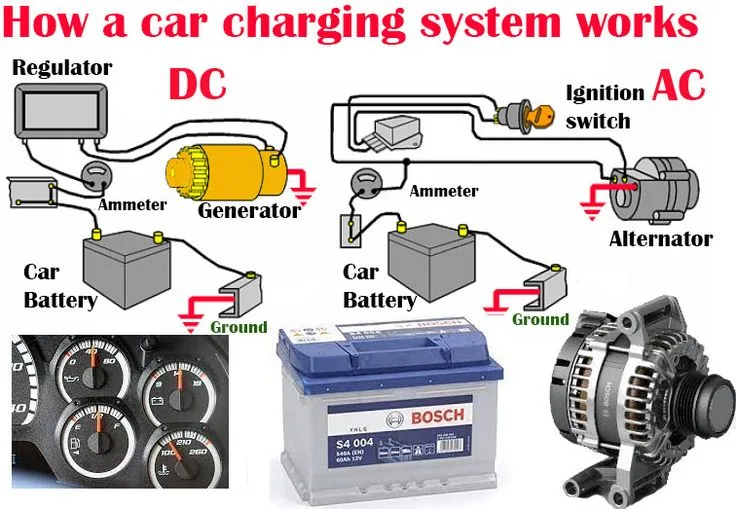
Image source: Bing (Web (fair-use with source credit))
The alternator is a small generator bolted to the front of the engine. A serpentine belt spins it whenever the engine is running. Inside, a rotor spins within a stator to produce alternating current.
49% off Today's Exclusive Deals
Limited-time Exclusive Deals. Check current discount on Amazon.
Check Price on Amazon As an Amazon Associate I earn from qualifying purchases.A rectifier converts that to the direct current your car's electronics actually need.
The voltage regulator lives inside the alternator on most Outback generations. It keeps battery voltage between 13.8 and 14.4 volts during normal driving.
On newer models, the ECU controls alternator output based on electrical load and battery state. The computer decides when to push more or less current. This design boosts fuel efficiency slightly, but it can make the alternator harder to test with a basic voltmeter.
The battery acts as a buffer, not the main power source once the engine runs. The alternator handles everything. When it starts to fail, the battery picks up the slack temporarily.
That's why a dying alternator can kill a brand-new battery within weeks.
| Component | Role | Common Failure |
|---|---|---|
| Alternator | Generates power and recharges battery | Brushes, bearings, diodes |
| Battery | Stores charge, powers the starter | Cell degradation, sulfation |
| Voltage regulator | Controls alternator output | Internal regulator breakdown |
This three-part chain matters for diagnosis. A dead battery doesn't automatically mean your alternator is bad. The battery itself may simply be old and unable to hold a charge.
If your headlights are flickering or going dim at idle, that points more toward the alternator.
The critical test is whether the alternator produces the right voltage under load. The next section walks through that exact process.
Follow the Flow: A Step-by-Step Charging System Decision Workflow
This is where we figure out if your alternator is truly the problem. Follow each step in order. Stop when you find the answer.
Step 1: Does It Start?
If the car starts right up, your battery and starter are probably fine for now. If it clicks but won't crank, the starter or battery is the likely culprit. Jump it and proceed to Step 2.
Step 2: Check Battery Voltage First
With the engine off, put a multimeter across the battery terminals. You want 12.6 volts or higher. Below 12.4 volts means the battery is discharged.
If it won't hold 12.6 volts after sitting overnight, the battery itself may be failing.
Step 3: Test Charging Voltage
Start the engine and measure again at the battery. You need 13.8 to 14.4 volts at idle. Rev to 2,000 RPM and check again.
The voltage should hold steady or climb slightly.
| Reading | What It Means |
|---|---|
| 12.6V+ engine off | Battery fully charged |
| 13.8–14.4V running | Alternator working correctly |
| Below 13.5V running | Alternator undercharging |
| Above 14.7V running | Regulator overcharging |
Step 4: Load Test
Turn on the headlights, blower motor, and rear defroster. Watch the voltage. It shouldn't drop below 13.5 volts under load.
A significant drop means the alternator can't handle demand.
Step 5: Parasitic Draw Check
If the battery dies overnight but charges fine while driving, something is draining power when the car is off. Pull the negative cable and connect an ammeter in series. Normal draw is under 50 milliamps after 30 minutes of all modules sleeping.
Common culprits include aftermarket amplifiers, stuck trunk lights, or modules that never power down.
The 3 Most Common Alternator Failure Modes on the Outback
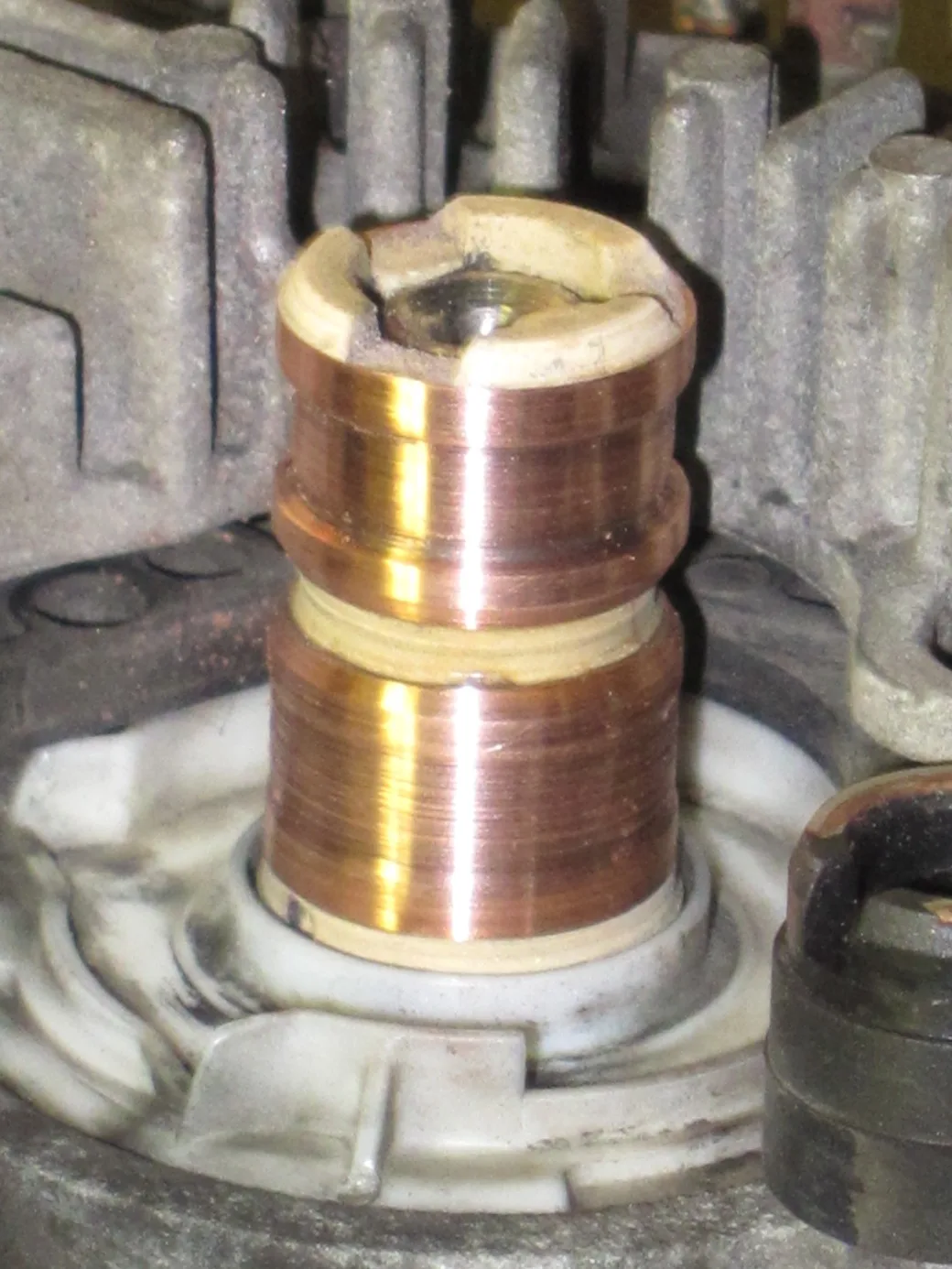
Image source: Bing (Web (fair-use with source credit))
Most Subaru Outback alternator problems fall into three categories. Knowing which one you're dealing with narrows the fix and saves money.
1. Worn Brushes and Voltage Regulator Failure
Brushes are small carbon pads that press against slip rings inside the alternator. They wear down over time. Once they get too short, contact drops and charging output fades.
On newer Outbacks, the voltage regulator is built into the alternator, so a regulator failure often means replacing the whole unit.
Symptoms include a flickering battery light, voltage that drifts at idle, and intermittent charging.
2. Bearing Noise and Pulley Issues
A failing alternator bearing produces a grinding or whining noise that gets worse with RPM. The overrunning decoupler pulley can also wear out. This pulley lets the alternator freewheel when engine RPM drops suddenly.
A seized pulley puts extra stress on the serpentine belt and can cause squeal or even a thrown belt.
Symptoms include squealing or grinding from the front of the engine and accelerated belt wear.
3. Wiring and Connector Corrosion
The alternator connector and wiring harness are exposed to heat, moisture, and road salt. Corroded pins cause intermittent charging or a complete loss of output. A visual inspection with the connector unplugged often reveals green or white corrosion.
Cleaning or replacing the connector is cheap compared to replacing a perfectly good alternator. The same corroded-connector problem can show up across multiple electrical components, from a horn that cuts out to turn signals that work only sometimes.
Symptoms include charging that works intermittently and voltage that fluctuates without warning.
Replacement Reality: OEM vs Remanufactured vs Rebuild
Once you've confirmed the alternator is the problem, you've got three main choices. Each one comes with trade-offs in price, reliability, and warranty.
| Option | Typical Cost (2026) | Pros | Cons |
|---|---|---|---|
| New OEM | $300–$600 | Exact-fit part, longest lifespan, full warranty | Most expensive |
| Remanufactured | $150–$350 | Budget-friendly, includes core charge refund | Quality varies |
| Rebuild (DIY or shop) | $50–$150 parts | Cheapest if failure is limited to wear parts | Requires tools and skill |
A new OEM alternator from Subaru (often Denso or Hitachi) is the safest bet. You get a factory-spec part backed by a full warranty. If your Outback is still under coverage, this keeps everything aligned with Subaru's service standards.
You can confirm the correct part number through Subaru's official owner resources.
Remanufactured units from brands like Bosch or Cardone are the middle ground. Quality has improved, but read the warranty terms carefully. Some offer only 90-day coverage.
Others go two years or more.
Rebuilding makes sense if the failure is limited to brushes, bearings, or the rectifier. A rebuild kit costs $40 to $80. If the stator or rotor is damaged, a full replacement is the only option.
For Outbacks with ECU-controlled charging (most 2015 and newer models), confirm the replacement alternator is compatible with the car's computer. Some cheaper aftermarket units don't communicate properly with the ECU, which can trigger dashboard warnings even when the alternator works fine.
Always return your old alternator to avoid the core charge. That $25 to $50 fee is built into the price to encourage recycling. You can also check NHTSA for any outstanding technical service bulletins related to charging system issues on your specific Outback model year.
Mistakes That Leave You Stranded Twice
Nothing stings like replacing an alternator and still getting stranded hours later. These mistakes cause that. Avoid them, and you'll fix the car once.
Skipping the Belt and Pulley Inspection
A new alternator is only as good as the belt that spins it. A cracked or glazed serpentine belt slips under load. That slip drops charging output, and the battery drains anyway.
If the belt snaps, you lose power steering and brake assist. You definitely don't want your brakes to fail at that moment. Replace a worn belt while you're in there.
Check the tensioner too. A weak tensioner lets the belt squeal and vibrate. Check the decoupler pulley on the new alternator.
It should spin smoothly one way and lock the other. A stiff pulley causes a chirp at idle.
Forgetting to Recheck the New Alternator's Output
Bolt in the new unit and assume the job is done? Don't. Start the engine and measure voltage at the battery.
You should see the same 13.8 to 14.4 volts from the earlier test. Rev to 2,000 RPM and watch it hold steady. If the battery light stays on, there's a wiring fault or a defective unit.
Clear stored fault codes too. Some Outback models need an OBD-II scan to reset charging monitors. Without that, the warning light can stay lit even when everything works.
Ignoring a Dirty or Corroded Battery Terminal
This one hurts because it's so simple. A layer of corrosion on the battery posts can mimic a dead alternator. The connection is poor, so electricity barely flows.
Clean both terminals with a wire brush. Clean the cable ends too. Apply dielectric grease and tighten everything down.
Test after cleaning. Corroded terminals cause voltage drops that make you buy parts you don't need. The same cleaning habit also prevents plenty of other electrical mysteries across the whole car.
Frequently Asked Questions
How Many Miles Do Outback Alternators Usually Last?
Most last 100,000 to 150,000 miles. Heat, belt tension, and electrical load affect lifespan. Owner reports suggest fifth-generation models may fail closer to 80,000 miles.
Regular belt inspection and a clean battery environment help.
Can I Drive With the Battery Light On?
No. You might get 20 to 30 minutes at night, less during the day. The engine can stall, and you'll lose power steering and brake assist.
Pull over safely and arrange a tow. Continuing to drive can fry the battery and sensitive electronics.
Why Did My New Alternator Die Within a Week?
Most often, the battery was the real problem. A sulfated battery can't hold a charge and forces the alternator to work overtime. Also check the wiring harness, belt, and ground connections.
After replacement, verify the charging voltage immediately.
Do I Need a Special Alternator for My Outback's Trim Level?
Sometimes. Loaded trims with navigation, heated seats, and premium audio often get a higher-amperage unit. A 130-amp alternator is common on higher trims.
The lower 110-amp unit belongs on base models. Check the old alternator's label or consult Subaru's parts chart.
Does the Battery Light Always Come On When the Alternator Fails?
Not always. A slowly failing alternator shows up as dim headlights, flickering interior lights, or a slow crank first. The warning light usually triggers when voltage drops below roughly 12.5 volts.
By then, the battery is already draining.