Your Subaru Outback battery keeps dying, and you're probably tired of finding a dead car in the driveway. It's an annoying problem that doesn't always mean you need a new battery. In many cases, something is quietly draining power while the car is parked.
A normal key-off draw should be under 50 milliamps after the modules go to sleep, per SAE J537 testing guidelines. If your Outback pulls more than that, the battery will keep dying no matter how new it is. As of 2026, the fix is usually simple: test first, then replace only what's actually broken.

49% off Today's Exclusive Deals
Limited-time Exclusive Deals. Check current discount on Amazon.
Check Price on Amazon As an Amazon Associate I earn from qualifying purchases.So let's walk through the process like an experienced mechanic would.

Image source: Bing (Web (fair-use with source credit))
49% off Today's Exclusive Deals
Limited-time Exclusive Deals. Check current discount on Amazon.
Check Price on Amazon As an Amazon Associate I earn from qualifying purchases.Why Your Subaru Outback Keeps Killing Batteries
The short answer? It's rarely the battery itself. Aggregate reports from Subaru owner forums and service data point to three usual suspects: a weak battery, a failing alternator, or a parasitic draw.
If the car dies after sitting overnight, lean toward a drain. If it dies while driving, suspect the alternator. If it clicks on cold mornings but starts after a jump, check battery health first.
A healthy Outback battery should hold around 12.6 volts with the engine off. Drop below 12.4 volts and it's only about 75 percent charged. Most batteries last three to five years, and heat does more damage than cold.
If yours is older than that, age is likely a factor.
49% off Today's Exclusive Deals
Limited-time Exclusive Deals. Check current discount on Amazon.
Check Price on Amazon As an Amazon Associate I earn from qualifying purchases.Once headlight problems and other electrical issues show up, they tend to point at a wiring fault, not a bad part. Before you buy anything, check the simple stuff. Corroded or loose terminals cause more "dead battery" calls than any failed part.
A quick visual check is free and takes two minutes.
What trips people up most is an Outback that keeps killing brand-new batteries. That's the classic parasitic draw signature. The best way to stop guessing is to measure, and a cheap multimeter beats any amount of hunches.
We'll dig into that next.
Quick Diagnosis: Bad Battery, Bad Alternator, or a Parasitic Draw?
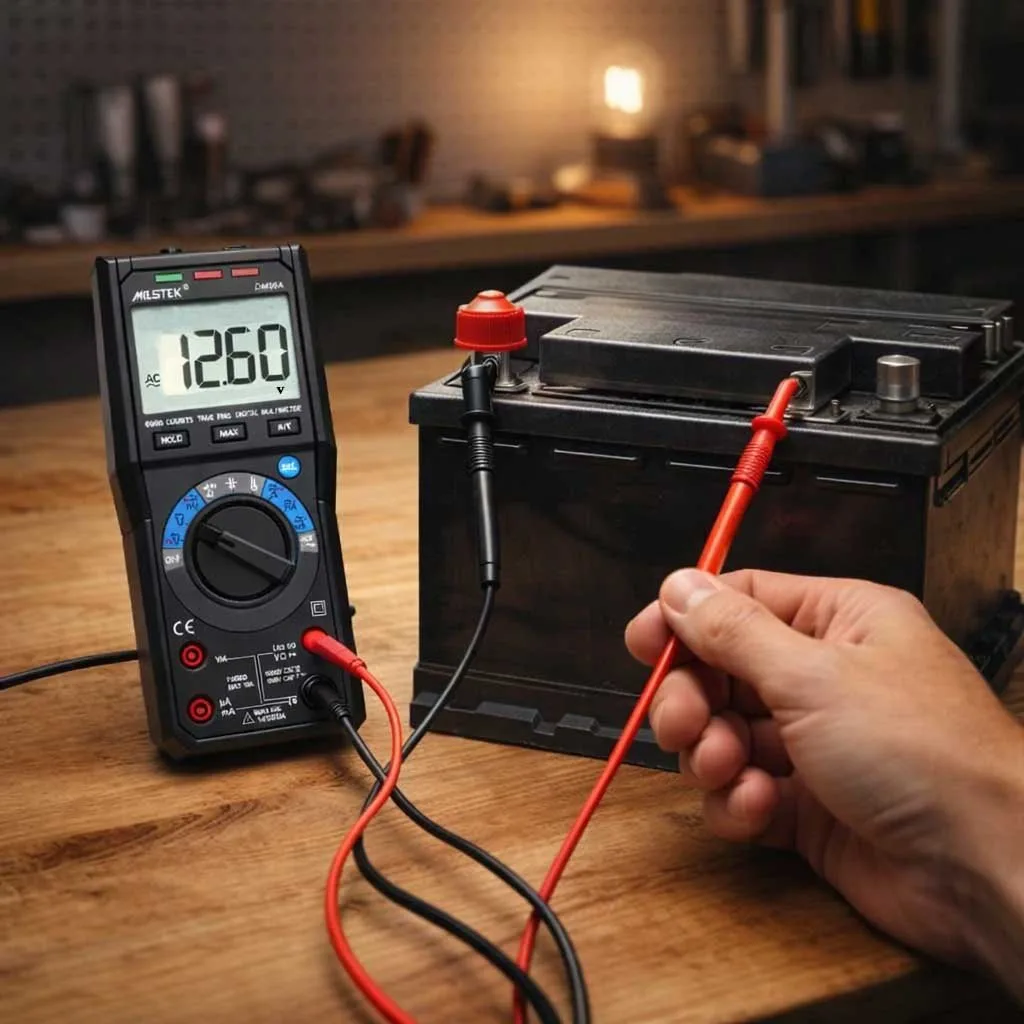
Image source: Bing (Web (fair-use with source credit))
Think of this as a quick triage. You want to answer one question: where is the energy going?
| Symptom | Likely Cause | Next Step |
|---|---|---|
| Slow crank on cold mornings | Weak battery | Load test and charge |
| Dies overnight after sitting | Parasitic draw | Run milliamps test |
| Dies while driving | Alternator | Check charging voltage |
| New battery dies in days | Draw or bad ground | Parasitic draw test |
Use a digital multimeter to check resting voltage. A full battery reads about 12.6 volts with the engine off. Start the car and watch it climb to 13.5 to 14.5 volts.
If the charging voltage stays low, the alternator isn't keeping up.
The Battery Council International publishes load-test standards that most parts stores follow. If the battery loads good but still dies, the problem is elsewhere. And a stuck brake light switch can drain power even with the car off, so check those lights too.
Step-by-Step: How to Test for a Parasitic Drain and Find the Culprit
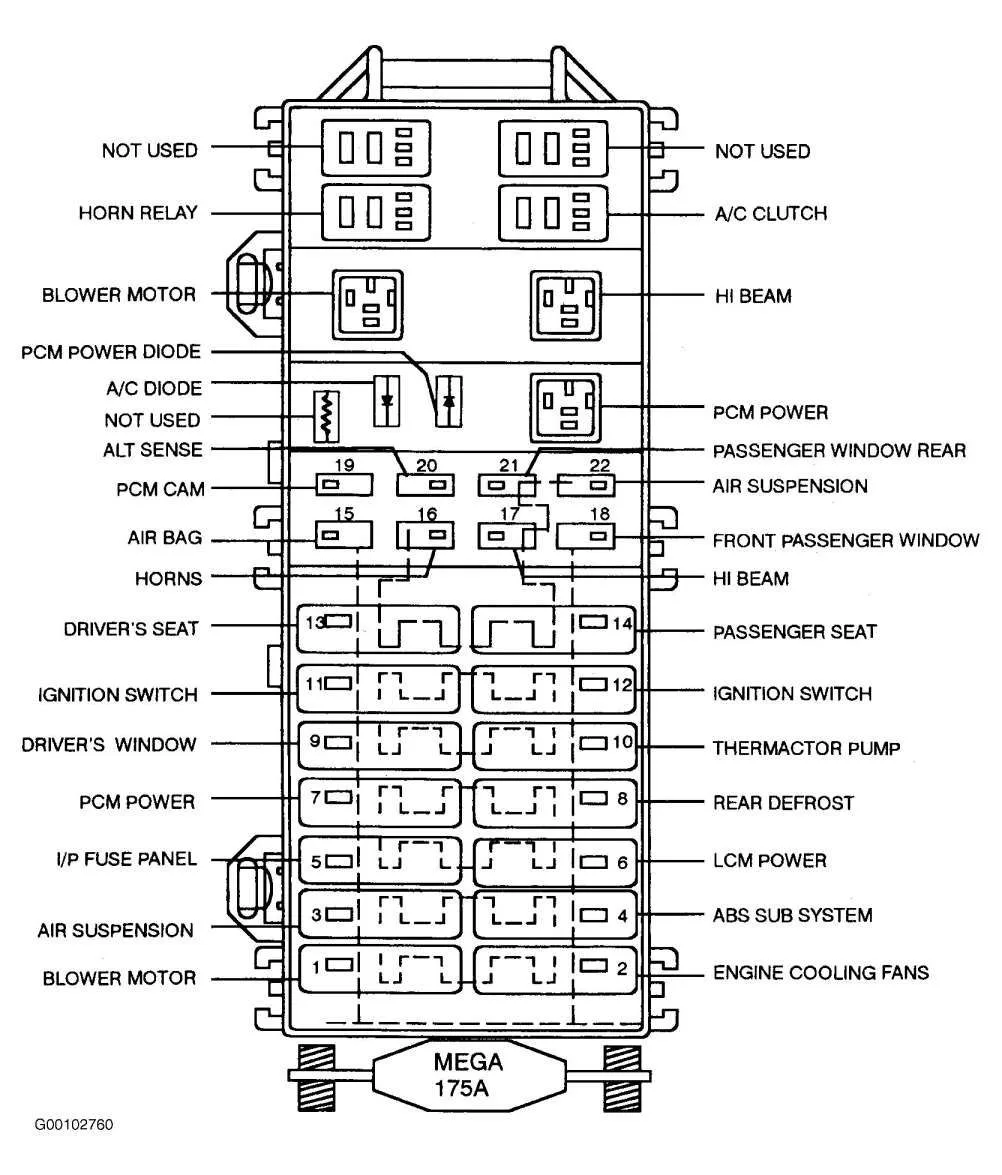
Image source: Bing (Web (fair-use with source credit))
This test takes about 30 minutes, most of it waiting for the car's computers to fall asleep. You need a digital multimeter that reads milliamps and a socket set.
- Park the car and turn everything off. Close every door, the hood, and the tailgate.
- Wait 10 minutes so modules start sleeping. Don't touch anything during this time.
- Disconnect the negative battery terminal. Set your meter to DC amps on the 10A port.
- Connect the meter between the negative battery post and the cable. This puts the meter in series.
- Wait another 15 to 20 minutes for deep sleep.
- Read the current draw. Anything under 50 milliamps is acceptable.
If the draw is high, pull fuses one at a time. Watch the meter as you go. When the draw drops, you've found the circuit.
Then inspect every component on that circuit.
Never open the door during the test because the car will wake up and reset. If you need a break, reconnect the battery and start over later.
Subaru-Specific Drain Points: Starlink, Tailgate Latch, and Dash Cams
Some Outback generations have known electrical quirks. Factory bulletins mention the Starlink telematics module, sometimes called the DCM, failing to enter sleep mode. If your fuse test points to that circuit, a dealer software update often fixes it.
Ask about the latest flash as of 2026.
The tailgate latch is another usual suspect. If the latch sensor thinks the rear gate is open, the interior lights stay on until they time out. That can flatten a battery overnight.
Watch for lights glowing after you close the tailgate.
Hardwired dash cameras cause plenty of dead batteries too. Many owners wire them to an always-on fuse for parking mode. Without a low-voltage cutoff, the camera keeps pulling power until the battery is empty.
Set the cutoff to about 12.2 volts if your camera supports it.
For any circuit you identify, test the part directly. A simple faulty relay can behave the same way on any car. The fix might be a relay, a switch, or a wire harness chafing against metal.
Common Mistakes That Turn a Simple Fix Into a Repeat Problem
Most dead-battery cycles come from a few predictable mistakes.
First, buying a new battery without doing a draw test. If the car has a parasitic drain, the fresh battery will die just like the old one. That is the number one error.
Second, installing a battery with a surface charge. A battery that was just charged reads high but hasn't settled. Let it rest a few hours before you judge it.
Third, ignoring the Subaru battery sensor. It sits on the negative cable and tells the alternator how hard to work. Leave it unplugged and the car may overcharge or undercharge.
Fourth, cleaning the terminals but missing a loose ground strap. A bad ground causes voltage drops that feel like a charging failure. The car might jump fine but never charge properly.
Fifth, blaming the battery when it's only two years old. A stuck turn signal switch can drain any healthy battery overnight. The same goes for a horn relay that stays stuck.
And when you finally replace the old unit, recycle it properly. Used batteries contain lead and acid. EPA guidelines cover safe disposal, and most parts stores take them for free.
When to DIY vs Call a Pro (and What It Costs)
If your draw test pointed to a simple cause, like a dome light or a fuse tap, DIY is smart. Replacing a relay or reseating a connector costs nothing but time. A digital multimeter runs about $20 to $40, and it pays for itself on the first use.
A dealer diagnostic runs $120 to $180 at most shops. That fee often covers the same test we walked through above. If you've already done that test, you can skip the diagnosis and go straight to the repair.
| Repair | DIY Cost | Pro Cost |
|---|---|---|
| Battery replacement | $150–$250 | $250–$350 |
| Alternator replacement | $120–$250 (part) | $400–$600 |
| Draw diagnosis only | $20 (multimeter) | $120–$180 |
Call a pro if the drain lives inside the Starlink module or the body control module. Those need dealer-level software to reflash. The same goes for a chafed wire in a harness.
A professional tech can trace it faster than you can, and they carry the wiring diagrams.
A few signs point to serious help: the draw jumps around erratically, the car dies while driving, or you smell burning plastic. Stop testing and get a second opinion. Electrical shorts can damage more than the battery, including the transmission control module in rare cases.
How to Keep a New Battery Alive in Your Outback
The best time to prevent a repeat dead battery is right after you install a fresh one. Start with a full charge. Many new batteries sit on a shelf for months, and a surface charge reads fine but lacks real capacity.
Charge it overnight with a smart charger before the first start.
Short trips are the silent killer. A five-minute commute never lets the alternator refill what the starter took out. Take a 20-minute highway drive once a week to top everything off.
If the car sits for days, plug in a battery maintainer, not a trickle charger. A maintainer monitors voltage and switches to float mode when full.
Keep the terminals clean and tight. Corrosion here causes voltage drops that fool the charging system. Check the Subaru battery sensor on the negative cable.
Don't unplug it, and always reconnect it after a jump start, so the system recalibrates.
| Battery State | Resting Voltage | Action |
|---|---|---|
| Fully charged | 12.6V+ | Drive or maintain |
| 75% charged | 12.4V | Charge overnight |
| 50% charged | 12.2V | Charge immediately |
Consider an AGM battery if you live in a cold climate. AGM handles deep discharge better and resists vibration. It costs more, but owners report longer life in Outbacks with heavy electronics.
For everyone else, a quality flooded battery is fine.
Frequently Asked Questions
Why does my Subaru Outback battery keep dying overnight?
A battery that dies overnight almost always has a parasitic draw. Test the resting voltage first. If it sits near 12.6 volts but the car won't start, the draw is pulling energy down.
Run the milliamps test to find which circuit is awake.
What is a normal parasitic draw?
Most modern cars use 20 to 50 milliamps after the modules go to sleep. Anything above 50 milliamps is worth chasing. A faulty module or an aftermarket accessory can push that number to 200 milliamps or more, which drains a healthy battery in a few days.
Can a dash cam drain my Subaru battery?
Yes, especially if it's hardwired to an always-on fuse. Parking mode pulls power until the camera turns off. Use a hardwire kit with a low-voltage cutoff around 12.2 volts, or wire it to an ignition-only circuit.
How long should a Subaru Outback battery last?
Expect three to five years depending on climate and driving habits. Hot weather shortens battery life more than cold. If yours fails faster, look for a draw or a charging issue, because a quality battery should not die in two years.
Is it safe to drive with a weak battery?
No. A weak battery forces the alternator to work harder, which can burn it out. You also risk stalling at a stoplight if the voltage drops far enough.
Replace it once the resting voltage stays below 12.4 volts after a full charge.