Wondering how long your Jeep Grand Cherokee might stick around? That's a smart question to ask. A well-cared-for Jeep Grand Cherokee can be a dependable partner for a lot of miles and years, but its longevity isn't guaranteed without effort.
Our research, drawing on aggregate owner feedback and manufacturer specifications, suggests that a typical Jeep Grand Cherokee can reach between 200,000 and 250,000 miles. However, as of 2026, individual experiences vary widely based on maintenance and usage.

49% off Today's Exclusive Deals
Limited-time Exclusive Deals. Check current discount on Amazon.
Check Price on Amazon As an Amazon Associate I earn from qualifying purchases.How Long Does a Jeep Grand Cherokee Last?
Generally speaking, a Jeep Grand Cherokee can last between 200,000 and 250,000 miles with consistent maintenance. Some models have been known to surpass 300,000 miles. This lifespan is heavily influenced by how the vehicle is driven, serviced, and the specific model year.
Key Lifespan Numbers for Jeep Grand Cherokees
When we talk about vehicle lifespan, we're typically looking at mileage. For a Jeep Grand Cherokee, aggregate owner feedback and repair data indicate a common range of 200,000 to 250,000 miles for a vehicle that's been reasonably maintained. It's not uncommon to hear stories of Grand Cherokees hitting or even exceeding 300,000 miles, but these often represent the upper echelon of well-cared-for vehicles.
These numbers aren't hard limits, of course. They reflect the average expectation based on how these SUVs tend to perform over time. Think of it as a general benchmark; your actual experience can be higher or lower depending on a variety of factors we'll get into.
49% off Today's Exclusive Deals
Limited-time Exclusive Deals. Check current discount on Amazon.
Check Price on Amazon As an Amazon Associate I earn from qualifying purchases.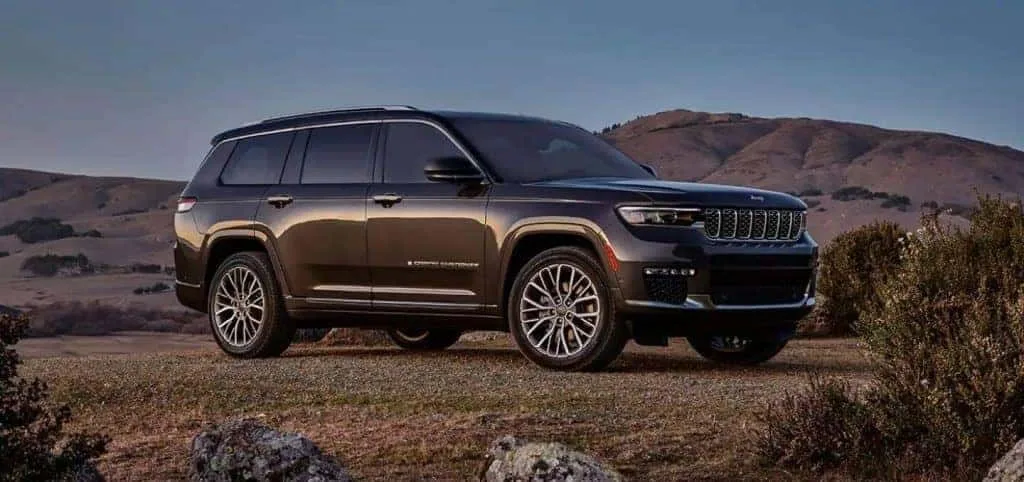
Image source: Web (Bing) / miamilakesautomall.com (Web image (fair-use with source credit))
Factors That Make or Break Your Jeep's Lifespan
A Jeep Grand Cherokee's ability to rack up high mileage depends on a few critical elements. It's not just about how many miles are on the odometer; it's about how those miles were accumulated and what care the vehicle received along the way.
Maintenance: Your Jeep's Best Friend
Regular, consistent maintenance is the absolute cornerstone of a long-lasting vehicle. This isn't just about oil changes; it's a comprehensive approach. Following the manufacturer's recommended service schedule is paramount.
49% off Today's Exclusive Deals
Limited-time Exclusive Deals. Check current discount on Amazon.
Check Price on Amazon As an Amazon Associate I earn from qualifying purchases.This includes:
- Scheduled Oil and Filter Changes: Typically every 5,000 to 7,500 miles, or as specified by Jeep.
- Fluid Flushes: Transmission fluid, coolant, brake fluid, and power steering fluid all need periodic replacement to prevent degradation and maintain performance.
- Filter Replacements: Air filters, cabin air filters, and fuel filters all play vital roles in keeping the engine running smoothly and efficiently.
- Tire Rotations and Balancing: Essential for even tire wear and maintaining a comfortable ride.
- Brake Inspections: Checking pads, rotors, and fluid levels regularly.
Skipping or delaying these routine tasks means components work harder, wear out faster, and can lead to more significant, costly issues down the line. Think of it like going to the doctor for regular check-ups; it's proactive care to prevent major health problems.
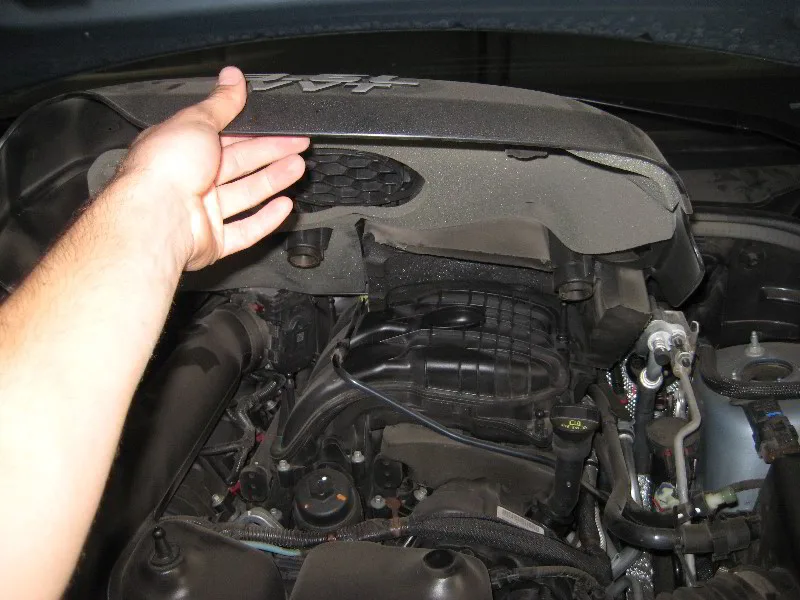
Image source: Bing (Web (fair-use with source credit))
Driving Habits: Easy Does It
How you drive your Grand Cherokee has a direct impact on its lifespan. Aggressive driving, like frequent hard acceleration and sudden braking, puts a lot of stress on the engine, transmission, brakes, and suspension.
- Smooth Acceleration and Braking: Allows components to operate within their designed parameters with less strain.
- Minimizing Idling: Excessive idling can lead to incomplete fuel combustion and deposit buildup.
- Avoiding Potholes and Rough Roads: Unless specifically equipped and intended for it, consistently hitting rough terrain can accelerate wear on suspension and chassis components.
Highway cruising is generally easier on a vehicle than stop-and-go city driving. If your commute involves a lot of traffic, be extra diligent with your maintenance.
Model Year & Engine: Know What You're Buying
Jeep has produced the Grand Cherokee for decades, and like any long-running model, certain model years and specific engine options have reputations for reliability (or lack thereof). Our research indicates that some engine configurations have proven to be particularly robust workhorses. For example, certain V8 Hemi engines and the Pentastar V6 have generally performed well over the long term when properly maintained.
Conversely, some earlier generations or specific engine variants might have experienced more recurring issues, particularly with electrical systems or certain transmission components. Always check reliability ratings and owner forums for the specific model year and engine type you're considering. Understanding these differences can help you anticipate potential needs and prioritize certain vehicles over others.
Common Issues That Can Shorten Your Jeep's Life
While the Grand Cherokee is built for capability, certain components can become wear items over time, potentially impacting its overall longevity if not addressed. Being aware of these common points of concern can help you proactively manage them.
- Electrical System Quirks: Some model years, particularly older ones, have been associated with sporadic electrical issues. This can range from minor glitches in infotainment systems to more significant problems with sensors or control modules. Keeping electrical connections clean and protected, especially in humid or salty environments, can help mitigate some risks.
- Suspension Wear: The Grand Cherokee often features advanced suspension systems, like the Quadra-Lift air suspension. While offering excellent ride quality and off-road capability, these complex systems can eventually require maintenance or replacement of air springs, compressors, or lines after many years and miles. Standard suspension components like shocks, struts, and bushings will also wear over time, especially with heavy use.
- Transmission Longevity: The transmission is one of the most critical and expensive components. Consistent adherence to transmission fluid change intervals is crucial. Using the manufacturer-recommended fluid type is also vital. Issues can arise from fluid degradation, overheating, or mechanical wear, all of which can be exacerbated by aggressive driving or a lack of maintenance.
- Cooling System Components: Overheating can severely damage an engine, shortening its life. Radiators, water pumps, hoses, and thermostats are all parts that can degrade over time. Regular checks of coolant levels and the condition of these components are important preventive measures.
Real-World Mileages: What Owners Report
When you look at what actual owners are reporting, a consistent picture emerges. Many Grand Cherokee owners successfully push their vehicles well into the 200,000-mile range. These owners often emphasize the importance of diligent upkeep.
For instance, many report that consistent oil changes, typically every 5,000 miles, and timely fluid flushes have been key to their vehicle's endurance.
Specific model years and engine choices do seem to make a difference. For example, certain generations equipped with the HEMI V8 engine or the Pentastar V6 are frequently cited as going the distance with fewer major issues. Owners who prioritize preventative maintenance, addressing small leaks before they become big problems or replacing worn parts proactively, are far more likely to achieve higher mileages.
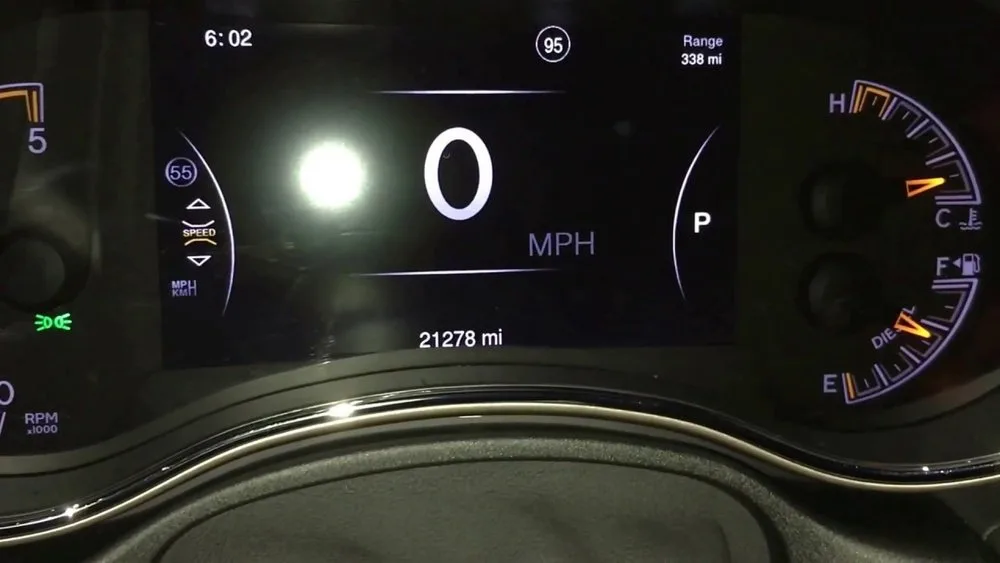
Image source: Bing (Web (fair-use with source credit))
Expert Tips for Maximizing Your Grand Cherokee's Longevity
As someone who's seen countless vehicles come through the shop and spoken with many long-term owners, I can tell you that keeping a Jeep Grand Cherokee on the road for the long haul comes down to a few core principles. It's less about magic tricks and more about consistent, smart care.
Here’s what the experts and experienced owners consistently advise:
- Follow the Maintenance Schedule Religiously: Seriously, don't guess. Consult your owner's manual for the recommended service intervals for everything from oil changes to transmission fluid flushes. These schedules are based on extensive testing and are designed to keep your Jeep running optimally. If you're unsure about specific intervals, your local dealership or a trusted independent mechanic specializing in Jeeps can provide guidance.
- Use Quality Fluids and Parts: When it's time for maintenance, don't skimp on the oil, filters, or any other fluids. Using the manufacturer-specified oil viscosity and type, for example, is critical for engine health. Likewise, opt for reputable brands for replacement parts. While original equipment manufacturer (OEM) parts are often the best bet, high-quality aftermarket parts can also be a good choice.
- Address Small Issues Promptly: Did you hear a new squeak? Is a warning light on? Don't ignore it. Small problems, like a minor fluid leak or a worn belt, can quickly escalate into major, expensive repairs if left unchecked. Getting them looked at by a qualified mechanic as soon as you notice them can save you a lot of headaches and money down the road.
- Drive Smart: As we touched on, aggressive driving is tough on any vehicle. Practice smooth acceleration and braking. When possible, avoid extremely rough roads or overly challenging off-road conditions unless your Grand Cherokee is specifically equipped and maintained for them. This reduces stress on the powertrain and suspension.
- Keep it Clean: Regular washing and waxing don't just make your Jeep look good; they protect the paint and underbody from corrosion, especially if you live in an area that uses road salt during winter. Cleaning the interior regularly also helps maintain its condition and can prevent issues from debris or moisture.
Mistakes to Avoid on Your Grand Cherokee's Journey
When aiming for high mileage with your Jeep Grand Cherokee, certain common missteps can significantly shorten its lifespan. Avoiding these pitfalls is just as important as performing the right maintenance. One of the biggest mistakes is neglecting fluid changes.
Transmission fluid, coolant, and brake fluid all degrade over time and lose their protective properties. For instance, using the wrong type of transmission fluid or stretching its change interval past 60,000 miles can lead to premature wear and costly repairs.
Another frequent error is ignoring the check engine light or other warning indicators. These lights are the vehicle's way of telling you something is wrong, and what starts as a minor issue, like a faulty oxygen sensor, can lead to catalytic converter damage if left unaddressed. Likewise, consistently overloading your Grand Cherokee beyond its specified towing or payload capacity puts immense strain on the engine, transmission, and suspension, accelerating wear.
What Are the Pros and Cons of Owning a Range Rover?: Guide
The Grand Cherokee, while not a Range Rover, shares some similarities in its positioning as a capable and often premium SUV. Considering the pros and cons of owning such a vehicle is essential for managing expectations.
Pros:
- Capability: Excellent off-road prowess and towing capacity.
- Comfort: Often a comfortable and well-appointed interior, especially in higher trims.
- Versatility: Suitable for daily driving, family transport, and adventurous getaways.
Cons:
- Maintenance Costs: Can be more expensive to maintain than less complex vehicles.
- Fuel Economy: V8 options, in particular, can be fuel-thirsty.
- Potential for Electrical Issues: Some model years are more prone to electrical gremlins.
These points highlight why diligent maintenance and awareness of potential issues are so critical for maximizing the lifespan and satisfaction of Grand Cherokee ownership.
Maintenance: A Deeper Dive for Longevity
Getting the most miles out of your Jeep Grand Cherokee means understanding the nuances of its maintenance needs. It’s not just about the what, but also the when and how. For example, many owners overlook the importance of regularly inspecting and potentially replacing drive belts and hoses.
These components are made of rubber, which degrades over time due to heat and exposure, and a sudden belt failure can leave you stranded.
Another area often underestimated is the cooling system. Beyond just coolant flushes, a thorough inspection of the radiator, water pump, and thermostat is wise, especially as the vehicle approaches higher mileage. Overheating is a quick way to cause catastrophic engine damage.
If you live in an area with extreme temperatures, either hot or cold, pay extra attention to these systems. For those who frequently tow, increased cooling system vigilance is also a good practice.
Is The Range Rover Worth Buying Used?: Smart Buyer Guide
Buying a used Jeep Grand Cherokee can be a financially savvy move, but it requires a careful approach to ensure you're getting a reliable vehicle. The primary concern for any used SUV is its previous maintenance history. When looking at a pre-owned Grand Cherokee, try to obtain service records.
A vehicle with documented, consistent maintenance is far more likely to have been cared for properly than one with an unknown history.
When inspecting a used Grand Cherokee, pay close attention to those common problem areas we've discussed. Check for any signs of fluid leaks under the vehicle, listen for unusual noises from the engine or suspension, and test all the electrical components. A pre-purchase inspection by a trusted mechanic is highly recommended, especially for models with advanced features like air suspension or complex 4×4 systems.
Understanding the common issues associated with specific model years can help you negotiate a better price or avoid a potential lemon.
Frequently Asked Questions About Grand Cherokee Lifespan
What is considered high mileage for a Jeep Grand Cherokee?
Generally, over 150,000 miles is considered high mileage for any SUV. For a Jeep Grand Cherokee, many owners aim for and achieve well over 200,000 miles, making that range more typical for a long-lived example.
Are there specific model years of Jeep Grand Cherokee known for lasting longer?
While specific reliability can vary, research and aggregate owner feedback often point to certain generations, particularly those with the Pentastar V6 or HEMI V8 engines, as having a good track record for longevity when properly maintained. It's always best to check reviews for the specific model year you're interested in.
Can a Jeep Grand Cherokee last 300,000 miles?
Yes, it is absolutely possible for a Jeep Grand Cherokee to last 300,000 miles or more, but it requires exceptional dedication to regular maintenance, careful driving habits, and often, a bit of luck. Not all vehicles will reach this extreme mileage.
What are the most common failures that affect Grand Cherokee lifespan?
Common issues that can impact longevity include electrical system glitches, wear on suspension components (especially air suspension systems), and transmission problems if maintenance is neglected. Addressing these proactively is key.
Does off-roading impact the lifespan of a Jeep Grand Cherokee?
Extensive or extreme off-roading can accelerate wear on components like the suspension, drivetrain, and underbody protection. While Grand Cherokees are capable, frequent use in harsh off-road conditions will likely reduce its overall lifespan compared to a vehicle used primarily for on-road driving and light trails.