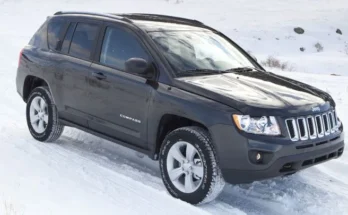
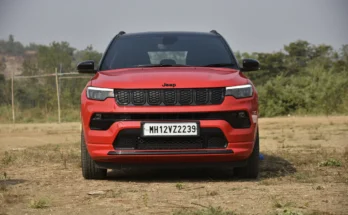
You're looking at a Jeep Grand Cherokee and wondering about its four-wheel-drive (4WD) capabilities, right? That's a smart question, especially since Jeep is practically synonymous with off-road prowess. While many Grand Cherokees come equipped to handle tough terrain, not every single one does.
Manufacturer specifications indicate that 4WD availability can change significantly based on the specific trim level and optional packages chosen by the buyer. Understanding these variations is key to making sure you get the vehicle that fits your driving needs.

49% off Today's Exclusive Deals
Limited-time Exclusive Deals. Check current discount on Amazon.
Check Price on Amazon As an Amazon Associate I earn from qualifying purchases.Does the Jeep Grand Cherokee Have Four-Wheel Drive?
No, not all Jeep Grand Cherokees come standard with four-wheel drive. While 4WD is a signature feature for many Jeep models, it's often an optional upgrade on certain Grand Cherokee trims, with rear-wheel drive (RWD) being the base configuration. As of 2026, this distinction remains consistent across the model line.
Quick Answer: It Depends on the Trim
The most straightforward answer is that whether your Jeep Grand Cherokee has four-wheel drive boils down to which specific version you're looking at. Jeep offers the Grand Cherokee in a range of trims, and manufacturer data shows that 4WD isn't a universal standard across all of them. Some trims are designed with 4WD as a core component, while others might offer it as an optional package or come exclusively with rear-wheel drive.
49% off Today's Exclusive Deals
Limited-time Exclusive Deals. Check current discount on Amazon.
Check Price on Amazon As an Amazon Associate I earn from qualifying purchases.Image source: Bing (Web (fair-use with source credit))
Identifying Your Grand Cherokee's Drivetrain: The Key Variables
To truly understand if a Grand Cherokee has 4WD, you need to look at two main factors: the trim level and any optional packages that were added. These elements are what differentiate a capable off-roader from a comfortable daily driver.
Trim Level Matters
Jeep organizes the Grand Cherokee into various trims, each with a different set of standard features and intended use. Entry-level trims, like the Laredo in some model years, often come standard with rear-wheel drive (RWD). This is common practice across the automotive industry to offer a more budget-friendly option.
However, as you move up to more sport-oriented or off-road-focused trims, such as the Trailhawk or Overland, four-wheel drive becomes much more prevalent. For instance, the Trailhawk trim is almost always equipped with a robust 4×4 system. Researching the specific trim you're interested in is your first step.
49% off Today's Exclusive Deals
Limited-time Exclusive Deals. Check current discount on Amazon.
Check Price on Amazon As an Amazon Associate I earn from qualifying purchases.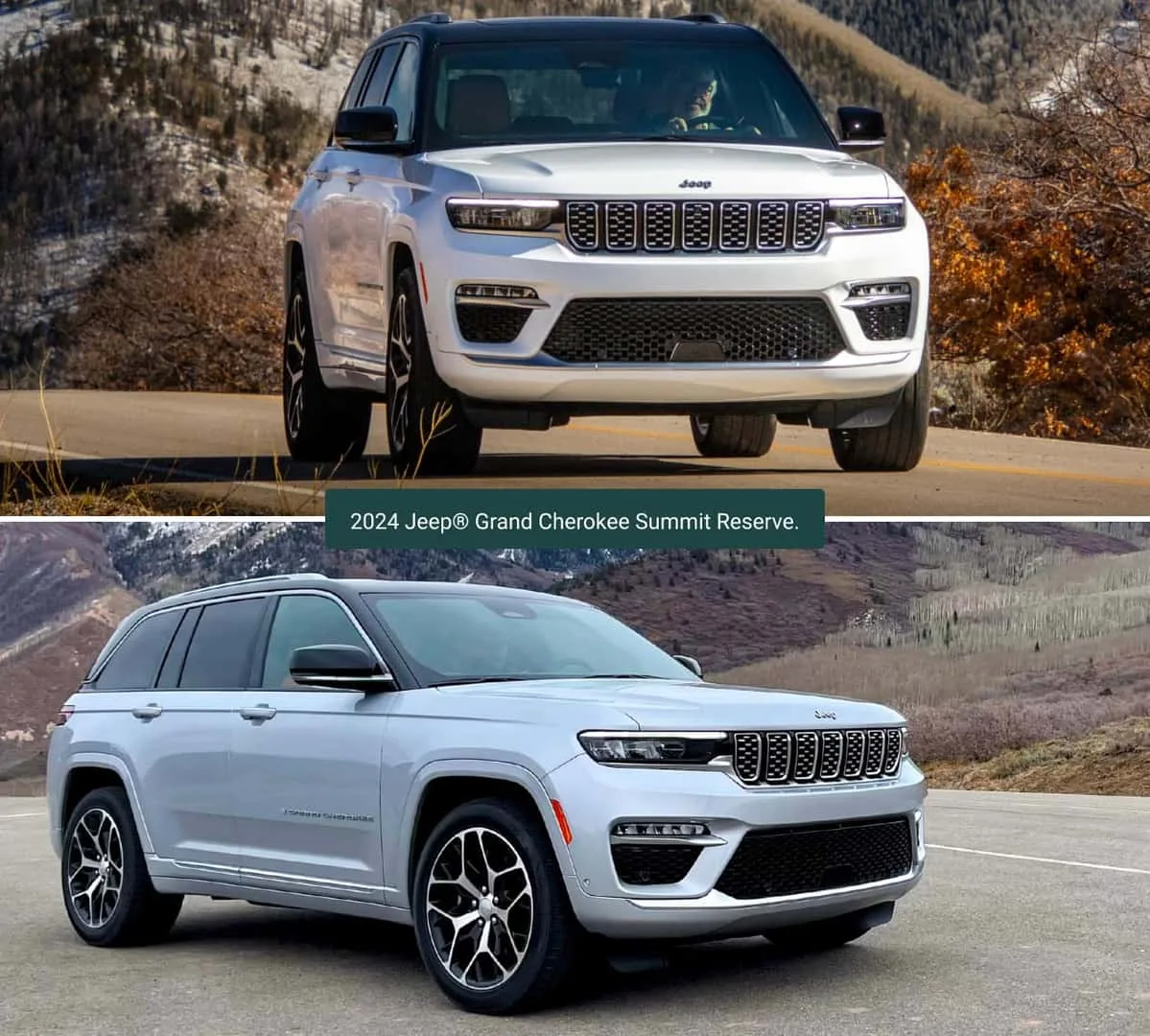
Image source: Web (Bing) / billlukesantan.com (Web image (fair-use with source credit))
Option Packages and "4×4" Badging
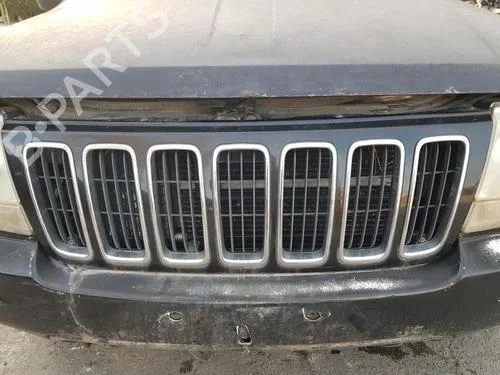
Even on trims that don't have 4WD standard, it's frequently available as an add-on package. This is where you might see an optional "4×4" badge on the exterior of the vehicle. If you're considering a used model, exterior badging can be a visual clue, though it's always best to confirm via the vehicle's documentation or VIN decoder.
Sometimes, specific packages will bundle 4WD with other features, making it a more attractive upgrade. For example, a "Capability Group" might include 4WD alongside features like skid plates or tow hooks.
How to Tell for Sure: Your Step-by-Step Guide
Knowing whether that Grand Cherokee has the 4WD you need is essential. There are a few reliable ways to get a definitive answer, whether you're looking at a car on a lot or one online.
Checking the Window Sticker or Specs Sheet
If you're looking at a new or pre-owned vehicle at a dealership, the original window sticker (Monroney label) is your best friend. This document details every standard feature and optional package. Look explicitly for terms like "Four-Wheel Drive," "4WD," or "4×4 System."
For online listings or private sales, request the vehicle's specifications sheet or VIN (Vehicle Identification Number). You can then use the VIN to run a decoder report, which will list the original factory options, including the drivetrain. This is a highly accurate method.
Inspecting the Vehicle's Controls
A quick way to potentially identify 4WD is by looking at the center console. Vehicles equipped with a selectable 4WD system often have a physical dial or a set of buttons to switch between drive modes. You might see options like "2WD," "4WD Auto," "4WD Low," or modes for snow, sand, or mud.
If you don't see any such controls, or if the vehicle only has a dial for drive modes like "Sport" or "Eco," it's likely a rear-wheel-drive model. This visual cue is a strong indicator of the vehicle's capabilities.
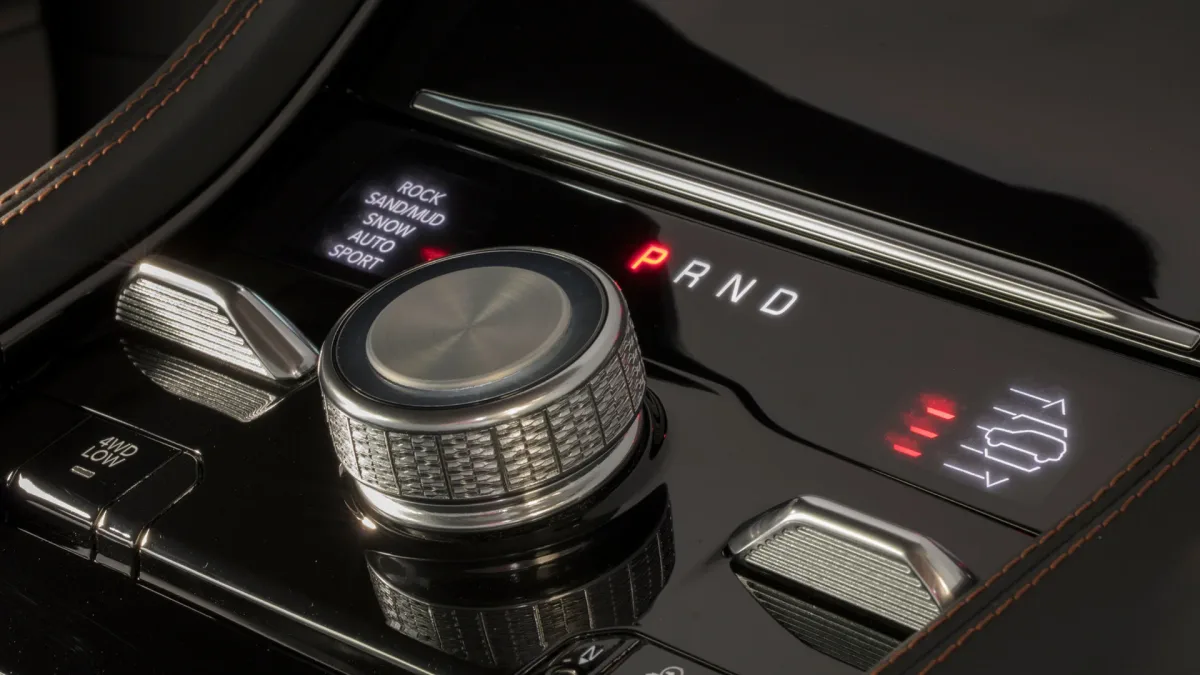
Image source: Bing (Web (fair-use with source credit))
Asking the Seller and Verifying
Never underestimate the power of a direct question. When speaking with a salesperson or private seller, ask them directly, "Does this Grand Cherokee have four-wheel drive?" Listen carefully to their answer and look for confident, specific responses.
However, always follow up with your own verification. You can cross-reference their claims with the vehicle's VIN decoder, window sticker, or by visually inspecting the controls as mentioned above. This double-checking ensures you're getting accurate information.
Understanding the Drivetrain Options: RWD vs. 4WD vs. AWD
When discussing vehicle capabilities, it's helpful to understand the basic differences between rear-wheel drive, four-wheel drive, and all-wheel drive. Each system offers distinct advantages and is suited for different driving conditions.
Rear-Wheel Drive (RWD) Basics
In a rear-wheel-drive system, the engine's power is sent exclusively to the rear wheels. This is the traditional setup for many cars and some SUVs, including the base models of the Grand Cherokee. RWD vehicles can offer good acceleration and often have a more engaging driving feel on dry pavement.
However, they typically struggle more in low-traction conditions like snow, ice, or off-road.
Four-Wheel Drive (4WD) Capabilities
Four-wheel drive systems, often referred to as 4×4, are designed for more demanding situations. They can send power to all four wheels, either all the time or when the driver selects it. Jeep's 4WD systems are renowned for their ability to tackle challenging off-road environments.
Many Grand Cherokee 4WD setups include low-range gearing, which provides maximum torque at very low speeds for crawling over obstacles or climbing steep, slippery inclines.
All-Wheel Drive (AWD) Context
All-wheel drive is another system that sends power to all four wheels, but it typically operates automatically and is optimized for on-road stability and traction in varied weather. Unlike many traditional 4WD systems, AWD often doesn't have a low-range gear setting and is generally less rugged for extreme off-roading. While some Grand Cherokee models might feature AWD-like capabilities or systems, the term "4WD" usually signifies the more robust, off-road-oriented setup.
Understanding this distinction is crucial when looking at Toyota RAV4 trim levels, for example, as they often utilize AWD.
When You Actually Need Four-Wheel Drive
Having four-wheel drive on a Jeep Grand Cherokee opens up a world of possibilities, but it's not always necessary. Knowing when it truly makes a difference can help you decide if it's a feature worth prioritizing.
Tackling Tough Weather
Four-wheel drive provides a significant advantage in adverse weather conditions. If you frequently drive in areas that experience heavy snow, ice, or torrential rain, a 4WD Grand Cherokee can offer superior traction and control compared to a rear-wheel-drive or even some all-wheel-drive systems. The ability to engage 4WD allows you to power through slippery surfaces more confidently, reducing the risk of getting stuck.
This capability is a key reason many drivers choose SUVs like the Grand Cherokee over sedans.
Exploring Off-Road Trails
This is where the Grand Cherokee's legendary 4WD systems truly shine. For drivers who plan on venturing onto unpaved roads, dirt trails, rocky paths, or through mud, a true 4WD system with low-range gearing is invaluable. It allows the vehicle to maintain grip and control when encountering uneven terrain, steep inclines, or obstacles.
If your idea of a road trip includes trails that require more than just paved surfaces, a 4WD Grand Cherokee is the way to go. For those seeking extreme capability, comparing Range Rover Sport Vs Standard Range Rover can highlight how different platforms approach ruggedness.
Towing and Hauling Confidence
While towing capacity is primarily determined by the vehicle's engine, chassis, and specific towing package, 4WD can add an extra layer of confidence. When towing a trailer, especially on an incline or in slippery conditions at a launch point (like a boat ramp), 4WD can help prevent the vehicle from spinning its wheels and losing traction. It provides the necessary grip to move heavier loads more securely.
The towing capacity of a Range Rover, for example, is a critical factor for many buyers.
Common Mistakes When Buying a Grand Cherokee
When you're set on getting a Jeep Grand Cherokee, it's easy to overlook the specifics of its drivetrain if you're not careful. One of the most common slip-ups is assuming all Grand Cherokees come with 4WD. This oversight can lead to disappointment if you end up with a rear-wheel-drive model when you needed four-wheel drive.
Another mistake is not thoroughly checking the vehicle's specifications or VIN decoder. Relying solely on the presence of a "4×4" badge can be misleading, as these can sometimes be added as aftermarket accessories or might indicate an older system. Always confirm the exact drivetrain configuration through official documentation or by inspecting the physical controls for drive mode selection.
This diligence prevents costly surprises down the line.
Frequently Asked Questions About Grand Cherokee 4WD
How do I know if my Grand Cherokee has a low-range 4WD gear?
If your Grand Cherokee is equipped with a low-range gear, you'll typically find a separate setting on the drive mode selector dial or buttons specifically labeled "4WD Low" or "4L". Manufacturer specifications confirm that this feature is usually reserved for more capable 4WD systems designed for serious off-roading.
Can I add four-wheel drive to a Grand Cherokee that doesn't have it?
Converting a rear-wheel-drive Grand Cherokee to a factory four-wheel-drive system is generally not feasible or cost-effective. It would involve replacing major drivetrain components, including the transfer case, driveshafts, and potentially modifying the chassis. It's far more practical to purchase a Grand Cherokee that already comes with the 4WD system you need.
Is four-wheel drive always better than all-wheel drive?
Not necessarily. For daily driving in varied weather, all-wheel drive (AWD) offers excellent traction and efficiency without requiring driver input. Four-wheel drive (4WD) is typically more robust, often featuring low-range gearing, and is better suited for serious off-roading, rock crawling, or extreme conditions.
The "better" system depends entirely on your intended use.
Do all Jeep Grand Cherokees require premium fuel if they have 4WD?
Fuel requirements are generally tied to the engine, not the drivetrain. While some Grand Cherokee engines, particularly the more powerful V8 options or specific turbocharged variants, may recommend or require premium fuel for optimal performance, this is independent of whether the vehicle is 2WD or 4WD. Always check your owner's manual for the correct fuel specification.
What are the benefits of buying a used Grand Cherokee with 4WD?
Buying a used Grand Cherokee with 4WD can offer significant capability at a lower price point than a new model. It's ideal for drivers who need off-road or severe weather performance but don't want the full cost of a brand-new vehicle. However, thorough inspection of the 4WD system's condition is crucial when buying used, as it can be subject to wear and tear.
Understanding the pros and cons of owning a Range Rover can offer parallels in assessing used luxury SUVs.