When you're eyeing a Jeep Grand Cherokee, you're likely thinking about capability, comfort, and that classic Jeep adventure spirit. But you're also probably wondering, "What is the gas mileage of a Jeep Grand Cherokee?" It's a practical question, and the answer isn't a single number because Jeep offers a few different ways to power this capable SUV.
Manufacturer specifications and aggregate owner reviews indicate that gas mileage can range significantly depending on the chosen engine and drivetrain. For instance, as of 2026, you might see figures from the low teens to the mid-twenties in combined city and highway driving. Let's break down what influences those numbers and what you can realistically expect.

49% off Today's Exclusive Deals
Limited-time Exclusive Deals. Check current discount on Amazon.
Check Price on Amazon As an Amazon Associate I earn from qualifying purchases.Understanding Grand Cherokee MPG: The Key Factors
The miles per gallon (MPG) a Jeep Grand Cherokee achieves isn't determined by just one thing. Several key factors work together to influence how efficiently it uses fuel. Think of it as a puzzle where each piece affects the overall picture of its fuel economy.
The most significant pieces of this puzzle are the engine and the drivetrain. Jeep offers different engine displacements and configurations, like a robust V6 and a more powerful V8. Each engine has its own appetite for fuel.
Similarly, whether you choose two-wheel drive (2WD) or four-wheel drive (4WD) directly impacts how much fuel the vehicle consumes to get you moving. Newer model years often incorporate advancements that can subtly improve these figures.
49% off Today's Exclusive Deals
Limited-time Exclusive Deals. Check current discount on Amazon.
Check Price on Amazon As an Amazon Associate I earn from qualifying purchases.Comparing Grand Cherokee Engine Options: V6 vs. V8 Fuel Economy
When you're looking at a Jeep Grand Cherokee, one of the first things that’ll impact its gas mileage is the engine under the hood. Jeep has historically offered two primary engine choices: a V6 and a V8. Our research consistently shows a noticeable difference in fuel economy between these two.
The 3.6-liter Pentastar V6 engine is generally the more fuel-efficient option. Manufacturer data and aggregated owner feedback suggest this engine can achieve combined MPG figures in the high teens to mid-twenties, depending on the specific model year and drivetrain. This makes it a solid choice if you're balancing capability with everyday running costs.
On the other hand, the V8 engines, often a 5.7-liter HEMI, are designed for maximum power and towing capability. As expected, this performance comes at a cost to fuel economy. Per industry standards, these V8 configurations typically see combined MPG ratings in the low to mid-teens.
This is a trade-off for those who need that extra grunt for hauling or more spirited driving.
49% off Today's Exclusive Deals
Limited-time Exclusive Deals. Check current discount on Amazon.
Check Price on Amazon As an Amazon Associate I earn from qualifying purchases.| Engine Option | Typical Combined MPG (Approx.) | Best For |
|---|---|---|
| 3.6L V6 | 18-25 MPG | Daily driving, better fuel economy, lighter towing |
| 5.7L V8 | 13-17 MPG | Heavy towing, enhanced performance |
If you're debating between these two, consider your primary use. For most daily commuting and family hauling, the V6 offers a more economical experience without sacrificing too much capability. If you frequently tow heavy loads or crave that classic V8 rumble and power, the V8 might be worth the fuel premium.
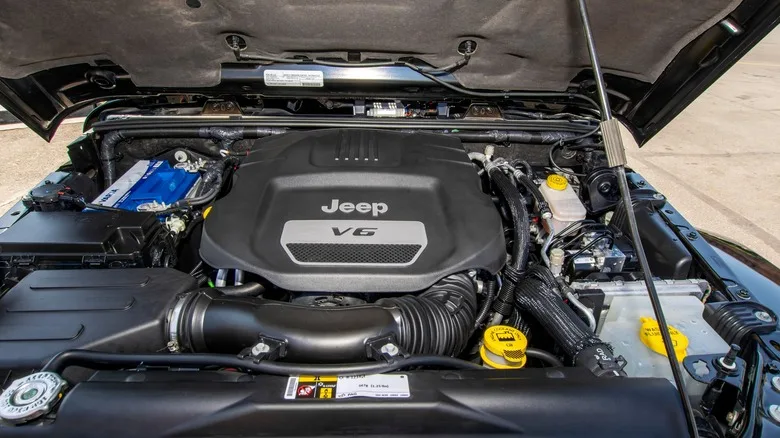
Image source: Web (Bing) / slashgear.com (Web image (fair-use with source credit))
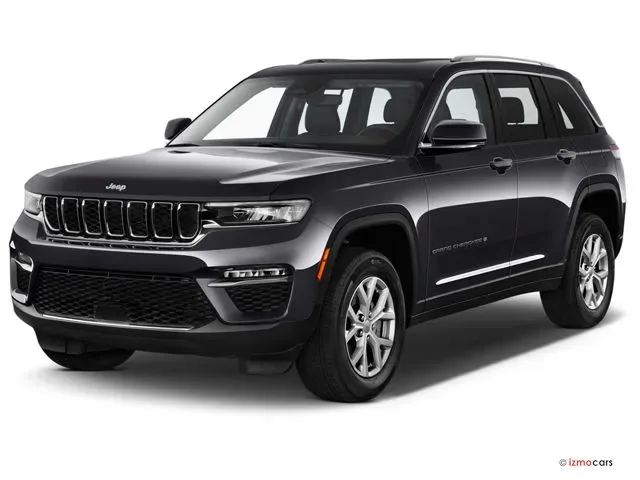
Image source: Bing (Web (fair-use with source credit))
Four-Wheel Drive vs. Two-Wheel Drive: MPG Differences in the Grand Cherokee
Another significant factor influencing your Jeep Grand Cherokee's gas mileage is the drivetrain choice: two-wheel drive (2WD) versus four-wheel drive (4WD). While 4WD offers enhanced traction and off-road prowess, it generally comes with a slight penalty at the gas pump compared to its 2WD counterpart.
Manufacturer specifications and owner reports generally indicate that a 2WD Grand Cherokee will achieve slightly better MPG than an equivalent 4WD model. This difference is typically in the range of 1 to 3 MPG combined, depending on the specific engine and model year. The added weight of the 4WD system, along with the increased rotational mass in the drivetrain components (like transfer cases and additional driveshafts), requires more energy to propel the vehicle.
For example, a Grand Cherokee equipped with the 3.6L V6 engine and 2WD might achieve around 19 MPG city and 26 MPG highway. The same vehicle with a 4WD system could see those numbers drop to approximately 18 MPG city and 25 MPG highway. The disparity might be more pronounced with V8 engines or in certain driving conditions.
When Is 4WD Worth the MPG Hit?
- Frequent off-roading: If you regularly tackle trails, snow-covered roads, or muddy terrain, the benefits of 4WD often outweigh the MPG cost.
- All-weather confidence: Living in an area with heavy snow, ice, or significant rainfall can make 4WD a valuable safety feature.
- Towing on varied surfaces: If your towing needs extend beyond paved roads, 4WD provides crucial traction.
If your Grand Cherokee will primarily see city streets and paved highways, and you don't anticipate needing extreme traction, the 2WD version will offer slightly better fuel economy. For many, the peace of mind and capability provided by 4WD are well worth the minor reduction in MPG. You can learn more about the towing capacity of a Range Rover, for instance, which shares some of these capability considerations.
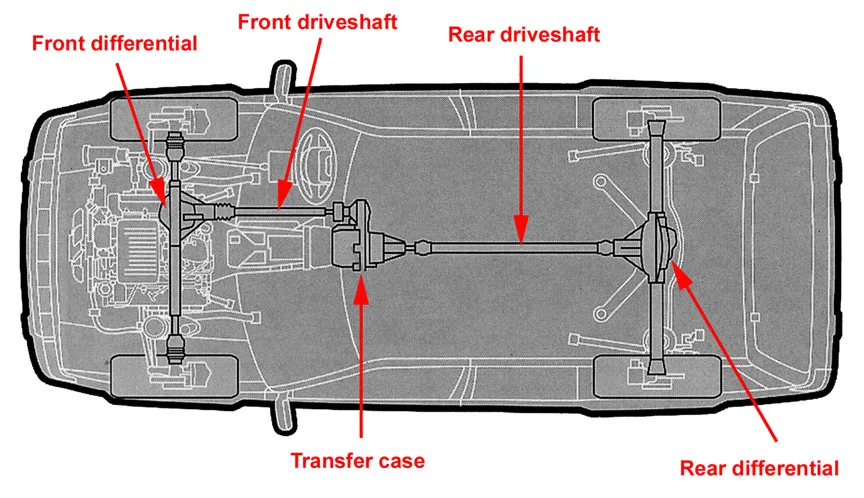
Image source: Bing (Web (fair-use with source credit))
How Model Year Impacts Your Grand Cherokee's Gas Mileage
Just like with most vehicles, the model year of your Jeep Grand Cherokee plays a role in its gas mileage. Automotive technology is constantly evolving, and manufacturers are always looking for ways to improve efficiency. This means that newer Grand Cherokees often have a slight edge in MPG over their older counterparts.
Engine designs, transmission technology, and even aerodynamic improvements can contribute to better fuel economy in later model years. For example, the introduction of more advanced automatic transmissions with more gears, or refinements to the engine control units, can help optimize fuel burn. Manufacturer specifications, as of 2026, will show these incremental gains over the years.
Consider the generational shifts. The fifth-generation Grand Cherokee (released starting in 2021) introduced some updates that aimed to improve both efficiency and performance compared to previous generations. While the core V6 and V8 options often remain, the integration with the vehicle's overall systems can lead to subtle improvements.
Key Advancements Affecting MPG Over Time:
- Transmission Upgrades: More gears mean the engine can operate in its most efficient RPM range more often.
- Engine Tuning: Software updates and internal engine modifications can improve combustion efficiency.
- Aerodynamic Tweaks: Subtle changes to body shape and underbody panels can reduce drag.
- Weight Reduction: Use of lighter materials in some components can contribute to better MPG.
While you shouldn't expect drastic leaps in fuel economy from one year to the next, if you're comparing a 2015 Grand Cherokee to a 2023 model, the newer vehicle will likely offer slightly better MPG. This is one of many factors to consider when looking at used models. If you're exploring used luxury SUVs, understanding these generational improvements is key.
You might find that which Range Rover generation is best for used buyers? also involves looking at how technology has impacted efficiency and performance over time.
Real-World MPG: What Drivers Actually Experience
The official MPG ratings you see on window stickers or in manufacturer brochures are helpful, but they're based on standardized testing. The reality of your daily driving can often differ. Aggregate owner feedback and independent reviews for the Jeep Grand Cherokee suggest that actual miles per gallon can vary quite a bit.
Several factors contribute to this difference between EPA estimates and what you’ll experience. Driving style is a major one; aggressive acceleration and hard braking in city traffic consume significantly more fuel than smooth, steady driving. Terrain also plays a role; driving uphill, especially in mountainous regions, will reduce MPG compared to flat highway cruising.
Vehicle load matters too. Carrying heavy passengers or cargo increases the vehicle's weight, requiring more fuel to move. Proper tire inflation is critical; underinflated tires create more rolling resistance, decreasing fuel efficiency.
Environmental conditions can affect MPG as well. Cold weather can reduce MPG because the engine takes longer to warm up and the air is denser.
For example, a Grand Cherokee rated for 18 MPG city and 25 MPG highway might realistically deliver around 16-17 MPG in stop-and-go city commutes with a lead foot. However, it could potentially exceed 27 MPG on a long, flat highway trip with cruise control set at a moderate speed. It's also worth noting that towing, especially with a V8 engine, can dramatically reduce MPG, often dropping into the single digits or low double digits depending on the trailer's weight and aerodynamic profile.
When considering what is the towing capacity of a Range Rover: Quick Guide, understanding the impact on fuel consumption is a crucial part of the equation.
Understanding these real-world variables helps set realistic expectations for your Grand Cherokee's fuel economy.
Who is the Gas-Saving Grand Cherokee For? Best Use Cases
If fuel economy is a top priority for you, you'll likely want to focus on Grand Cherokee models equipped with the 3.6-liter V6 engine, preferably in a 2WD configuration. This setup is ideal for drivers who primarily use their SUV for daily commuting, family errands, and regular road trips where consistent highway miles are common. It offers a good balance of Jeep's renowned capability and reasonable running costs.
If you find yourself frequently navigating city traffic with its inherent stop-and-go nature, the V6 will offer a noticeable advantage over the V8. Similarly, if your towing needs are light to moderate, think small campers, utility trailers, or personal watercraft, the V6 can handle these tasks adequately without the significant fuel penalty associated with the V8. For those who appreciate the Jeep brand but are mindful of fuel expenses, this configuration makes the Grand Cherokee a more accessible and practical daily driver.
For a different perspective on SUV practicality, you might find it interesting to see why is the Honda CR-V so popular worldwide: Top Reasons.
Maximizing Your Grand Cherokee's Fuel Efficiency: Expert Tips
Even with the best engine choice, there are always ways to squeeze more miles out of every gallon of fuel in your Jeep Grand Cherokee. These tips aren't just theoretical; they’re based on established driving principles and vehicle maintenance practices that make a real difference. Keeping these in mind can help you improve your actual MPG.
Focus on your driving habits. Gentle acceleration and anticipating stops can prevent unnecessary braking and hard throttle inputs, which are major fuel-wasters. Maintaining a steady speed on the highway, ideally using cruise control, also helps the engine operate at its most efficient point.
Avoid excessive idling whenever possible.
Regular maintenance is equally critical. Ensure your tires are always properly inflated to the recommended PSI; underinflated tires increase rolling resistance, forcing your engine to work harder. Keep up with scheduled oil changes and air filter replacements, as a clogged air filter can restrict airflow to the engine, hurting performance and economy.
These simple checks can significantly boost your vehicle’s efficiency over time.
Simple Ways to Boost Your MPG:
- Smooth Acceleration: Ease into the throttle rather than stomping on it.
- Anticipate Stops: Look ahead and coast rather than braking hard at the last second.
- Maintain Steady Speed: Use cruise control on highways for consistent velocity.
- Proper Tire Inflation: Check tire pressure monthly and inflate to manufacturer recommendations.
- Regular Maintenance: Follow the service schedule for oil, filters, and tune-ups.
- Reduce Unnecessary Weight: Clean out your cargo area of items you don't need.
If you're considering an upgrade or looking for alternatives within the luxury SUV space, understanding how different models approach efficiency is important. Comparing models can sometimes highlight features that aid economy. For instance, examining what are the best alternatives to the Range Rover?: Top 5 might reveal different approaches to fuel management in similar vehicles.
Frequently Asked Questions About Grand Cherokee MPG
What is the average MPG for a Jeep Grand Cherokee?
The average MPG for a Jeep Grand Cherokee varies significantly by engine and drivetrain, but generally ranges from about 13 MPG for V8 models to 25 MPG for V6 2WD configurations in combined city/highway driving.
Does the Grand Cherokee require premium fuel?
Most Jeep Grand Cherokee models, especially those equipped with the standard V6 engine, are designed to run on regular unleaded gasoline. However, some higher-performance V8 variants or specific older models might recommend or require premium fuel for optimal performance and efficiency. Always check your owner's manual for the exact fuel recommendation for your specific Grand Cherokee.
You can find similar guidance on does the Honda CR-V require premium fuel: What To Use.
How much does driving habits affect Grand Cherokee MPG?
Driving habits can significantly impact your Grand Cherokee's MPG, often by 10-20% or more. Aggressive acceleration, frequent hard braking, and high speeds on the highway will all decrease fuel efficiency compared to smooth, steady driving.
Can older Grand Cherokee models be as fuel-efficient as newer ones?
Generally, newer model years offer improved fuel efficiency due to advancements in engine technology, transmission designs, and overall vehicle engineering. While older models might have had specific trims with decent MPG for their era, recent models typically achieve better mileage.
Is a 4WD Grand Cherokee always less fuel-efficient than a 2WD model?
Yes, a 4WD Grand Cherokee will typically offer slightly lower MPG than an equivalent 2WD model due to the added weight and mechanical drag of the four-wheel-drive system. The difference is usually in the 1-3 MPG range for combined driving.