So, you're wondering, "How much can a Jeep Grand Cherokee tow?" It's a super common question, and the straightforward answer is that it really depends on the specifics of your Grand Cherokee. There isn't one single towing number that fits every model.
Manufacturer specifications indicate that towing capacities for the Jeep Grand Cherokee can range significantly, often from around 3,500 pounds up to a robust 7,200 pounds. This wide variation means you need to know precisely what to look for on your specific vehicle to get an accurate, safe towing limit.

49% off Today's Exclusive Deals
Limited-time Exclusive Deals. Check current discount on Amazon.
Check Price on Amazon As an Amazon Associate I earn from qualifying purchases.How Much Can a Jeep Grand Cherokee Tow?
The maximum towing capacity for a Jeep Grand Cherokee varies significantly, typically falling between 3,500 lbs and 7,200 lbs as of 2026. This number is not a blanket rating; it's determined by specific configurations like engine size, drivetrain, and whether the vehicle is equipped with the factory towing package. Always consult your owner's manual for the definitive rating of your particular Grand Cherokee.
Key Factors That Define Your Grand Cherokee's Towing Power
Your Grand Cherokee's ability to haul isn't just a single sticker number; it's a combination of its underlying hardware and optional upgrades. Understanding these elements is key to knowing what your specific vehicle can handle safely.
Engine Options & Their Towing Muscle
The engine under the hood is usually the primary driver of towing capacity. More displacement and power generally mean a higher potential for towing.
49% off Today's Exclusive Deals
Limited-time Exclusive Deals. Check current discount on Amazon.
Check Price on Amazon As an Amazon Associate I earn from qualifying purchases.- 3.6L Pentastar V6: This is a very common engine found in many Grand Cherokees. When properly equipped with the towing package, it often provides a solid towing capacity, frequently around the 6,200 lb mark. It’s a good all-around performer for most everyday towing needs.
- 5.7L HEMI V8: If your Grand Cherokee has the HEMI, you're stepping up in towing capability. This engine typically allows for the maximum towing capacity, often reaching up to 7,200 lbs when paired with the towing package. This is ideal for heavier trailers like large travel campers or boats.
- Other Variants: Depending on the model year and trim, you might find other engine options, such as diesel or higher-performance variants (like the SRT or Trackhawk with the supercharged V8). These can have their own specific towing ratings, usually at the higher end.
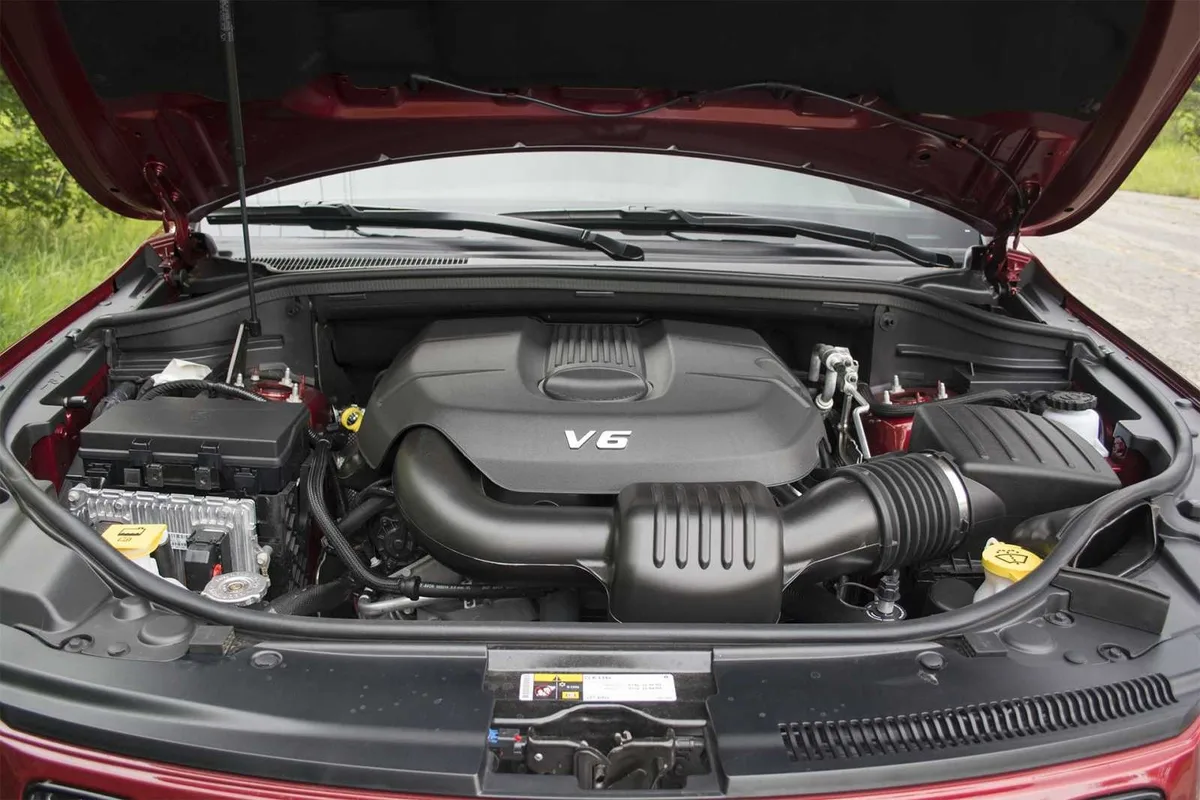
Image source: Bing (Web (fair-use with source credit))
Our research shows that higher horsepower and torque figures directly correlate with increased towing capabilities across most SUV platforms, including the Grand Cherokee. For instance, the HEMI V8's substantial torque is essential for getting heavy loads moving from a standstill and maintaining speed on inclines.
Drivetrain: RWD vs. 4WD for Towing
The way your Grand Cherokee sends power to the wheels can also influence its towing capacity. While the core engine power is primary, the drivetrain plays a supporting role.
49% off Today's Exclusive Deals
Limited-time Exclusive Deals. Check current discount on Amazon.
Check Price on Amazon As an Amazon Associate I earn from qualifying purchases.- Rear-Wheel Drive (RWD): Some Grand Cherokee configurations might be RWD. While capable, RWD can sometimes have a slightly lower towing capacity compared to its 4WD counterpart, especially in situations requiring extra traction.
- Four-Wheel Drive (4WD): Most Grand Cherokees come with 4WD systems, which are generally preferred for towing. 4WD provides better traction, especially when starting from a stop, on slippery surfaces, or when launching a boat. Often, the maximum advertised towing capacity is achieved with the 4WD configuration and the towing package.
It's worth noting that while 4WD offers advantages in traction, the rated towing capacity is primarily determined by the vehicle's structural and mechanical limits, not just its ability to grip the road.
The Crucial Role of the Jeep Towing Package
This is where you'll see the biggest jump in your Grand Cherokee's towing potential. The factory-installed towing package is more than just a hitch; it's a collection of upgrades designed to handle the extra stress of pulling a load.
What’s typically included:
- Class IV Receiver Hitch: This is the physical attachment point for your trailer. A Class IV hitch is rated for higher towing capacities than lower classes.
- Heavy-Duty Engine Cooling System: Towing puts a significant extra load on your engine, generating more heat. An upgraded cooling system ensures the engine stays within its optimal operating temperature, preventing overheating.
- Trailer Brake Controller Wiring Harness: This pre-wires your Jeep to accept an aftermarket trailer brake controller, which is essential for safely stopping heavier trailers.
- Upgraded Radiator: Similar to the cooling system, a more robust radiator handles the increased thermal load.
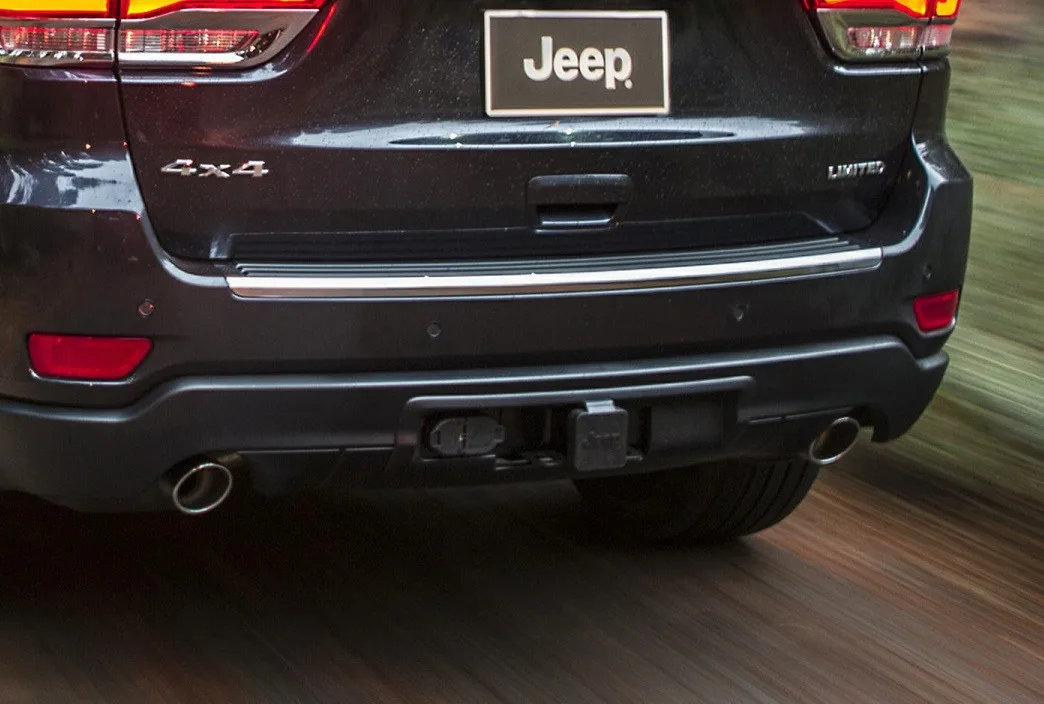
Image source: Web (Bing) / justforjeeps.com (Web image (fair-use with source credit))
Manufacturer specifications confirm that a Grand Cherokee equipped with the full towing package can often tow 1,500 to 2,000 pounds more than an identical model without it. This upgrade is vital if you plan to tow anything beyond very light loads.
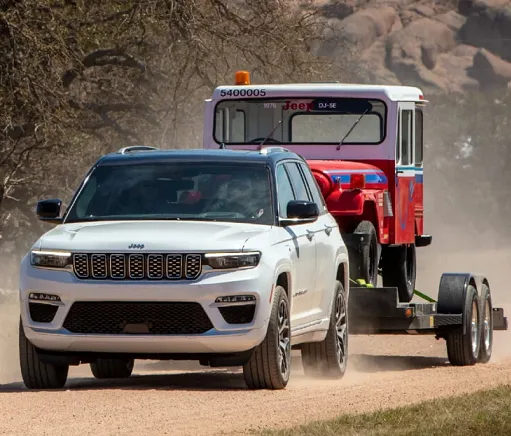
Image source: Bing (Web (fair-use with source credit))
How Much Can My Grand Cherokee Tow? Finding Your Specific Limit
Knowing the general capabilities is one thing, but you need the exact number for your Jeep. It's not something you should guess at. Fortunately, Jeep makes this information accessible.
Checking Your Owner's Manual for Exact Specs
Your Jeep Grand Cherokee's owner's manual is the ultimate authority on its capabilities. It contains detailed charts and tables that break down towing capacities based on specific engine, drivetrain, and option configurations for your model year.
Look for sections titled "Towing" or "Trailer Towing." You'll likely find a table listing various scenarios and the maximum weight each configuration can safely tow. This is the most reliable source of information. If you don't have a physical copy, you can usually download a PDF version from the official Jeep website.
Decoding the Doorjamb Sticker and Window Sticker
Beyond the owner's manual, there are other places to find your Jeep's towing limits.
- Driver's Side Doorjamb Sticker: Many vehicles, including Jeep Grand Cherokees, have a sticker located on the driver's side doorjamb (or the edge of the door itself). This sticker provides Gross Vehicle Weight Rating (GVWR) and often includes Gross Combined Weight Rating (GCWR) and maximum towing capacity information, especially if the factory towing package is installed. It’s designed to be a quick reference for your vehicle's specific limits.
- Original Window Sticker: If you still have the original window sticker from when the Jeep was purchased new, it would have clearly listed the towing capacity if the vehicle was optioned with the towing package. While less common to have, it's a definitive source if available.
These stickers provide a snapshot of your vehicle’s intended maximum load, ensuring you have the critical data readily available.
What Can a Grand Cherokee Actually Tow? Real-World Weight Estimates
With the towing capacity determined, it's helpful to visualize what those weight numbers actually mean in terms of trailers and cargo.
Lighter Loads: Small Trailers and Gear
For Grand Cherokees with a lower towing capacity, perhaps around 3,500 pounds (common for models without the full towing package or with smaller engines), you're looking at towing smaller items.
- Utility Trailers: A small, open-top utility trailer for hauling mulch, gardening supplies, or camping gear is typically well within this range.
- Small Campers: Some lightweight pop-up campers or teardrop trailers can be towed, but you'll need to verify their specific dry weight and ensure it’s significantly below your Jeep's limit.
- Motorcycles or ATVs: Transporting a couple of motorcycles or a single ATV on a dedicated trailer is often achievable.
Heavier Hauls: Campers, Boats, and More
Grand Cherokees equipped with the towing package and a more powerful engine, especially those rated up to 7,200 pounds, open up a lot more possibilities.
- Travel Trailers: Many mid-size travel trailers are within this range. You'll need to carefully check the trailer’s GVWR (Gross Vehicle Weight Rating), not just its dry weight, to ensure you stay within your Grand Cherokee’s limits.
- Boats: A boat and its trailer package, particularly for recreational boats, can often be towed by these more capable Grand Cherokees. Ensure the total weight of the boat, trailer, fuel, and any gear doesn't exceed the rating.
- Car Trailers: Towing a smaller car or a heavier utility trailer might also be possible.
It's always best practice to aim for a trailer weight that is about 80-90% of your Jeep's maximum rated capacity. This provides a safety margin and makes for a more comfortable towing experience. Remember, these figures don't account for passengers or additional cargo inside the Grand Cherokee itself, which also add weight.
Essential Safety Practices for Towing with Your Grand Cherokee
Towing safely isn't just about having enough power; it involves understanding critical weight distribution and ensuring your vehicle and trailer are properly equipped. Exceeding limits or improper setup can lead to loss of control, damage, and dangerous accidents.
Understanding Tongue Weight and Its Importance
Tongue weight refers to the downward force the trailer exerts on the hitch ball when it's coupled to your tow vehicle. This isn't just about how much the trailer weighs overall, but how that weight is distributed. Manufacturer specifications often state tongue weight should be between 10% to 15% of the trailer's total loaded weight.
If your tongue weight is too low, the trailer can sway dangerously, making it hard to control. Too high, and it can overload your Grand Cherokee's rear suspension and steering. Always check your trailer's loaded tongue weight using a tongue weight scale, and ensure it falls within your Grand Cherokee's specified limits.
When Trailer Brakes Are Non-Negotiable
For lighter trailers, your Grand Cherokee's own brakes might be sufficient. However, as the trailer's weight approaches or exceeds 1,500 to 2,000 pounds, it becomes crucial to have an independent braking system on the trailer itself.
Most Grand Cherokees equipped with a towing package will have the wiring ready for a trailer brake controller. This device, installed inside your cabin, allows you to manually or automatically activate the trailer's brakes. Many jurisdictions legally require trailer brakes for trailers exceeding a certain weight limit.
Investing in and properly installing this system is paramount for safe stopping distances, especially at highway speeds or on inclines.
Common Towing Mistakes to Steer Clear Of
Even with a capable vehicle like the Grand Cherokee, certain mistakes can turn a towing trip into a stressful, or even hazardous, experience. Being aware of these pitfalls can save you a lot of trouble.
One common error is guessing your trailer's weight. Many people rely on the trailer's advertised "dry weight" without accounting for added gear, water, or even a full propane tank. Always weigh your fully loaded trailer at a certified scale to know its true weight.
Another mistake is ignoring tongue weight, which is just as critical as total trailer weight for stability.
A third frequent misstep is overestimating your Grand Cherokee's limits, especially when it’s not equipped with the full towing package. Remember that the highest towing capacities are almost always tied to specific engine, drivetrain, and package combinations. Finally, forgetting to check trailer lights and connections before every trip can lead to dangerous situations if your brake lights or turn signals aren't working.
Frequently Asked Questions About Grand Cherokee Towing
What if my Grand Cherokee didn't come with a towing package?
If your Grand Cherokee lacks a factory towing package, its towing capacity will be significantly lower. You will need to consult your owner's manual for the specific rating of a non-towed-equipped model, which is typically around 3,500 lbs. Adding an aftermarket hitch will not increase this rating.
How does altitude affect towing capacity?
Higher altitudes mean thinner air, which reduces engine performance. While modern engines often compensate somewhat, sustained towing at high altitudes can lead to reduced power and increased strain on the engine. Always factor in potential performance loss when towing in mountainous or high-altitude regions, and avoid pushing your vehicle to its absolute limit.
Can I tow a trailer heavier than my Grand Cherokee's rating if I'm only going a short distance?
No. Exceeding your vehicle's rated towing capacity, even for short distances, puts excessive strain on its components. This can lead to costly damage to the transmission, brakes, suspension, and engine, and most importantly, compromises safety by affecting your ability to control the vehicle.
What’s the difference between towing capacity and GCWR?
Towing capacity refers to the maximum weight the Grand Cherokee can pull. The Gross Combined Weight Rating (GCWR) is the maximum total weight of the fully loaded Grand Cherokee plus the fully loaded trailer. You must ensure the combined weight of your vehicle and trailer does not exceed the GCWR.
Your Decision Guide: Is Your Grand Cherokee Ready to Tow?
To definitively answer "how much can a Jeep Grand Cherokee tow?" for your specific situation, you need to follow a clear process. Start by identifying your Grand Cherokee's model year, engine size, and whether it has the factory towing package.
Next, locate the official towing capacity for that exact configuration. This information is most reliably found in your owner's manual. Once you have that number, compare it to the Gross Vehicle Weight Rating (GVWR) of the trailer you intend to tow.
Remember to also consider the tongue weight and the overall GCWR of your setup. If everything aligns within the specified limits, your Grand Cherokee is ready to tow safely.