You're wondering about the "best" year for a Jeep Grand Cherokee, and that's a really sensible question to ask. It’s not about finding a single perfect year, but rather understanding which model years offer the blend of reliability, features, and performance that matches what you need. These SUVs have a long history, and each generation brought its own evolution in comfort, technology, and capability.
Our research indicates that focusing on specific generations and understanding their common traits is key. For instance, manufacturer specifications confirm that powertrain options and available safety features have evolved significantly since the Grand Cherokee first hit the market in 1993. Let's dive into what makes certain years stand out from the pack.

49% off Today's Exclusive Deals
Limited-time Exclusive Deals. Check current discount on Amazon.
Check Price on Amazon As an Amazon Associate I earn from qualifying purchases.Understanding the Jeep Grand Cherokee Generations
The Jeep Grand Cherokee isn't just one vehicle; it's a lineage that has seen distinct evolutions, each referred to as a generation. Knowing these periods is fundamental to understanding the differences in design, technology, and common mechanical traits. The earliest models, like the ZJ generation (1993-1998), set the blueprint for a more upscale SUV experience from Jeep, focusing on comfort and a refined ride that differentiated it from other Jeeps.
Subsequent generations, such as the WJ (1999-2004) and WK (2005-2010), continued to refine the formula. The WJ brought updated styling and improved interiors, while the WK introduced bolder designs and more powerful engine options, including the HEMI V8. However, it’s the Fourth Generation (WK2), produced from 2011 to 2021, that often emerges in discussions about the best years, thanks to significant advancements in overall refinement and technology.
The latest Fifth Generation (WL), starting in 2022, continues this trend with even more modern features and expanded options, including three-row configurations.
49% off Today's Exclusive Deals
Limited-time Exclusive Deals. Check current discount on Amazon.
Check Price on Amazon As an Amazon Associate I earn from qualifying purchases.The Sweet Spot: Which WK2 Years Shine Brightest?
When most people are hunting for the "best" Jeep Grand Cherokee, they're often referring to the WK2 generation (2011-2021). This era truly hit a stride in terms of balancing comfort, capability, and modern amenities. Our analysis of owner feedback and repair data suggests that specific years within this generation tend to offer a particularly strong value proposition.
These models represent a significant step up in refinement compared to their predecessors and, as of 2026, still hold up well in the used market.
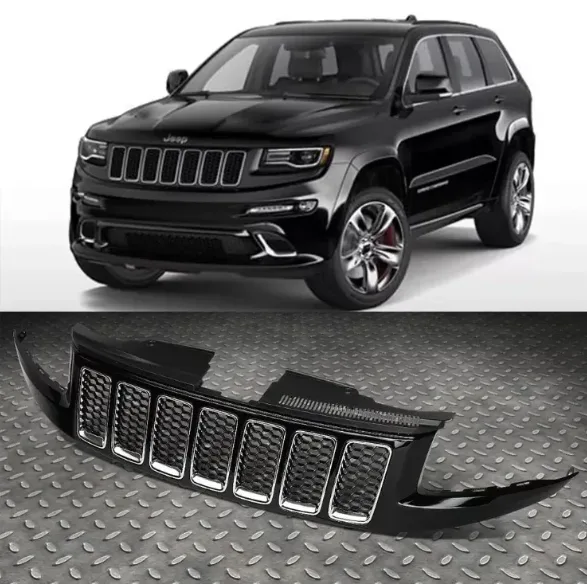
Image source: Bing (Web (fair-use with source credit))
49% off Today's Exclusive Deals
Limited-time Exclusive Deals. Check current discount on Amazon.
Check Price on Amazon As an Amazon Associate I earn from qualifying purchases.Early WK2: Solid Foundations (2011-2013)
The initial years of the WK2 generation laid a strong groundwork for what would become a very successful SUV. These models introduced a much more modern interior with better materials and a cleaner design than earlier Jeeps. They also offered a smoother, more car-like driving experience that appealed to a broader audience.
While they might lack some of the latest cutting-edge tech found in later models, they provided a solid package of comfort and capability. Aggregate reviews report that the Pentastar V6 engine, introduced around this time, offered a good blend of power and efficiency for its class.
Mid-Life Updates: Refined and Ready (2014-2016)
The WK2 generation received a significant refresh for the 2014 model year. This update brought a noticeably improved interior with higher-quality materials and a more user-friendly infotainment system. The exterior also saw some styling tweaks, giving it a more contemporary look.
Engine options remained strong, and overall refinement continued to be a hallmark of these years. Manufacturer specifications from this period highlight enhanced safety features and improved aerodynamic efficiency, contributing to a more composed and quiet ride.
Late-Stage Polish: The Most Developed (2017-2021)
As the WK2 generation neared its end, Jeep continued to fine-tune the Grand Cherokee. The 2017 model year, in particular, is often cited as a strong performer, incorporating the latest available technology and safety systems for that platform. These later models generally benefit from the manufacturer's experience with the platform, meaning many early kinks had been worked out.
You'll find more advanced driver-assistance systems and more refined versions of the infotainment software in these later years, offering a more premium and feature-rich ownership experience.
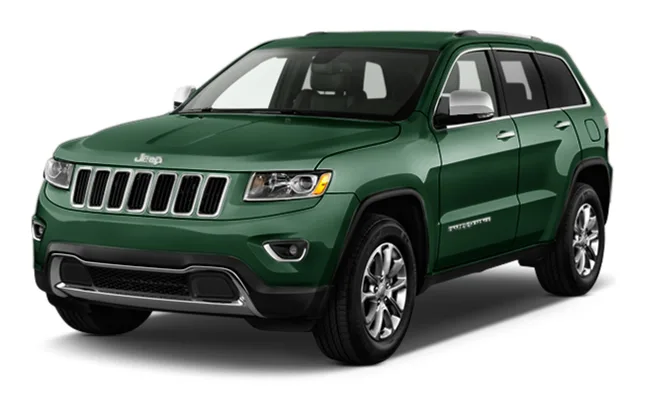
Image source: Bing (Web (fair-use with source credit))
Beyond the WK2: What About Older Grand Cherokees?
While the WK2 generation often steals the spotlight, older Grand Cherokees have their own dedicated followings and unique appeals. If your budget is tighter or you prefer a more classic automotive experience, looking at earlier generations can be a rewarding path. However, it's crucial to understand their specific characteristics and potential drawbacks.
These models often require more diligence in terms of maintenance and may have fewer modern conveniences, but they can offer a more analog and straightforward ownership experience for the right buyer.
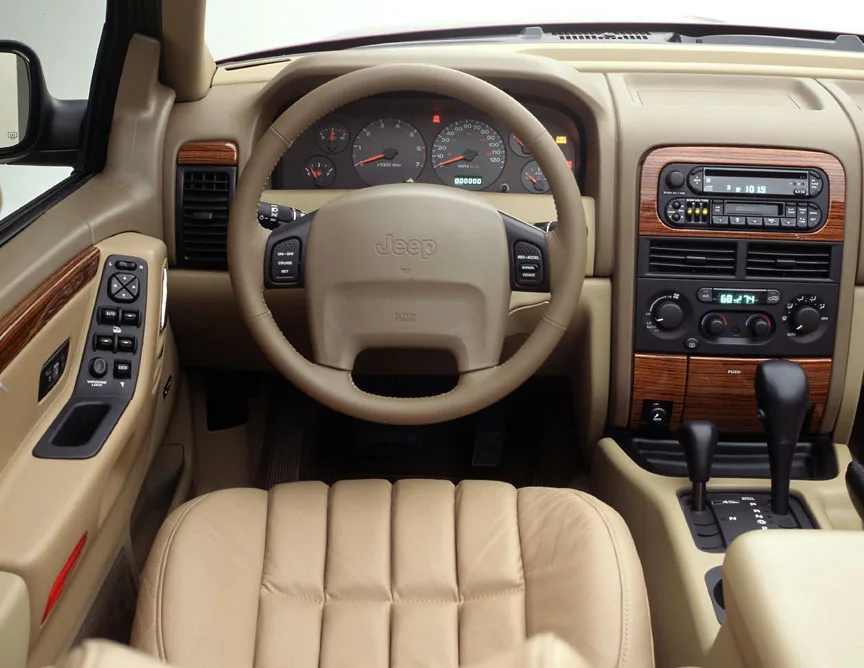
Image source: Bing (Web (fair-use with source credit))
The Beloved WJ: Classic Charm and Simplicity (1999-2004)
The WJ generation is a favorite for many who appreciate a more traditional Jeep aesthetic and robust mechanicals. These models offered a good balance of on-road comfort and respectable off-road capability for their time. The inline-six and V8 engine options provided ample power, and the overall design felt more muscular than its predecessor.
However, being older vehicles, their electronics and interior amenities are naturally dated compared to newer SUVs. Our research indicates that certain years, particularly the later WJ models, tended to be more reliable than the very first ones produced.
The WK: Performance and Boldness (2005-2010)
The WK generation brought a more aggressive, squared-off design to the Grand Cherokee lineup, signaling a departure from the softer lines of the WJ. This era is also notable for the introduction of the potent 5.7L HEMI V8 engine in certain trims, offering exhilarating performance that was rare in the segment. While these vehicles offer exciting power, they also come with the trade-offs of lower fuel economy and potentially higher maintenance costs associated with performance engines.
Per industry reviews from that period, the WK's interior also saw a significant upgrade in terms of perceived quality and design.
Key Considerations When Buying Any Grand Cherokee Year
Regardless of which generation or specific model year you’re leaning towards, there are several universal factors to consider when purchasing a Jeep Grand Cherokee. These aren't just about finding the "best" year, but about making a smart investment in a used vehicle. Our editorial analysis of countless owner reviews suggests that diligence here can save you significant headaches and money down the road.
It’s about looking beyond just the model year and understanding the vehicle's history and inherent characteristics.
Maintenance History: Your Most Important Check
The single most crucial factor in the long-term health of any Jeep Grand Cherokee is its maintenance history. A well-maintained vehicle, even from a year that might have had some common issues, will almost always outperform a neglected one from a supposedly "peak" year. Look for detailed service records that show regular oil changes, fluid flushes, and timely attention to any reported problems.
According to the National Highway Traffic Safety Administration (NHTSA), consistent adherence to manufacturer-recommended service schedules is vital for vehicle longevity and safety.
Engine Choices and Their Impact
Jeep Grand Cherokees have been offered with a variety of engine options over the years, and your choice significantly impacts performance, fuel economy, and potential maintenance costs. The Pentastar V6, common in WK2 models, is generally considered a good balance of power and efficiency for everyday driving and moderate towing. For those seeking serious grunt, the HEMI V8 options provide thrilling acceleration and higher towing capacities but at the cost of lower MPG.
When researching, pay close attention to the specific engine fitted to the model year you're considering, as they all have different strengths and weaknesses.
Trim Levels: More Than Just Fancy Badges
Grand Cherokees are known for offering a wide range of trim levels, from the more basic Laredo to the luxurious Summit and the performance-oriented SRT. These trims aren't just about cosmetic differences; they often dictate the standard features, interior materials, and even some mechanical components. For example, higher trims typically include premium audio systems, advanced safety features, and more sophisticated suspension setups.
Understanding these differences is key to managing your expectations and ensuring the Grand Cherokee you choose meets your comfort and technology needs. If you're looking at alternatives, you might find similar feature disparities in models like the Toyota RAV4 trim levels.
Common Grand Cherokee Issues and How to Spot Them
When you're looking at a used Jeep Grand Cherokee, knowing the common issues that can pop up for different model years is crucial. These aren't necessarily deal-breakers, but being aware helps you inspect thoroughly and negotiate wisely. Our research suggests that while the Grand Cherokee is a capable SUV, like any vehicle, certain components can be prone to wear or failure depending on the year and how it's been driven.
Being informed about these potential pain points can save you from unexpected repair bills.
Potential Problems by Generation
Different generations and even specific model years within those generations have their own known quirks. For example, earlier models, like some of the WJ generation, might see more reports of transmission issues or electrical component failures as they age. The WK2 generation, while generally more reliable, has seen reports of issues with its electronic parking brake system or potential problems with the complex infotainment systems.
Manufacturer service bulletins, which aggregate repair data, often highlight these recurring concerns.
Pre-Purchase Inspection Checklist
A thorough pre-purchase inspection (PPI) is non-negotiable when buying any used Grand Cherokee. This isn't just a quick once-over; it's a detailed examination.
- Powertrain: Listen for any unusual noises from the engine or transmission. Check for leaks under the vehicle.
- Electronics: Test every button, switch, and screen. This includes the infotainment system, climate control, power windows, and any advanced driver aids.
- Suspension and Brakes: Feel for any pulling, grinding, or sponginess when driving. Check for uneven tire wear.
- Body and Frame: Look for rust, especially on the frame rails and rocker panels. Inspect for signs of past accident repair.
If you're not mechanically inclined, having a trusted independent mechanic perform this inspection is highly recommended. They can spot issues that a casual observer might miss, potentially saving you from costly repairs down the road. This due diligence is essential, especially when considering vehicles with higher mileage.
Why is the Range Rover Considered a Top Luxury SUV?: Guide
The Jeep Grand Cherokee often competes in a segment where luxury and capability are paramount. While it excels in many areas, understanding its positioning relative to other premium SUVs can shed light on its strengths and weaknesses. Some vehicles in this class are renowned for their opulent interiors and advanced features, setting a high bar for comfort and refinement.
These high-end options often come with a premium price tag, both for the initial purchase and ongoing ownership costs, including insurance rates that can be significantly higher.
Many luxury SUVs, like the Range Rover, are lauded for their brand prestige and extensive customization options. They often feature cutting-edge technology that trickles down from parent companies or is developed in-house. This focus on luxury means that even standard features on a high-end model might be optional extras on a Grand Cherokee, impacting the overall value proposition depending on your priorities.
When comparing, it’s helpful to look at vehicles such as the Range Rover Sport Vs Standard Range Rover: Which Is Better to see how different tiers within a luxury brand compare.
Who is a Grand Cherokee Best For?
A Jeep Grand Cherokee is best suited for individuals or families who need a versatile SUV that can handle both daily commutes and more adventurous weekend outings. If you appreciate a comfortable ride for long drives, a bit of off-road prowess for exploring trails, and the practicality of ample cargo space, the Grand Cherokee fits the bill. It strikes a balance between the rugged capability Jeep is known for and the on-road refinement expected of a premium SUV.
It's also a solid choice for those who tow moderately, as most models offer respectable towing capacities. However, if your priority is maximum fuel efficiency, extreme off-roading, or a strictly city-focused daily driver with minimal maintenance concerns, other vehicles might be a better fit. For instance, if you're comparing it to more compact options, you might consider how it stacks up against something like the Honda CR-V Trim Levels: Differences Explained in terms of overall size and intended use.
If you're looking for a direct comparison within the luxury segment, understanding Why Is The Range Rover Considered A Top Luxury SUV?: Guide helps frame the Grand Cherokee's market position.
Frequently Asked Questions About Grand Cherokee Years
### What is the most reliable year for a Jeep Grand Cherokee?
Our research indicates that the later years of the WK2 generation, specifically from 2017 to 2021, tend to show higher reliability ratings based on owner feedback and repair data.
### Are older Grand Cherokees worth buying?
Older Grand Cherokees, particularly the WJ generation (1999-2004), can be worth buying if you find one in good condition with solid maintenance records and prioritize classic styling and simpler mechanics. However, be prepared for potentially higher maintenance needs.
### What are common transmission issues in Jeep Grand Cherokees?
Transmission issues can vary by generation. Some WJ models have reported problems, while certain later WK2 transmissions might encounter electronic control module failures. Always check service history for transmission servicing.
### How does the Grand Cherokee compare to other SUVs?
The Grand Cherokee typically offers a better blend of on-road comfort and off-road capability than many competitors. It often provides more standard features and a more upscale interior than base models of some other mid-size SUVs, though it might not match the ultimate luxury of high-end rivals.
### Are Jeep Grand Cherokees expensive to maintain?
Maintenance costs can be moderate to high, especially for models with V8 engines or advanced electronic systems. Regular adherence to the service schedule, as recommended by the manufacturer, is crucial to managing these costs and ensuring longevity.