So, you're asking, "Why is my Jeep Grand Cherokee battery draining?" It's a common headache, and usually, there's a logical reason behind it. That sinking feeling when you turn the key and nothing happens, or the battery warning light pops on, is never fun.
The good news is, most of the time, it's not some unsolvable electrical gremlin. It’s usually down to a few key issues that we can work through step-by-step, much like following a diagnostic checklist.

49% off Today's Exclusive Deals
Limited-time Exclusive Deals. Check current discount on Amazon.
Check Price on Amazon As an Amazon Associate I earn from qualifying purchases.Why Is My Jeep Grand Cherokee Battery Draining?
Your Jeep Grand Cherokee battery is draining because either the battery itself has failed or is no longer able to hold a charge, or a component in the vehicle is drawing too much power when it shouldn't be. Identifying which of these is happening is key to fixing it.
Is Your Jeep's Battery Dying Too Soon?
Batteries don't last forever. Like any component with a finite lifespan, they eventually give out. If your Jeep Grand Cherokee's battery is on the older side, it might just be tired.
Manufacturer specifications often indicate a typical service life of 3-5 years for most automotive batteries, but factors like extreme temperatures, frequent short trips, and how often the vehicle sits can shorten this considerably. If your battery is pushing that 3-5 year mark and you're experiencing drain issues, the battery itself is a prime suspect.
49% off Today's Exclusive Deals
Limited-time Exclusive Deals. Check current discount on Amazon.
Check Price on Amazon As an Amazon Associate I earn from qualifying purchases.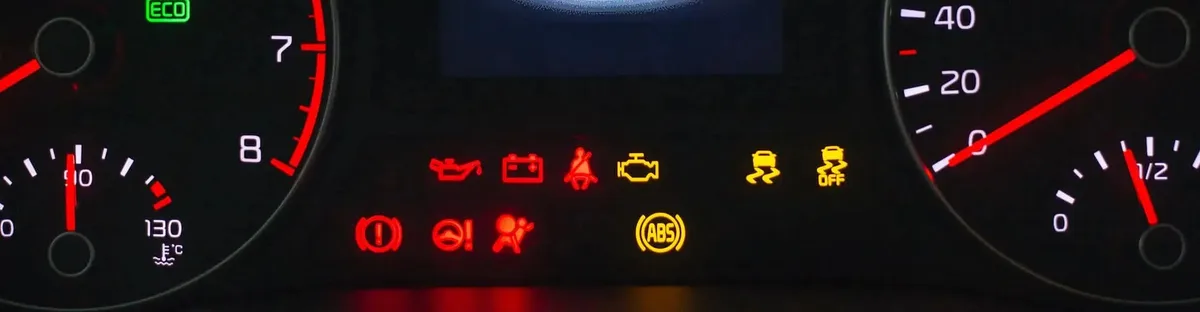
Common Culprits for Jeep Grand Cherokee Battery Drain
When your battery is draining, it's usually because of one of two main scenarios: the battery itself is faulty, or something is silently siphoning off its power when the Jeep is turned off. We call that a parasitic draw. Understanding these two broad categories is your first step to figuring out what's going on.
The Battery Itself: Age and Condition
Batteries are essentially giant capacitors that store electrical energy. Over time, the chemical reactions inside them degrade, reducing their ability to hold a charge. A battery that's several years old might not be able to supply the necessary cranking amps to start your engine, or it might drain down quickly even when nothing seems to be drawing power.
- Age: If your battery is over 3-5 years old, its capacity will naturally have diminished.
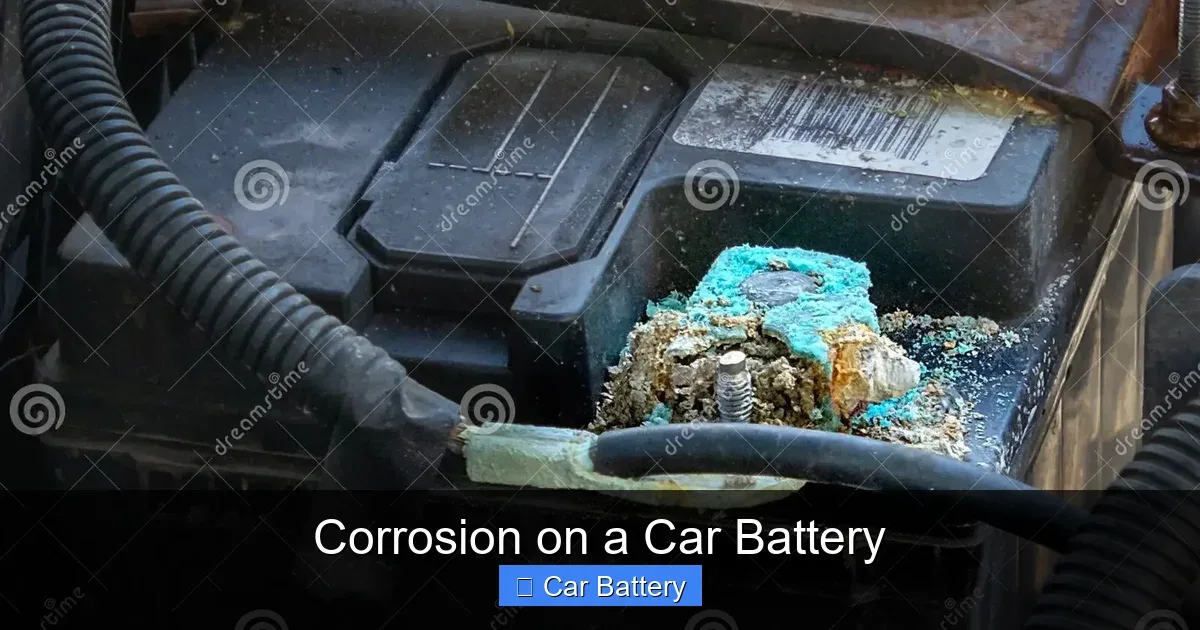
- Corrosion: White or bluish powdery buildup on the battery terminals and cables is a sign of corrosion. This can impede electrical flow, preventing the battery from charging properly and leading to poor performance.
- Physical Damage: Cracks in the battery casing or signs of swelling can indicate internal damage or overcharging, both of which will lead to failure.
49% off Today's Exclusive Deals
Limited-time Exclusive Deals. Check current discount on Amazon.
Check Price on Amazon As an Amazon Associate I earn from qualifying purchases.Parasitic Draws: What's Stealing Your Power?
This is where things get a bit more technical, but it's a super common cause of battery drain. A parasitic draw is when a component or system in your Jeep continues to consume battery power even after the ignition is turned off and the vehicle is supposedly "asleep." While all cars have a small, normal parasitic draw to keep certain systems ready (like the clock or alarm memory), a faulty component can cause this draw to become excessive, draining the battery overnight or even faster.
- Normal Draw: Manufacturer specifications confirm that typical parasitic draw on modern vehicles should be less than 50 milliamperes (mA).
How to Start Troubleshooting a Draining Battery
Before you panic or rush to buy a new battery, there are some basic checks you can do yourself. These steps help narrow down whether the issue is the battery itself or a parasitic draw.
Step 1: Initial Checks (Lights, Listening)
After parking your Jeep and turning it off, wait at least 15 to 30 minutes. This crucial waiting period allows the vehicle's various electronic modules to go into their low-power "sleep" mode.
- Check all interior lights: Make sure the dome light, glove box light, and cargo area light are all fully off. Sometimes a sticky switch can keep a light dimly illuminated.
- Listen for unusual sounds: With the engine off and doors closed, listen carefully for any faint humming, clicking, or buzzing noises coming from the dashboard, console, or fuse box area. This could indicate a component that hasn't powered down properly.
Step 2: Battery Health Test
Your battery is the heart of your Jeep's electrical system, and its health is paramount. If it's failing, it won't hold a charge, even if everything else is working perfectly.
- Visual Inspection: Look for obvious signs of damage or corrosion on the battery terminals and case.
- Voltage Check: A fully charged and healthy battery should read around 12.6 volts when the engine is off. If you have a multimeter and the reading is significantly lower, or drops quickly after a short period, the battery itself is likely the problem. You can also have most auto parts stores test your battery for free.
Step 3: Identifying a Parasitic Draw (Fuse Pulling)
This is the more technical part of troubleshooting. A parasitic draw means something is still using power when your Jeep is off. To find it, you’ll usually pull fuses one by one.
You’ll need a multimeter for this.
First, disconnect the negative battery terminal. Then, connect your multimeter set to measure amperage (like 10A or 20A setting) between the negative terminal and the cable you just disconnected. You should see a reading, typically less than 50mA, indicating the normal sleep current.
If it's much higher, start pulling fuses from the fuse box, usually located under the dashboard or in the engine bay.
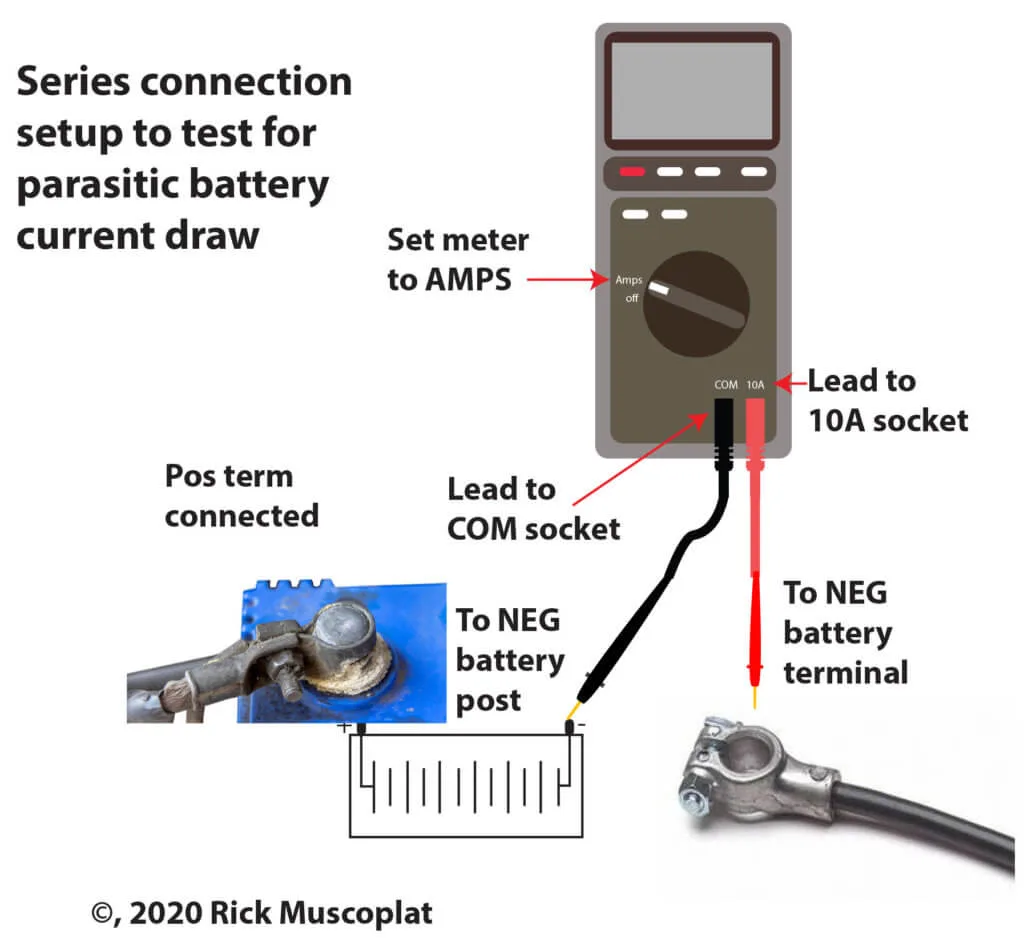
Each time you pull a fuse, watch the multimeter reading. If the amperage drops significantly (down to that normal <50mA range), the circuit protected by that fuse is the culprit. You then need to investigate which component on that specific circuit is causing the excessive draw.
This could be anything from a power seat module to a radio component.
Why Is the Right Fluid Level So Important?
Making sure your Jeep's various fluid levels are correct is crucial for its overall health and longevity. For instance, having the right type of coolant in the system, as specified by https://www.nhtsa.gov/, prevents overheating in the summer and freezing in the winter. Similar to how a car battery needs proper voltage, engines need correct lubrication and cooling.
When to Call in the Pros
If you’re not comfortable using a multimeter, can’t identify the faulty circuit, or suspect a more complex issue like a failing alternator or a problematic onboard computer module, it's definitely time to seek professional help. Auto repair shops have specialized diagnostic tools that can communicate directly with your Jeep's electronic control units (ECUs). They can test individual components and circuits without you having to guess, saving you time and potential further damage.
Sometimes, a problem might be intermittent, meaning it doesn't happen all the time. Mechanics can use data logging tools to monitor the electrical system over a period, catching those tricky, hard-to-find drains. Trusting a certified technician means getting the job done right the first time, especially when dealing with modern vehicle electronics.
Frequently Asked Questions About Jeep Battery Drain
How long does it take for a Jeep Grand Cherokee battery to drain?
It varies greatly. A completely dead battery might drain within hours if something major is drawing power, like a light left on. A minor parasitic draw might take days or even weeks to drain a healthy battery to the point where it won't start.
Can a faulty alternator cause battery drain?
Yes, while the alternator's primary job is to charge the battery while the engine runs, a failing alternator can sometimes cause electrical issues that contribute to battery drain or prevent proper charging. It’s less common than a parasitic draw but still a possibility.
What if I replaced the battery and it's still draining?
If you've put in a new battery and it's still draining, the problem is almost certainly a parasitic draw or a charging system issue, not the battery itself. This means a component is drawing too much power when it shouldn't be, or the alternator isn't keeping the battery sufficiently charged.
Can driving habits affect battery drain?
Frequent short trips where the engine doesn't run long enough to fully recharge the battery can lead to premature drain and premature battery failure. Batteries also tend to degrade faster in very hot or very cold climates.