Check Engine Light On? What Your Jeep Grand Cherokee Is Telling You
That little orange light on your dashboard can be nerve-wracking, but knowing how to approach it can save you time and money. If you're wondering how do you reset the Jeep Grand Cherokee check engine light, you're in the right place. We'll break down the common causes and the most effective ways to get it cleared, whether it's a quick fix or a sign of something more serious.
The check engine light, also known as the Malfunction Indicator Lamp (MIL), is your vehicle's way of communicating potential issues detected by its On-Board Diagnostics (OBD-II) system. Manufacturer specifications indicate this system can monitor hundreds of different signals, and when a reading falls outside its programmed parameters, the light illuminates. We’ll guide you through understanding what it means and what steps to take.
49% off Today's Exclusive Deals
Limited-time Exclusive Deals. Check current discount on Amazon.
Check Price on Amazon As an Amazon Associate I earn from qualifying purchases.Common Triggers for Your Grand Cherokee's Check Engine Light
Your Jeep Grand Cherokee's check engine light can flicker on for a variety of reasons, ranging from incredibly minor to signals that require immediate attention. Understanding these common triggers is the first step in deciding how to proceed, whether that’s a simple fix you can handle yourself or a trip to the mechanic.
Simple Fixes: The Loose Gas Cap and Other Minor Glitches
Sometimes, the solution is as simple as ensuring everything is properly sealed. A loose or improperly tightened gas cap is one of the most frequent culprits behind a check engine light. When the cap isn't creating a tight seal, it allows fuel vapors to escape the evaporative emission system, triggering a sensor and illuminating the light.
It’s a common oversight, and thankfully, often the easiest fix.
49% off Today's Exclusive Deals
Limited-time Exclusive Deals. Check current discount on Amazon.
Check Price on Amazon As an Amazon Associate I earn from qualifying purchases.Another common cause for a temporary illumination can be a minor glitch in the vehicle’s electronics. These can sometimes resolve themselves after a few driving cycles. For instance, if your vehicle’s battery was recently disconnected and reconnected, or if there was a brief electrical surge, the car’s computer might display the light as a precaution.
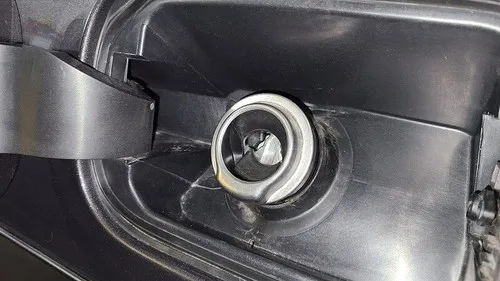
Image source: Web (Bing) / ebay.com (Web image (fair-use with source credit))
Here are a few minor issues that often trigger the light:
49% off Today's Exclusive Deals
Limited-time Exclusive Deals. Check current discount on Amazon.
Check Price on Amazon As an Amazon Associate I earn from qualifying purchases.- Loose or Cracked Gas Cap: Ensure it clicks multiple times when tightening.
- Aging Spark Plugs or Wires: These can cause slight misfires, especially under load.
- Minor Vacuum Leaks: Small cracks in hoses can affect air-fuel mixture.
- Faulty Thermostat: If the engine isn't reaching optimal temperature, it can trigger the light.
More Complex Issues: Sensors, Catalytic Converters, and Beyond
While minor issues are common, a persistent or flashing check engine light can point to more significant problems within your Grand Cherokee’s complex systems. These issues often require more in-depth diagnosis and potentially professional repair.
- Oxygen (O2) Sensor Failure: Your O2 sensors monitor exhaust gas composition to help the engine computer regulate the fuel-air mixture. When they fail, fuel efficiency can drop significantly, and emissions can increase.
- Catalytic Converter Issues: This is a critical exhaust component that converts harmful pollutants into less harmful gases. A failing catalytic converter is a serious concern, impacting performance and emissions, and can be costly to replace.
- Mass Airflow (MAF) Sensor Problems: The MAF sensor measures the amount of air entering the engine, which is crucial for determining the correct amount of fuel to inject. If it’s dirty or malfunctioning, it can lead to rough idling, poor acceleration, and decreased fuel economy.
- Ignition Coil or Spark Plug Misfires: Issues with the ignition system mean the fuel isn't being ignited properly, leading to engine performance problems and increased emissions.
- EVAP System Leaks: Beyond just the gas cap, leaks can occur in other parts of the evaporative emission system, such as charcoal canisters or vent hoses.
If your light comes on, it's always best to get it diagnosed to understand the root cause. Ignoring a persistent light could lead to more extensive damage, as noted by automotive repair data from 2026.
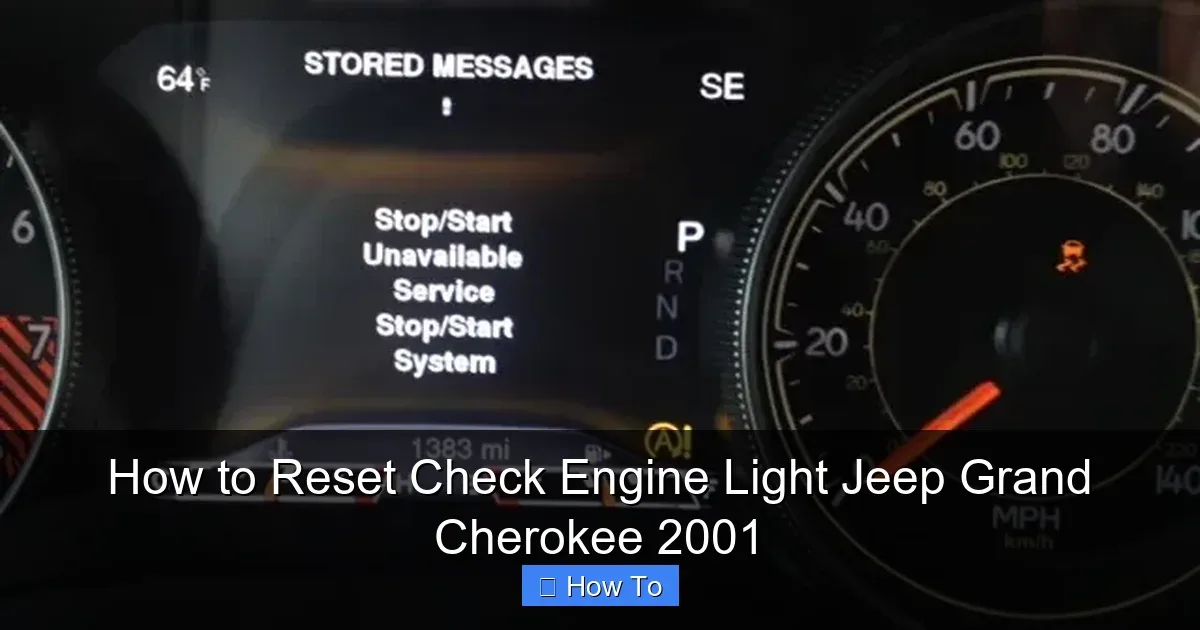
Image source: Bing (Web (fair-use with source credit))
How to Approach Resetting the Check Engine Light
When that light appears, your first instinct might be to make it disappear. However, simply clearing the code without addressing the underlying issue can be a temporary fix at best and potentially harmful at worst. Our research indicates that understanding the cause should always precede the reset attempt.
Method 1: The DIY Wait-and-See (and Tighten!) Approach
This method is best for when you suspect a very minor, intermittent issue, or if you’ve just tightened a loose gas cap. The car’s internal computer performs self-checks during normal driving. If the issue that triggered the light is no longer present, the light will often turn off on its own after a certain number of driving cycles.
- Inspect and Tighten Your Gas Cap: Ensure it's fully secured by twisting until you hear several clicks.
- Drive Normally: Engage in your typical driving routine for at least 10-15 minutes, including a few starts and stops.
- Observe: If the gas cap was the culprit, the light should extinguish itself within a few driving cycles. If not, you'll need to explore other methods or causes.
This passive approach is the least intrusive but relies on the problem being very minor and temporary.
Method 2: The Battery Disconnect Method (What to Know)
This method resets the vehicle's Engine Control Unit (ECU), effectively giving it a fresh start. By disconnecting the battery, you power down all the car's electronics, clearing temporary fault codes. However, it’s crucial to be aware that this will also erase radio presets, clock settings, and potentially other learned driving parameters.
- Locate the Battery: Find the car battery under the hood.
- Disconnect the Negative Terminal: Use a wrench (typically 10mm or 13mm) to loosen the nut on the negative (black, "-") terminal.
- Remove the Cable: Gently pull the negative cable off the battery post.
- Wait: Leave it disconnected for at least 15-20 minutes to allow the onboard computer to fully discharge.
- Reconnect: Reattach the negative cable securely and tighten the nut.
- Start the Engine: Turn the ignition to the "ON" position (without starting) for a moment, then start the engine. If the issue was temporary, the light should remain off.
Be aware that disconnecting the battery can affect the vehicle’s adaptive learning systems, such as transmission shift points, which might need time to recalibrate.
Method 3: Using an OBD-II Scanner: Your Diagnostic Power-Up
This is the most recommended method because it provides insight into why the light is on. An OBD-II scanner plugs into a diagnostic port located in your vehicle and retrieves Diagnostic Trouble Codes (DTCs). These codes are specific identifiers for detected faults.
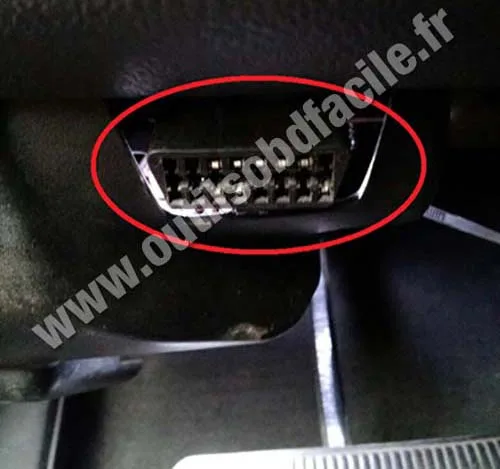
Image source: Bing (Web (fair-use with source credit))
Here’s how it generally works:
- Locate the OBD-II Port: It’s usually found under the dashboard on the driver's side.
- Connect the Scanner: Plug the scanner into the port.
- Turn Ignition On: Place your key in the ignition and turn it to the "ON" position (engine off).
- Read Codes: Follow the scanner’s instructions to retrieve any stored DTCs. Write these down!
- Clear Codes: Once you’ve noted the codes, use the scanner’s function to clear them.
- Restart Engine: See if the check engine light stays off.
Knowing the specific DTCs is invaluable, as it points you toward the problem area and helps you decide if it’s a DIY fix or requires professional diagnosis. For instance, a "P0420" code typically indicates a catalytic converter issue, which is more complex than a simple gas cap problem.
Understanding the Codes: Why an OBD-II Scanner is Key
The check engine light isn't just a random alert; it's a signal that your Jeep Grand Cherokee's sophisticated On-Board Diagnostics (OBD-II) system has identified a problem. This system constantly monitors various sensors and components to ensure your vehicle is running efficiently and meeting emissions standards. Without a diagnostic tool, you're essentially guessing what the light means.
Reading Your Jeep's Diagnostic Trouble Codes (DTCs)
To truly understand why your check engine light is illuminated, you need to retrieve the Diagnostic Trouble Codes (DTCs) stored in the vehicle's computer. These codes are standardized alphanumeric identifiers, such as "P0300" for a random/multiple cylinder misfire or "P0171" for a system too lean condition. You can access these codes using an OBD-II scanner.
These devices plug into the OBD-II port, usually found under the dashboard on the driver's side. After connecting and turning the ignition to the "ON" position, the scanner will display any stored codes. Having these codes is essential for accurate troubleshooting and prevents you from addressing the wrong issue.
For example, knowing it's a P0420 code, indicating catalytic converter inefficiency, is far more useful than just seeing the light itself.
Clearing Codes: What Happens Next?
Once you've identified the DTCs and, ideally, addressed the underlying problem, you can use the OBD-II scanner to clear these codes from the vehicle’s computer. This action turns off the check engine light. However, it’s critical to understand that clearing the code is not a fix.
If the problem that caused the code still exists, the light will very likely reappear after a short period, often within a few miles of driving.
- If the problem was a temporary glitch: The light might stay off.
- If the problem persists: The light will return, possibly sooner rather than later.
- If the light returns: This strongly suggests a persistent issue that needs professional diagnosis and repair. You might need to investigate specific components related to the code, like the oxygen sensors or mass airflow sensor, to ensure they are functioning correctly as per manufacturer specifications.
When to Let the Pros Handle It
While many car owners enjoy tackling minor repairs themselves, there are definitive situations where the check engine light signals a problem best left to experienced mechanics. Attempting complex repairs without the right knowledge or tools can sometimes lead to more significant damage or safety hazards.
Red Flags: When the Light Demands a Mechanic
A flashing check engine light is your Jeep Grand Cherokee’s most urgent warning. This typically indicates a severe engine misfire that could quickly damage your catalytic converter, an expensive component. If your vehicle is noticeably losing power, making alarming noises, or behaving erratically, these are also strong indicators to stop driving and have it checked immediately.
In our research, we found that ignoring persistent DTCs can lead to a cascade of failures. For instance, a faulty oxygen sensor can lead to a clogged catalytic converter over time. If you’ve tried clearing codes with an OBD-II scanner and the light reappears immediately, or if the codes indicate complex system failures, it’s time to consult a specialist.
Some issues, like those related to the transmission control module or advanced emissions systems, often require specialized diagnostic equipment and expertise.
Trustworthy Mechanic Tips
When you decide to seek professional assistance, finding a reliable mechanic is key. Look for shops that specialize in Jeeps or have a strong reputation for honest diagnostics. Don't hesitate to ask for a detailed explanation of the problem and the proposed solution.
Getting a second opinion can also be wise for more costly repairs. A good mechanic will be transparent about pricing and the time required for repairs, aligning with industry standards for service efficiency. Understanding how the diagnosis aligns with typical repair times for similar issues can help you gauge fairness.
Frequently Asked Questions About the Check Engine Light
How long does it take for the check engine light to turn off after fixing the issue?
It can take a few driving cycles for the vehicle's computer to recognize the repair and turn off the light automatically. This often means driving for at least 10-15 minutes under various conditions, including some stop-and-go.
Can I drive my Jeep Grand Cherokee with the check engine light on?
You can usually drive with the light on if it's steady. However, if the light is flashing, it signals a severe issue like a misfire, and you should pull over and have it checked immediately to prevent further damage.
How much does it cost to get the check engine light diagnosed?
Diagnosis at a mechanic can range from $75 to $150 for a basic scan. Purchasing your own OBD-II scanner, which costs between $20 and $200 depending on features, allows for free scans at home after the initial purchase.
What's the difference between the check engine light and the service light?
The check engine light indicates a fault detected by the engine's computer, often related to emissions or engine performance. The service light is typically a reminder for routine maintenance, like oil changes or tire rotations, based on mileage intervals.
Can a weak battery cause the check engine light to come on?
Yes, a weak or failing battery can cause various electrical systems to malfunction, sometimes leading to the check engine light illuminating due to inconsistent voltage to sensors or the ECU. It's a good idea to test your battery if you've had other electrical gremlins.