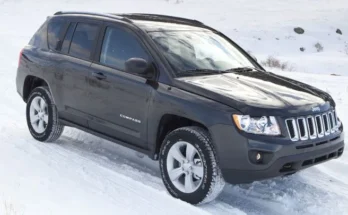
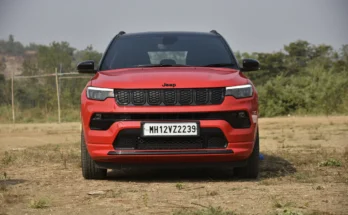
So, you're looking at a Jeep Grand Cherokee and wondering if its repair bills will drain your bank account. It's a smart question to ask, especially with SUVs known for their capability but also their potential for complex maintenance. Generally speaking, yes, the Jeep Grand Cherokee can be more expensive to repair than a standard compact car.
This is often due to its advanced features, specialized components, and powerful engine options that come with a higher price tag when they need attention.

49% off Today's Exclusive Deals
Limited-time Exclusive Deals. Check current discount on Amazon.
Check Price on Amazon As an Amazon Associate I earn from qualifying purchases.Our research indicates that while ownership costs can be higher, understanding the specific factors contributing to repair expenses is key. For instance, some aggregate reviews report average repair costs for a Grand Cherokee can range from $400 to $800 annually, with significant repairs easily costing thousands. As of 2026, these figures might fluctuate, but the underlying reasons for higher costs remain consistent.
Let's break down what you need to know before you own one.
Is the Jeep Grand Cherokee Expensive to Repair?
Yes, the Jeep Grand Cherokee can be more expensive to repair than many other vehicles. This is primarily due to its complex systems, specialized parts, and the inherent costs associated with maintaining a high-performance SUV. While not as costly as some luxury brands, it generally sits above economy car repair expenses.
49% off Today's Exclusive Deals
Limited-time Exclusive Deals. Check current discount on Amazon.
Check Price on Amazon As an Amazon Associate I earn from qualifying purchases.Why Repair Costs Matter for Grand Cherokees
Understanding the potential financial commitment for repairs is crucial before you buy or if you're a current owner. This isn't just about minor fixes; major components can set you back considerably. For example, significant engine work or transmission replacements can easily exceed $3,000.
Being prepared for these possibilities ensures you can budget effectively and avoid unexpected financial strain. It's about making an informed decision for long-term vehicle ownership.
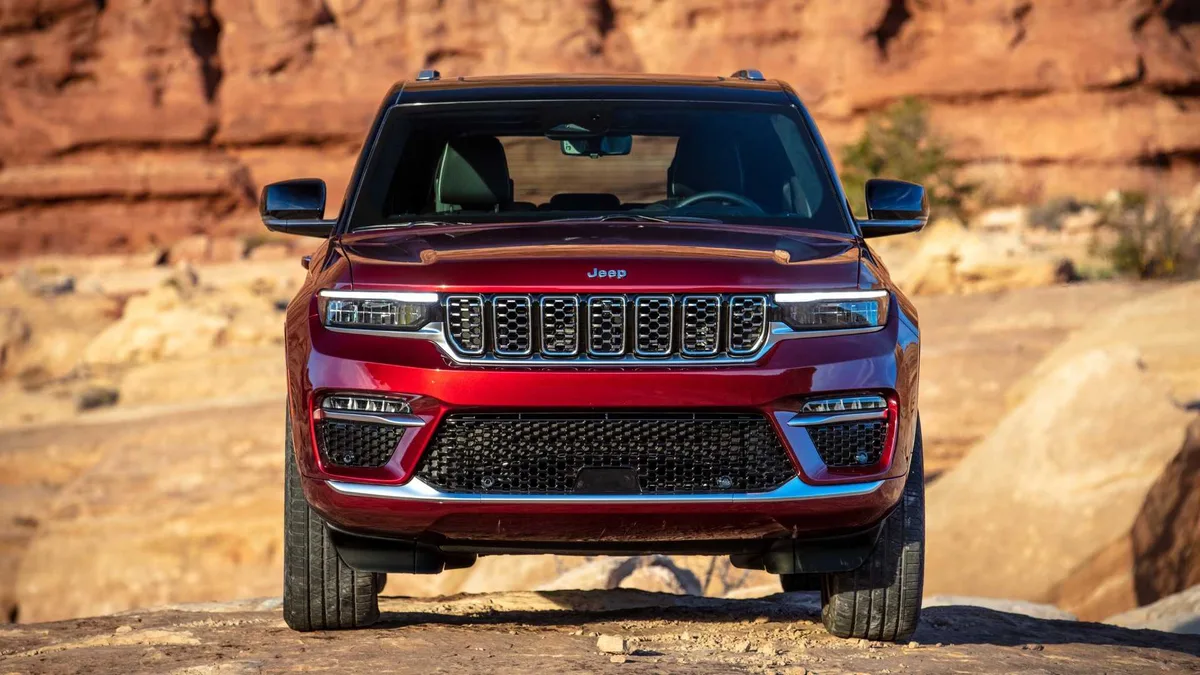
Image source: Bing (Web (fair-use with source credit))
49% off Today's Exclusive Deals
Limited-time Exclusive Deals. Check current discount on Amazon.
Check Price on Amazon As an Amazon Associate I earn from qualifying purchases.What Makes Jeep Grand Cherokee Repairs Costly?
Several factors contribute to the higher repair bills you might encounter with a Jeep Grand Cherokee compared to simpler vehicles. It's a combination of the vehicle's design, the technology it packs, and the specialized nature of some of its components. Recognizing these elements helps set realistic expectations for maintenance and repair budgets.
Complexity and Specialized Parts
Jeep Grand Cherokees are built with robust systems designed for capability, which often means increased complexity. This includes advanced four-wheel-drive systems, sophisticated suspension setups, and powerful engines. These intricate designs require specialized knowledge and tools for repair, leading to higher labor costs.
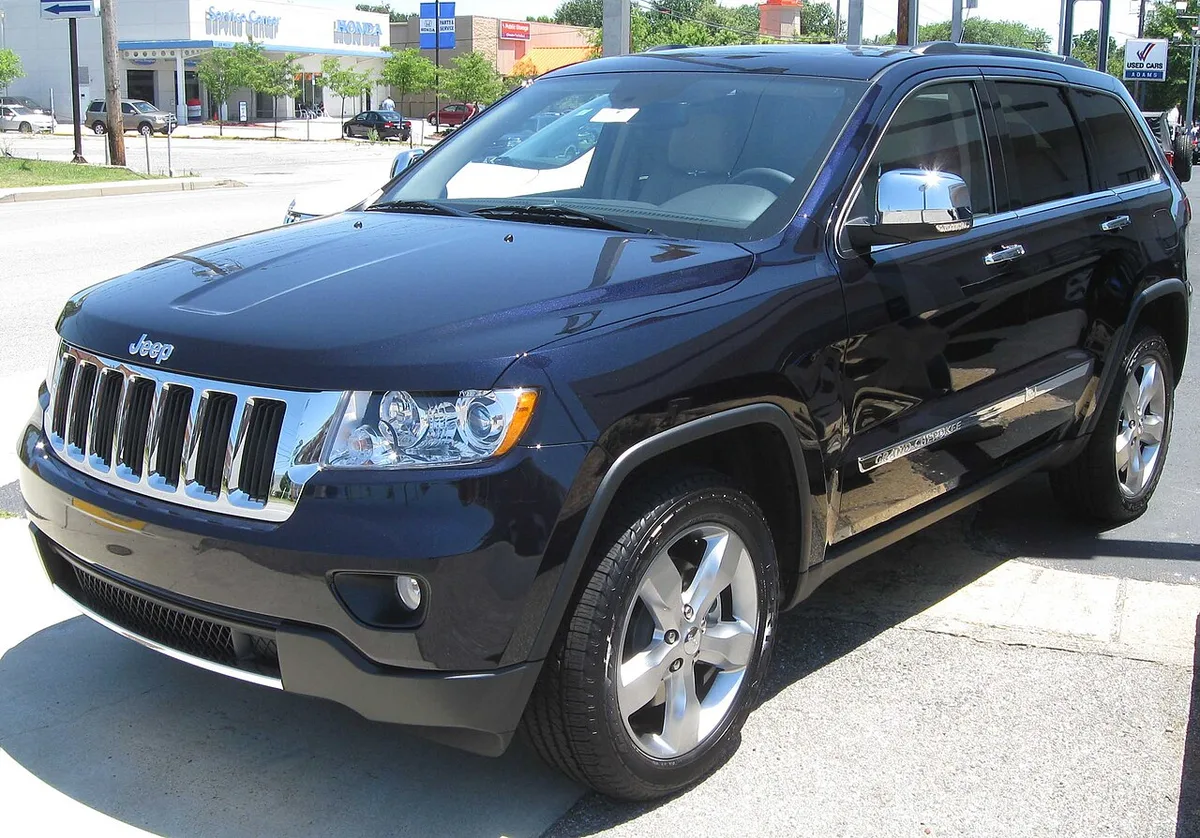
Image source: Wikimedia Commons / IFCAR
Furthermore, the parts themselves can be more expensive. Unlike common parts for mass-market sedans, some components unique to the Grand Cherokee might have a more limited supply chain, driving up their individual cost. For instance, sourcing a specific electronic control module or a heavy-duty suspension arm can be pricier than finding a standard brake pad for a compact car.
Engine and Drivetrain Factors
The range of powerful engines available in the Grand Cherokee, including V8 options, contributes significantly to potential repair costs. While offering impressive performance, these engines are inherently more complex than smaller, less powerful units. Maintenance schedules for these engines are often more rigorous, and when something does go wrong, repairs can involve a multitude of intricate parts.
Transmission repairs, a common concern for many vehicles, can be particularly costly for a Grand Cherokee. The robust transmissions designed to handle the vehicle's towing and off-road capabilities are sophisticated pieces of engineering. If a transmission requires a rebuild or replacement, it's not uncommon for this repair alone to approach or even surpass $4,000-$5,000, depending on the specific model year and market.
Electrical and Tech Components
Modern Grand Cherokees are packed with advanced technology, from infotainment systems and navigation to driver-assistance features and sophisticated climate controls. While these add to the driving experience, they also introduce more potential points of failure. Diagnosing and repairing electrical issues can be time-consuming and expensive, as it often requires specialized diagnostic equipment and a deep understanding of complex wiring harnesses and electronic modules.
A faulty sensor or a glitch in the body control module might seem minor, but tracking down the exact cause can lead to substantial labor charges.
Understanding Common Grand Cherokee Repair Issues
While any vehicle can develop problems, certain issues tend to appear more frequently in Jeep Grand Cherokees. Knowing about these potential pitfalls allows owners to be proactive with maintenance and to recognize warning signs early. Addressing these common concerns can help prevent minor issues from escalating into costly major repairs.
Transmission and Engine Troubles
Transmission issues are a recurring theme in discussions about Grand Cherokee repair costs. Problems can range from rough shifting and fluid leaks to complete transmission failure. These issues can stem from wear and tear, especially in older models or those used heavily for towing or off-roading.
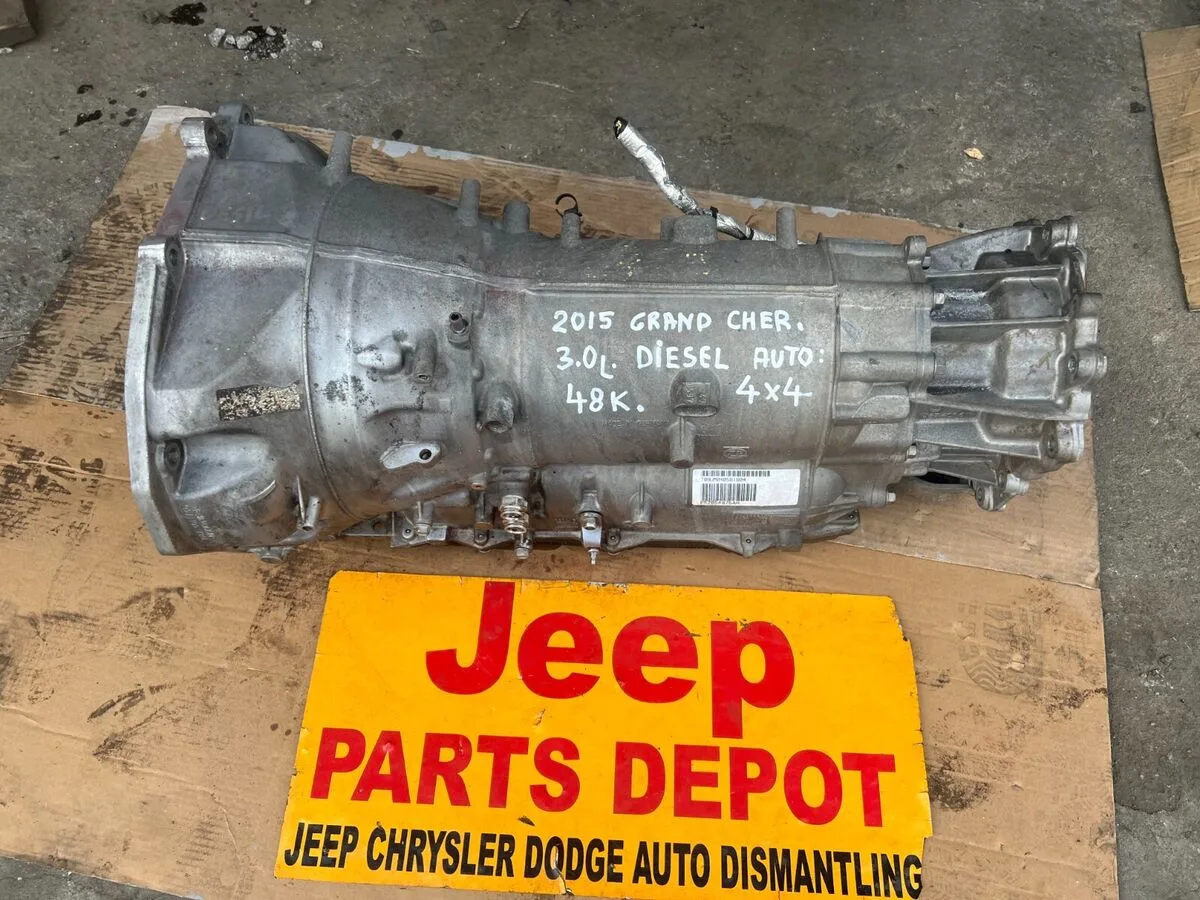
Image source: Web (Bing) / storage.googleapis.com (Web image (fair-use with source credit))
Similarly, engine problems, while less frequent than transmission concerns on average, can be significant. These might include issues with gaskets, cooling systems, or internal engine components. For example, a blown head gasket on a V8 engine can be a repair easily costing upwards of $2,000.
Early detection through regular fluid checks and monitoring the engine temperature gauge is vital.
Suspension and Drivetrain Wear
Given the Grand Cherokee's off-road prowess and general utility as an SUV, its suspension and drivetrain components are subject to considerable stress. Over time, parts like ball joints, control arms, shock absorbers, and differential components can wear out. If the vehicle is frequently driven on rough terrain or used for towing heavy loads, this wear can accelerate.
Replacement of these components, particularly complex drivetrain elements like transfer cases or differentials, can add thousands to your repair bill.
Electrical Gremlins
The advanced electronics in the Grand Cherokee, while convenient, can also be a source of frustration and expense. Issues can manifest in various ways, from malfunctioning power windows and infotainment glitches to problems with advanced safety systems like adaptive cruise control or parking sensors. Diagnosing these electrical faults often requires specialized scan tools and technicians with specific expertise.
The cost can escalate quickly as technicians work to pinpoint the source of the problem, which could be anything from a faulty sensor to a corroded connection or a failing computer module. For example, replacing a faulty ABS module can cost upwards of $500, including parts and labor.
Managing Jeep Grand Cherokee Repair Expenses
The prospect of expensive repairs doesn't have to be a deal-breaker, but it does mean you need a solid strategy for managing them. Being proactive with maintenance is the single most effective way to keep repair costs down. It’s about investing a little now to save a lot later.
The Crucial Role of Regular Maintenance
Following the manufacturer's recommended maintenance schedule is non-negotiable if you want to minimize repair expenses. This includes regular oil changes, fluid flushes (like transmission and coolant), filter replacements, and tire rotations. For instance, the Jeep Grand Cherokee's owner manual typically specifies oil changes every 5,000 to 7,500 miles, depending on driving conditions, and more comprehensive service intervals every 30,000 miles.
Neglecting these basic services can lead to premature wear on critical components like the engine and transmission, resulting in far more expensive repairs down the line. A well-maintained vehicle is generally more reliable and less likely to suffer catastrophic failures.
When to Consider an Independent Mechanic vs. Dealer
Taking your Grand Cherokee to a dealership for every service and repair can be convenient, but it's often the most expensive option. Dealerships have factory-trained technicians and access to OEM (Original Equipment Manufacturer) parts, which ensures high-quality service. However, their overhead costs are higher, and this is typically reflected in their labor rates and parts pricing.
For routine maintenance and many common repairs, an independent mechanic who specializes in Jeeps or SUVs can often provide comparable service at a lower cost. Look for shops with good reviews and technicians who are ASE-certified. They may also be able to source high-quality aftermarket parts that can save you money without compromising reliability.
For complex diagnostic issues or warranty work, a dealership might still be the best route, but for general upkeep, an independent shop can be a smart financial choice.
The Value of a Pre-Purchase Inspection (for used buyers)
If you're considering buying a used Jeep Grand Cherokee, a pre-purchase inspection (PPI) is an absolute must. This is a small investment that can save you thousands in the long run. Before you hand over any money, have a trusted independent mechanic thoroughly inspect the vehicle.
They'll check for any existing or potential issues, from engine and transmission health to suspension wear, electrical problems, and frame damage. A PPI can uncover problems that might not be apparent during a standard test drive, giving you leverage to negotiate the price or the knowledge to walk away from a vehicle that could become a money pit. This inspection is far more valuable than any cursory look you might give the car yourself.
Is a Grand Cherokee the Right Repair Budget for You?
Deciding if the Jeep Grand Cherokee fits your budget involves looking beyond the sticker price and considering the ongoing cost of ownership, especially concerning repairs. If you're someone who prefers predictable expenses and wants to avoid potentially large, unexpected repair bills, you might find the Grand Cherokee requires more financial buffer than other SUVs. Its robust construction and advanced features mean that when repairs are needed, they can be more substantial.
However, if you appreciate the capability, comfort, and style of the Grand Cherokee and are prepared for the associated maintenance, it can be a rewarding vehicle. This involves budgeting for more frequent or potentially costlier maintenance than a basic commuter car. For example, owners might need to budget an extra $500-$1000 annually for maintenance and potential minor repairs, above and beyond standard fluid changes.
Frequently Asked Questions About Grand Cherokee Repairs
How much does a typical repair cost for a Jeep Grand Cherokee?
Typical repairs can range from a few hundred dollars for minor issues, like replacing a sensor or a belt, to several thousand dollars for major components such as transmissions or engines. Our research suggests the average annual repair cost can be between $400 and $800, but this doesn't account for major, less frequent failures.
Are specific model years of the Grand Cherokee more expensive to repair?
Yes, certain model years have historically shown higher repair frequencies or more costly issues. Older models, particularly those from the early 2000s and some in the 2010-2015 range, are often cited in owner forums for needing more extensive repairs. Newer models, especially those under warranty, tend to have lower out-of-pocket repair costs.
What are the most common expensive repairs for a Grand Cherokee?
The most common expensive repairs typically involve the transmission, engine, and complex electrical systems. Replacing a transmission can easily cost $3,000 to $5,000, while significant engine work might range from $2,500 to $6,000 or more. Electrical diagnostics and repairs for integrated systems can also become costly due to the complexity involved.