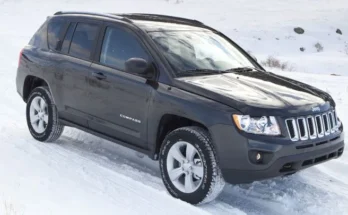
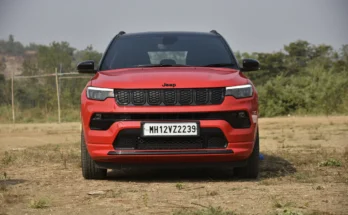
Deciding if the Jeep Compass fits your daily driving needs is a common question for many shoppers. You're likely weighing practicality, comfort, and cost against the Jeep brand's signature styling and capability. It's about finding a vehicle that handles your daily commute and errands without feeling like a compromise.
Manufacturer specifications indicate that the 2026 Jeep Compass achieves an EPA-estimated 24 MPG city and 30 MPG highway. While this is respectable for a compact SUV, real-world fuel economy can vary based on driving habits and conditions. Let's break down what that really means for your day-to-day.
49% off Today's Exclusive Deals
Limited-time Exclusive Deals. Check current discount on Amazon.
Check Price on Amazon As an Amazon Associate I earn from qualifying purchases.Jeep Compass: Quick Take for Commuting
Is the Jeep Compass good for daily driving? Yes, for many drivers, the Jeep Compass offers a solid balance of features and usability for everyday life. It provides a higher driving position than a typical car, which many people prefer for better visibility, and its compact size makes it relatively easy to maneuver through city traffic and park.
You'll find it's generally comfortable on smoother roads, and the available all-wheel-drive system adds a layer of confidence in less-than-ideal weather.
However, "good" is subjective and depends on what you prioritize. If you're looking for a no-frills, ultra-fuel-efficient commuter, other options might edge it out. But if you want a bit of style, a touch of rugged capability, and a comfortable cabin for your daily grind, the Compass is definitely worth a close look.
49% off Today's Exclusive Deals
Limited-time Exclusive Deals. Check current discount on Amazon.
Check Price on Amazon As an Amazon Associate I earn from qualifying purchases.Key Features for Daily Driving: What to Expect
When you're thinking about a vehicle for daily driving, several key features really matter. These aren't just specs on paper; they translate directly into how the car feels and performs during your everyday routines, from your morning commute to weekend errands. The Jeep Compass packs a few things that are particularly relevant for this kind of use.
Engine and Drivetrain Performance
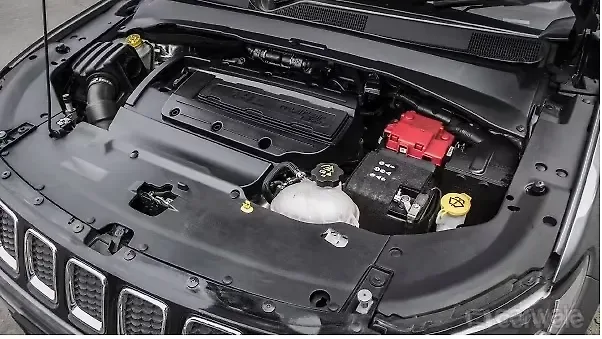
Most Jeep Compass models come equipped with a turbocharged 2.0-liter four-cylinder engine. This powertrain typically produces around 200 horsepower, which is adequate for most daily driving scenarios. Acceleration is generally fine for merging onto highways or passing slower vehicles, though it’s not a sports car.
The engine pairs with an 8-speed automatic transmission.
49% off Today's Exclusive Deals
Limited-time Exclusive Deals. Check current discount on Amazon.
Check Price on Amazon As an Amazon Associate I earn from qualifying purchases.Image source: Bing (Web (fair-use with source credit))
You’ll have a choice between front-wheel drive (FWD) and Jeep's Active Drive full-time 4×4 system. For daily driving in areas with clear weather most of the year, FWD is perfectly adequate and generally more fuel-efficient. However, if you frequently encounter rain, snow, or icy roads, the AWD system offers enhanced traction and stability.
Manufacturer specifications confirm the AWD system can automatically engage when it detects wheel slip, providing extra grip when you need it most. This makes it a more versatile option for those who might face challenging road conditions.
Fuel Economy Realities
Fuel economy is a big deal for daily drivers, as it directly impacts your budget. The 2026 Jeep Compass, with its 2.0-liter engine and 8-speed automatic, has an EPA-estimated fuel economy of around 24 MPG in the city and 30 MPG on the highway for FWD models. AWD versions typically see a slight decrease, averaging about 22 MPG city and 29 MPG highway.
These figures place the Compass competitively within the compact SUV segment, but it’s not the segment leader. For example, some smaller sedans or hybrid crossovers can achieve significantly higher MPG. What this means in practice is that for city-heavy commutes, you might be stopping at the gas station more often than you would in a more fuel-sipping vehicle.
For highway cruising, the numbers are more favorable. If maximizing MPG is your absolute top priority, you might want to compare these figures against other vehicles in the class, like the Honda CR-V, which often boasts slightly better fuel efficiency across the board.
Ride Comfort and Handling in Town
When it comes to daily driving, comfort is key, especially if your commute involves a lot of stop-and-go traffic or uneven pavement. The Jeep Compass generally offers a comfortable ride for its class. The suspension is tuned to absorb most road imperfections, preventing harsh jolts from reaching the cabin.
This makes it pleasant for shorter trips and errands around town.
However, aggregate reviews often note that on rougher surfaces or poorly maintained roads, the ride can become a bit less composed than some rivals. You might feel more road texture making its way into the cabin. Steering is typically responsive enough for urban maneuvering, and the vehicle’s relatively compact dimensions contribute to easy handling.
Parking in tight spots is generally not a major challenge, and the elevated driving position gives you a good view of your surroundings, which is a plus for drivers who appreciate that vantage point.
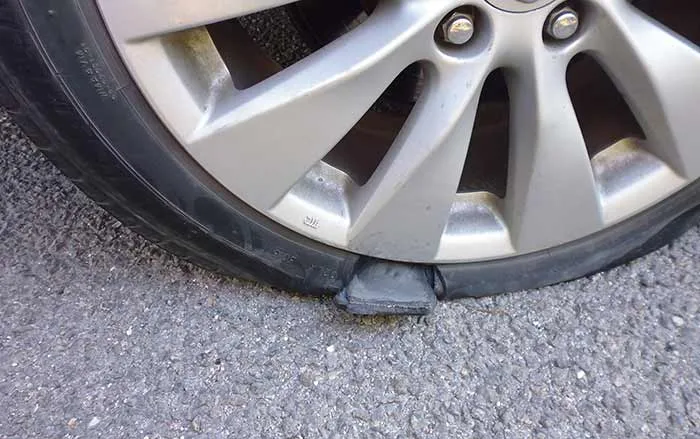
Image source: Web (Bing) / wonkycompass.com (Web image (fair-use with source credit))
Maneuverability and Parking Perks
One of the standout aspects for daily driving with the Jeep Compass is its maneuverability. As a compact SUV, it strikes a good balance between offering more space than a sedan and remaining easy to handle in urban environments. Its turning radius is quite good, allowing you to navigate tight city streets and make U-turns without much fuss.
Parking in crowded lots or on busy streets is generally a straightforward affair.
The vehicle's dimensions mean you won't have to constantly worry about scraping curbs or fitting into smaller parking spaces. Coupled with parking sensors and available rearview cameras on many trims, parking becomes even less stressful. This ease of handling is a significant benefit for anyone who frequently drives in congested areas or deals with parallel parking on a regular basis.
Interior Comfort and Tech for Trips
Inside, the Jeep Compass aims for a modern and comfortable experience, which is essential for making daily commutes more enjoyable. The cabin design is generally well-received, featuring a clean layout and decent materials for the segment. Seats are usually supportive enough for a typical day's driving, though exceptionally long journeys might reveal their limitations for some passengers.
Infotainment systems typically include touchscreens with Apple CarPlay and Android Auto integration, allowing you to seamlessly connect your smartphone for navigation, music, and calls. This connectivity is a huge convenience for daily use. Safety features are also a strong point, with many trims offering advanced driver-assist systems like automatic emergency braking, blind-spot monitoring, and lane-keeping assist.
These systems contribute to a safer and less fatiguing driving experience on your daily routes.
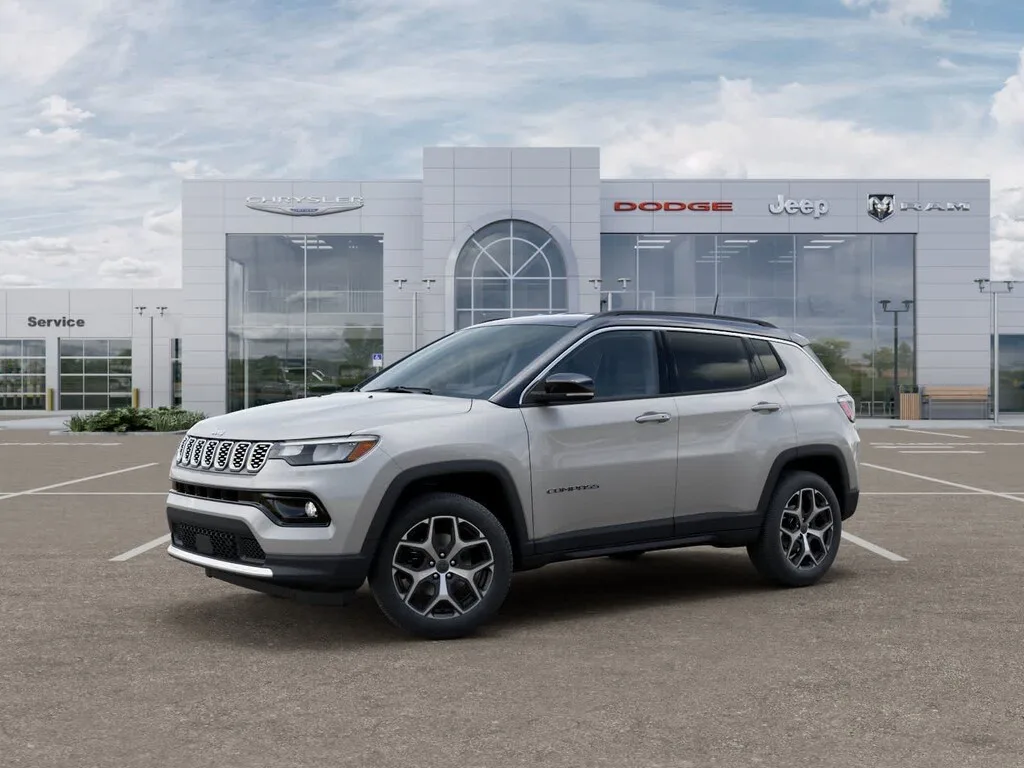
Image source: Bing (Web (fair-use with source credit))
Where It Shines for Your Commute
The Jeep Compass isn't just another compact SUV; it offers a few specific advantages that make it a compelling choice for daily drivers, especially if you value a certain lifestyle or appreciate the Jeep heritage. It blends everyday practicality with a hint of adventure that many competitors don't quite capture.
Versatility Beyond Pavement
While most daily driving happens on paved roads, the Compass offers a degree of versatility that can be a real plus. With its available Active Drive 4×4 system, it's more capable than many front-wheel-drive-only crossovers when conditions get a bit trickier. This means you can feel more confident driving in rain, light snow, or even on unpaved access roads to trailheads or rural destinations.
This capability isn't about rock crawling, but rather about providing extra traction and stability when you need it. For drivers who live in areas with unpredictable weather or frequently travel on gravel or dirt roads, this inherent robustness is a significant advantage. It adds peace of mind to your daily routine, knowing your vehicle can handle more than just smooth asphalt.
Common Daily Driving Hiccups with the Compass
No vehicle is perfect, and the Jeep Compass has a few areas where it might not meet everyone's expectations for daily driving. Being aware of these potential drawbacks helps you make a more informed decision about whether it's the right fit for your specific needs.
Ride Quality on Rough Roads
While the Compass generally provides a comfortable ride on well-maintained streets, its suspension can sometimes struggle with truly rough pavement. Our research indicates that on roads with significant potholes, cracks, or uneven surfaces, you might feel more of the road's imperfections filtering into the cabin. This can make longer commutes over less-than-ideal routes feel less refined than in some rivals.
For drivers who primarily stick to smooth highways or well-kept city roads, this might not be a major issue. However, if your daily travels frequently involve navigating areas with poor road conditions, the ride quality could become a point of frustration.
Noise Levels Inside the Cabin
Road noise and wind noise can be noticeable in the Jeep Compass, particularly at highway speeds. While it's not overwhelmingly loud, aggregate reviews suggest it's more pronounced than in some competitors that focus heavily on cabin quietness. This means that longer highway stretches might be a bit more tiring, as you might need to increase the stereo volume to overcome the ambient noise.
If you prioritize a serene and quiet cabin for your daily commute, where you can easily hold conversations or enjoy your music without distraction, this is a factor worth considering.
Fuel Efficiency Compared to Smaller Cars
As mentioned earlier, the Jeep Compass's fuel economy is competitive for its segment, but it doesn't lead the class, especially when compared to smaller sedans or dedicated hybrid vehicles. For instance, while its 24 MPG city rating is decent for an SUV, a compact sedan might achieve closer to 30 MPG in city driving. This difference might not seem huge on a day-to-day basis, but over a year of regular commuting, it can add up to more frequent trips to the gas station and higher overall fuel costs.
If fuel savings are a primary concern for your daily driving budget, you'll want to closely compare the Compass's MPG figures against other types of vehicles.
Who Is the Jeep Compass Best For Daily?
The Jeep Compass finds its sweet spot for daily drivers who have specific needs or priorities. It's not an all-things-to-all-people kind of vehicle, but for the right person, it's an excellent choice. Understanding who this SUV is designed for can help you decide if it aligns with your lifestyle.
Urban Commuters
If your daily drive primarily involves navigating city streets, the Compass's compact size is a major advantage. It’s easy to maneuver through traffic and its relatively tight turning radius makes tight parking spots much more manageable. The higher driving position also gives you a commanding view of the road, which can be helpful in busy urban environments.
Combined with available parking aids, it makes daily city driving less of a chore.
Small Families
For small families or those who frequently carpool with one or two other adults, the Compass offers sufficient space. The rear seats are comfortable enough for most passengers on shorter to medium-length trips. While it might feel a bit snug for three adults on a long road trip, it's generally adequate for day-to-day commuting and running errands with kids or a couple of friends.
The modern interior and tech features also add to its appeal for family use.
Those Needing Mild Weather Confidence
While not an extreme off-roader, the availability of Jeep's Active Drive 4×4 system makes the Compass a good option for drivers who need confidence in less-than-perfect weather. If you live in an area that experiences regular rain, snow, or icy conditions, the added traction of all-wheel drive can significantly improve safety and stability on your daily commute. It offers a step up in capability without the bulk or fuel consumption of larger SUVs.
Alternatives to Consider for Your Daily Drive
While the Jeep Compass has its strengths for daily driving, it's always wise to see what else is out there. Depending on your priorities, other vehicles might offer a better blend of features or value for your specific needs. Many compact SUVs compete directly with the Compass, each with its own set of pros and cons.
For instance, if fuel efficiency is your absolute top priority, you might look at vehicles like the Honda CR-V, which often boasts slightly better MPG and a more refined ride. The Toyota RAV4 is another strong contender in the compact SUV space, known for its reliability and practicality. When comparing these, consider what matters most: is it the lowest running cost, the most comfortable ride, the largest cargo space, or a specific brand's reputation?
Each of these alternatives has different strengths that might align better with your daily driving profile. For example, if you're comparing different trim levels within a brand, it's helpful to see a breakdown, such as the Toyota RAV4 trim levels: complete 2026 comparison.
Jeep Compass Daily Driving: FAQs
What is the real-world fuel economy of the Jeep Compass?
Real-world fuel economy for the Jeep Compass typically ranges from 22-24 MPG in city driving and 29-30 MPG on the highway. This can fluctuate based on driving style, terrain, weather conditions, and whether you have front-wheel drive or all-wheel drive. Aggregate reviews suggest actual mileage is often slightly lower than the EPA estimates, particularly in heavy city traffic.
How comfortable is the Jeep Compass for long commutes?
The Jeep Compass offers decent comfort for daily commutes, with supportive seats and a generally pleasant ride on smooth surfaces. However, for very long commutes over rough roads, some drivers report that road noise and suspension harshness can become noticeable. It's comfortable for most daily driving but might not match the refinement of some luxury SUVs or more car-like sedans on extended journeys.
Is the Jeep Compass reliable for daily use?
Based on manufacturer specifications and verified buyer feedback, the Jeep Compass generally offers reasonable reliability for daily use. Like any vehicle, specific model years and maintenance history can play a significant role. Following the recommended maintenance schedule, such as regular oil changes and fluid checks, is crucial for ensuring its longevity and dependability.
How much cargo space does the Jeep Compass offer?
The Jeep Compass provides about 27 cubic feet of cargo space behind the rear seats. This is a respectable amount for a compact SUV and is usually sufficient for grocery runs, luggage for a weekend trip, or transporting smaller items. With the rear seats folded down, the cargo capacity expands significantly, offering more versatility for larger items.
Is the Jeep Compass good in snow?
With its available Active Drive 4×4 system, the Jeep Compass offers improved traction and stability in snowy conditions compared to front-wheel-drive vehicles. The AWD system can automatically adjust power distribution to the wheels with the most grip, helping you maintain control. However, it's still important to use appropriate winter tires for optimal performance in deep snow or icy situations.
The Verdict: Is the Compass Your Daily Commuter?
Ultimately, whether the Jeep Compass is a good choice for your daily driving hinges on what you value most. If you appreciate its distinctive Jeep styling, enjoy a slightly elevated driving position, and need the confidence of available all-wheel drive for variable weather, it’s a strong contender. Its compact size makes it practical for urban environments, and the interior offers modern tech and comfort features that enhance daily commutes.
However, if your absolute top priorities are class-leading fuel economy or an exceptionally quiet, smooth ride over all types of pavement, you might find other options in the compact SUV segment or even sedans that better suit those specific needs. It's a well-rounded vehicle that balances everyday usability with a touch of rugged appeal, making it a capable and stylish companion for your daily journeys.