Getting stuck off-road or needing to pull heavy loads is a common challenge for many truck, SUV, and ATV owners. A winch is the tool people trust for these situations. But when you press that winch button, have you ever wondered how much battery power it uses? Understanding the power demands of a winch is more important than most people think. It affects not just your battery life, but also your vehicle’s electrical system, safety, and ability to finish the job. Let’s break down what you need to know about winch battery usage, with clear examples, real data, and practical advice.
What Determines Winch Battery Power Usage?
Several factors decide how much battery power a winch needs. It’s not just about the winch size; other elements come into play. Here are the major points:
49% off Today's Exclusive Deals
Limited-time Exclusive Deals. Check current discount on Amazon.
Check Price on Amazon As an Amazon Associate I earn from qualifying purchases.- Winch Capacity: Measured in pounds (lb) or kilograms (kg), this is how much weight the winch can pull. Higher capacity models use more power.
- Motor Type: Permanent magnet motors are usually found in lighter, smaller winches and use less power. Series wound motors are stronger and use more power.
- Load Weight: Pulling a small ATV is easier than dragging a large truck. The heavier the load, the more power required.
- Cable Speed: Fast pulling uses more power than slow, steady movement.
- Duration of Use: Longer pulls drain the battery more than short, quick pulls.
- Vehicle Battery Size: Larger batteries can supply more energy without dropping voltage.
- Alternator Output: While the engine is running, the alternator can help supply power.
To illustrate, pulling a 4,000 lb vehicle with an 8,000 lb winch requires far more power than pulling a 500 lb ATV with a 2,000 lb winch.
Typical Battery Power Draw Of Winches
Winch manufacturers often list amp draw (how many amps the winch uses) in their specifications. This is the best way to estimate battery power usage. Let’s look at real numbers:
- Small ATV Winch (2,000–3,500 lb): 25–150 amps
- Medium Winch (6,000–9,000 lb): 60–400 amps
- Heavy Duty Winch (12,000–15,000 lb): 70–500 amps
These numbers change based on the load. When pulling a light load, amp draw is lower. When pulling close to the winch’s maximum capacity, amp draw increases sharply.
49% off Today's Exclusive Deals
Limited-time Exclusive Deals. Check current discount on Amazon.
Check Price on Amazon As an Amazon Associate I earn from qualifying purchases.Example: 8,000 Lb Winch Pulling A Truck
If you use an 8,000 lb winch to pull a 5,000 lb truck up a slope:
- Initial amp draw (at start): ~200 amps
- Peak amp draw (near max load): ~400 amps
If the winch runs for 30 seconds at 400 amps:
- Total amp-hours used = (400 amps × 0.5 minutes / 60 minutes) ≈ 3.3 amp-hours
Most car batteries are about 50–70 amp-hours. So, a single heavy pull can use 5–7% of your battery’s capacity.
How Winch Use Affects Battery Life
Pulling with a winch drains the battery quickly, especially if the engine is off. If you use a winch for several heavy pulls in a row, you risk draining your battery to the point where your vehicle won’t start.
49% off Today's Exclusive Deals
Limited-time Exclusive Deals. Check current discount on Amazon.
Check Price on Amazon As an Amazon Associate I earn from qualifying purchases.Key Insight: Many beginners forget that running the winch with the engine off is risky. The alternator is not helping, so all power comes from the battery. Always try to winch with the engine running.
Common Battery Problems After Winch Use
- Dead battery: Car won’t start after winching.
- Low voltage: Lights and electronics dim or flicker.
- Battery overheating: Too much current causes heat and possible damage.
Battery Power Usage: Real-world Data
Here’s a comparison of different winch sizes and their typical amp draw during common pulling situations:
| Winch Size | Light Load Amp Draw | Heavy Load Amp Draw | Recommended Battery Size (CCA) |
|---|---|---|---|
| 2,000 lb | 25–40 amps | 80–120 amps | 300+ |
| 8,000 lb | 60–120 amps | 350–400 amps | 650+ |
| 12,000 lb | 80–150 amps | 400–500 amps | 800+ |
CCA means Cold Cranking Amps, a standard for battery strength.
How To Estimate Your Winch’s Battery Power Needs
To calculate how much battery power your winch will use, follow these steps:
- Check Winch Specs: Find the amp draw at different loads. Manufacturers list this in manuals or online.
- Estimate Pull Time: How long will you use the winch? Short pulls use less energy.
- Calculate Amp-Hours: Multiply amp draw by hours of use (or fraction of an hour).
- Compare to Battery Size: Your battery’s amp-hour rating shows how much energy it can supply.
Example Calculation:
- Winch draws 300 amps at full load.
- Pull lasts 1 minute (1/60 hour = 0.0167 hours).
- Energy used = 300 × 0.0167 = 5 amp-hours.
If your battery is 60 amp-hours, this single pull uses about 8% of its capacity.
Alternator Role During Winching
The alternator supplies power when the engine is running. It can help recharge the battery, but most vehicle alternators (60–150 amps) are much weaker than the winch’s demand.
For example, if your winch needs 300 amps but your alternator only supplies 120 amps, the rest comes from the battery. The alternator slows the battery drain, but cannot stop it during heavy winching.

Choosing The Right Battery For Winch Use
Picking the correct battery is key for safe and reliable winching. Here’s what matters:
- High CCA: More cold cranking amps means stronger starting and winching performance.
- Deep Cycle Capability: These batteries can handle repeated draining and recharging, unlike standard car batteries.
- Large Reserve Capacity: More backup power for longer pulls.
- Quality Brand: Trusted brands last longer and perform better.
Battery Comparison For Winching
| Battery Type | CCA | Deep Cycle? | Suitable For |
|---|---|---|---|
| Standard Car Battery | 500–700 | No | Light, short pulls |
| Truck/SUV Battery | 650–900 | No | Medium pulls |
| Marine Deep Cycle | 600–1,000 | Yes | Long, heavy pulls |
| AGM Deep Cycle | 700–1,200 | Yes | Frequent winch use |
Insight: Many beginners believe their regular car battery is enough for winching, but deep cycle batteries are much better for repeated heavy pulls.
Practical Tips To Reduce Battery Drain
Winching can be hard on your battery, but smart techniques can help:
- Keep the engine running: Always winch with the engine on so the alternator helps supply power.
- Avoid long pulls: Short, repeated pulls are safer than one long, continuous pull.
- Pause between pulls: Let the battery recover and cool.
- Use snatch blocks: These pulleys double your pulling power and reduce winch strain.
- Upgrade battery and cables: Larger batteries and thicker cables mean less voltage drop.
- Monitor voltage: Use a voltmeter; stop winching if voltage drops below 12 volts.
Mistakes To Avoid With Winch Battery Power
Many people make mistakes that lead to battery failure or even winch damage. Here are some to avoid:
- Winching with engine off: This drains the battery fast and can leave you stranded.
- Using undersized battery: Weak batteries can’t supply enough current and may overheat.
- Ignoring cable thickness: Thin cables cause voltage loss and reduce winch efficiency.
- Continuous heavy pulling: Overheats both winch and battery.
- Not checking voltage: Low voltage can damage winch motor.
- Skipping maintenance: Dirty or loose battery terminals reduce current flow.
How Winch Power Usage Compares To Other Vehicle Accessories
Winches are among the most power-hungry accessories in a vehicle. Here’s a comparison:
| Accessory | Typical Amp Draw | Duration |
|---|---|---|
| Winch (8,000 lb) | 200–400 amps | 30 sec–2 min |
| Headlights | 8–12 amps | Hours |
| Car Stereo | 2–10 amps | Hours |
| Air Compressor | 20–60 amps | 5–10 min |
| Electric Fan | 10–20 amps | Minutes |
As you can see, a winch uses far more power in a short time than most other accessories.
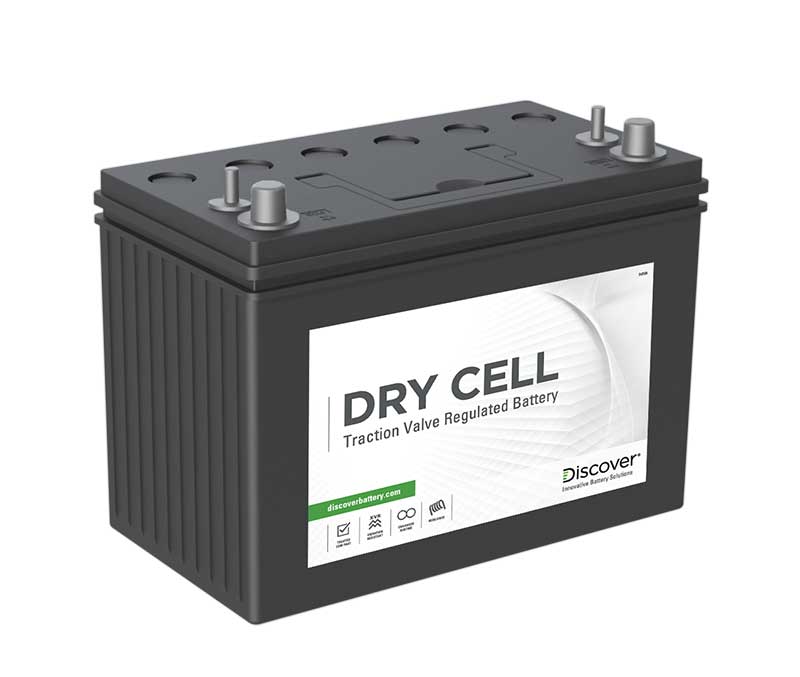
Battery Power Usage For Different Winch Scenarios
Let’s look at real-life examples to see how winch power usage changes:
Pulling A Stuck Vehicle
- Heavy load: High amp draw (300–400 amps)
- Duration: 1–2 minutes
- Battery impact: Uses 5–15 amp-hours, about 10–20% of battery capacity
Lifting An Atv
- Light load: Low amp draw (40–80 amps)
- Duration: 30 seconds
- Battery impact: Uses less than 1 amp-hour, minor effect
Using A Snatch Block
- Reduced load: Cuts amp draw by 30–50%
- Duration: May take longer, but less stress on battery
Tip: Always use a snatch block when possible; it makes the pull easier and reduces battery drain.
How To Tell If Your Battery Is Strong Enough For Winching
You can check your battery’s suitability by looking at:
- Amp-hour rating
- CCA rating
- Age and condition
- Voltage under load
If your battery voltage drops below 12 volts while winching, it’s struggling. Consider upgrading to a higher capacity or deep cycle battery.
Winch Battery Power And Safety
High current flow during winching can cause safety issues:
- Hot cables: Overloaded wires can melt insulation.
- Sparking: Loose connections create sparks, which can be dangerous.
- Battery explosion: Rare, but possible if battery is very old or damaged.
Make sure all connections are tight and cables are thick enough for the winch’s amp draw.
Using Dual Batteries For Heavy Winching
Some off-roaders use two batteries to handle winch demands. This setup provides:
- More reserve power
- Less voltage drop
- Backup in case one battery fails
It’s common in vehicles with large winches or frequent winching needs.
Insight: Beginners often don’t realize that dual batteries need proper isolation to prevent one battery draining the other when not in use.
Winch Battery Power: Environmental Effects
Extreme cold or heat affects battery performance:
- Cold weather: Batteries supply less current; winch may struggle.
- Hot weather: Batteries can overheat, reducing lifespan.
Always check battery condition and voltage before winching in extreme conditions.
Planning For Future Winch Upgrades
If you plan to upgrade your winch in the future, make sure your battery and electrical system can handle the higher amp draw.
- Upgrade to a higher CCA and amp-hour battery.
- Use thicker cables.
- Consider a high-output alternator.
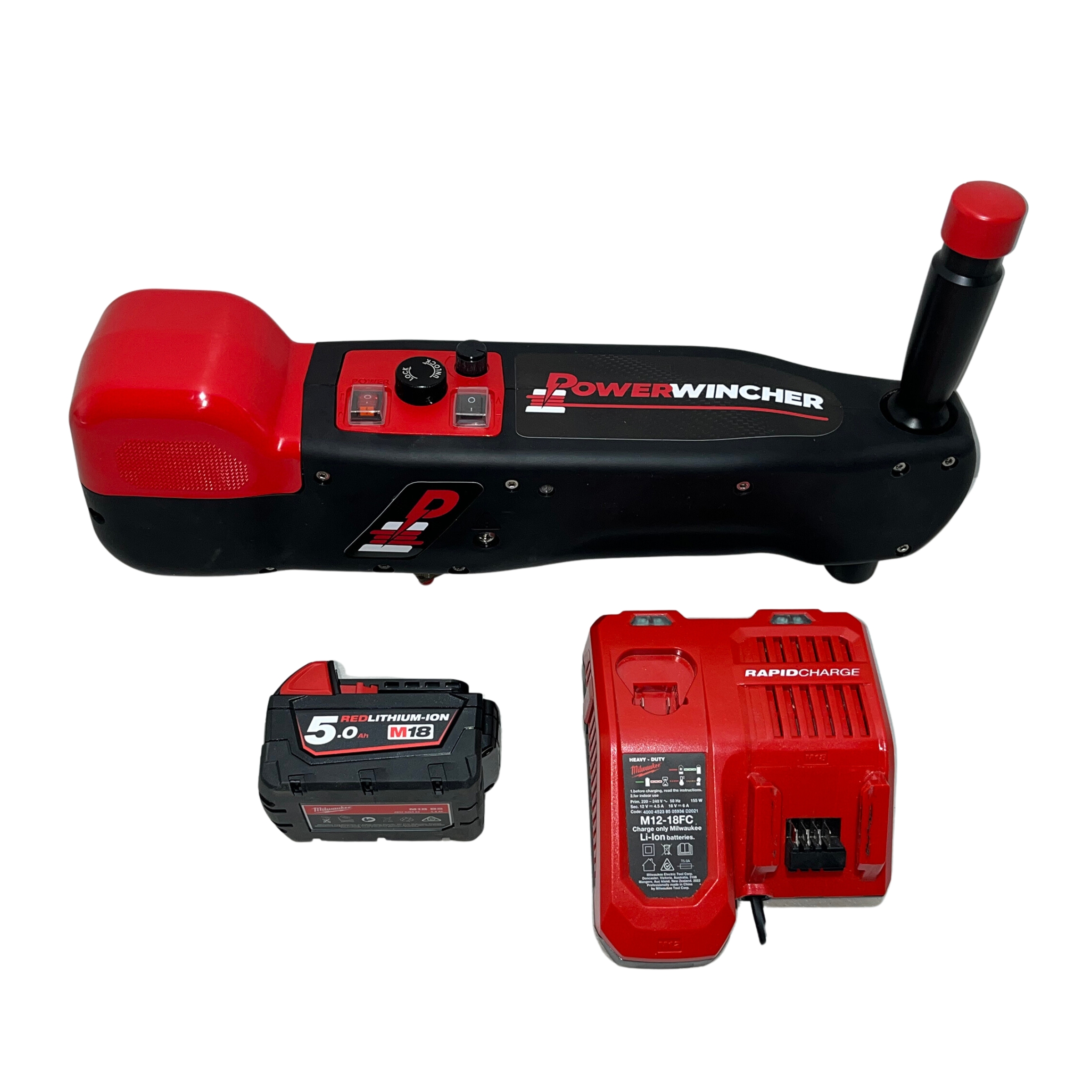
Winch Battery Power Vs. Manual Winching
Manual winches (hand-cranked) don’t use battery power. But they require much more physical effort and are slower. Electric winches are far more convenient but demand strong battery support.
Battery Maintenance For Reliable Winch Performance
Keep your battery in top shape:
- Clean terminals regularly.
- Check voltage and fluid levels.
- Replace old batteries before they fail.
A well-maintained battery delivers more power and lasts longer.
Winch Battery Power: Common Questions And Answers
Here’s a summary of the most frequent concerns about winch battery usage.
Frequently Asked Questions
How Do I Know If My Battery Can Handle My Winch?
Check your battery’s CCA and amp-hour rating. Compare these to your winch’s maximum amp draw. If your battery is below recommended specs, upgrade to a stronger model.
What Happens If I Use A Winch With The Engine Off?
The battery will drain quickly. After a few heavy pulls, you may not be able to start the vehicle. Always winch with the engine running.
Can I Use My Regular Car Battery For Winching?
For light, occasional pulls, yes. For heavy or repeated winching, you should use a deep cycle or high CCA battery. Regular car batteries aren’t designed for repeated heavy discharge.
How Can I Reduce Battery Drain When Winching?
Keep the engine running, use short pulls, pause between pulls, and use snatch blocks to reduce the load. Upgrading to a larger battery also helps.
Is A Dual Battery Setup Necessary For Winching?
It’s not required for light use, but is smart for frequent or heavy winching. It provides more power and backup. Make sure the setup includes a battery isolator.
Final Thoughts
Knowing how much battery power a winch uses will help you avoid unexpected breakdowns, protect your vehicle, and stay safe in tough situations. Always check your winch’s amp draw, use a strong battery, and follow smart winching habits. With these tips, your winch will be ready when you need it most—and your vehicle will still start when the job is done. For more technical details, visit 4WD Hub, a trusted resource for off-road equipment.
Being prepared means understanding your tools and their demands. Now, you know what your winch needs—and your battery will thank you.