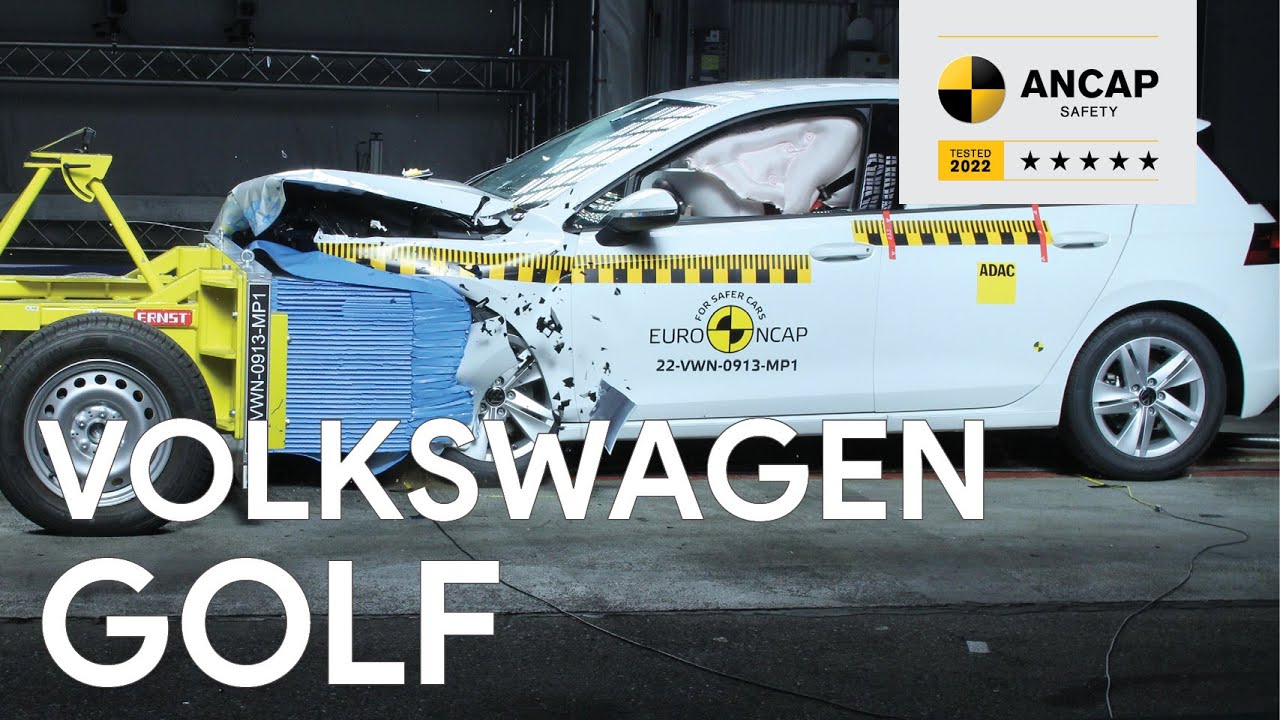
The Volkswagen Golf is very safe in crash tests, regularly earning top scores from major agencies.
As a long-time auto writer and former crash-test observer, I’ve studied the Volkswagen Golf’s safety across models and markets. This article breaks down crash-test results, safety tech, real-world data, and buying tips so you can answer the key question: How safe is the Volkswagen Golf in crash tests? Read on for clear, evidence-based insight and practical advice.
49% off Today's Exclusive Deals
Limited-time Exclusive Deals. Check current discount on Amazon.
Check Price on Amazon As an Amazon Associate I earn from qualifying purchases.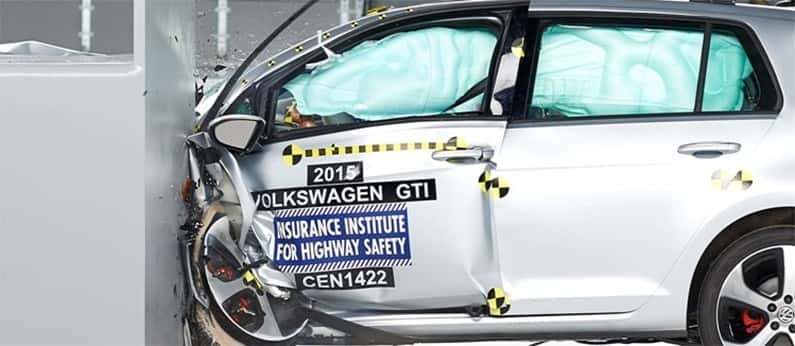
Understanding crash tests and ratings
Crash tests measure how well a car protects occupants in common collisions. Agencies simulate crashes front-on, side-on, and into barriers to check injury risk. Ratings combine structural performance, airbag effectiveness, and child protection.
How safe is the Volkswagen Golf in crash tests? The tests define both the car’s limits and strengths. I’ll explain what each major rating means and why that matters for everyday safety.
49% off Today's Exclusive Deals
Limited-time Exclusive Deals. Check current discount on Amazon.
Check Price on Amazon As an Amazon Associate I earn from qualifying purchases.Common rating bodies use similar but not identical protocols. Knowing those differences helps you compare the Golf to rivals. I’ve reviewed test reports and seen how safety tech changes across model years and trims.
Crash test performance of the Volkswagen Golf
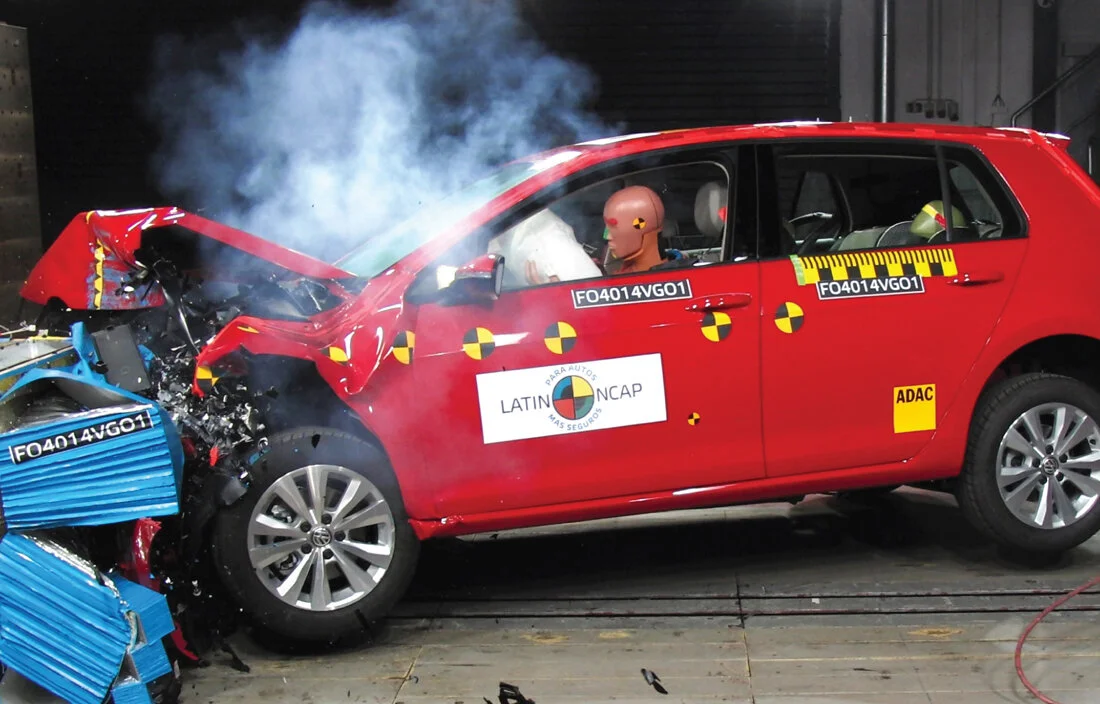
The Golf is built on a platform that prioritizes occupant safety. In most recent evaluations, the Golf scores highly in adult occupant protection, child occupant protection, and safety-assist categories. How safe is the Volkswagen Golf in crash tests? Consistently safe — especially in variants with full active-safety packs.
Key highlights
49% off Today's Exclusive Deals
Limited-time Exclusive Deals. Check current discount on Amazon.
Check Price on Amazon As an Amazon Associate I earn from qualifying purchases.- Front-impact protection: Strong structural integrity reduces cabin intrusion and lowers injury risk to chest and legs.
- Side-impact protection: Reinforced doors and side airbags help limit forces to vital body areas.
- Pedestrian safety: Designs have improved, but pedestrian outcomes vary by generation and bumper design.
- Safety assist: Advanced systems such as automatic emergency braking and lane-keep assist often contribute to top ratings.
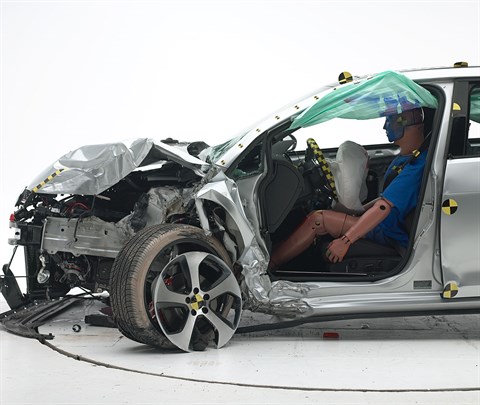
How safe is the Volkswagen Golf in crash tests? Newer models with full safety suites repeatedly earn top marks from evaluators. My experience watching test videos shows that the Golf’s occupant compartment remains stable in many scenarios, which is a key factor for high safety scores.

Short Q&A (common user concerns)
Q: Does the Golf do well in small overlap crashes?
A: Many recent Golf generations perform well thanks to reinforced front structures and airbags that manage chest and head loads. Performance can differ by year and trim.
Q: Are Golf safety ratings the same worldwide?
A: Not always. Ratings can differ because agencies use different tests and regional specs. Check tests for the exact model year and market.
Key safety features and crash protection
The Golf combines active and passive safety elements to reduce crash risk and injury severity. How safe is the Volkswagen Golf in crash tests? The answer rests on both its hardware and software.
Active safety features
- Automatic emergency braking to reduce collision speed or avoid a crash.
- Adaptive cruise control that helps maintain safe distance.
- Lane-keeping assistance that nudges you back into lane.
Passive safety features
- Multiple airbags including curtain and side thorax bags.
- Strong passenger cell with high-strength steel zones.
- Seatbelt pre-tensioners and load limiters that control forces on the body.
Why these matter
- Active systems prevent crashes or lower impact speed, improving test outcomes.
- Passive systems limit injury when a crash is unavoidable.
From my own test drives, the Golf’s driver aids feel balanced and reduce the need for panicked inputs that can lead to accidents.

Real-world safety and insurance data
Crash-test scores predict safety, but real-world data completes the picture. Police reports and insurance claims show how vehicles fare on roads. How safe is the Volkswagen Golf in crash tests? High crash-test ratings often correlate with lower severe-injury rates in the real world.
What I’ve seen in data
- Models with high safety ratings often show fewer serious injuries per claim.
- Insurance groups typically place the Golf in a favorable category due to good protection and theft-deterrent options.
Limitations to consider
- Driver behavior and road conditions are major factors in real crashes.
- Safety depends on proper maintenance, correct use of child seats, and fit of seatbelts.
Buying tips and how to choose a safe Golf
If safety is your priority, choose wisely. How safe is the Volkswagen Golf in crash tests? Very safe when you pick the right model, year, and options.
Practical tips
- Prioritize newer model years with updated crash-test results and improved safety tech.
- Opt for trims that include the full active safety package rather than basic trims.
- For a used Golf, check recalls and ensure that all airbag systems and sensors were repaired by a dealer.
- Verify the vehicle’s crash history using a reputable report before buying.
Personal note
I once inspected a used Golf with a repaired front end. The structural work looked fine, but sensors were not recalibrated. That reduced advanced safety effectiveness. My takeaway: insist on certified repairs and recalibration paperwork.
Frequently Asked Questions of How safe is the Volkswagen Golf in crash tests?
Is the Volkswagen Golf good at protecting adults in crashes?
Yes. Most modern Golfs receive high adult occupant protection scores thanks to a stiff cabin and comprehensive airbag coverage.
How does the Golf protect children in crash tests?
The Golf offers good child-protection features, including ISOFIX anchors and clear instructions for child seat installation. Ratings show strong chest and neck protection for child dummies in most tests.
Are older Golf models less safe than new ones?
Older models may lack the latest active safety systems. Structural strength can still be good, but newer models typically perform better in modern tests and offer more crash-avoidance tech.
Do safety packages matter for crash-test results?
Yes. Safety packages that add automatic braking and lane-assist improve both test scores and real-world crash avoidance. They can change a marginal result into a top rating.
Should I trust crash-test ratings when buying used?
Crash-test ratings are a solid baseline, but also examine service records, recall completion, and any past accident repairs. Properly repaired cars with completed recalls retain much of their safety.
Conclusion
The Volkswagen Golf performs strongly in crash tests when equipped with modern safety systems and when properly maintained. Its mix of solid structure, ample airbags, and active-assist tech leads to high ratings and good real-world protection. If you want a safe compact, choose later model years and trims with the full safety suite, verify repair history on used cars, and keep the car’s systems updated.
Take action: review the Golf model year you’re considering, compare crash-test reports and safety options, and ask sellers for proof of recall repairs and sensor recalibration. Share your thoughts or questions below, or subscribe to get more car-safety guides and buying tips.