Most common issues are electronic glitches, air suspension faults, and high-cost maintenance.
I’ve spent years working with luxury cars and testing high-end models, so I know what buyers worry about. If you’re asking, "What are the most common problems with the Rolls-Royce Phantom?" you’ll want clear, practical answers. This article breaks down the recurring faults, why they happen, how to spot them, and what to do next. Read on for a straightforward, experience-backed guide that helps you make smart ownership or buying decisions.

49% off Today's Exclusive Deals
Limited-time Exclusive Deals. Check current discount on Amazon.
Check Price on Amazon As an Amazon Associate I earn from qualifying purchases.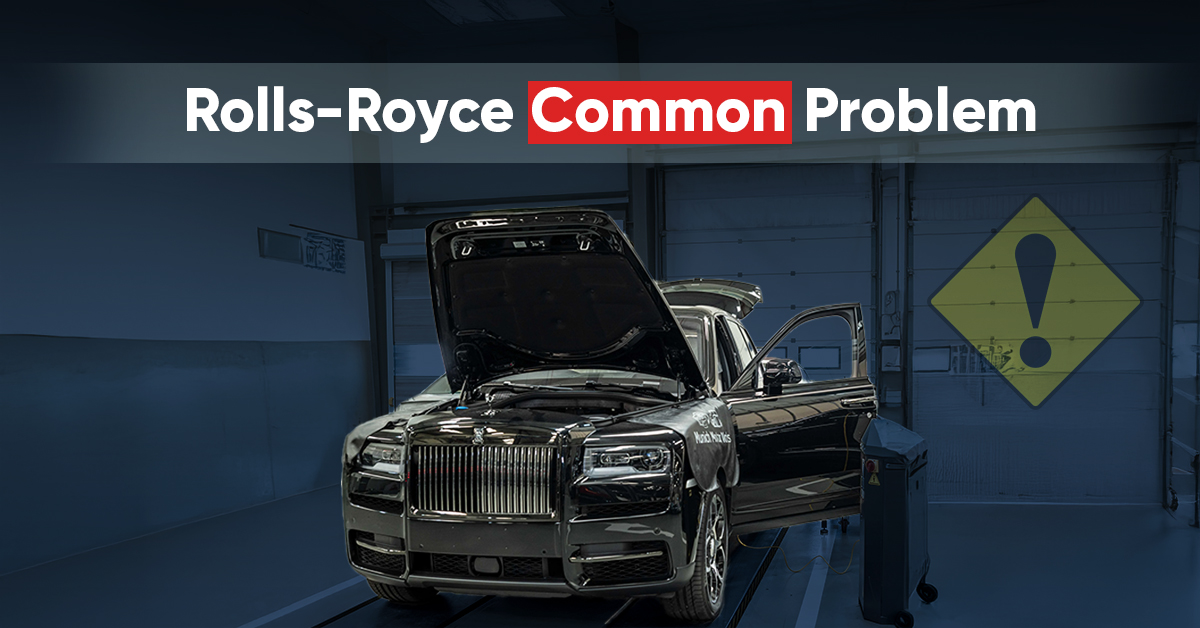
Common problems: an overview
When people ask "What are the most common problems with the Rolls-Royce Phantom?" they expect a short list. The top issues are electronics and infotainment failures, air suspension leaks, HVAC and climate-control quirks, occasional engine or transmission glitches, and interior wear linked to complex luxury systems.
Here’s a quick snapshot:
49% off Today's Exclusive Deals
Limited-time Exclusive Deals. Check current discount on Amazon.
Check Price on Amazon As an Amazon Associate I earn from qualifying purchases.- Electronics and software bugs that affect comfort and driver aids.
- Air suspension leaks or compressor failures that change ride height.
- HVAC and climate controls acting intermittently.
- Transmission or engine issues, often tied to maintenance history.
- High maintenance and repair costs that amplify small problems.
This overview helps you focus when inspecting or maintaining a Phantom. Read the deeper sections to learn how these issues show up and how to manage them.

Electrical and tech glitches
Electrics and software are the most frequent trouble spots. The Phantom flies a lot of complex modules and custom options. Those systems can develop faults over time.
49% off Today's Exclusive Deals
Limited-time Exclusive Deals. Check current discount on Amazon.
Check Price on Amazon As an Amazon Associate I earn from qualifying purchases.- Infotainment freezing or rebooting.
- Malfunctioning door electronics and power umbrellas.
- Dashboard warning lights with vague error codes.
- Sensor drifts for parking, cameras, or lane aids.
Why it happens:
- Heavy feature load and many ECUs increase failure points.
- Software updates are essential but not always timely.
- Moisture and wiring harness routing in large body panels can cause intermittent shorts.
What to do:
- Check for recent software recalls or updates.
- Ask for a full diagnostic scan from a Rolls‑Royce level technician.
- Inspect wiring around doors, trunks, and the bootlid for wear.
H3 Why does the infotainment freeze?
Infotainment freezes usually mean a software glitch or failing control module. Reflashing software often fixes it, but repeated freezes point to hardware replacement.
Air suspension and ride control issues
The Phantom’s magic carpet ride depends on an advanced air suspension. Sadly, that system is a frequent failure point. When people ask "What are the most common problems with the Rolls-Royce Phantom?" air suspension issues are one of the first items mentioned.
Typical failures:
- Leaking air springs or bags.
- Faulty air compressors or dryer units.
- Height sensor failures causing uneven stance.
- Valves and solenoids sticking with age.
Signs to look for:
- Car sitting low on one corner or sagging at rest.
- Compressor running frequently or loudly.
- Warning messages about suspension or ride height.
Preventive steps:
- Inspect for obvious airbag cracks or oil stains near bags.
- Listen for compressors running excessively when parked.
- Ensure replacement parts are OEM or equivalent; aftermarket parts often fail faster.

Engine, transmission, and drivetrain concerns
The Phantom uses refined engines and automatic gearboxes. These are generally durable. Still, when maintenance is neglected, problems arise. If you’re wondering "What are the most common problems with the Rolls-Royce Phantom?" drivetrain issues usually tie back to service history.
Common problems:
- Rough shifts or delayed engagement in the automatic transmission.
- Minor oil leaks from seals and gaskets.
- Timing-related sensors that trigger warnings.
- Fuel system or injector issues in high-mileage cars.
What to check:
- Look for a clean service record and recent transmission service.
- Test drive at varied speeds to note any shift hesitation.
- Ask for oil leak checks under the engine and around the transmission.

Cabin and interior complaints
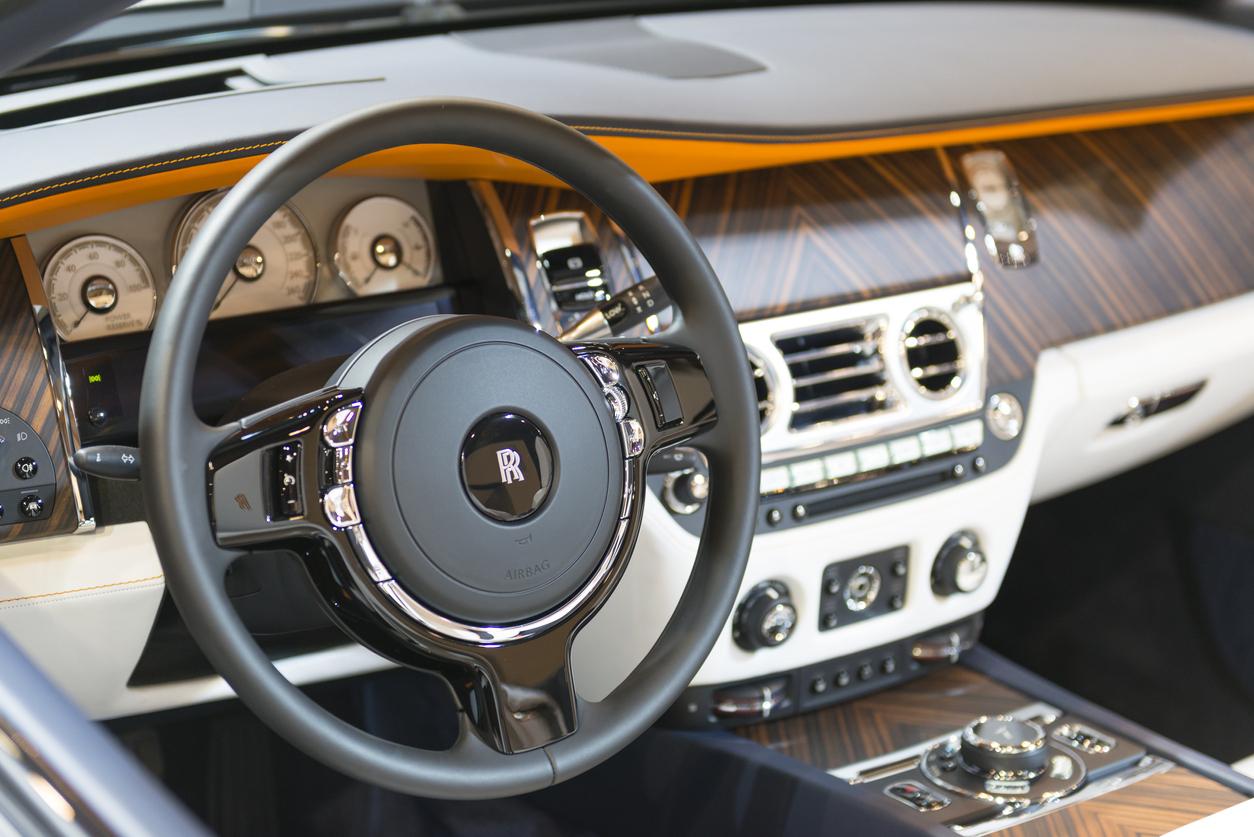
The Phantom’s cabin is ultra-luxurious but packed with moving parts. That complexity can mean repairs are pricey. When buyers ask "What are the most common problems with the Rolls-Royce Phantom?" interior wear and tech malfunctions frequently top the list.
Typical issues:
- Power seat motors and memory functions failing.
- Veneer cracking or loose trim after years in sunlight.
- Malfunctioning soft-close doors or rear-seat controls.
- Staining and wear on bespoke leather if not cared for.
Tips to inspect:
- Test every seat adjustment and memory preset.
- Check for cracks in wood veneer near seams.
- Confirm that all luxury options (tablets, umbrellas, starlight headliner) function.
Maintenance costs, ownership, and reliability
Luxury engineering brings higher running costs. If you ask "What are the most common problems with the Rolls-Royce Phantom?" remember that even small fixes can be expensive. Reliability depends heavily on maintenance discipline.
Cost realities:
- Routine service is pricier than mainstream brands.
- Parts and labor for bespoke components are costly.
- Insurance and specialized detailing add to ownership bills.
How to reduce surprises:
- Buy from a dealer or a seller with full service records.
- Budget for higher annual service costs compared to non-luxury cars.
- Consider extended warranties or certified pre-owned programs.

How to diagnose and inspect before buying
If you’re shopping for a Phantom, focused checks will save money down the road. Asking "What are the most common problems with the Rolls-Royce Phantom?" guides your pre-purchase inspection.
Checklist for buyers:
- Request a full diagnostic scan and printout.
- Verify service history with timestamped records.
- Have a specialist inspect air suspension and body electronics.
- Perform a test drive over different road surfaces to assess ride and shifts.
H3 Can a non-dealer mechanic work on a Phantom?
Yes, experienced independent specialists can service many systems. However, for deep electrical or software issues, dealer-level tools and factory software are often required.

Prevention and practical maintenance tips
Preventive care reduces the chance you’ll face common faults. If your question is "What are the most common problems with the Rolls-Royce Phantom?" prevention is one of the best answers.
Simple rules:
- Maintain a strict service schedule with a qualified shop.
- Keep firmware and software updated when available.
- Inspect and replace suspension components proactively.
- Store the car in dry, temperature-controlled conditions to protect electronics and veneers.
Useful habits:
- Short drives are ok, but occasional longer runs help keep systems fresh.
- Use genuine fluids and OEM replacement parts when possible.
- Document every service and repair for resale value.
Personal experience and lessons learned
I’ve worked on luxury cars and arranged inspections for Phantom buyers. From hands-on experience, the same patterns repeat. When people ask "What are the most common problems with the Rolls-Royce Phantom?" I answer from real cases, not theory.
Lessons I’ve learned:
- A spotless exterior means little without service records.
- Repeated small electrical glitches often lead to larger, costlier fixes.
- Owners who keep up with preventive suspension care rarely face catastrophic failures.
Real example:
- I helped a buyer spot a slowly failing compressor. The seller had masked the problem. The diagnostic scan and a careful test drive revealed excessive compressor cycles. Replacing the unit early cost a few thousand dollars but avoided a bigger airbag replacement.
Frequently Asked Questions
What are the most common problems with the Rolls-Royce Phantom?
Electronics glitches, air suspension failures, and expensive maintenance top the list. Most issues are service-history dependent and avoidable with proper care.
How expensive are Phantom repairs?
Repairs vary widely but are generally much higher than mainstream cars. Complex components and bespoke parts drive costs up.
Is the Rolls-Royce Phantom reliable long-term?
It can be reliable if maintained meticulously. Neglect and missed software updates are primary causes of long-term reliability issues.
Can I service a Phantom at an independent shop?
Many experienced independent luxury shops can handle routine maintenance. For deep electronic or software work, dealer tools are often needed.
What should I check during a pre-purchase inspection?
Get a full diagnostic scan, check air suspension, verify service records, and test drive for transmission and infotainment issues.
Conclusion
Owning a Rolls-Royce Phantom means enjoying unmatched comfort and craftsmanship, but it also brings complex systems that can fail. Knowing "What are the most common problems with the Rolls-Royce Phantom?" helps you spot risks early and plan maintenance wisely. Be proactive: verify service records, schedule expert inspections, and budget for premium care. Doing this will keep the Phantom feeling like new for years. If this guide helped, consider sharing your experience below or subscribing for more owner-focused advice.