If you're wrestling with a Subaru Outback door lock problem, you're in good company. It's one of the most common complaints across Outback generations, especially 2010 and newer. The good news?
Most cases follow a clear pattern, and the fix is usually straightforward. You just need to diagnose the right component before buying parts.

49% off Today's Exclusive Deals
Limited-time Exclusive Deals. Check current discount on Amazon.
Check Price on Amazon As an Amazon Associate I earn from qualifying purchases.In our research, the power door lock actuator and the wiring harness in the door boot account for the majority of failures. Typical repairs run anywhere from $50 for a key fob battery to around $430 for a full dealer repair. We'll walk you through the diagnosis in a logical order, so you can fix the actual fault instead of guessing.
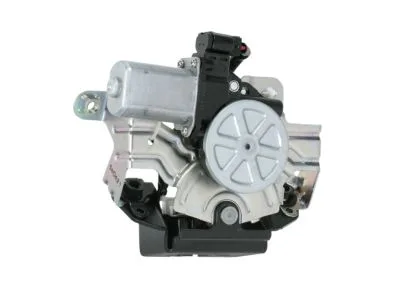
Image source: Bing (Web (fair-use with source credit))
49% off Today's Exclusive Deals
Limited-time Exclusive Deals. Check current discount on Amazon.
Check Price on Amazon As an Amazon Associate I earn from qualifying purchases.Quick Answer
Most Subaru Outback door lock problems trace back to the actuator or wiring. One dead door usually means a bad actuator. All doors dead?
Check the fob battery and fuses. Then inspect the Body Control Module. Diagnose the symptom before buying parts.
How Outback Door Locks Work and Where They Fail
Here's the short version. You press the key fob button, and the Body Control Module (BCM) sends power to the door lock actuator in each door. A small electric motor inside the actuator spins a set of plastic gears.
Those gears move the linkage that flips the lock lever.
49% off Today's Exclusive Deals
Limited-time Exclusive Deals. Check current discount on Amazon.
Check Price on Amazon As an Amazon Associate I earn from qualifying purchases.That's the whole system. So when a door stops locking, the failure usually lives in one of three places: the actuator, the wiring, or the switch. The BCM itself rarely fails.
| Component | What It Does | How It Fails | | Power door lock actuator | Moves the lock mechanism | Plastic gears strip or motor burns out | | Door lock wiring harness | Carries power through the door boot | Wires fatigue and break | | Interior lock switch | Sends lock commands | Contacts wear out | | Body Control Module | Controls lock logic | Rare, usually a relay issue |
Aggregate repair data confirms the actuator is the number one culprit. As of 2026, that pattern holds across every recent Outback generation. Wiring breaks come second, and they're almost always inside the rubber boot where the harness bends between the body and the door.
Subaru's official service documentation points to the same areas, and owner reports line up. The lock switch contacts also wear, but that's less common.
Keep that in mind. Once you know what usually fails, the diagnosis becomes much faster.
Step-by-Step Diagnosis: Follow the Symptom Branch
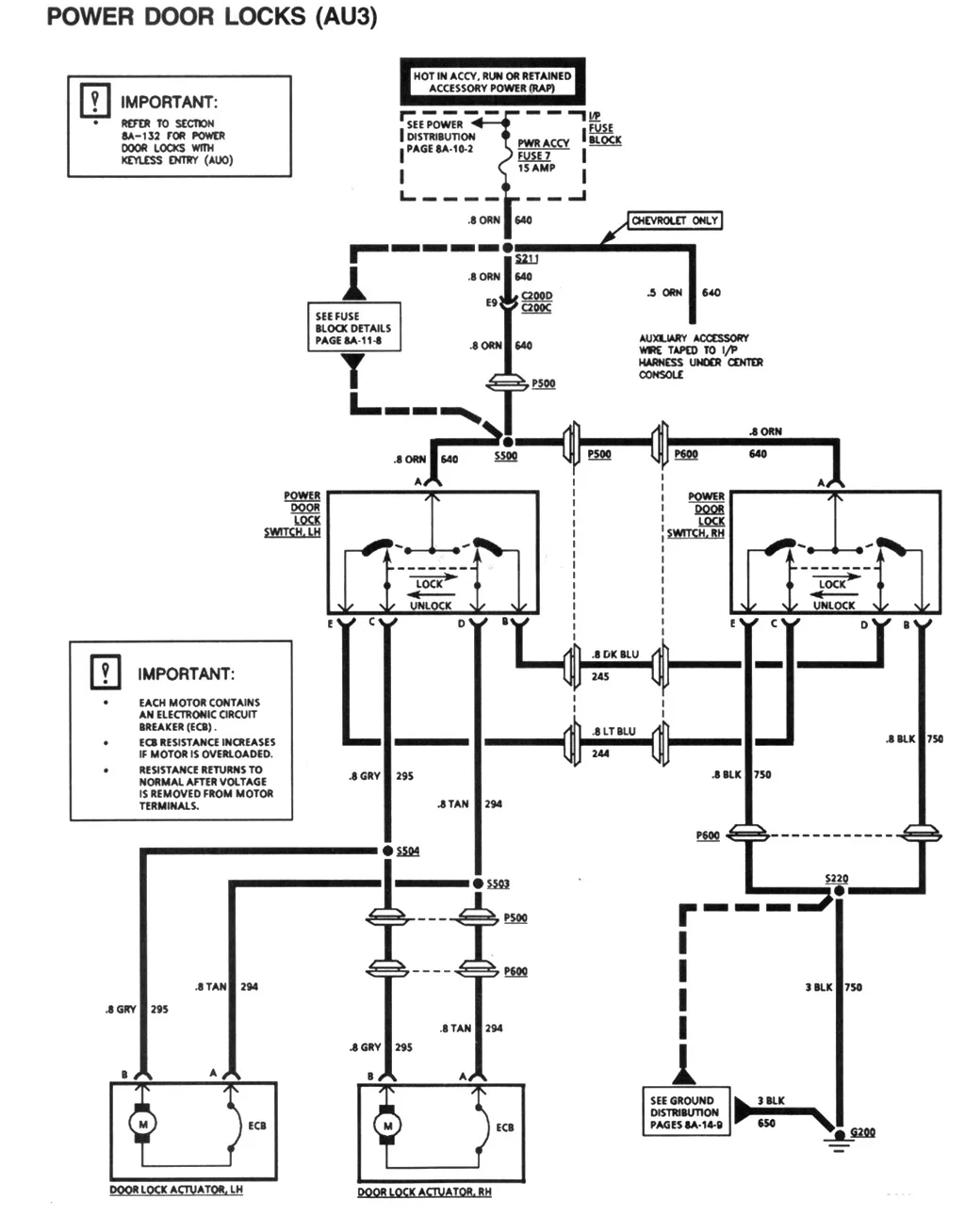
Image source: Bing (Web (fair-use with source credit))
The fastest way to find the cause is to match your symptom to a branch. Here's the logic we use.
- No sound, nothing happens. Start with the key fob battery. Then test the interior switch. If every door is dead, check the fuse and the BCM. If only one door is dead, suspect the actuator or wiring.
- Clicking or buzzing, but the door won't lock. That's the actuator motor spinning with stripped gears. Replace the actuator.
- Works sometimes, fails intermittently. Almost always a wiring harness break in the door boot. Watch the lock while you open and close the door slowly.
- One door dead, all others fine. The actuator gets power but never moves, or a wire in that door's harness is broken.
- Rear door won't open from the inside. Check the child safety lock first. It's a tiny lever near the latch, and it gets bumped accidentally all the time.
If the key fob works on some doors but not others, the fob is fine. That narrows it to the door circuit itself. And if you're chasing intermittent electrical gremlins, you'll want to test the harness before you touch the actuator.
That covers the vast majority of Outback lock failures we see in aggregate reports. If your symptom doesn't match any branch, move to the wiring test next.
DIY Fixes: Actuator Replacement and Wiring Harness Repair
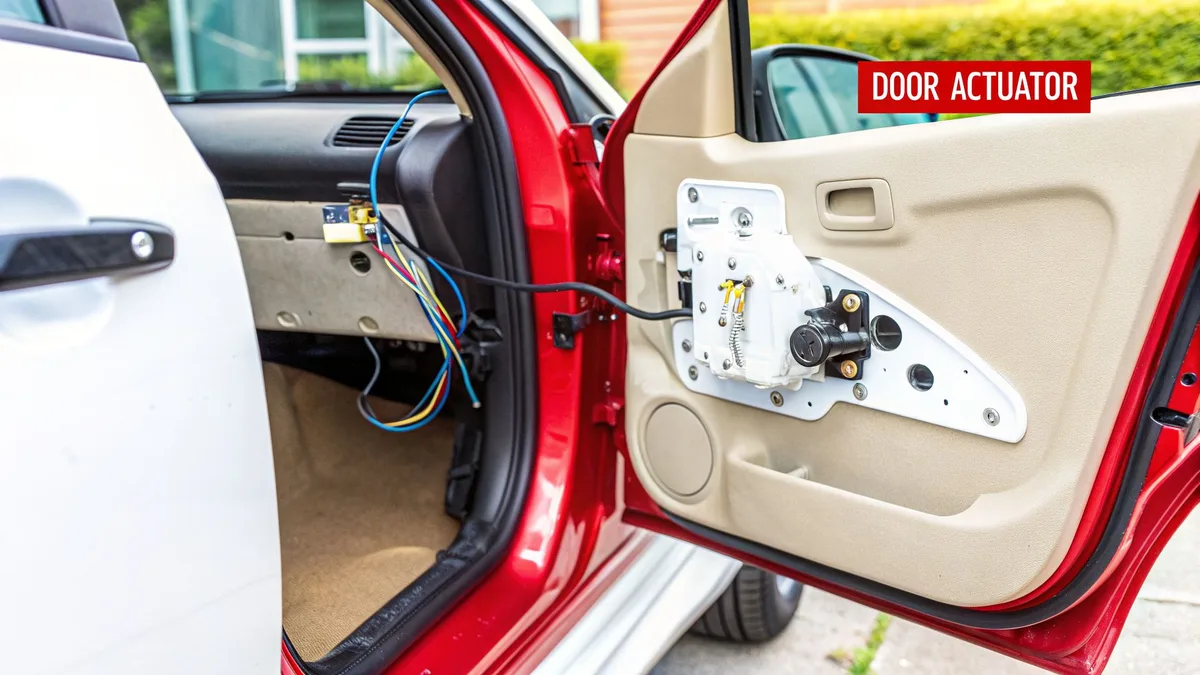
Image source: Bing (Web (fair-use with source credit))
Replacing an actuator is one of the more satisfying DIY jobs on an Outback. It takes about one to two hours, a trim tool, and a 10mm socket.
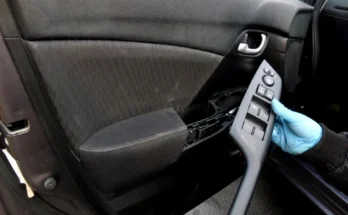
- Remove the door panel. There are usually two or three screws, plus plastic clips around the edges.
- Unplug the wiring harness from the panel switches.
- Peel back the vapor barrier to expose the latch and actuator.
- Disconnect the lock rods and the harness connector.
- Remove the actuator bolts, pull the old unit, and install the new one.
- Reconnect everything, then test the lock before reinstalling the panel.
A bench test with a 12V battery can confirm whether the actuator works at all. Just touch the terminals and watch the linkage move.
If your diagnosis points to the wiring harness, the repair is different. Open the rubber boot between the body and the door, inspect the wires for cracks, and splice the broken ones with solder and heat shrink. This follows the same door panel removal process you'd use for a window repair.
One note on parts: OEM actuators cost more but tend to last. Cheap aftermarket units sometimes fail within a year. Aggregate owner feedback suggests the OEM premium is worth it here.
Common Mistakes That Waste Time and Money
Everyone makes at least one of these on the first try. Avoid them and you'll finish faster.
- Replacing the actuator before testing power. Throw a multimeter on the connector first. No voltage means the problem is wiring, not the motor.
- Skipping the fuse and relay check. A blown fuse kills all doors. That's a two-minute fix.
- Confusing the child lock with a real failure. The rear doors have a small lever that disables the interior handle. Check it before pulling panels.
- Rushing the door panel removal. The plastic clips are fragile. Use a trim tool, not a screwdriver, and you won't snap them.
- Ignoring the wiring boot. If the harness looks cracked, fix it. New actuators fail when the wiring is still broken.
- Buying the cheapest aftermarket actuator. Some are fine. Others are dead on arrival or die within months.
We've seen all of these patterns in aggregate owner reports. The theme is always the same: rushing to replace parts without confirming the fault. While the panel is off, it's worth checking other door-mounted components like the window regulator.
A seized regulator adds a much bigger headache later.
When to Stop DIY and Call a Pro
DIY is great, but it's not always the right call. Here's when we'd hand the keys to a shop.
All doors dead, no response from the fob or switches. If fuses and relays test fine, the BCM might be at fault. That needs diagnostic tools and possible programming. It's not a home garage job.
In our research, BCM-related lock failures are rare, but they do happen. It requires the sort of systematic electrical diagnosis that's better left to professionals.
You find airbag wiring in the door. The side airbag harness runs through the door on many Outback models. Work near it carefully. If you're not comfortable, stop.
You've replaced the actuator and the door still won't lock. That points to wiring deeper in the harness or a broken latch assembly. A pro with a wiring diagram will find it faster than you can guess.
Safety-related concern. If your Outback has a door lock issue that could trap someone in the car, check the NHTSA recall database before doing anything. Safety recalls cover some lock and latch problems, and the fix is free at the dealer. Otherwise, contact your local dealer, or check Subaru's official site for owner resources.
For everything else, enjoy the savings. A shop charges $150 to $400 for this job. DIY costs $50 to $120 in parts.
Cost Guide: DIY vs Dealer vs Independent Shop
Let's talk real numbers. This is where the diagnosis ends and your wallet decides.
| Option | Parts Cost | Labor | Total | | DIY actuator swap | $50 to $120 | $0 | $50 to $120 | | Independent shop | $60 to $150 | $100 to $200 | $160 to $350 | | Subaru dealer | $80 to $180 | $150 to $250 | $230 to $430 |
The spread comes from OEM versus aftermarket parts. Subaru's factory actuator runs near the top of that range. Generic units sit at the bottom.
Labor at a dealer runs $120 to $160 per hour. Independent shops drop to $80 to $110. The job takes one to two hours, so labor dominates the bill.
Aggregate repair data shows the total bill lands somewhere between $50 for a DIY fix and $430 for a dealer job.
If you go the DIY route, you'll only spend the parts cost. That's the same kind of budget you'd allocate for routine window regulator repairs. The door panel process is identical, so if you've freed a stuck window before, you already know the drill.
Wiring harness repairs cost less in parts. A broken wire needs pennies in solder and heat shrink. The labor is the same, but some shops charge a flat diagnostic fee.
Final Recommendation: What Should You Do?
Follow the symptom branch and you'll land on the right answer. It's that simple.
| Symptom | Action | | One dead door, no sound | Replace the actuator | | One dead door, clicking noise | Replace the actuator | | Intermittent failure | Repair wiring in the door boot | | All doors dead | Check fob battery, fuses, then BCM | | Rear door stuck from inside | Toggle the child safety lock |
If you're comfortable removing a door panel, this job is no harder than other door repairs. If you've already handled a dead power window switch, this project follows the same rhythm. You'll save between $150 and $300 in labor.
We'd stop short of DIY in two cases. A suspected BCM failure needs a scanner and reprogramming, and work near airbag wiring is risky. If either applies, let a professional handle it.
Everything else is a Saturday afternoon project with clear steps and cheap parts. The key is to trust your symptom branch and test before you buy.
Also, apply dielectric grease to the door harness connector while the panel is off. That prevents corrosion from coming back. Loose or crusty fuses and relays cause weird lock behavior, so clean those while you're at it.
Frequently Asked Questions
How do I know if my Subaru Outback door lock actuator is bad?
Listen for a clicking or buzzing sound when you press the lock button. If you hear the motor spin but the door won't lock, the plastic gears inside are stripped. If there's total silence, test power at the connector with a multimeter before buying anything.
Can I replace the door lock actuator myself?
Yes, with basic hand tools. You'll need a trim tool, a 10mm socket, and roughly one to two hours. Remove the door panel, disconnect the lock rods, and swap the actuator.
Bench-test the new unit before reinstalling the panel.
Why does my key fob work on some doors but not others?
The fob battery is fine if it reaches any door. When one door stays dead, the fault is in that door's actuator or wiring harness. Check the rubber boot where wires bend between the body and door for broken strands.
The same principles apply to intermittent electrical faults elsewhere in the car.
How much does it cost to fix an Outback door lock?
DIY runs between $50 and $120 for an actuator. An independent shop charges $160 to $350 total. A Subaru dealer runs $230 to $430, mostly from higher labor rates.
Wiring repairs cost less in parts but similar in labor.
Is there a recall on Subaru Outback door locks?
Some model years had recalls for latches, but lock actuator failures usually aren't covered. Check your VIN against the NHTSA recall database. If nothing shows up, it's a standard out-of-warranty repair.