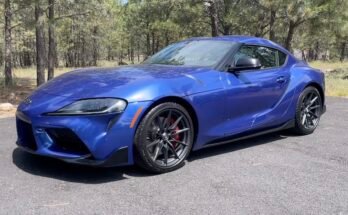
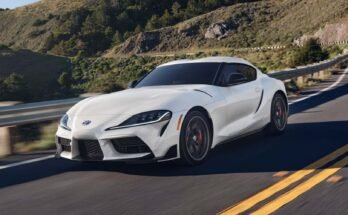
Owning a Porsche 911 brings thrilling driving, strong resale, and high running costs.
I have driven and worked on Porsche 911 models for years, so I know the car’s strengths and quirks up close. If you’re asking "What are the pros and cons of owning a Porsche 911?" this guide breaks the topic down clearly. Read on for practical advice, real-world costs, and hands-on tips that help you decide if a 911 fits your life and budget.

49% off Today's Exclusive Deals
Limited-time Exclusive Deals. Check current discount on Amazon.
Check Price on Amazon As an Amazon Associate I earn from qualifying purchases.
Why the Porsche 911 is special
The Porsche 911 is a sports car icon. It blends heritage, engineering, and daily usability like few others.
Porsche refined the 911 over decades. The car keeps a rear-engine layout and evolves each generation. That history shapes expectations. If you wonder "What are the pros and cons of owning a Porsche 911?" start by knowing why the car commands attention: it delivers a unique driving feel, strong resale value, and a deep enthusiast culture.
49% off Today's Exclusive Deals
Limited-time Exclusive Deals. Check current discount on Amazon.
Check Price on Amazon As an Amazon Associate I earn from qualifying purchases.
Pros of owning a Porsche 911
When asking "What are the pros and cons of owning a Porsche 911?" the pros are often the reasons buyers choose one. Below are core advantages.
- Driving experience — The 911 offers sharp steering, balanced handling, and fast acceleration. It feels alive on twisty roads and stable at speed.
- Build quality and engineering — Materials and fit are top-tier. Systems are engineered for performance and longevity.
- Resale and collectibility — 911s often hold value better than many sports cars. Special trims can appreciate.
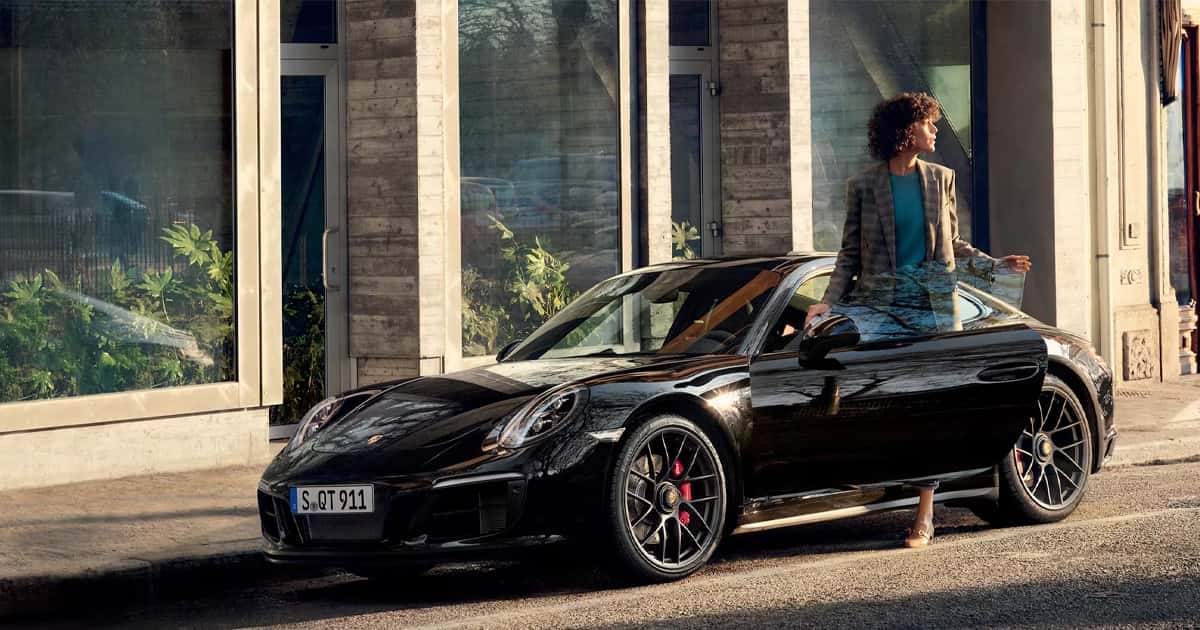
- Everyday usability — Many 911s work as daily drivers. They have usable trunks and quick cabin access.
- Model range — Coupe, Targa, Cabriolet, GT and Turbo variants fit different needs.
- Aftermarket and support — Strong community, many specialists, and abundant parts keep maintenance manageable.
- Brand cachet — Owning a 911 carries prestige. It opens doors in car circles and at events.
- Track capability — Many models are track-ready or easily upgraded for performance days.
These pros answer the question "What are the pros and cons of owning a Porsche 911?" from the upside viewpoint. They explain why owners stay loyal.
49% off Today's Exclusive Deals
Limited-time Exclusive Deals. Check current discount on Amazon.
Check Price on Amazon As an Amazon Associate I earn from qualifying purchases.Cons of owning a Porsche 911
Now consider the flip side of "What are the pros and cons of owning a Porsche 911?" The cons are real and worth planning for.
- Purchase cost — Even used 911s can be pricey. New models start high and options add quickly.
- Maintenance and repair costs — Service, tires, brakes, and parts cost more than mainstream cars. Labor at specialists is expensive.
- Insurance — Sports car premiums are higher, especially for younger drivers or high-performance trims.
- Fuel and running economy — Performance engines use more fuel. Expect higher pump costs.
- Ride comfort — Sport-tuned models can be stiff over rough roads. Not every trim is a soft cruiser.
- Limited rear space — Back seats are small. They often serve as storage, not passenger seats.
- Option complexity — Options significantly alter price and ownership satisfaction. Poor option choices can degrade value.
- Specialized repairs — Older models have known issues that need expert diagnosis. Some repairs require specialist tools.
These cons shed light on practical limits. If you still ask "What are the pros and cons of owning a Porsche 911?" weigh these carefully against the benefits.

Ownership costs and running expenses
When people ask "What are the pros and cons of owning a Porsche 911?" money is usually right behind passion. Here’s how costs break down.
- Depreciation — Many 911s retain value, but some model/option combos depreciate faster. Low-mile, well-maintained examples do best.
- Routine service — Oil, filters, brakes, and inspections are regular. Expect higher invoice totals than for non-luxury cars.
- Major service items — Clutch (manual), transmission, and suspension work can be costly once needed. Turbo models add complexity.
- Tires — High-performance tires wear faster and cost two to three times more than economy tires.
- Insurance and registration — Expect higher premiums and sometimes higher local taxes or fees.
- Fuel — Premium fuel is typical for most engines. Plan for that in monthly budget.
As someone who has tracked service bills for several 911s, I can say budgeting 1.5–3% of the car’s value per year for maintenance keeps surprises rare. If you still wonder "What are the pros and cons of owning a Porsche 911?" the costs side often decides ownership.

Real-world ownership: experience and practical tips
From personal experience, the best buys are well-documented, single-owner examples. I once bought a used 911 with clean service history and avoided a costly clutch job that a neglected car would have needed.
Practical tips:
- Get a pre-purchase inspection from a Porsche specialist before buying. This catches common issues early.
- Prioritize service history over small aesthetic faults. Mechanical care matters more.
- Consider certified pre-owned for added warranty peace of mind.
- Choose options that suit how you drive. Luxury packages add comfort. Sport options change ride and insurance.
- Learn maintenance intervals and shop for a trusted independent specialist to save money.
If you ask "What are the pros and cons of owning a Porsche 911?" these hands-on tips can swing your experience from stressful to joyful.

Should you buy a Porsche 911? A decision framework
Answering "What are the pros and cons of owning a Porsche 911?" depends on lifestyle and budget. Use this quick checklist.
- Do you value driving feel more than low ownership cost?
- Can you budget for higher maintenance, insurance, and tires?
- Will you use the car daily, weekend-only, or for track days?
- Do you want a modern convenience-focused 911 or a raw, classic feel?
- Are you prepared to find a specialist for service?
If most answers favor driving and passion over low cost, a 911 is a great fit. Otherwise, consider more affordable Porsche models or sporty alternatives.
Alternatives to consider
Some readers still ask "What are the pros and cons of owning a Porsche 911?" and decide another car fits better. Consider these options.
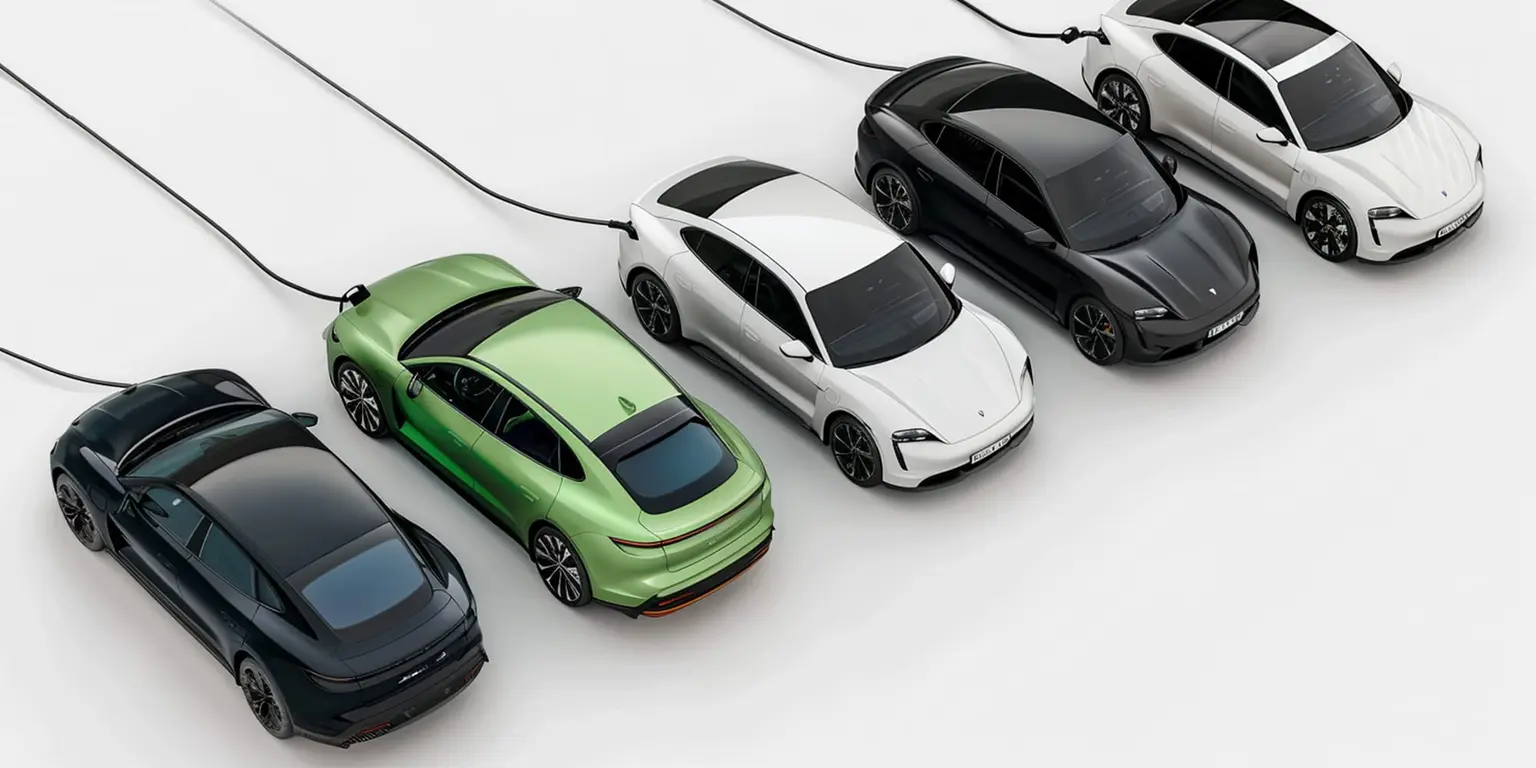
- Porsche Cayman or Boxster — Similar handling with mid-engine balance and often lower cost.
- Porsche Panamera or Macan — Keep brand cachet with more space or SUV practicality.
- BMW M4 or M3 — High performance with different costs and features.
- Audi R8 or Mercedes-AMG GT — Compete on performance and luxury but with different ownership profiles.
- Used 911 variants — Buying a well-maintained older 911 can offer the feel at lower cost, but inspect closely.
Each alternative resolves some cons of the 911 while giving up some of its special character. This helps answer "What are the pros and cons of owning a Porsche 911?" by comparison.
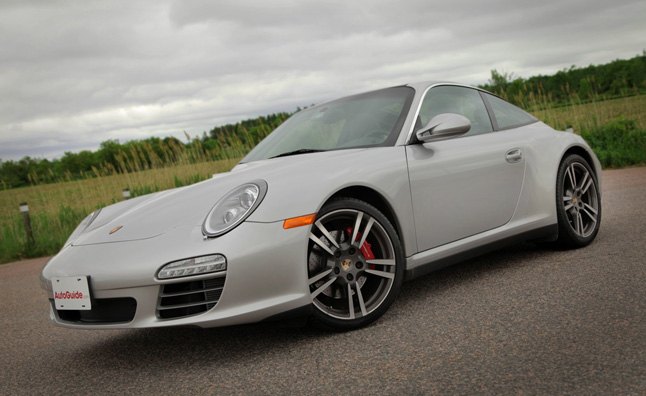
Frequently Asked Questions of What are the pros and cons of owning a Porsche 911?
Is a Porsche 911 reliable for daily driving?
Many modern 911s are reliable and fine for daily driving if well maintained. Regular service and a trusted mechanic are essential to avoid surprises.
How much does routine maintenance cost per year?
Expect routine maintenance to range widely, but budget roughly 1.5–3% of the car’s value annually for upkeep. Older or high-mileage cars may cost more.
Are repairs expensive for older 911 models?
Some older 911s need specialized repairs that can be costly. A thorough pre-purchase inspection helps identify expensive issues before buying.
Does a Porsche 911 hold its value?
Many 911 models retain value well compared to other sports cars. Special editions and well-kept examples often perform best in resale.
Is insurance for a Porsche 911 high?
Insurance is generally higher for a 911 than for average cars, especially for younger drivers and high-performance trims. Shopping around and bundling policies can lower rates.
Can a Porsche 911 be practical for a small family?
The 911 is more of a two-plus-two than a real family car. It works for short trips with a small family but lacks roomy rear seats for regular use.
Should I buy new or used?
Buying new gives warranty coverage and the latest tech, while used can offer better value. If you choose used, verify service history and get a specialist inspection.
Conclusion
Owning a Porsche 911 blends thrilling driving, strong brand appeal, and higher ownership costs. The clear pros include driving dynamics, build quality, and resale strength. The main cons are purchase price, maintenance costs, and some practical limits. If you crave a visceral driving experience and can budget for care, a 911 rewards with joy and pride. If cost or practicality is critical, consider alternatives or a well-chosen used model.
Decide by listing priorities, getting a pre-purchase inspection, and budgeting realistically. If you enjoyed this guide, leave a comment with your questions or subscribe for more ownership tips and real-world reviews.