Great range, cutting-edge tech, and low fuel costs—balanced by build quirks and repair delays.
I’ve spent years testing electric vehicles and helping buyers weigh choices. If you ask, "What are the pros and cons of owning a Tesla Model 3?" this guide breaks that question into clear facts, real-world experience, and practical tips. Read on for a balanced look at range, cost, reliability, charging, daily life, and whether a Model 3 fits your needs.

49% off Today's Exclusive Deals
Limited-time Exclusive Deals. Check current discount on Amazon.
Check Price on Amazon As an Amazon Associate I earn from qualifying purchases.
Overview of the Tesla Model 3
The Tesla Model 3 is a compact electric sedan. It blends strong range, fast acceleration, and a minimalist cabin. Popular trims offer rear-wheel drive, all-wheel drive, and performance variants. Many buyers choose it for daily driving, commuting, and tech features.
If you are asking "What are the pros and cons of owning a Tesla Model 3?" start with these basics: it is efficient, widely supported by chargers, and offers regular over-the-air updates. At the same time, it can have service wait times and higher out-of-warranty repair costs.
49% off Today's Exclusive Deals
Limited-time Exclusive Deals. Check current discount on Amazon.
Check Price on Amazon As an Amazon Associate I earn from qualifying purchases.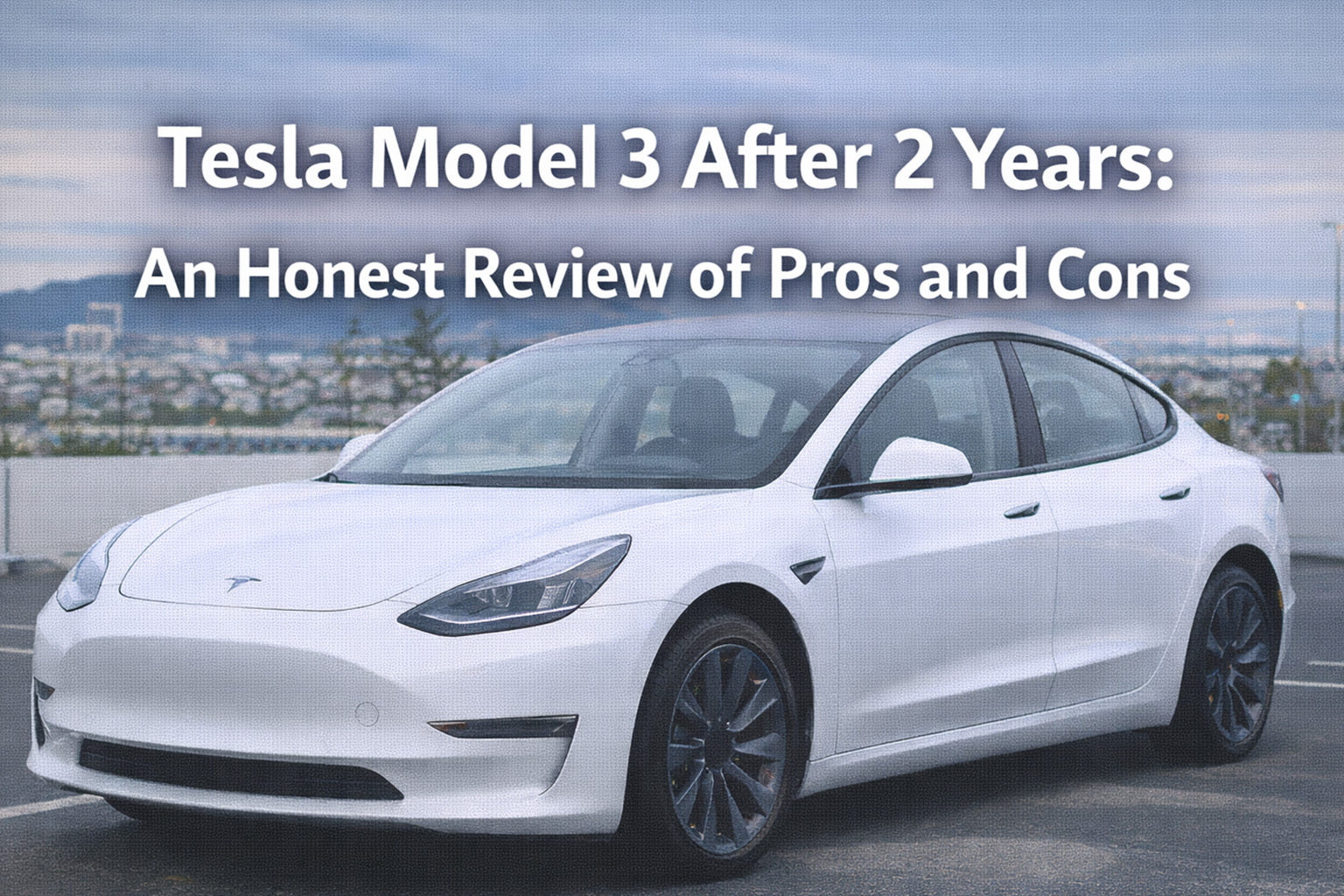
Key pros of owning a Tesla Model 3
If you want a quick list, here are the main benefits people find when asking "What are the pros and cons of owning a Tesla Model 3?"
- Long electric range and efficiency — Many trims deliver 250–350+ miles per charge in real use. This reduces range anxiety for daily and many longer trips.
- Strong performance and instant torque — Acceleration is brisk. The Performance model is notably quick and fun to drive.
- Supercharger network and charging ecosystem — Tesla’s chargers are fast and widespread. Charging is simple for most owners.
- Low running and energy costs — Electricity often costs less than gasoline per mile. Fewer moving parts mean reduced routine maintenance.
- Software, features, and OTA updates — Tesla adds and refines features remotely. Navigation, energy use, and safety features improve over time.
- Cabin and safety design — Minimalist interior, large touchscreen, and top-tier safety ratings in many tests.
- Resale demand and brand appeal — Teslas often retain value well and have strong buyer demand in used markets.
These pros explain why many people choose a Model 3 for daily driving. The car balances practicality with tech appeal.

49% off Today's Exclusive Deals
Limited-time Exclusive Deals. Check current discount on Amazon.
Check Price on Amazon As an Amazon Associate I earn from qualifying purchases.Key cons of owning a Tesla Model 3
To answer "What are the pros and cons of owning a Tesla Model 3?" we must weigh the downsides too.
- Build quality and fit‑and‑finish issues — Some owners report paint, trim, and panel gaps on delivery. These problems vary by year and factory.
- Repair costs and service wait times — Non-warranty repairs can be expensive. Service centers can have long appointment waits in busy regions.
- Reliability variability — Software bugs, sensor calibration, and hardware faults sometimes require updates or fixes.
- Limited dealer support and independent shop options — Tesla uses its own service model, which limits choice. Independent EV shops are catching up but parts can be constrained.
- Charging at home needs planning — A good home charger installation may cost several hundred to a few thousand dollars.
- Insurance costs — Insurance can be higher than average due to repair costs and parts.
- Autopilot and driver assistance concerns — The tech is advanced but requires attentive driving. Regulations and capabilities vary by region.
These cons are real but often manageable. If you ask "What are the pros and cons of owning a Tesla Model 3?" consider your local service network and charging options before buying.
Ownership costs, charging, and maintenance
When people ask "What are the pros and cons of owning a Tesla Model 3?" cost often tops the list. Here’s a clear breakdown.
- Purchase price and incentives — The entry price varies by trim and incentives. Check local tax credits and rebates. Incentives change often.
- Charging costs — Home charging is cheaper per mile than gas. Supercharging adds convenience but costs more than home electricity.
- Maintenance and service — Routine items include tires, wipers, and cabin filters. No oil changes or timing belts reduce routine spending.
- Repairs and parts — Body repairs and electronics can be costly. Warranty coverage matters. Consider an extended plan if available.
- Depreciation and resale — Model 3 has strong demand. Depreciation can be lower than some ICE cars, but market shifts affect value.
PAA-style question: What will charging at home cost per month?
- Monthly cost depends on local electricity rates and miles driven. For many drivers, charging at home costs a fraction of comparable gas costs.
PAA-style question: Are there hidden costs with a Tesla Model 3?
- Installation of a Level 2 charger, higher insurance, and potential out-of-warranty repairs are common hidden costs to plan for.

Source: youtube.com
Real-world experience, tips, and verdict
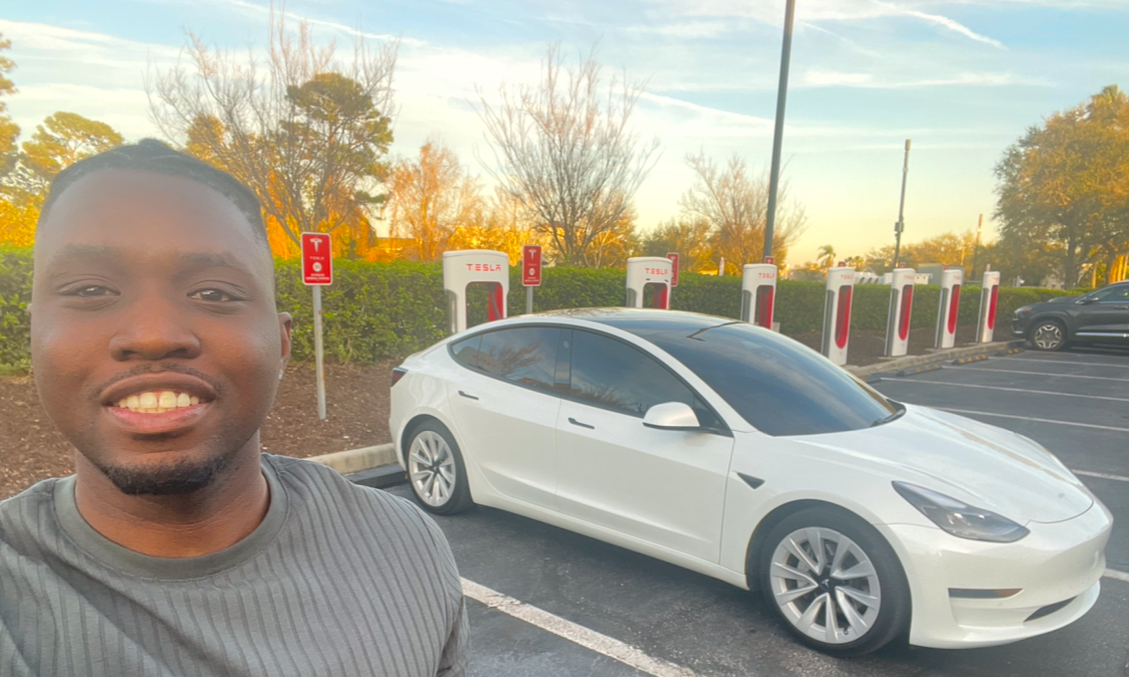
From my own time with a Model 3 I learned practical lessons. The car is easy to live with. It feels fast and quiet. The touchscreen controls most functions. You adapt quickly.
Tips from long-term use:
- Install a Level 2 home charger. It makes daily life simple.
- Keep firmware updates on a schedule. They fix bugs and add features.
- Inspect delivery carefully. Note any paint or trim issues before you drive off.
- Use scheduled charging to take advantage of lower electricity rates.
- Join local owner groups for service tips and trusted repair shops.
If your main question is "What are the pros and cons of owning a Tesla Model 3?" my verdict is this: for tech-forward drivers who value range and low running costs, the Model 3 is a strong choice. If you need robust dealer support or want minimal repair risk, look closely at service access and insurance.
Frequently Asked Questions of What are the pros and cons of owning a Tesla Model 3?
Is the Tesla Model 3 reliable for daily driving?
The Model 3 is generally reliable for daily use. Some owners report occasional software or fit issues, but many owners drive daily with few problems.
How far can a Tesla Model 3 go on a single charge?
Range varies by trim and driving style. Expect about 250 to 350+ miles in normal conditions, with real-world results depending on speed and climate.
Are running costs lower than gas cars?
Yes. Electricity per mile usually costs less than gasoline. Fewer routine maintenance items also lower ongoing costs.
How expensive are repairs and insurance?
Repairs can be pricey, especially for bodywork and electronics. Insurance tends to be higher than average, so get quotes first.
Do I need special charging infrastructure at home?
A Level 2 charger is recommended for convenience. You can charge with a standard outlet in a pinch, but it is much slower.
Can I use third-party chargers and adaptors?
Yes. The Model 3 can use many public chargers. Some adapters may be needed depending on the charger type and region.
Does Tesla Autopilot mean the car drives itself?
No. Autopilot assists driving but requires driver attention at all times. It is not a fully autonomous system.
Conclusion
Weigh the main points and ask yourself: do you value range, software features, and low running costs more than perfect fit and fast dealer service? The answer will guide your decision. If you want my practical advice, test drive a Model 3, check local service access, and estimate total ownership costs before buying. Take action: subscribe to updates, read owner forums, or schedule a test drive to see if the Model 3 fits your life.