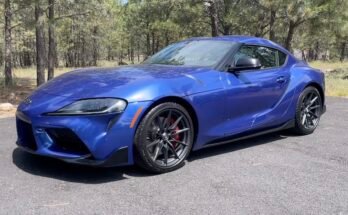
Porsche 911 combines active, passive, and structural safety systems for confident, high-speed driving.
I have spent years testing and writing about high-performance cars. I know what matters when you ask, "What are the safety features of the Porsche 911?" This guide breaks down every safety system you should know. I will explain how each feature works, why it matters, and how to use it in real life. Read on for a practical, expert view of Porsche 911 safety.

49% off Today's Exclusive Deals
Limited-time Exclusive Deals. Check current discount on Amazon.
Check Price on Amazon As an Amazon Associate I earn from qualifying purchases.
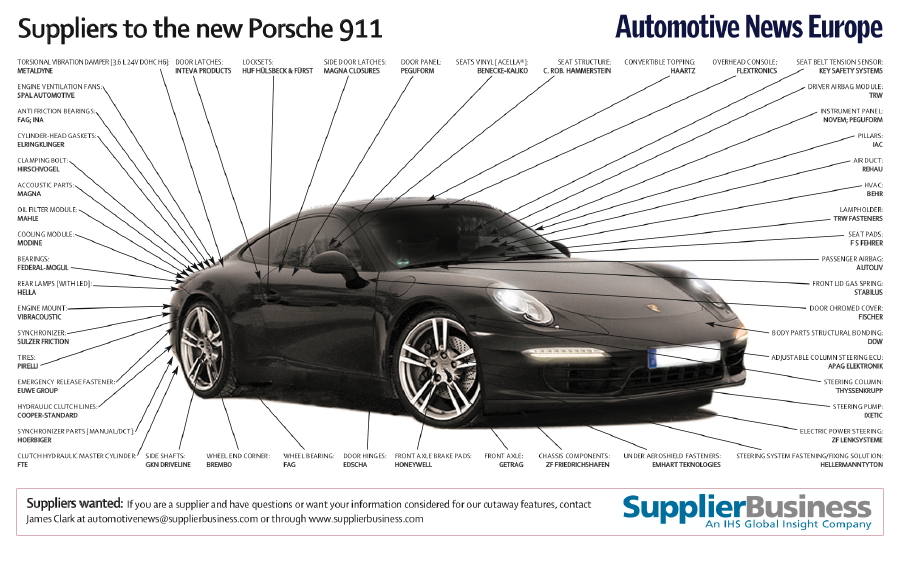
Overview of Porsche 911 safety design
When people ask, "What are the safety features of the Porsche 911?" they want both crash protection and driver aids. The 911 blends lightweight but rigid structure with high-tech sensors and smart software. The result is a car that reacts quickly and protects occupants in many scenarios. I’ll cover active systems, passive protection, chassis design, driver aids, testing, and real-world tips.
49% off Today's Exclusive Deals
Limited-time Exclusive Deals. Check current discount on Amazon.
Check Price on Amazon As an Amazon Associate I earn from qualifying purchases.Active safety features
What are the safety features of the Porsche 911? Active systems help you avoid accidents before they happen. Key systems include:
- Porsche Stability Management (PSM): Helps keep the car steady during sudden maneuvers.
- Anti-lock Braking System (ABS) and Electronic Brake-force Distribution: Improve stopping control under hard braking.
- Traction Control and Porsche Torque Vectoring (PTV): Manage wheel slip and improve cornering stability.
- Porsche Active Suspension Management (PASM) and Porsche Dynamic Chassis Control (PDCC): Adjust damping and roll to keep the car planted.
- Automatic Emergency Braking (AEB) and Collision Warning: Detect obstacles and apply brakes if necessary.
- Adaptive Cruise Control with Stop-and-Go: Helps maintain safe distance in traffic.
- Lane Keep Assist and Lane Departure Warning: Gently corrects drift from your lane.
- ParkAssist with Surround View and adaptive parking sensors: Makes low-speed maneuvers safer.
These systems work together. In testing, they shorten reaction time and reduce the chance of loss-of-control incidents. Using these systems properly improves safety more than relying on raw driving skill alone.
Passive safety features
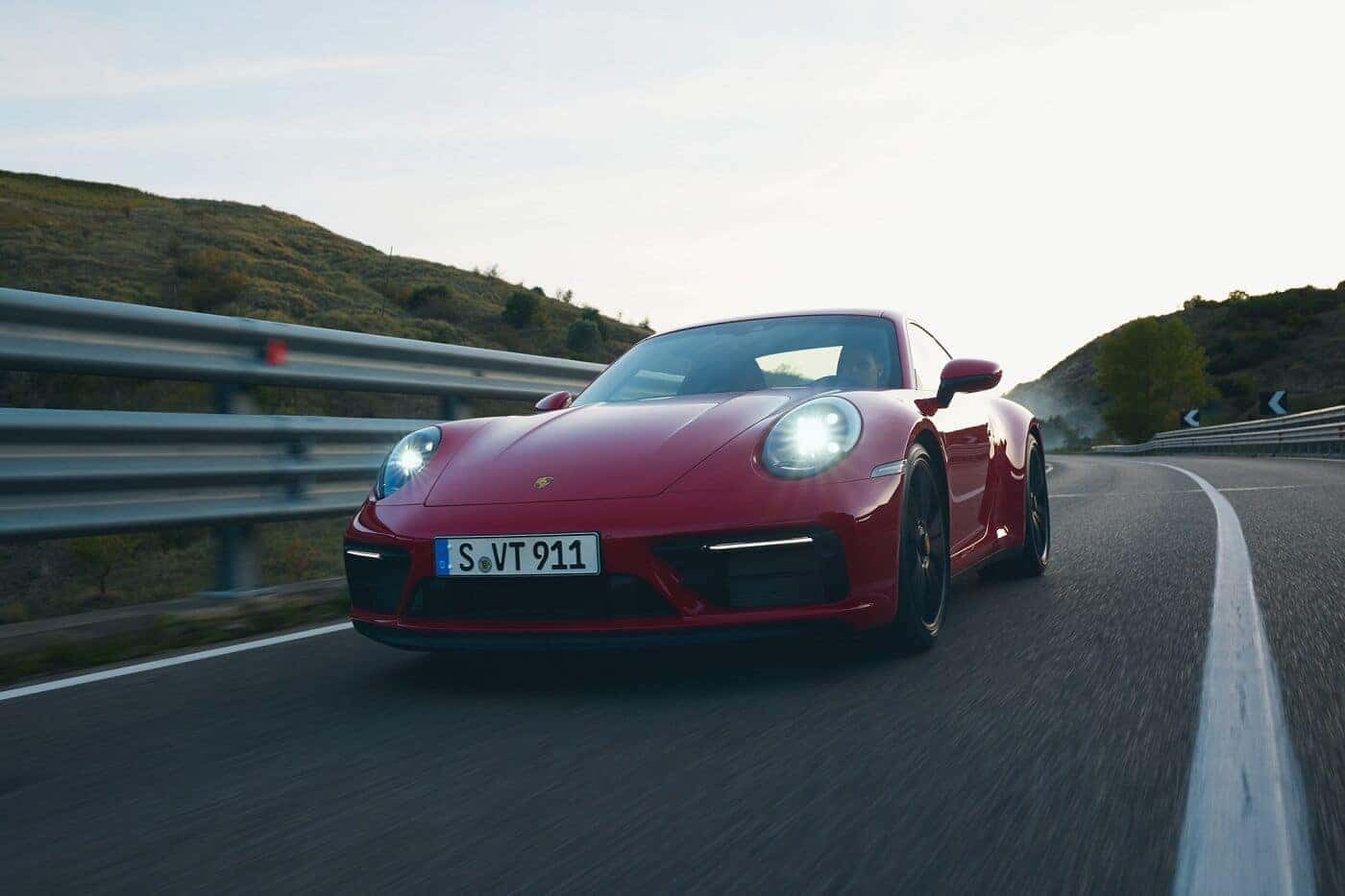
When avoidance fails, passive features protect occupants. Asking "What are the safety features of the Porsche 911?" should include these core protections:
49% off Today's Exclusive Deals
Limited-time Exclusive Deals. Check current discount on Amazon.
Check Price on Amazon As an Amazon Associate I earn from qualifying purchases.- Airbag suite: Front, side, and curtain airbags cushion impacts.
- Seatbelt pretensioners and load limiters: Secure occupants early in a crash.
- High-strength passenger cell: A rigid cage keeps the cabin intact.
- Crumple zones: Front and rear structures absorb crash energy before it reaches people.
- Impact-absorbing interior structures: Reduce injury from interior contact.
These passive systems are built to global crash standards. They work quietly in the background but make a big difference in survival and injury reduction.

Structural and chassis safety
Structure and suspension shape how a 911 behaves in a crash and on twisty roads. When you ask, "What are the safety features of the Porsche 911?" remember structure matters as much as electronics.
- Lightweight mixed materials: Aluminum and high-strength steel balance stiffness and crash energy absorption.
- Rear-engine layout benefits collisions: The engine mass can serve as a rear crumple structure in some impacts.
- Low center of gravity: Helps prevent rollovers and aids handling.
- Convertible roll protection: Deployable or fixed rollover bars protect occupants in a cabriolet.
- Fuel tank placement and protection: Designed to reduce fire risk in severe crashes.
A rigid, well-engineered chassis improves both crash outcomes and day-to-day handling. That dual role is central to Porsche’s safety philosophy.

Driver assistance and advanced tech
Driver aids turn data into safer decisions. "What are the safety features of the Porsche 911?" includes sensors, cameras, and smart algorithms.
- Multi-sensor setup: Radar and cameras support AEB, ACC, and lane keeping.
- Night Vision Assist (available on some trims): Alerts drivers to pedestrians and animals in low light.
- Traffic Sign Recognition: Keeps you aware of speed limits and warnings.
- Adaptive headlights and dynamic cornering lights: Improve vision through bends.
- Over-the-air and dealer updates: Keep safety software current.
PAA-style questions
- Q: Does the Porsche 911 have automatic emergency braking? A: Yes, modern 911s include AEB that uses radar and cameras to detect collisions and apply brakes automatically.
- Q: Are lane-keeping features reliable in the 911? A: They are reliable in clear lane markings and standard conditions, but they won’t replace attentive driving in poor weather or construction zones.
These systems augment the driver. They are not substitutes for attention and skill.

Testing, ratings, and maintenance
You might ask, "What are the safety features of the Porsche 911?" and then wonder about real-world reliability. Crash tests and upkeep matter.
- Crash testing: Porsche designs to meet or exceed regulatory crash tests in major markets. Ratings vary by model year and region.
- Regular maintenance: Brake, tire, and sensor upkeep keeps active systems reliable.
- Software calibration: Periodic checks ensure sensors and cameras align correctly.
- Dealer inspections: Recommended after collisions or sensor repairs to confirm system integrity.
Proper maintenance keeps safety systems functioning as designed. Neglect can degrade active safety and invalidate some protections.
Real-world tips and driving safety with a 911
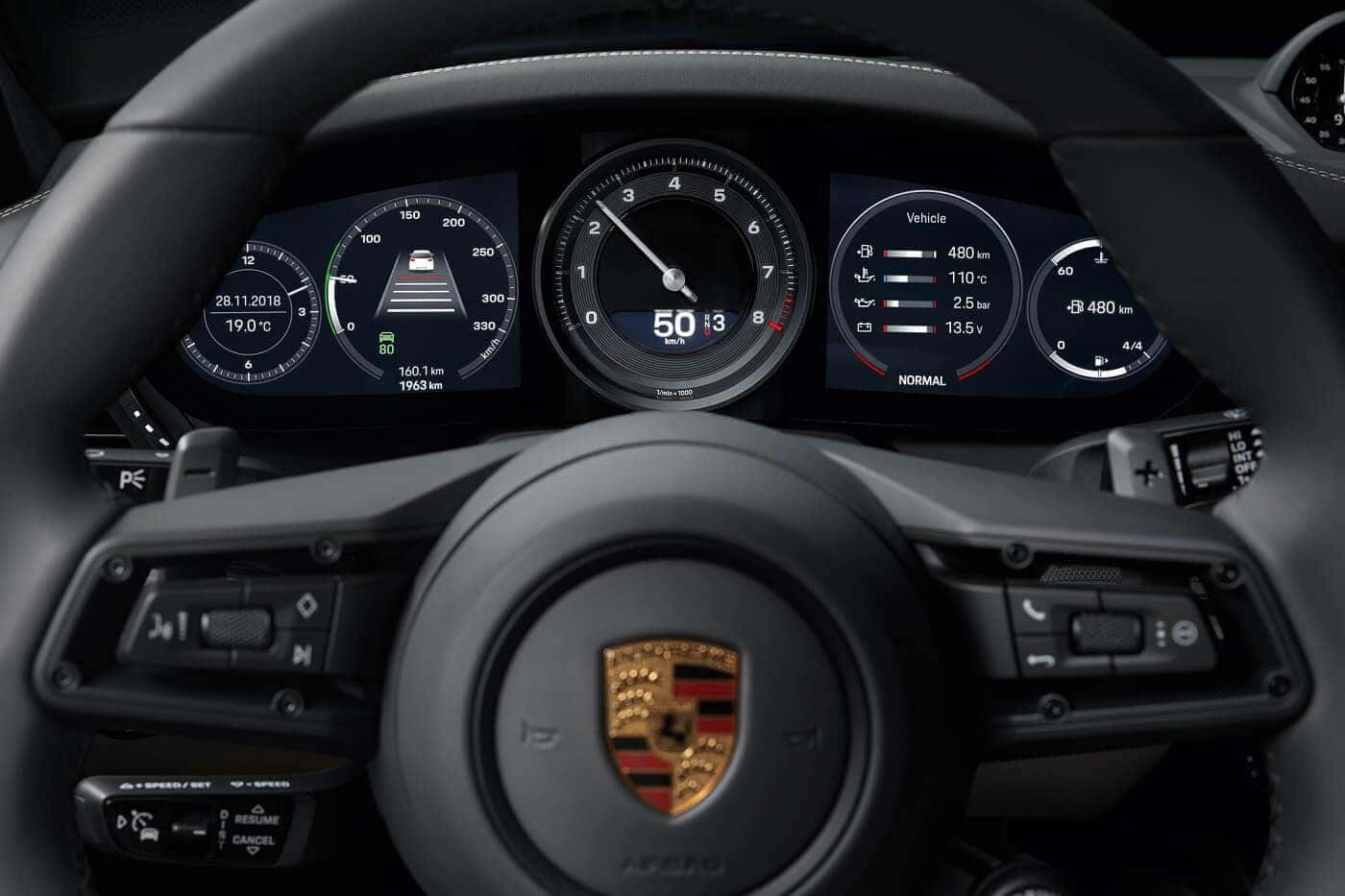
Safety features are tools. My time on track and road offers a few practical tips for using them well and understanding "What are the safety features of the Porsche 911?"
- Trust the aids, but stay attentive: Let systems assist, but keep hands on the wheel.
- Brake earlier than usual in wet conditions: High grip tires can still hydroplane.
- Use sport systems selectively: PASM and PDCC improve control, but aggressive settings reduce margin for error on icy roads.
- Enroll in a performance driving course: Learning car limits in a controlled environment improves safety on public roads.
- Tire choice matters: High-performance tires provide grip but age and wear change behavior. Replace timely.
One personal note: I once relied too much on adaptive cruise in heavy rain. The car slowed appropriately, but I had to intervene when a slower vehicle cut across. That experience taught me to treat driver aids as partners, not autopilots.

Frequently Asked Questions of What are the safety features of the Porsche 911?
What are the safety features of the Porsche 911?
The 911 combines active systems like PSM, ABS, AEB, and lane assist with passive protections such as airbags, crumple zones, and a rigid passenger cell. Structural design and advanced sensors complete the package.
Does the Porsche 911 have automatic emergency braking?
Yes. Modern 911 models offer AEB that uses radar and cameras to detect imminent collisions and apply brakes to reduce impact severity.
Are the Porsche 911 airbags comprehensive?
Yes. The 911 includes front and side airbags along with curtain protection, designed to work with seatbelt pretensioners for occupant safety.
How does the Porsche 911 perform in crash tests?
Performance varies by model year and region, but Porsche engineers design 911s to meet or exceed regulatory standards. Check your local safety ratings for specifics.
Do driver assistance systems make the 911 safer on highways?
Yes. Adaptive cruise control, lane keep assist, and traffic sign recognition ease highway driving and reduce the risk of human error, but they require driver attention.
Conclusion
Porsche 911 safety blends smart electronics, strong structure, and well-designed passive protection. Knowing "What are the safety features of the Porsche 911?" means understanding both tech and real-world use. Use driver aids wisely, maintain the car diligently, and consider training to get the most from these features. If you own or plan to buy a 911, explore driver courses, keep service records current, and test systems in safe conditions. Share your questions or experiences below, subscribe for updates, or leave a comment to continue the conversation.