Yes — most Chevrolet Corvettes perform best on 91 AKI (premium) gasoline; some models require it.
I’ve spent years working on performance cars and advising owners, and I’ll walk you through everything you need to know about Does the Chevrolet Corvette require premium fuel? Expect clear, practical answers. I’ll explain octane, engine protection, real-world trade-offs, fuel cost impacts, and exactly when you can safely use regular gas. Read on to make the best fueling choices for your Corvette and protect its performance and longevity.

49% off Today's Exclusive Deals
Limited-time Exclusive Deals. Check current discount on Amazon.
Check Price on Amazon As an Amazon Associate I earn from qualifying purchases.
Understanding Corvette fuel requirements and why they matter
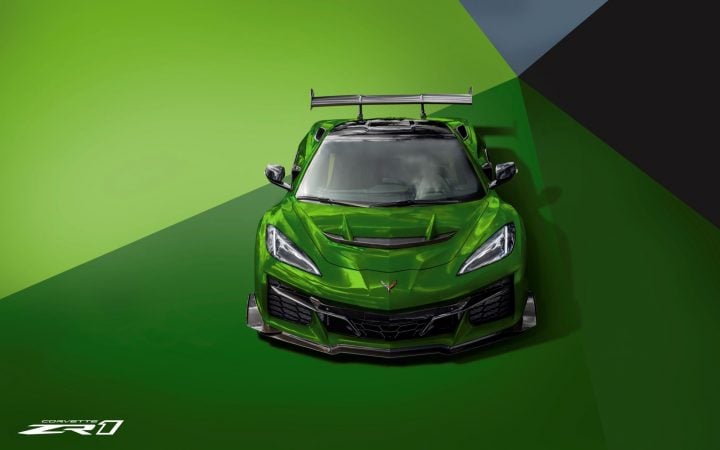
Many Corvette models are built with high-compression or turbocharged engines. Those engines are tuned for higher-octane fuel. So the question Does the Chevrolet Corvette require premium fuel? matters for more than just performance. It affects engine timing, power output, and long-term health.
High octane reduces knock. Knock is uncontrolled combustion that can harm pistons and bearings. Modern Corvettes use knock sensors and advanced tuning. Those systems can retard timing to avoid damage if lower octane is used. That prevents immediate failure but costs power and efficiency.
49% off Today's Exclusive Deals
Limited-time Exclusive Deals. Check current discount on Amazon.
Check Price on Amazon As an Amazon Associate I earn from qualifying purchases.
How octane works and what “premium” means
Octane rating measures a fuel’s resistance to knock. In the U.S., pump octane is given as AKI (the number you see on the pump). Premium gas usually means 91–93 AKI. Regular gas is typically 87 AKI.
When people ask Does the Chevrolet Corvette require premium fuel? they are really asking whether the engine needs higher knock resistance to run safely and at full power. Higher octane allows the engine to run more aggressive timing and higher boost, yielding better horsepower and throttle response.

49% off Today's Exclusive Deals
Limited-time Exclusive Deals. Check current discount on Amazon.
Check Price on Amazon As an Amazon Associate I earn from qualifying purchases.Manufacturer guidance and model differences
Always check your owner’s manual first. Chevrolet provides fuel recommendations by model and engine. Some Corvettes list premium (91 or higher) as recommended. A few high-performance variants effectively require premium to reach rated power.
Does the Chevrolet Corvette require premium fuel? The short practical rule I use: follow the manual. If the manual recommends 91+ AKI, use 91+ for best results. If it says 87 minimum and 91 recommended, you can use 87 in a pinch but expect reduced performance and possible slight fuel economy loss.

Can you use regular gas? Risks, trade-offs, and safe practices
You can sometimes use regular gas for short periods. But you will usually sacrifice performance and throttle response. The engine’s computer will pull timing to prevent knock. That reduces horsepower and may make the car feel sluggish.
Does the Chevrolet Corvette require premium fuel? For day-to-day driving, using regular gas occasionally won’t instantly ruin a modern Corvette. But long-term or frequent use of lower octane can make the engine run hotter, increase stress on components, and lower fuel economy. For peak performance and long-term reliability, use premium when recommended.
 considerations, and real-world impacts”
style=”max-width: 100%; height: auto; border: 2px solid black; border-radius: 10px; display: block; margin: 0 auto;”
loading=”lazy”
/>
Fuel economy, cost considerations, and real-world impacts
Premium fuel costs more per gallon. That’s a reality for owners to weigh. Higher octane fuel often gives slightly better mileage and restores full engine power. Whether it offsets the price premium depends on driving style and how often you push the car.
When evaluating Does the Chevrolet Corvette require premium fuel? consider total ownership cost. If you track the car or value every horsepower, premium is worth it. If you use the Corvette as a cruiser and the manual allows 87, you can save money by using regular occasionally, but expect reduced performance and a different driving feel.
Practical fueling and maintenance tips from experience
From my shop experience, these tips help Corvette owners:
- Check the owner’s manual. The manual gives the definitive recommendation for your year and engine.
- Use premium for spirited driving. You’ll regain power and responsiveness immediately.
- Avoid long-term use of lower octane. It can cause more wear and less consistent performance.
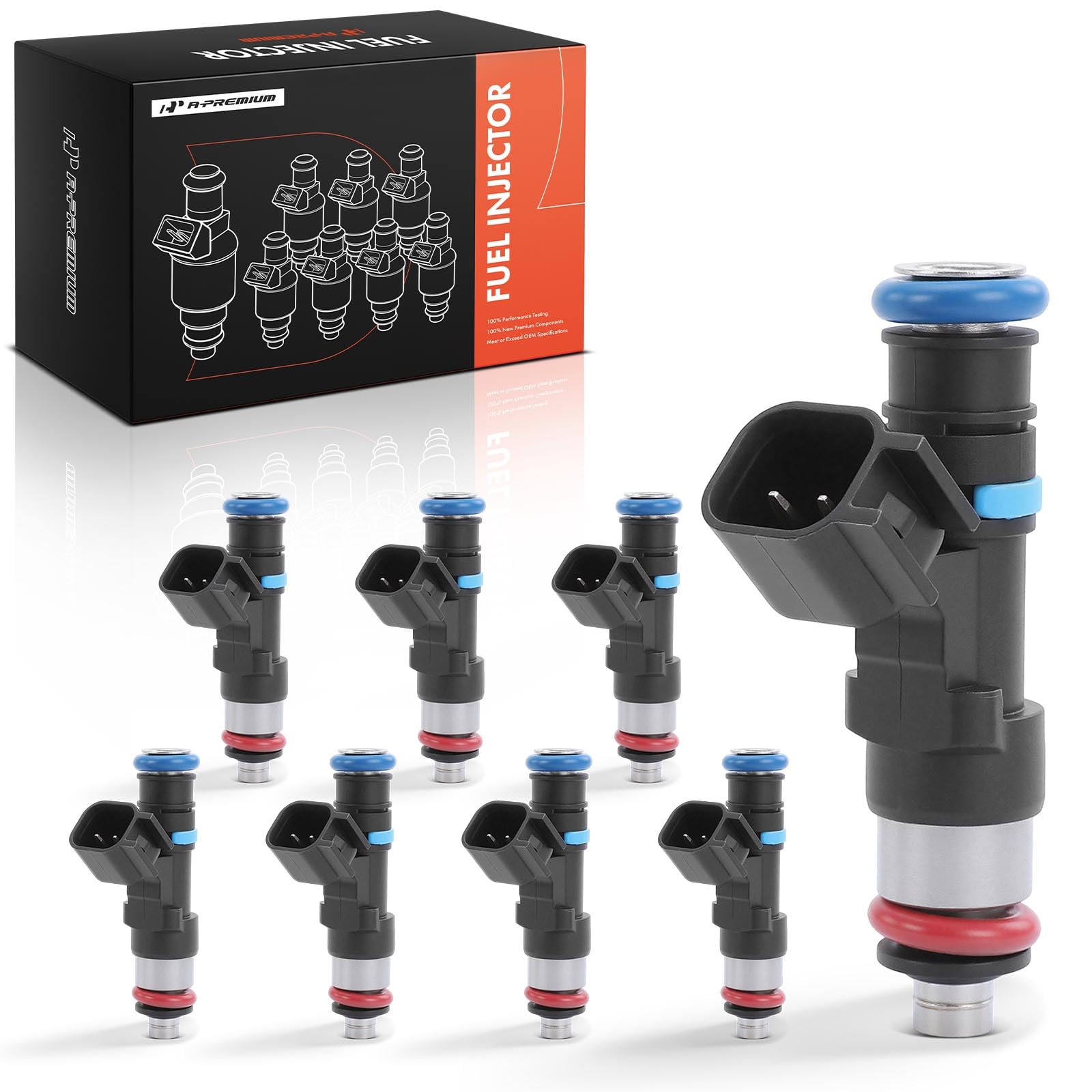
- Keep the fuel system clean. Quality fuel and periodic injector cleaning help knock control work better.
- Monitor knock and drivability. If you hear pinging or feel hesitation, stop using lower-octane fuel and inspect the car.
Does the Chevrolet Corvette require premium fuel? If you want predictable performance and long-term engine health, the answer is yes for most Corvettes I’ve worked on.

Quick PAA-style questions
What octane rating does a Corvette typically need?
- Most modern Corvettes recommend 91 AKI or higher for optimal performance. Some older or base models may accept 87 as a minimum.
Will using regular gas hurt a Corvette immediately?
- Using regular gas briefly won’t usually cause immediate failure. However, regular use can reduce power and may raise long-term stress on the engine.
Can the Corvette’s computer adapt to lower octane?
- Yes. The ECU retards timing and reduces boost when needed. That protects the engine but lowers performance.

Source: amazon.com
Frequently Asked Questions of Does the Chevrolet Corvette require premium fuel?
Does the Chevrolet Corvette require premium fuel for all model years?
Most model years recommend premium for peak performance. Some older base models list 87 as acceptable, but many modern Corvettes are tuned for 91+ AKI.
What happens if I use lower-octane gas in my Corvette?
The ECU will adjust timing to prevent knock, which reduces power and may lower fuel economy. Long-term frequent use can increase engine stress.
Can using premium fuel improve fuel economy in a Corvette?
Premium can slightly improve fuel economy if it allows the engine to run at optimal timing. Gains vary and may not fully offset the higher per-gallon cost.
Is premium fuel required for Corvette Z06 and supercharged models?
High-performance variants often require or strongly recommend premium. Their higher compression and boost make higher octane more critical.
How do I find the correct fuel for my specific Corvette?
Check the owner’s manual or the inside of the fuel filler door. Those sources will specify minimum and recommended octane ratings.
Will higher octane fuel clean or protect the engine better?
Higher octane resists knock; it does not inherently clean the engine. Use quality detergents or occasional fuel system cleaners if recommended.
If the manual says “recommended” 91 but “minimum” 87, what should I do?
For normal driving you can use 87 in a pinch. For best performance and longevity, use 91 as recommended.
Conclusion
Most Chevrolet Corvette models perform best with premium 91+ AKI fuel, and many are effectively built to need it for rated performance. If you want consistent power, the best throttle response, and reduced long-term risk, follow the owner’s manual and use premium when recommended. My practical advice: treat premium as part of owning a high-performance car—use it regularly, monitor engine behavior, and prioritize maintenance to protect your investment. If this helped, leave a comment with your Corvette model or fueling questions, or subscribe for more practical, experience-based advice.