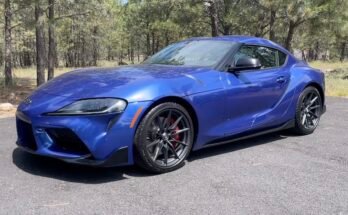
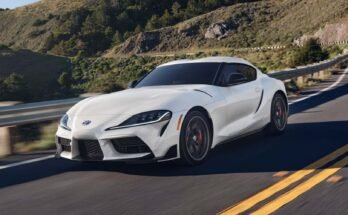
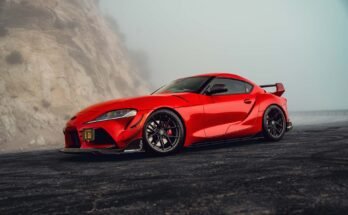
Yes — the Porsche 911 can be a very practical and enjoyable daily driver for many owners.
I’ve spent years driving and testing Porsche 911 models in real-life city commutes, long highway runs, and weekend road trips. This guide breaks down how the Porsche 911 works as a daily car, what to expect, and the trade-offs to weigh. You’ll get plain answers, hands-on tips, and a buying checklist so you can decide if the Porsche 911 daily driving life fits your needs and budget.
49% off Today's Exclusive Deals
Limited-time Exclusive Deals. Check current discount on Amazon.
Check Price on Amazon As an Amazon Associate I earn from qualifying purchases.
What makes the Porsche 911 suitable or challenging for daily driving?
The Porsche 911 daily driving experience comes from a mix of sportscar charm and practical engineering. The car has strong acceleration, agile handling, and modern comforts that make commuting fun. At the same time, the rear-engine layout and low ground clearance can be tricky in tight urban spots and steep driveways.
Key attributes that affect daily use
49% off Today's Exclusive Deals
Limited-time Exclusive Deals. Check current discount on Amazon.
Check Price on Amazon As an Amazon Associate I earn from qualifying purchases.- Engine and layout: Rear-mounted, often turbocharged engines give excellent traction and punch on highways.
- Ride and comfort: Modern 911s offer adaptive suspension that softens the ride for daily use.
- Size and footprint: The 911 is compact compared with many luxury cars, which helps parking and maneuvering.
- Practical limits: Small trunk space and limited rear seats reduce family-hauling capability.
From my experience, the Porsche 911 daily driving feel is more usable than most people expect. It is not a grocery-getter by default, but with adjustments it can handle daily demands with style and efficiency.
Comfort, space, and ergonomics for daily use
Cabin comfort in recent 911 models is strong. Seats are supportive and adjustable. The cockpit is driver-focused, with controls that are easy to reach.
Practical space notes
49% off Today's Exclusive Deals
Limited-time Exclusive Deals. Check current discount on Amazon.
Check Price on Amazon As an Amazon Associate I earn from qualifying purchases.- Front trunk and small rear shelf offer usable cargo for a week of groceries or a couple of duffel bags.
- Rear seats are best for small kids or additional storage, not full-time adults.
- Climate control, heated seats, and sound systems in modern models are on par with luxury sedans.
I often ran errands and did short commutes in a 911. For solo drivers or couples, the layout works well. If you need lots of space daily, look elsewhere or consider creative packing.

Performance and drivability in city and highway traffic
The Porsche 911 daily driving traits shine on open roads and tight turns. Turbochargers give quick response at low RPMs, which helps in stop-start traffic. Steering is precise and gives confidence in busy lanes.
How it behaves in common scenarios
- City driving: Easy to place on the road. Low speed manners are stable, but engine note and throttle response can be lively.
- Highway cruising: Smooth and comfortable. The 911 excels at long runs.
- Traffic stops: Some models have sporty gearboxes that can feel abrupt. Choose an automatic PDK for smoother urban driving.
My tip: choose the PDK automatic and adaptive suspension if you expect lots of city miles. That combo makes Porsche 911 daily driving far more relaxed and friendly.

Fuel economy and running costs
Expect higher fuel costs than a compact commuter. The Porsche 911 daily driving fuel economy varies by model and driving style. Modern 911s show respectable highway MPG but sip more in city traffic.
Cost factors to consider
- Fuel type: Premium gasoline is usually required.
- Tires: High-performance tires wear faster and cost more.
- Brakes: Sport brakes can be expensive when replaced.
From ownership data and my experience, budget for above-average fuel and consumable costs. The joy of driving helps, but the bills arrive reliably.

Maintenance, reliability, and ownership costs
Porsche 911 models generally have strong reliability when maintained. Yet service and repairs cost more than mainstream cars. Regular maintenance keeps the 911 healthy and preserves resale value.
Ownership checklist
- Service intervals: Follow the manufacturer schedule for inspections and fluid changes.
- Warranty and service plans: Consider certified pre-owned or extended plans to control costs.
- Known items: High-mileage wear items include clutches on manual cars, suspension bushings, and cosmetic trim.
I’ve found that proactive maintenance reduces surprise bills. Buying from a reputable dealer and keeping service records helps maintain trust and value.
Practical tips for making a Porsche 911 your daily driver
Small changes make a big difference in daily comfort and durability. Here are practical steps I use and recommend.
Practical setup steps
- Choose PDK over manual for smoother traffic life.
- Opt for adaptive suspension or Sport React for better ride control.
- Fit winter tires in cold climates to protect the car and improve traction.
- Park with care; low front lip and rear overhang can scrape steep curbs.
- Keep a basic care kit: tire inflator, microfiber cloth, and small tool kit.
PAA-style questions
Can I use a Porsche 911 as my only car?
Yes. Many owners use the Porsche 911 daily, especially those who don’t need large cargo space. Choose options that improve ride comfort and packability.
Is fuel economy terrible for daily driving?
Not terrible, but not economy-car level. Modern 911s can be efficient on highways, but expect higher city fuel use and premium gas costs.
Do 911s need frequent repairs for daily use?
No, if maintained. Routine service prevents most issues, but parts and labor cost more than mainstream cars.
Alternatives and comparisons
If the Porsche 911 daily driving trade-offs are a concern, compare a few alternatives. Each offers different balance between sport and daily comfort.
Consider these:
- Porsche 718 models: Smaller and lighter, but less cabin room.
- Porsche Panamera: More space and comfort with strong performance.
- High-end sports sedans: Offer sport feel with more daily practicality.
- Certified pre-owned 911: Lower upfront cost with warranty coverage.
From test drives, the Panamera fits families better. The 911 remains the purest sportscar choice for drivers who value engagement first, with daily usability as a close second.
Final buying checklist and test-drive advice
Use this checklist when you inspect or test-drive a Porsche 911 for daily driving.
Pre-purchase checklist
- Verify service history and any major repairs.
- Test PDK and suspension in both normal and sport modes.
- Drive typical daily routes to check clearance and comfort.
- Inspect tires, brakes, and underbody for wear from curbs.
- Confirm infotainment, climate controls, and driver aids work well.
During a test drive, spend at least 30 minutes in real traffic. Try parking in your typical spots. These steps reveal how the Porsche 911 will fit into daily life.
Frequently Asked Questions
Is the Porsche 911 comfortable for daily commuting?
Yes. Modern 911s have improved ride comfort and supportive seats that make daily commuting pleasant for most drivers. Choosing adaptive suspension enhances comfort further.
How much does it cost to insure a Porsche 911?
Insurance varies by driver age, location, and car model. Expect higher premiums than average cars due to performance, repair costs, and vehicle value.
Will a Porsche 911 fit in a tight garage or garage with a steep ramp?
Often yes, but measure first. The low front lip and rear overhang can scrape ramps, so test your exact garage before buying.
Do I need winter tires to drive a 911 in snow?
Winter tires are strongly recommended in snowy regions. They greatly improve grip on cold roads and protect the car and occupants.
Is a manual transmission better for daily driving?
Manuals can be fun but require more work in traffic. For daily driving, the PDK automatic is usually more convenient and fuel-efficient.
How reliable is a used Porsche 911?
Used 911s can be reliable if well-maintained. Look for full service records and consider certified pre-owned programs for added peace of mind.
Can I carry passengers in the back seats?
Back seats are small and best for children or short trips. For regular adult passengers, consider a Panamera or SUV for more comfort.
What are the common maintenance costs I should expect?
Expect higher-than-average costs for tires, brakes, and scheduled services. Major items like engine or transmission service are less frequent but expensive.
Conclusion
The Porsche 911 daily driving fit depends on your priorities. If you value driving engagement, precise handling, and a premium cabin, the 911 delivers an unusually usable daily package. If you need lots of cargo space, frequent rear-seat hauling, or the lowest running costs, consider alternatives or plan for the higher upkeep.
Actionable takeaway: test-drive a 911 on your real commute, check garage clearances, and choose options that soften ride and boost daily comfort. If the Porsche 911 daily driving trade-offs match your lifestyle, you’ll get a car that makes everyday travel genuinely fun.
If this helped, leave a comment sharing your priorities or sign up for more buying guides and real-world tips.