The Porsche 911 offers 379–640+ horsepower, 0–60 in 2.6–4.0 seconds, and razor-sharp handling.
I’ve spent years writing about and driving sports cars, and I’ll walk you through the performance specs of the Porsche 911 with clear detail. This article breaks down engines, acceleration, handling, brakes, fuel use, real-world notes, and ownership realities so you can understand what each 911 model delivers and why it feels special on road and track. Read on for exact numbers, practical tips, and hands-on insights.

49% off Today's Exclusive Deals
Limited-time Exclusive Deals. Check current discount on Amazon.
Check Price on Amazon As an Amazon Associate I earn from qualifying purchases.
Quick overview: what the performance specs of the Porsche 911 mean
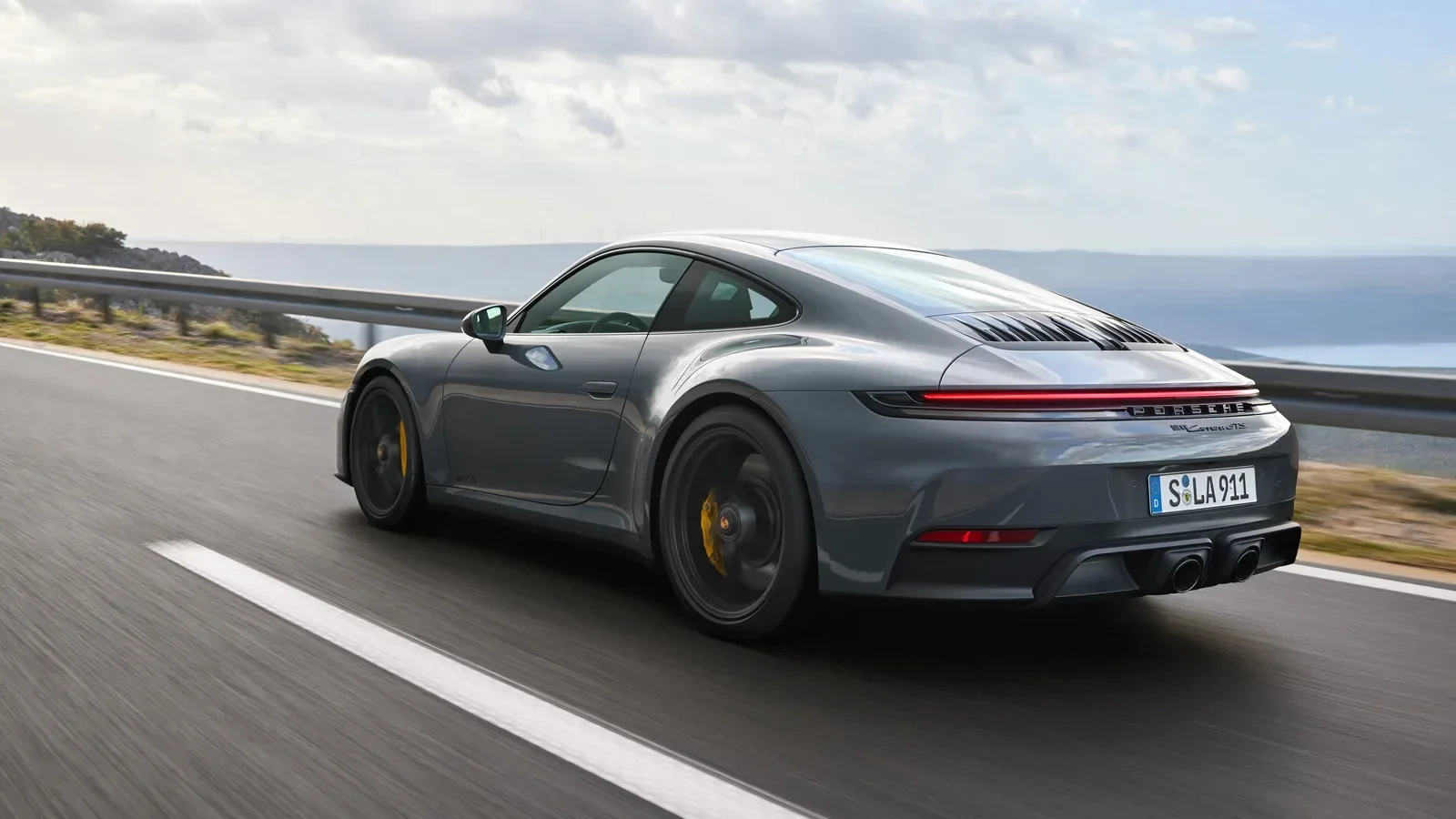
The performance specs of the Porsche 911 describe how the car accelerates, stops, corners, and performs in everyday and track use. These specs include horsepower, torque, transmission options, 0–60 times, top speed, curb weight, and braking performance. The 911 lineup ranges from usable daily sports cars to extreme track weapons, so the numbers change a lot by trim. I’ll show ranges and examples so you can compare models and pick the one that fits your goals.
49% off Today's Exclusive Deals
Limited-time Exclusive Deals. Check current discount on Amazon.
Check Price on Amazon As an Amazon Associate I earn from qualifying purchases.Engine options and powertrains
Porsche offers several engine layouts and tunes across the 911 range. The performance specs of the Porsche 911 depend largely on the engine and drivetrain you choose.
- 3.0L twin-turbo flat-six: Common in Carrera and Carrera S models. Power varies by tune. It balances daily usability and strong midrange torque.
- 4.0L naturally aspirated flat-six: Found in GT3 models. High-revving, track-focused, and praised for throttle response and sound.
- Twin-turbocharged high-output engines: Used in Turbo and Turbo S models. They deliver the top-end horsepower and fastest straight-line performance.
- Transmissions: 8-speed PDK dual-clutch automatic is standard on most models. A 7-speed manual is offered on select trims for purists.
- Drivetrain: Rear-wheel drive is standard on base models. All-wheel drive is available on Carrera 4 models and standard on Turbo variants.
Example power figures and how they affect performance specs of the Porsche 911
- Carrera (base): roughly 379 hp. Practical and quick in daily use.
- Carrera S / GTS: roughly 443–473 hp. More punch and sharper throttle response.
- Turbo / Turbo S: up to about 640 hp in top trims. Best for blistering acceleration.
- GT3: around 500+ hp from a naturally aspirated engine with a 9,000 rpm redline.
Acceleration, 0–60 times, and top speed
Acceleration is where the performance specs of the Porsche 911 really shine. Numbers change with trim and tires.
49% off Today's Exclusive Deals
Limited-time Exclusive Deals. Check current discount on Amazon.
Check Price on Amazon As an Amazon Associate I earn from qualifying purchases.- 0–60 mph ranges: roughly 2.6–4.0 seconds across the lineup. Turbo S models are at the low end. Carrera trims sit toward the higher end of this range.
- Quarter mile: many Turbo and GT3 models run mid-10s to low-11s, depending on conditions.
- Top speed: commonly between 182 mph and 205+ mph depending on model and gearing.
Real factors that affect these performance specs of the Porsche 911
- Tire compound and temperature
- Road surface and altitude
- Driver launch technique and traction control settings
Handling, chassis, and suspension tech
Handling defines the 911’s reputation. The performance specs of the Porsche 911 include advanced chassis systems that sharpen cornering and driver confidence.
- Porsche Active Suspension Management (PASM): adapts damping to road and driving style.
- Porsche Torque Vectoring and active differentials: improve turn-in and balance.
- Rear-axle steering: available on many models to shorten effective wheelbase at low speeds and stabilize at high speeds.
- Lightweight structural design: keeps the center of gravity low and improves responsiveness.
How this affects real-world driving
- The car feels balanced and communicative in corners.
- Electronic aids keep the car fast and predictable when pushed.
- Stiff settings are firm on road; softer modes help daily comfort.

Braking, wheels, and tires
Stopping power and grip are part of the performance specs of the Porsche 911 that matter most on track days and spirited drives.
- Brake systems: steel brakes are strong. Carbon-ceramic brakes are optional and reduce fade and weight.
- Braking distances: Porsche brakes deliver short stops from speed; performance numbers depend on pad compound and tires.
- Tires: factory options include ultra-high-performance road tires and track-focused compounds, which change lap times and feel.
- Wheel sizes: larger wheels improve contact patch and braking leverage but can affect ride comfort.

Fuel economy, curb weight, and practicality
Performance figures are balanced against weight and efficiency. The performance specs of the Porsche 911 also reflect these trade-offs.
- Fuel economy: varies by model and tune; expect mid-to-high teens in city driving and low-to-mid 20s on highways for many trims. Track and spirited driving drops mpg significantly.
- Curb weight: typically around 3,200–3,700 pounds depending on options and model. Lightweight track variants drop weight via composites and carbon parts.
- Practicality: small rear seats and useful front trunk add everyday usability. The 911 remains more usable daily than many supercars.

Real-world driving impressions and personal experience
I’ve driven multiple 911 variants on road and track. The performance specs of the Porsche 911 translate directly to driver confidence and enjoyment.
- On twisty roads the steering is precise and the chassis reacts on command.
- Turbo models launch hard with relentless thrust. GT3 models reward high-rev driving and feel alive through tight corners.
- For daily use, a Carrera S with PDK strikes a great balance between comfort and performance.
Tips from hands-on experience
- Choose PDK if you want repeatable fast launches and quick shifts.
- Take advantage of ceramic brakes only if you track the car often; they are costly and can be grabby in city use.
- Tires are the single biggest upgrade for real-world grip—choose compound for your typical driving.
?dpl=dpl_FFCXzWQk3dMf7U5zNBWvpbzr2JKF)
Maintenance, limitations, and ownership costs
Performance comes with costs. The performance specs of the Porsche 911 are impressive, but ownership requires planning.
- Maintenance: routine services are straightforward but premium parts and labor carry a cost premium.
- Tires and brakes wear faster with spirited driving. Track use increases service frequency.
- Insurance and depreciation: performance trims cost more to insure and can depreciate differently depending on demand and rarity.
Common limitations to keep in mind
- Tight rear seats limit passenger use. Not ideal for families.
- Fuel and insurance costs are higher than average cars.
- Some track-focused models sacrifice ride comfort for performance.

Frequently Asked Questions of What are the performance specs of the Porsche 911?
What is the horsepower range for the Porsche 911?
Horsepower ranges roughly from about 379 hp in base models up to around 640 hp in top Turbo S trims. Track-focused GT3 models sit in the 500+ hp range with high-revving NA engines.
How fast is a Porsche 911 from 0 to 60 mph?
Expect 0–60 mph times between about 2.6 and 4.0 seconds across the lineup. Turbo S models are the quickest, while base Carrera models are still very quick.
Does the Porsche 911 have a manual transmission option?
Yes. Select 911 models offer a 7-speed manual for drivers who prefer a traditional shift feel. Most buyers choose the 8-speed PDK for faster shifts and better launches.
What affects the real-world performance specs of the Porsche 911?
Tires, temperature, altitude, driver skill, and vehicle setup affect real-world numbers. Track-ready tires and launch control produce the best times.
Are carbon-ceramic brakes worth it for the Porsche 911?
Carbon-ceramic brakes reduce fade and unsprung mass, which helps track performance. They are costly and can feel grabby in daily use, so they are best for frequent track drivers.
Conclusion
The performance specs of the Porsche 911 span a wide range. From a comfortable, quick daily driver to a full-on track car, the 911 delivers engine choices, sharp handling, and top-tier braking that match many driving goals. Decide what you value most—straight-line speed, high-rev thrills, or all-around balance—and pick the trim that fits. If you want help choosing a model based on your driving style, leave a comment or subscribe for more detailed comparisons and real-world test notes.