Most modern Supras use BMW-sourced turbocharged engines; classic Supras used Toyota inline‑six engines.
I’ve spent years researching and driving performance cars, and I’ll walk you through exactly what engine the Toyota Supra uses across generations. This guide explains the engines found in classic and modern Supras, what they deliver, their tuning potential, and how to choose the right Supra engine for your needs. Read on for clear facts, real-world insights, and practical tips from hands-on experience.

49% off Today's Exclusive Deals
Limited-time Exclusive Deals. Check current discount on Amazon.
Check Price on Amazon As an Amazon Associate I earn from qualifying purchases.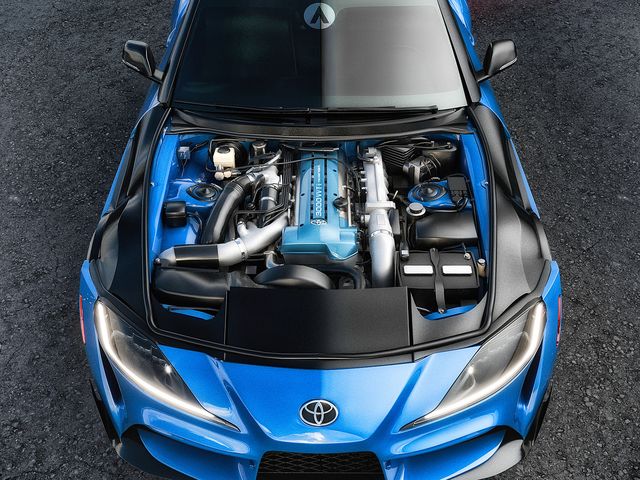
A quick history of what engine the Toyota Supra uses
The question "What engine does the Toyota Supra use?" has a different answer depending on the model year. Early Supras used Toyota’s in-house inline‑six engines. The iconic fourth generation is best known for the 2JZ inline‑six. The latest Supra models use BMW‑sourced turbo engines in both 3.0L and 2.0L forms.
This history matters when you ask what engine the Toyota Supra uses because parts, tuning, and ownership experience change by generation. I’ll break down each major engine, list real specs, and share what owners can expect today.
49% off Today's Exclusive Deals
Limited-time Exclusive Deals. Check current discount on Amazon.
Check Price on Amazon As an Amazon Associate I earn from qualifying purchases.
Key Supra engines and what they offer
Below are the major engines people ask about when they wonder "What engine does the Toyota Supra use?"
-
2JZ-GTE (Mark IV, 1993–2002)
- Twin‑turbo 3.0L inline‑6. Known for high strength and boost potential.
- Stock power varies by market, and it responds well to bolt‑ons and turbo upgrades.
-
2JZ-GE (Mark IV, 1993–2002)
Deal49% off Today's Exclusive Deals
Limited-time Exclusive Deals. Check current discount on Amazon.
Check Price on Amazon As an Amazon Associate I earn from qualifying purchases.- Naturally aspirated 3.0L inline‑6. Smooth and strong for daily driving.
- Less tuning headroom than the GTE, but reliable and torquey.
-
7M-GTE and 7M-GE (Mark III, 1986–1992)
- 7M-GTE is a turbo 3.0L inline‑6; 7M-GE is the naturally aspirated twin‑cam version.
- These engines delivered good midrange torque and early Supra turbo character.
-
M-series and 5M/4M engines (early Celica Supra, late 1970s to mid‑1980s)
- Inline‑6 engines of 2.6L–2.8L that powered early Supra models.
- Simpler tech, easy to work on, limited by modern standards.
-
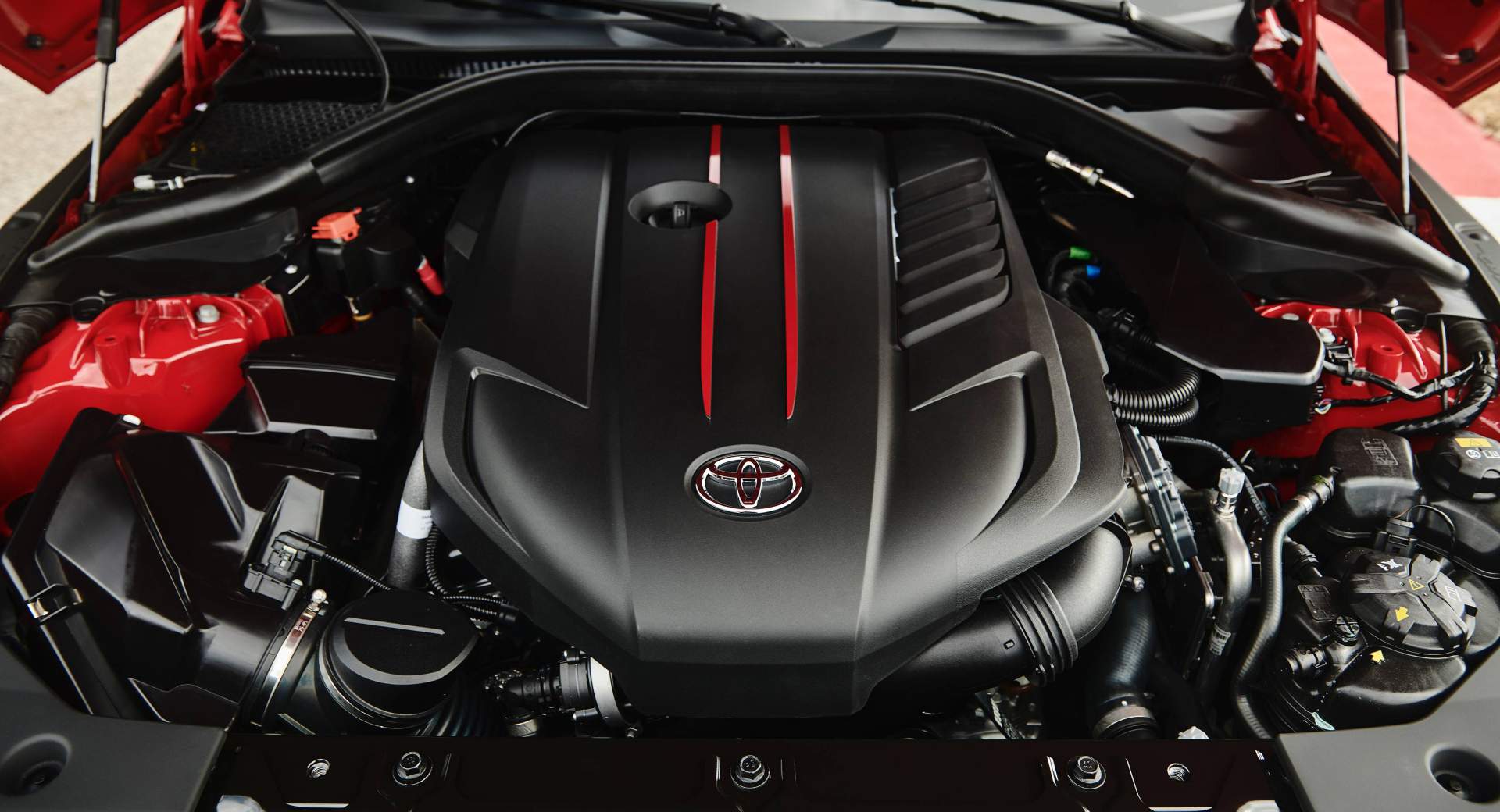
BMW B58 (A90/A91 GR Supra, 2019–present)
- Turbocharged 3.0L inline‑6 sourced from BMW. Strong midrange torque and modern efficiency.
- Stock power is high and it tunes well with ECU and intake/exhaust changes.
-
BMW B48 (A90 GR Supra 2.0)
- Turbocharged 2.0L inline‑4. Light and efficient with solid punch for daily use.
- Offers a lower cost of ownership and good fuel economy.
What engine the Toyota Supra uses depends on the model you choose. The A90 marks a new era where Toyota partnered with BMW for core engines. The A80 and earlier generations remain celebrated for Toyota’s own inline‑six designs.
Performance numbers and practical specs
To answer "What engine does the Toyota Supra use?" you often want numbers. These are representative factory figures. Exact numbers vary by year, market, and trim.
-
2JZ-GTE (Twin‑turbo 3.0L)
- Horsepower: approx 276–320 hp (market dependent)
- Torque: roughly 300–330 lb‑ft
- Layout: inline‑6, cast‑iron block, strong internals
-
2JZ-GE (NA 3.0L)
- Horsepower: approx 220–230 hp
- Torque: about 210–220 lb‑ft
- Layout: inline‑6, smoother daily drive
-
7M-GTE (Turbo 3.0L)
- Horsepower: approx 230–240 hp
- Torque: approx 230–260 lb‑ft
- Noted for midrange surge and tunnel‑bolted feel
-
BMW B58 (Turbo 3.0L)
- Horsepower: factory tunes vary from about 335 hp to higher depending on year
- Torque: commonly 365–400 lb‑ft in factory tuneups
- Modern engine with direct injection and good efficiency
-
BMW B48 (Turbo 2.0L)
- Horsepower: approx 255 hp
- Torque: approx 295 lb‑ft
- Good balance of performance and fuel economy
If you want a clear answer to "What engine does the Toyota Supra use?" remember that the A80’s 2JZ is the muscle car legend, while the A90’s B58 and B48 are modern and efficient.

Tuning potential and aftermarket support
If your question is "What engine does the Toyota Supra use?" because you want to modify one, here’s practical guidance.
-
2JZ-GTE
- Why people love it: robust internals and massive headroom for power. Stock blocks can handle high boost with good fueling.
- Typical mods: turbo upgrades, standalone tuning, forged internals for high output.
- Real-world note: I’ve seen well-built 2JZ engines reliably produce 800+ hp with proper supporting mods.
-
BMW B58
- Why people love it: modern tech, linear torque, and excellent tuning headroom with ECU flash and hardware upgrades.
- Typical mods: intake, exhaust, tune, charge cooling, and larger turbos for big gains.
- Real-world note: A bone‑stock B58 responds very well to a simple tune and intake, improving throttle feel and midrange grunt.
-
B48 2.0
- Why people like it: light, efficient, and fun to mod modestly.
- Typical mods: software tune, intake, and downpipe for safer power gains.
General tips when tuning any Supra engine
- Upgrade cooling and fueling early if chasing big power.
- Use reputable tuners and quality parts to protect the engine.
- Account for transmission limits; many Supras need stronger clutches or gear sets at high power.
Choosing the right Supra engine for you
Answering "What engine does the Toyota Supra use?" is one thing. Choosing the best one for your life is another. Consider these points:
- If you want a classic, analog feel and huge tuning community, pick a Mark IV with a 2JZ-GTE.
- If you want modern tech, daily comfort, and factory safety features, choose the A90 with the B58 3.0 or B48 2.0.
- If budget is key, a naturally aspirated inline‑6 (2JZ-GE or 7M-GE) or a 2.0 B48 may be easier on insurance and fuel.
- If you plan heavy tuning, factor in transmission upgrades and cooling upgrades early.
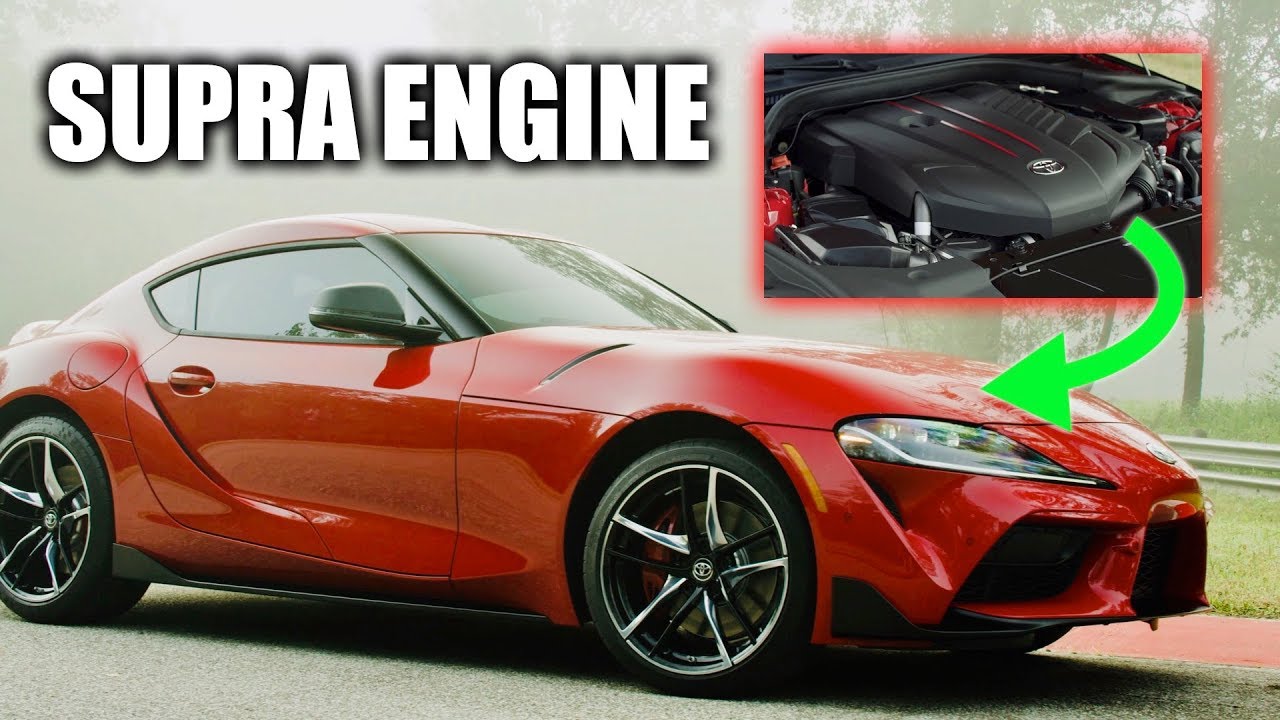
From my own experience, a lightly tuned B58 Supra is easy to live with daily and still thrills on back roads. A 2JZ Supra requires more attention but rewards you with limitless tuning options.
Common quick questions (PAA-style)
- Can the 2JZ handle high horsepower safely?
- Yes. The 2JZ-GTE block and internals are strong. With proper build and fueling, it can handle very high power reliably.
- Is the BMW engine in the new Supra reliable?
- Generally yes. The B58 is a well-engineered modern engine. Regular maintenance and quality tuning keep it dependable.
- Can I swap engines between Supra generations?
- Engine swaps are possible but complex. Expect wiring, ECU, and drivetrain work plus custom mounts.
Frequently Asked Questions of What engine does the Toyota Supra use?
What engine does the Toyota Supra use in the latest generation?
The latest Supra (A90, 2019–present) uses BMW‑sourced engines: a 3.0L turbo inline‑6 (B58) and a 2.0L turbo inline‑4 (B48). Toyota calibrates the software for Supra tuning and feel.
What engine does the Toyota Supra use in the famous Mark IV?
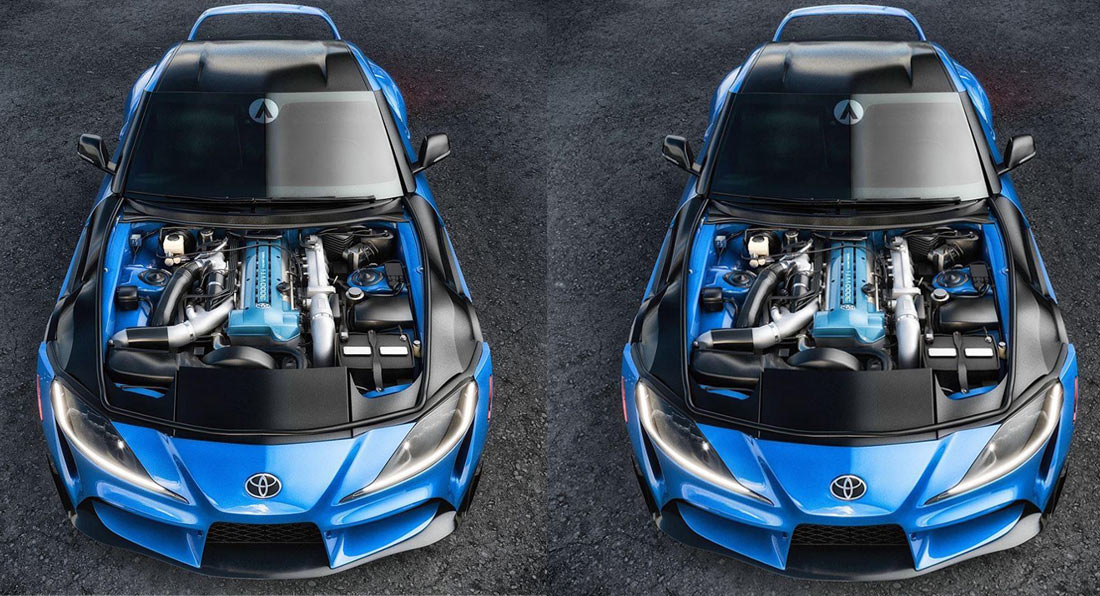
The Mark IV Supra mainly used Toyota’s 2JZ engines: the twin‑turbo 2JZ‑GTE and the naturally aspirated 2JZ‑GE, both 3.0L inline‑6 engines. The 2JZ‑GTE is the most celebrated for high‑power builds.
Are Supra engines reliable for daily driving?
Yes, both classic Toyota inline‑sixes and modern BMW B58/B48 engines can be very reliable with routine maintenance. Reliability depends on service history, tuning, and driving habits.
How easy is it to tune a Supra engine?
Tuning ease depends on the engine. The 2JZ has a massive aftermarket and is straightforward to modify. The B58 also tunes well and benefits quickly from software and bolt‑on parts. Proper tuning is essential to avoid damage.
What engine does the Toyota Supra use if I want max power?
For extreme power, many builders choose the 2JZ‑GTE because of its strong block and big aftermarket. The B58 can also reach high power levels but often needs more modern hardware changes.
Does the Supra use the same engine worldwide?
No. Engine specs and output can vary by market and model year. For example, factory horsepower figures and emissions equipment differ by country. Always check the specific vehicle’s VIN and build sheet for exact specs.
Can I swap a BMW B58 into an older Supra?
Swapping a B58 into an older Supra is possible but complex. Expect custom engine mounts, wiring integration, and drivetrain compatibility work. It’s doable but requires experienced fabrication.
Conclusion
What engine the Toyota Supra uses depends on the year and model. Classic Supras feature Toyota’s inline‑six engines like the 2JZ, while modern Supras use BMW’s B58 3.0L and B48 2.0L turbo engines. Each engine brings a unique mix of feel, power, and tuning potential.
Pick the engine that matches your goals: legacy and extreme tuning with a 2JZ, or modern refinement and everyday usability with a B58/B48. If you’re unsure, test drive both types and talk to owners and tuners. Share your thoughts or ask a specific question below, and subscribe for more deep dives on engines and tuning tips.