Hyundai Ioniq 5 towing capacity varies by market; typically 1,000–1,600 kg (2,200–3,500 lbs).
As an EV writer and longtime vehicle tester, I dig into the numbers, limits, and real-world effects of the Hyundai Ioniq 5 towing capacity so you can decide if this electric crossover fits your tow needs. I’ll explain official ratings, what changes them, how towing impacts driving range and handling, practical tips, and real-life examples to help you tow safely and confidently with an Ioniq 5.

49% off Today's Exclusive Deals
Limited-time Exclusive Deals. Check current discount on Amazon.
Check Price on Amazon As an Amazon Associate I earn from qualifying purchases.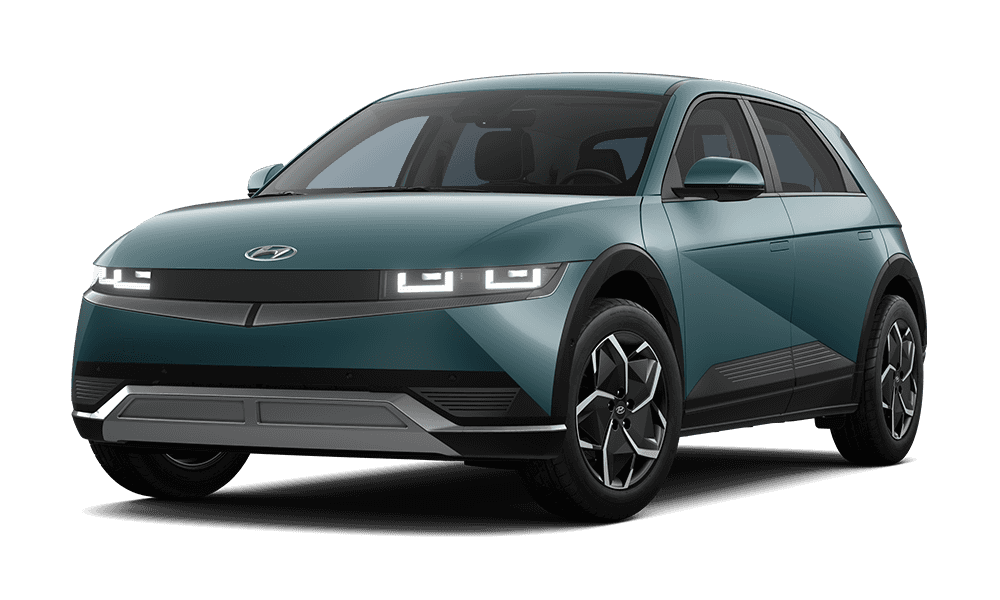
Official towing numbers and what they mean
The Hyundai Ioniq 5 towing capacity depends on region, drivetrain, and factory options. Many markets list a braked towing capacity up to about 1,600 kg (roughly 3,500 lbs), while some trims and the U.S. spec commonly rate the Ioniq 5 around 2,000 lbs (about 907 kg) when fitted with the factory tow package. Unbraked towing limits are much lower and often under 750 kg (1,650 lbs).
Key towing terms to know
49% off Today's Exclusive Deals
Limited-time Exclusive Deals. Check current discount on Amazon.
Check Price on Amazon As an Amazon Associate I earn from qualifying purchases.- Braked towing capacity: The maximum trailer weight with its own brakes. This is the figure most buyers should use.
- Unbraked towing capacity: Trailer weight without its own brakes; always far lower.
- Gross Vehicle Weight Rating (GVWR): Total weight of vehicle plus cargo and passengers. Exceeding GVWR voids safety margins.
- Tongue weight: Downward force on the hitch, normally 10–15% of trailer weight for safe towing.
Why the numbers vary
- Drivetrain: Dual-motor AWD versions sometimes have different tow limits than single-motor RWD versions.
- Tow package: Factory tow hitch, wiring, and cooling options can raise the official rating.
- Market certification: Regional testing and regulations lead to different published capacities in Europe, North America, and other regions.
Hyundai Ioniq 5 towing capacity is a certified number, not a suggestion. Always check the owner’s manual and the sticker on the driver’s door for your exact rating.
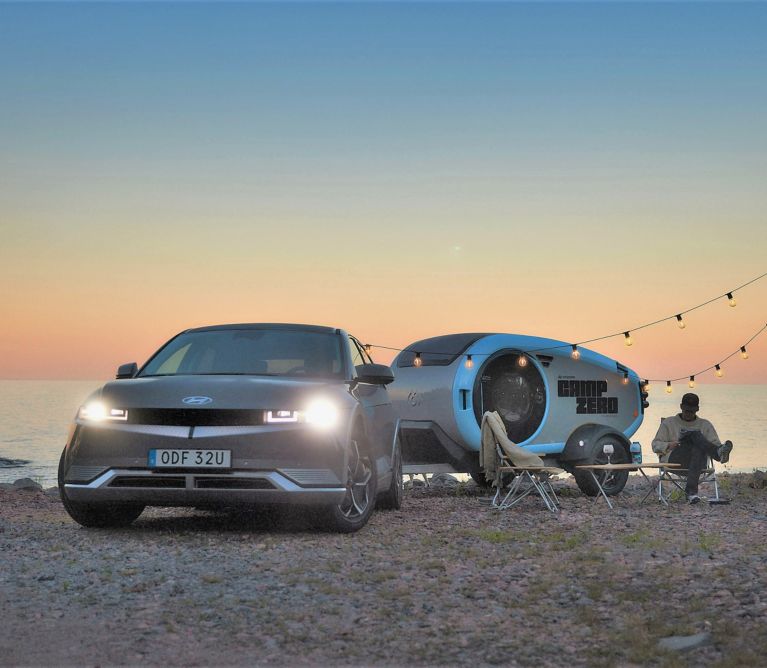
Factors that affect the Hyundai Ioniq 5 towing capacity
Many elements influence the posted Hyundai Ioniq 5 towing capacity and what you can safely tow day-to-day.
49% off Today's Exclusive Deals
Limited-time Exclusive Deals. Check current discount on Amazon.
Check Price on Amazon As an Amazon Associate I earn from qualifying purchases.Important factors
- Trim and drivetrain: Single-motor vs dual-motor. Some AWD setups carry different ratings.
- Tow package: Presence of factory hitch, wiring, and trailer brake controller.
- Payload and passengers: Carrying heavy cargo or people reduces available towing allowance.
- Trailer type and brakes: Braked trailers allow higher towing weights; trailers without brakes reduce limits.
- Ball mount and hitch class: Using the correct hitch class prevents overloads and unsafe connections.
How battery and thermal management matter
- Heavy towing increases motor and battery load. The car’s cooling system and software govern sustained power.
- Some manufacturers limit performance while towing to protect components. That can affect acceleration and top speed with a trailer.
How OEM and aftermarket changes affect ratings
- Adding aftermarket hitches does not legally increase towing capacity. The published Hyundai Ioniq 5 towing capacity is valid only when the vehicle is configured per Hyundai’s specifications.

Source: reddit.com
Real-world towing: range, handling, and examples
Towing on an EV changes the way you plan trips. The Hyundai Ioniq 5 towing capacity tells you the legal limit, but real-world performance and range are key.
Range impact examples
- Light trailer (about 1,000 lbs): Expect roughly 20–40% reduction in highway range depending on speed and wind.
- Heavier trailer (close to 2,000–3,500 lbs): Range can drop 40–60% at highway speeds; steep grades worsen that loss.
- City or low-speed towing: Regenerative braking helps recover energy and reduces range penalty compared with sustained highway towing.
Handling and braking
- Trailer weight increases stopping distance and affects steering feel. Even with good brakes on the trailer, plan for longer stopping distances.
- Stability control and trailer sway mitigation (if available) help, but weight distribution and correct tongue weight remain crucial.
Practical examples
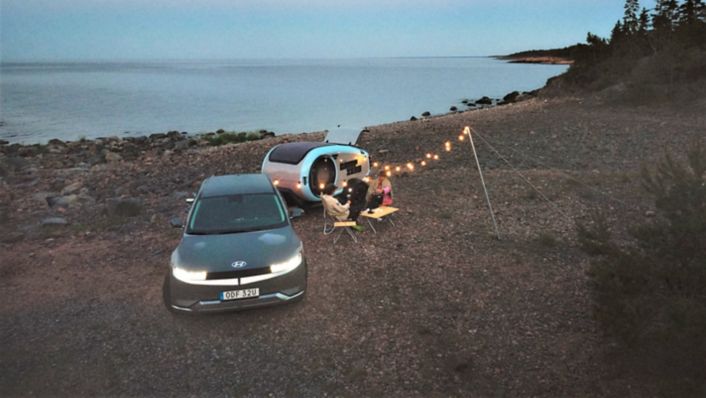
- Weekend camper or small teardrop: Many Ioniq 5 owners tow light campers around 1,000–2,000 lbs; this is within many Ioniq 5 towing capacity ratings but will significantly reduce range.
- Small boat or jet-ski trailer: Usually feasible if under the braked limit and properly hitched.
- Utility trailers full of gear: Watch payload and tow rating closely; overloaded combos risk damage and unsafe handling.
From my EV testing experience, towing at highway speeds is the main range killer. Plan charging stops and lower cruise speed by 5–10 mph to regain meaningful range.
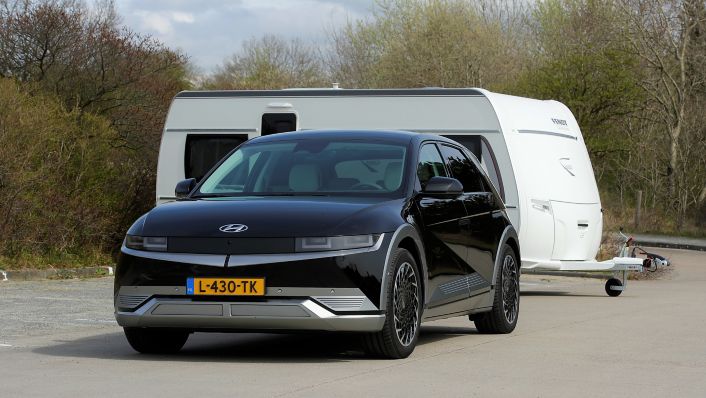
Towing gear, upgrades, and best practices
Choosing the right gear keeps towing efficient and safe. The Hyundai Ioniq 5 towing capacity sets the limit; your equipment and habits determine how well you stay inside it.
Essential towing gear
- Factory hitch or high-quality aftermarket hitch rated for your Ioniq 5 towing capacity.
- Trailer with brakes that match trailer weight; a trailer brake controller is highly recommended.
- Proper wiring harness for lights and electric brake control.
- Sway control device when towing tall or light trailers.
Best practices
- Check tongue weight and keep it around 10–15% of total trailer weight.
- Inflate tires to recommended pressures for towing; consider a higher rear tire pressure within manufacturer limits.
- Distribute cargo in the trailer to keep weight forward and stable.
- Pre-cool or avoid high-heat towing if the Ioniq 5 is loaded for long, steep climbs.
Maintenance tips for towing owners
- Monitor tire wear and brake pads; towing accelerates wear.
- Inspect hitch and electrical connections regularly.
- Keep battery thermal systems and cooling areas clear of debris.
Remember: no upgrade can legally increase the Hyundai Ioniq 5 towing capacity beyond the manufacturer’s posted values. Use upgrades to improve safety and handling, not to exceed ratings.
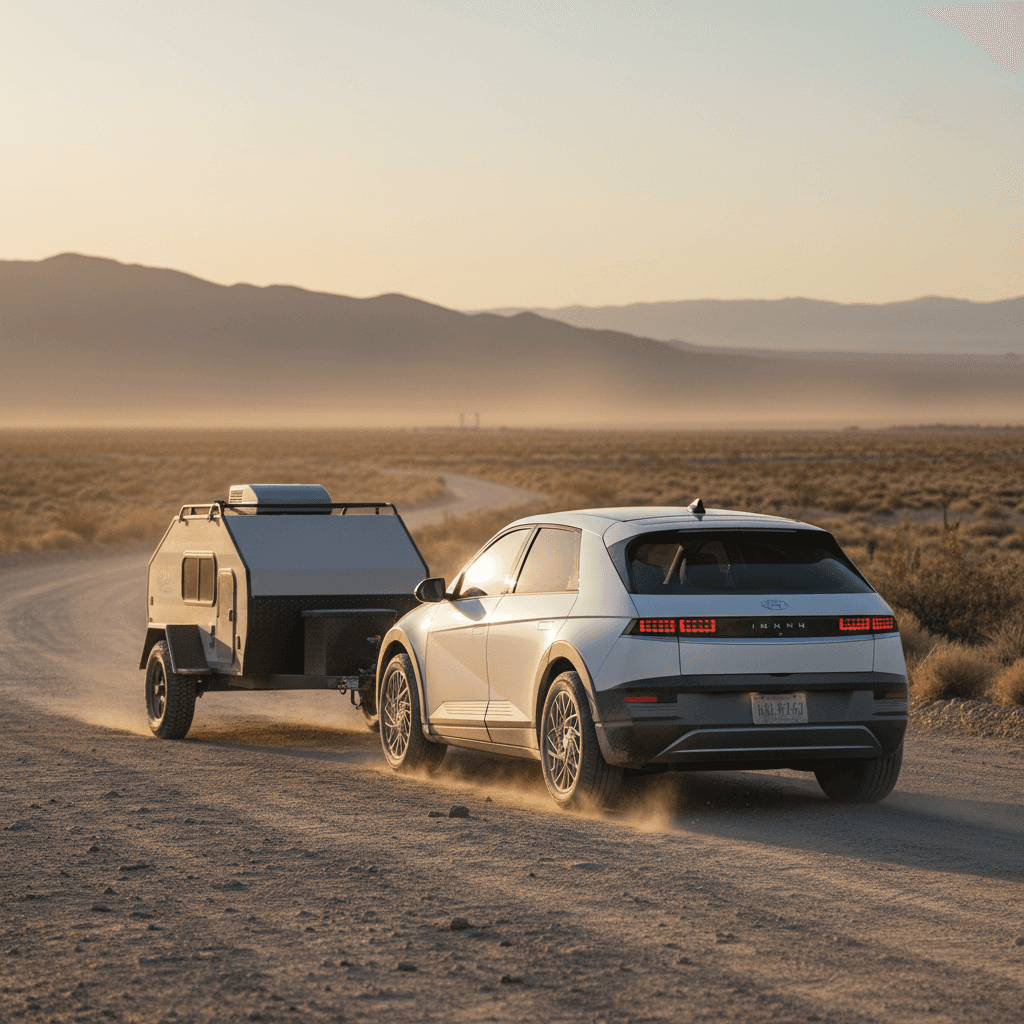
Safety, legalities, and maintenance when towing
Stay on the right side of the law and safety guidelines when using the Hyundai Ioniq 5 towing capacity.
Licensing and regulations
- Check local laws for trailer brakes, speed limits, and licensing requirements based on combined vehicle weight.
- Trailer registrations, lighting, and braking regulations vary by state and country.
Insurance and liability
- Notify your insurer if you plan to tow regularly. Coverage for trailers and payload often differs from standard vehicle policies.
- Carry emergency supplies and a basic trailer repair kit.
Routine checks before every tow
- Hitch connection and safety chains are secure.
- Trailer lights and brakes operate correctly.
- Tire pressures and wheel torque are correct.
- Battery state-of-charge and estimated range match your route and charging stops.
Limitations and safety reminders
- Cold weather reduces battery efficiency and can lower safe towing range.
- Long climbs heat the battery and motors; allow for slower climbs and charging if needed.
- Avoid sudden steering inputs and aggressive braking with a trailer connected.
Source: hyundai.news
How the Ioniq 5 compares to rivals for towing
If towing matters, compare the Hyundai Ioniq 5 towing capacity to other EVs and small crossovers so you pick the right tool.
Short comparison points
- Hyundai Ioniq 5 towing capacity vs typical EV rivals: Some competitors offer similar or lower tow limits; a few are certified for higher weights depending on configuration.
- Internal combustion compact SUVs: Many traditional compact SUVs still carry higher towing capacities than base EVs, but that gap is narrowing.
- Practical takeaway: If you need frequent heavy towing, check competitor specs and look for vehicles with higher certified tow ratings and cooling systems built for towing.
When shopping, always compare published towing numbers, towing packages, and real-world owner reports. The Hyundai Ioniq 5 towing capacity is competitive for many light-to-moderate towing needs, but heavy frequent towing may be better served by larger SUVs or trucks.

PAA-style quick questions (within content)
Is the Hyundai Ioniq 5 good for towing a camper?
- If the camper is within the Hyundai Ioniq 5 towing capacity and braked, yes for light campers, but expect a major range reduction and slower climbs.
How much range will I lose towing with the Ioniq 5?
- Range loss varies, but expect 20–60% reduction depending on trailer weight, speed, and terrain; planning is essential.
Do I need a special hitch for the Ioniq 5?
- Use the factory tow package if available; otherwise choose a hitch rated for the Hyundai Ioniq 5 towing capacity and have it professionally installed.

Source: torkliftcentral.com
Frequently Asked Questions of What is the towing capacity of the Hyundai Ioniq 5?
What is the maximum towing capacity of the Hyundai Ioniq 5?
Maximum published towing figures vary by market and model year, but many markets list a braked towing capacity up to roughly 1,600 kg (about 3,500 lbs), and some configurations in North America are rated around 2,000 lbs when equipped with the factory tow package.
Does towing reduce the Ioniq 5’s driving range?
Yes. Towing increases aerodynamic drag and weight, which can reduce highway range by 20–60% depending on trailer weight, speed, and terrain.
Can I tow on all Ioniq 5 trims and drivetrains?
Towing allowances vary by trim and drivetrain; not every Ioniq 5 trim includes the tow package. Always check the owner’s manual and vehicle door placard for your specific vehicle’s rating.
Do I need trailer brakes when towing with the Ioniq 5?
Most regions require trailer brakes for heavier loads, and using trailer brakes is safer and typically necessary to reach the braked towing capacity. A trailer brake controller is recommended for heavier trailers.
Will towing void my warranty or damage the Ioniq 5?
Towing within the published Hyundai Ioniq 5 towing capacity and using approved equipment should not void warranty coverage. Exceeding rated limits, improper installation, or misuse could lead to damage and possible warranty denial.
Conclusion
Understanding the Hyundai Ioniq 5 towing capacity gives you a clear starting point for safe, confident towing. Know your exact rating, factor in payload and passengers, choose proper towing gear, and plan for reduced range and altered handling. If you tow occasionally and stay within limits, the Ioniq 5 can be a capable and efficient option; for frequent heavy towing, compare specs and consider larger vehicles.
Takeaway: check your owner’s manual, confirm the Hyundai Ioniq 5 towing capacity for your exact model, and plan trips with range and safety in mind. If you found this useful, leave a comment with your towing setup or subscribe for more EV towing guides.